
01 / 04
ARCA: open fire as an active culinary language
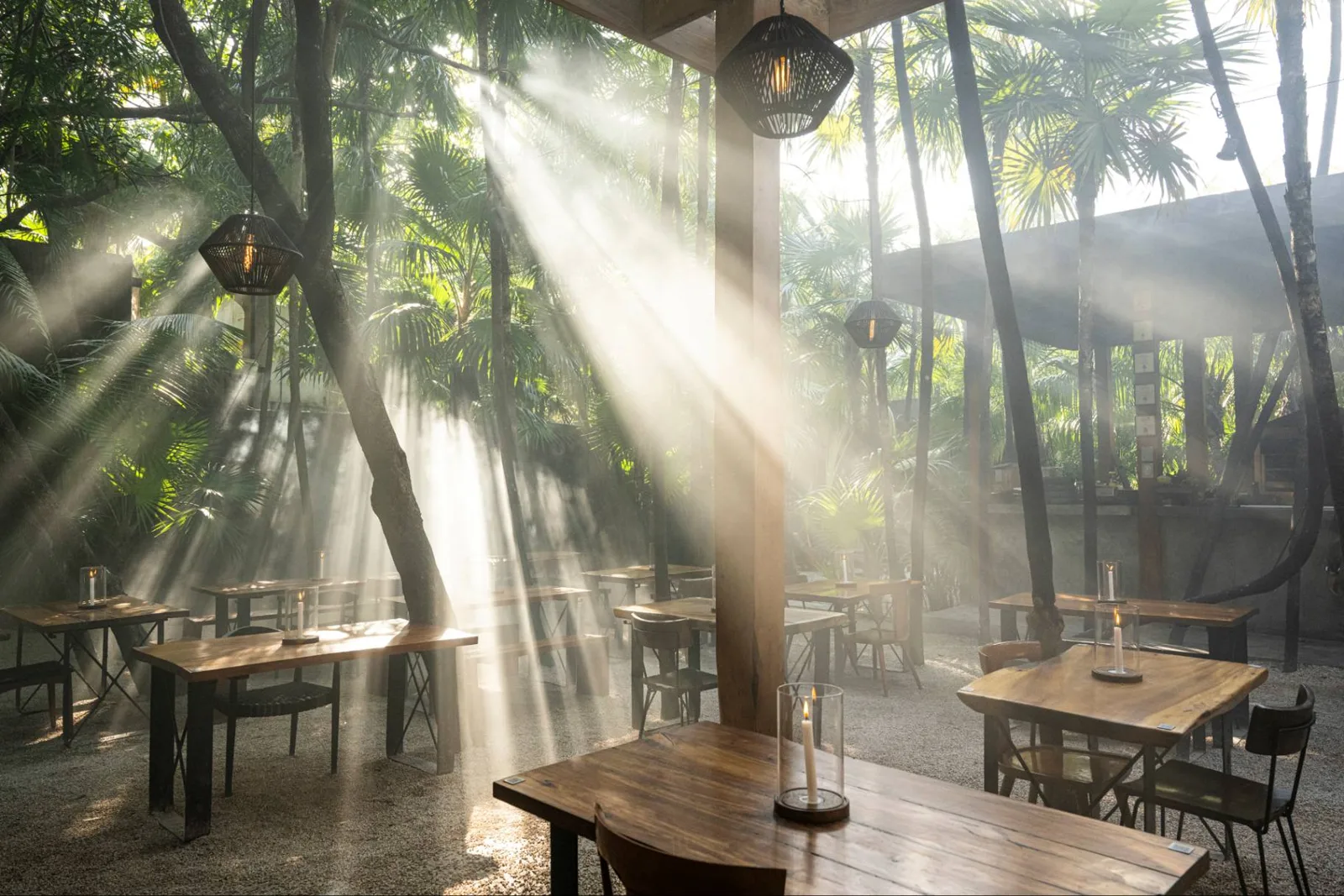
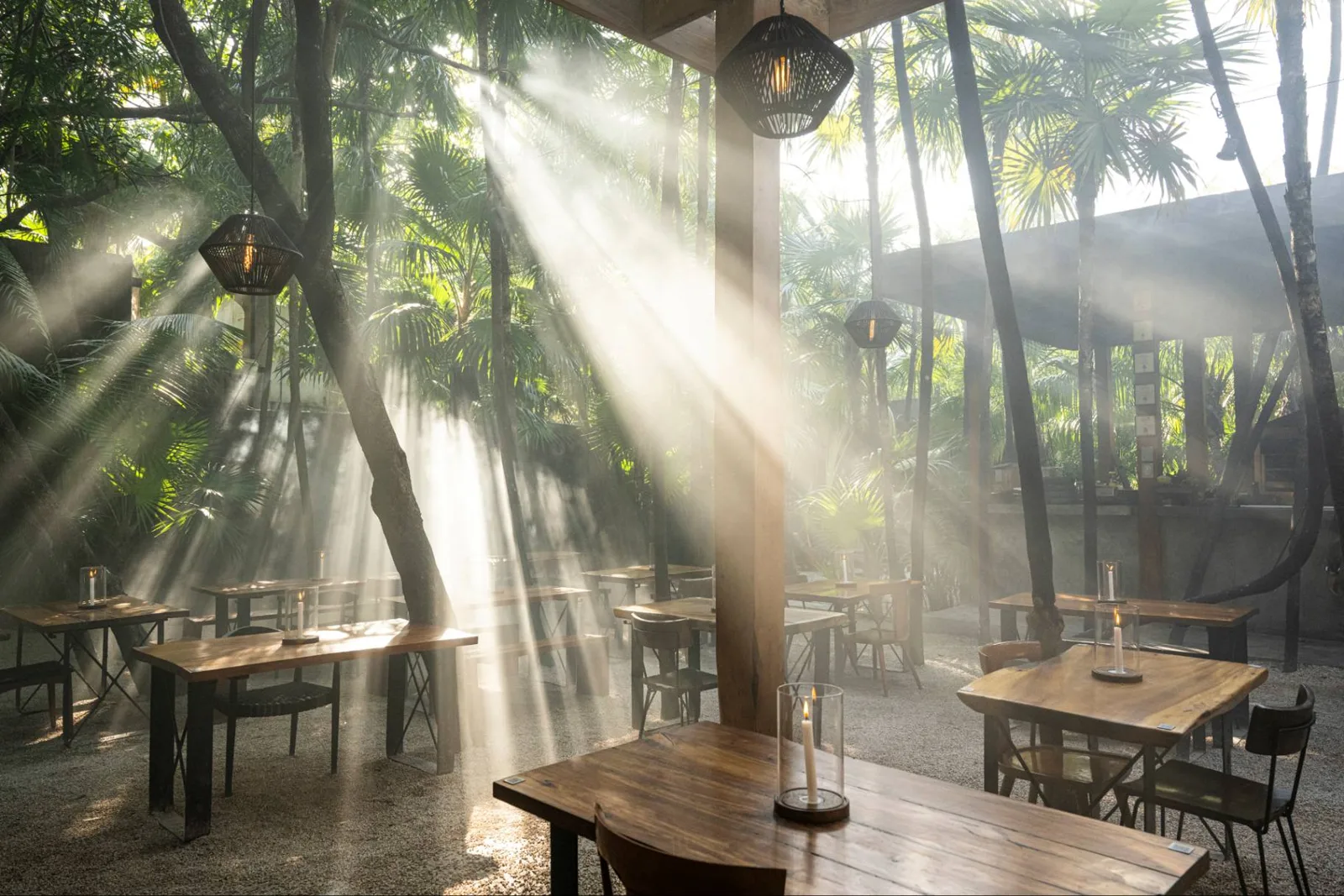
ARCA's chef José Luis Hinostroza presents contemporary Mexican cooking shaped by fire, micro-seasonality, and relationships with smaller producers. The restaurant's current menu gives those ideas concrete form: its interpretation of dzikilpak brings pumpkin seeds into conversation with xoconostle and corn, while other preparations explore ingredients such as huitlacoche. These are not offered as a static catalogue of heritage dishes; the kitchen uses them within a deliberately contemporary style.
For diners who enjoy asking how technique changes texture and flavor, ARCA is a compelling Tulum choice. The sharing-oriented menu encourages comparison across the table rather than four separate private meals. Let its regional references prompt questions, while recognizing the distinction between a chef's creative expression and a universal account of Maya food. The productive tension between those two things is part of the interest.
02 / 04
Hartwood: allowing the day's ingredients to set the terms
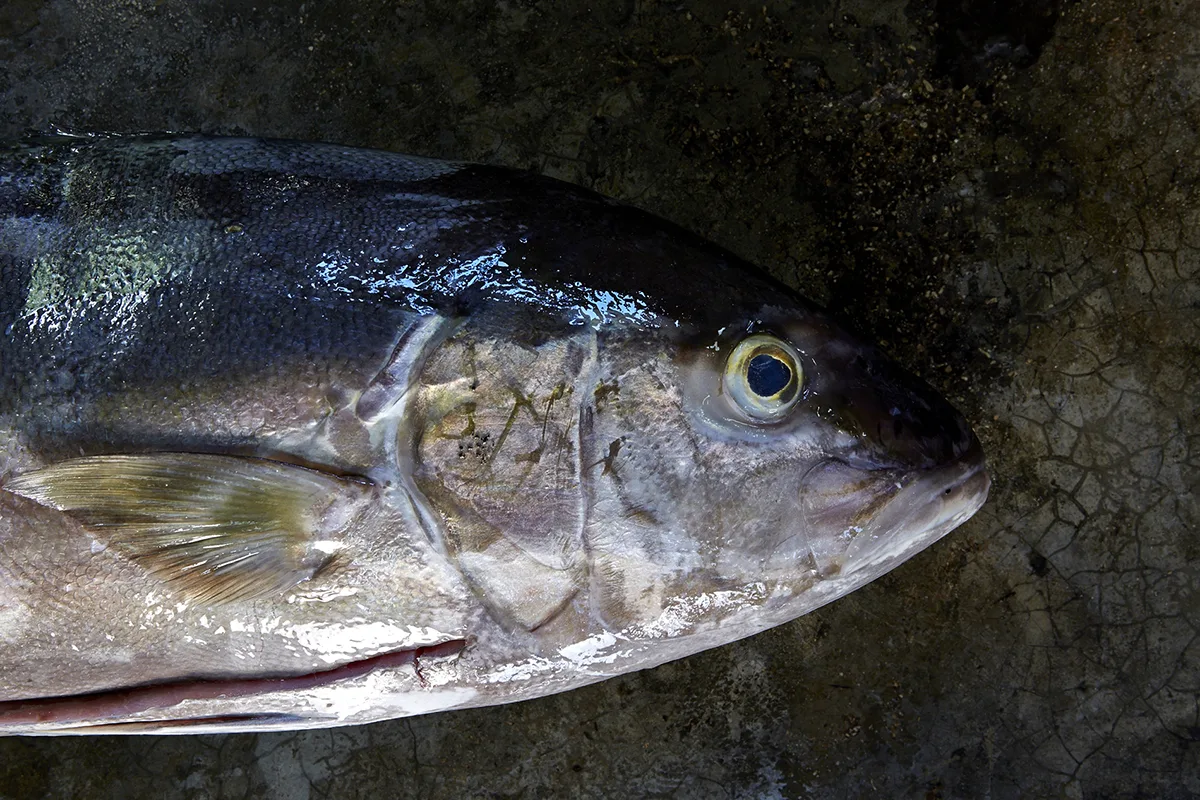
Hartwood describes a changing menu built from the sea, farms, and markets of the Yucatán, with cooking carried out over a wood-burning oven and grill. That operating philosophy is the reason to come. A seasonal restaurant becomes less interesting when visitors insist on reproducing a meal they saw online months earlier; here, the day's ingredients are meant to guide the experience.
The kitchen's reliance on fire and its stated sourcing journeys connect the beach-road dining room with a much larger agricultural landscape. This suits diners who are comfortable choosing after listening, and who regard a limited daily selection as an invitation rather than a constraint. Ask what is particularly good now and consider the supporting vegetables as carefully as the fish. The meal's cultural value lies in following those ingredients beyond the immediate image of Tulum.
03 / 04
Axiote: contemporary Mexico at a Playa del Carmen table
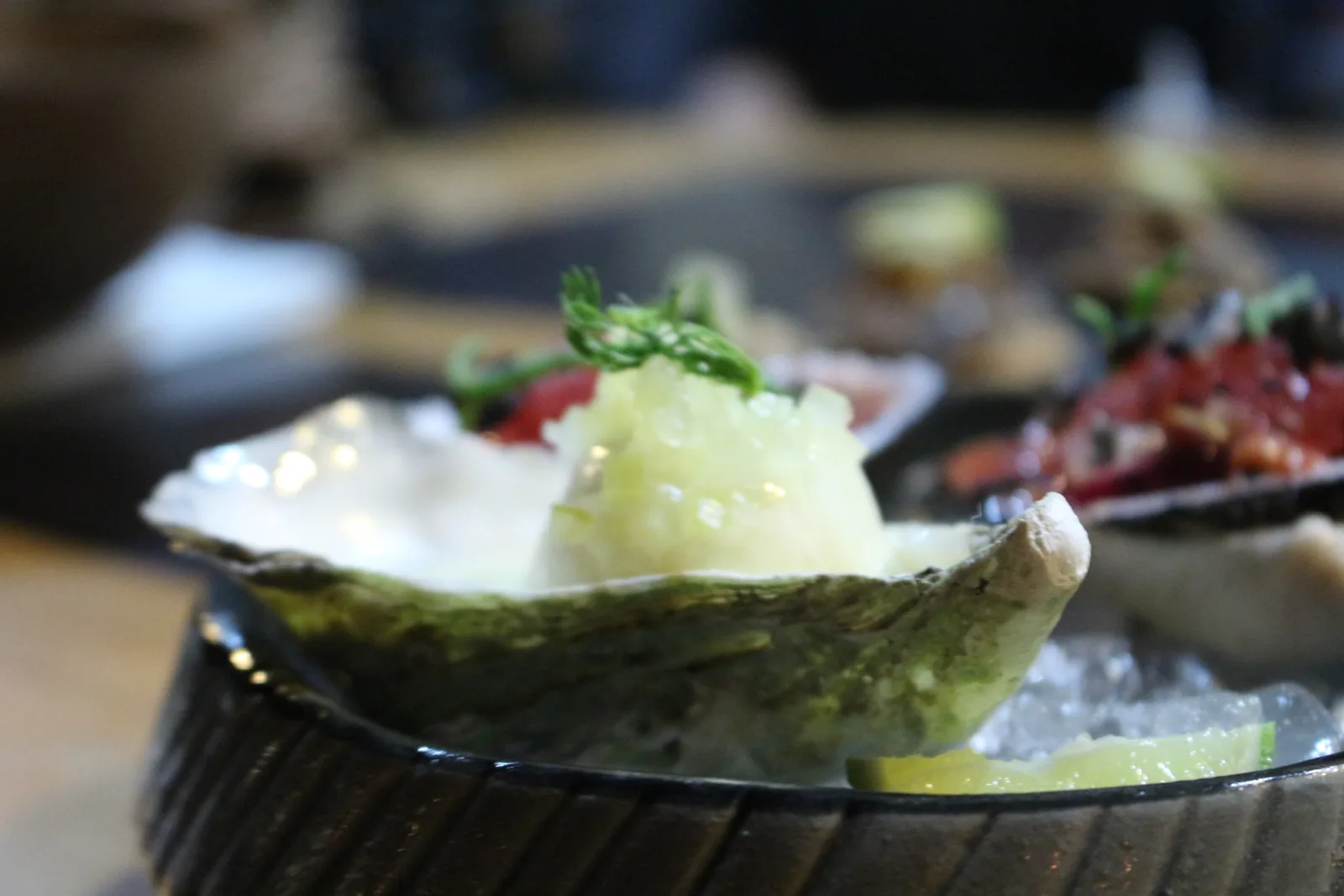
At Axiote Cocina de México, chef Xavier Pérez Stone treats Mexican tradition as a living language. The restaurant describes an approach that joins everyday culinary memory with contemporary technique, seeking new textures and flavors while retaining the identity of the cooking. Its Playa del Carmen address adds an urban chapter to an itinerary otherwise shaped by jungle dining rooms and resort grounds.
Choose it for an evening centered on the conversation between familiarity and invention. A tasting menu offers a structured way into the kitchen’s ideas, while the separate wine and mezcal selection opens another route through Mexican production. The restaurant also identifies itself with the Pesca con Futuro movement. For travelers interested in how chefs connect culinary creativity with the future of seafood, that is a useful subject to explore with the team.
04 / 04
Woodend by Curtis Stone: a coastal dialogue across the Pacific
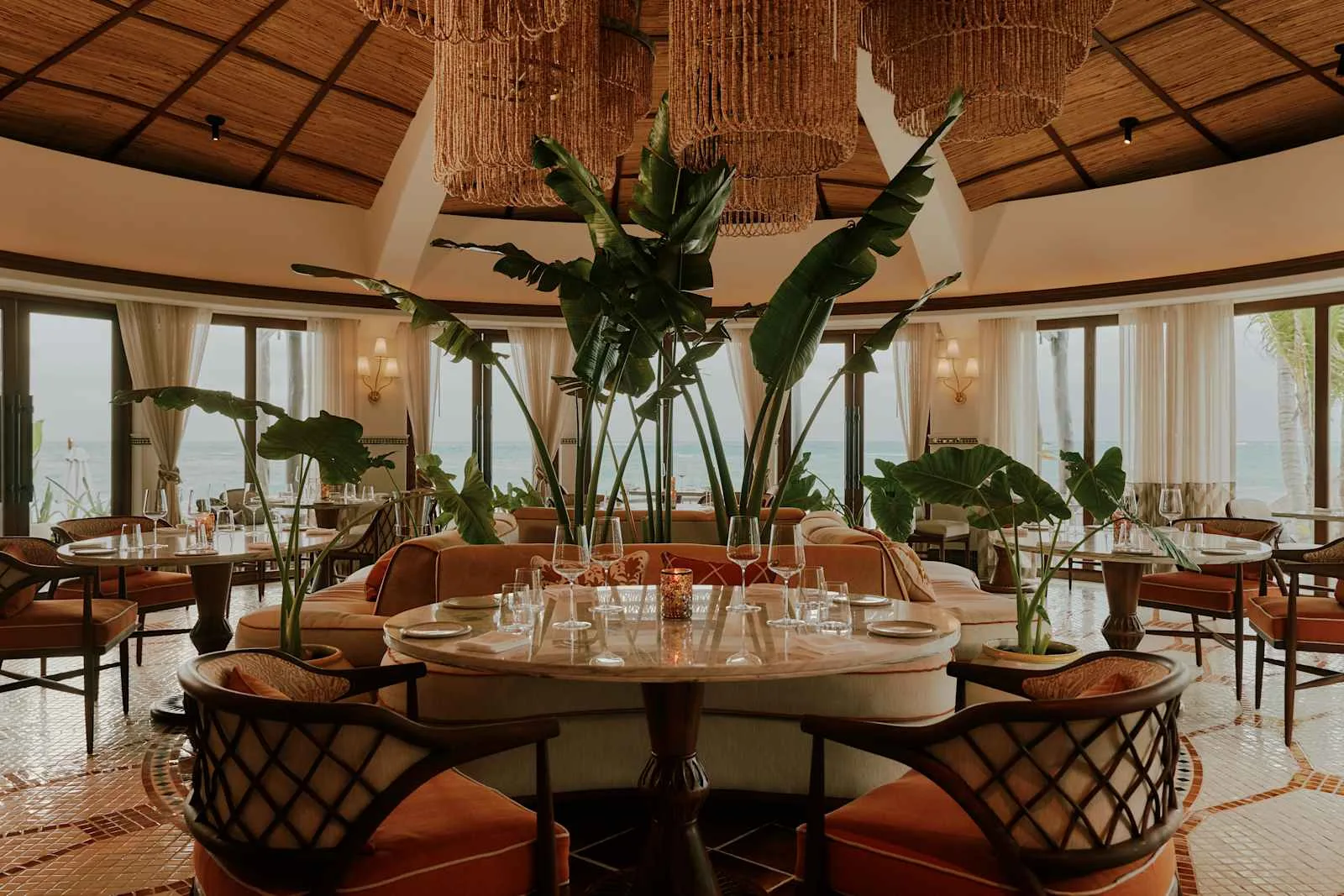
At Maroma, Woodend by Curtis Stone connects an Australian chef's live-fire approach with ingredients and flavor structures from Mexico. Belmond describes seafood paired with Mexican marinades and spice blends, alongside plant-based preparations. Its published examples include grilled shrimp with green mango and a rice dish with maitake mushrooms, illustrating a kitchen comfortable bringing different culinary references into one coastal setting.
The useful way to read this meal is as a dialogue, rather than asking it to reproduce a single inherited cuisine. Fire supplies continuity while season, produce, and accompaniments provide movement. It suits diners who want the assurance of a polished hotel restaurant but remain interested in where the ingredients and ideas originate. The connection to fishers and farmers should be part of the conversation, not eclipsed by the chef's international name.
Make room for a memorable meal
Geography should give these meals breathing room. From a Tulum villa, ARCA and Hartwood offer different readings of fire-led cooking, while Axiote brings a contemporary Mexican counterpoint in Playa del Carmen; from the northern Riviera Maya, Woodend is a natural anchor. A longer stay can connect the two clusters without turning dinner into an exhausting commute. Alternate an ambitious restaurant evening with something simple at home. The point is not to declare one kitchen the definitive voice of the region, but to notice how each handles seasonality, cultural references, and the relationship between a meal and the land around it.
Our selections are editorial recommendations, not a formal ranking. Menus, opening dates and access can change; confirm directly before making plans.
Plan your stay with VICContinue your journey: Into the Riviera Maya: Cenotes, Maya Heritage and Caribbean Days, or explore Riviera Maya villas and travel advice.
Sources and planning references
Researched October 4, 2026. Check directly with venues for current opening days, reservations, seasonal access, and prices.