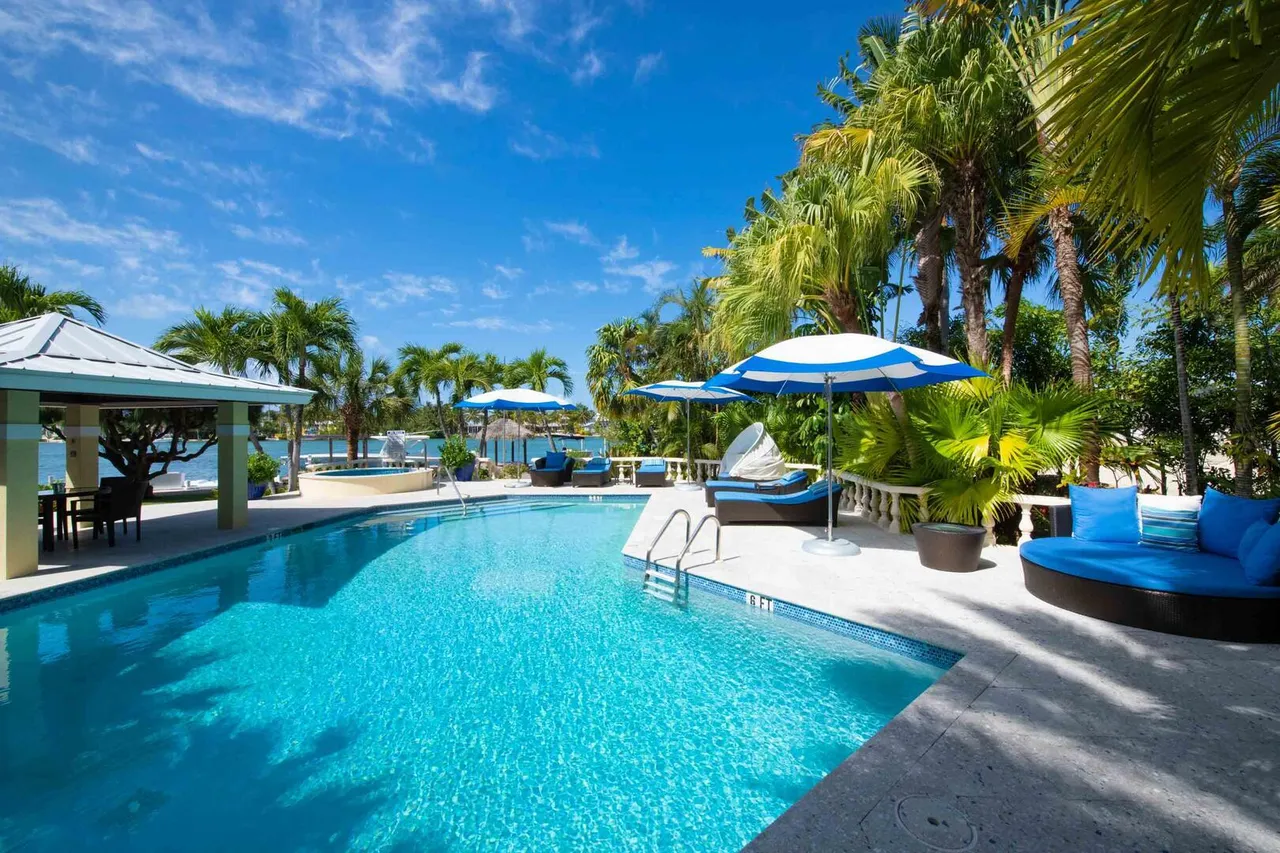
 The villa collection
Rum Point, Cayman Islands
 Exceptional Villas. Extraordinary Stays.A Part of the VIC Network
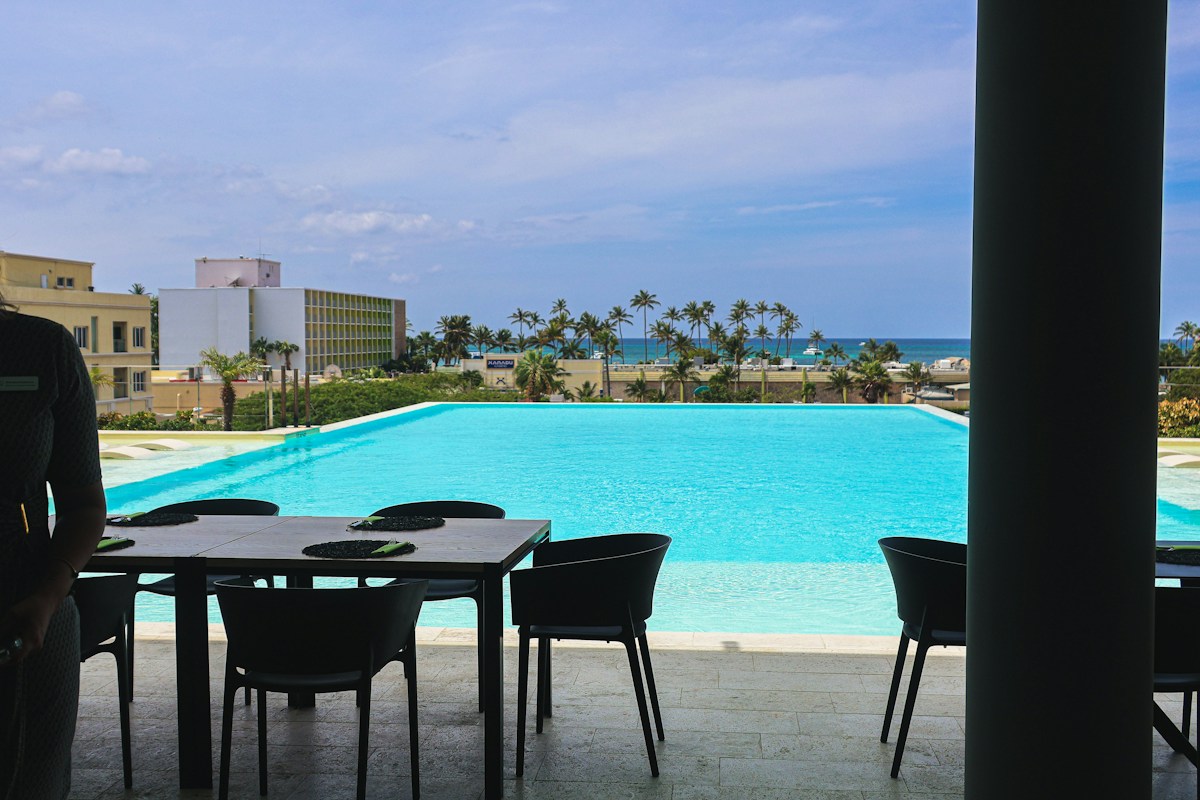
Caribbean
Explore Cayman Islands and plan a villa stay around your preferred setting, travel dates, and group.
Explore villas in Cayman Islands Plan a stay in Cayman IslandsThe villa collectionRum Point, Cayman Islands
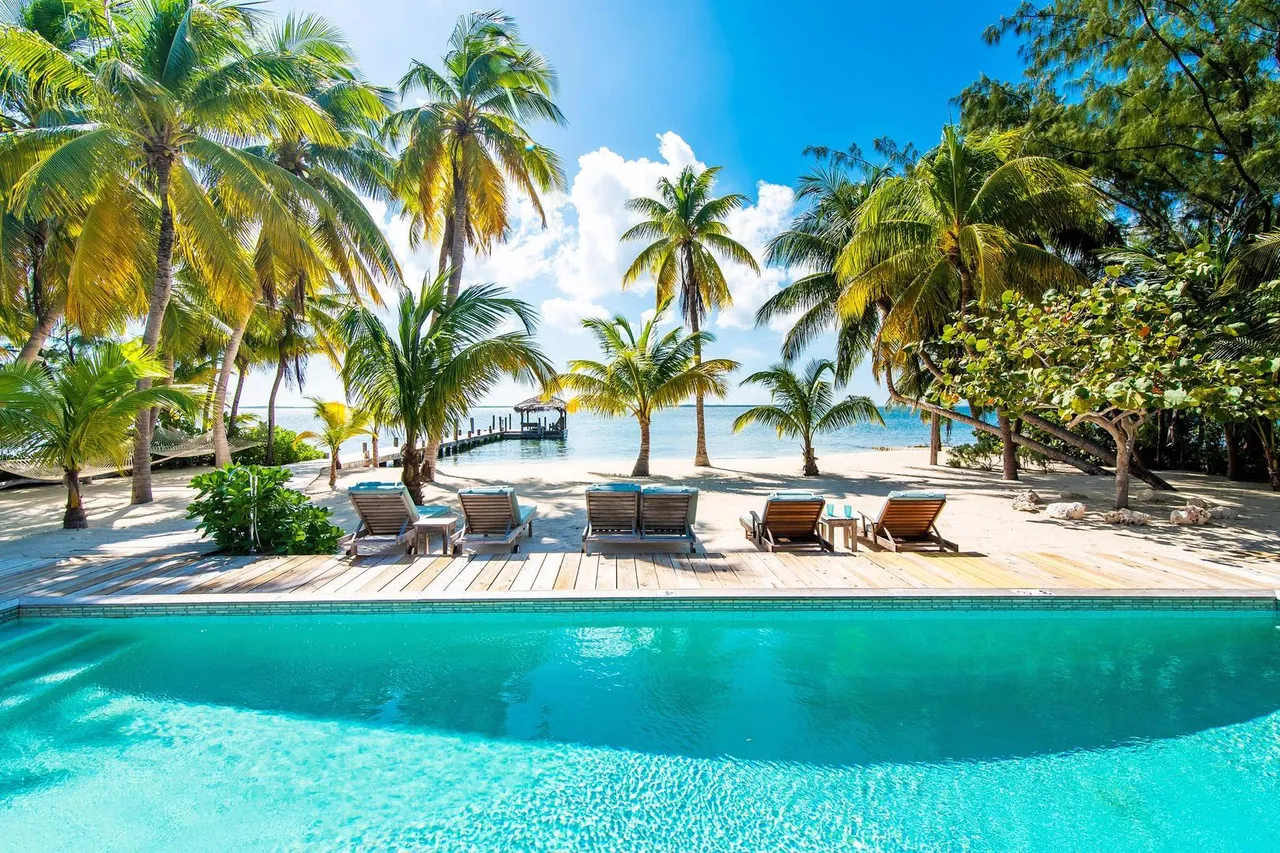 The villa collection
Rum Point, Cayman Islands
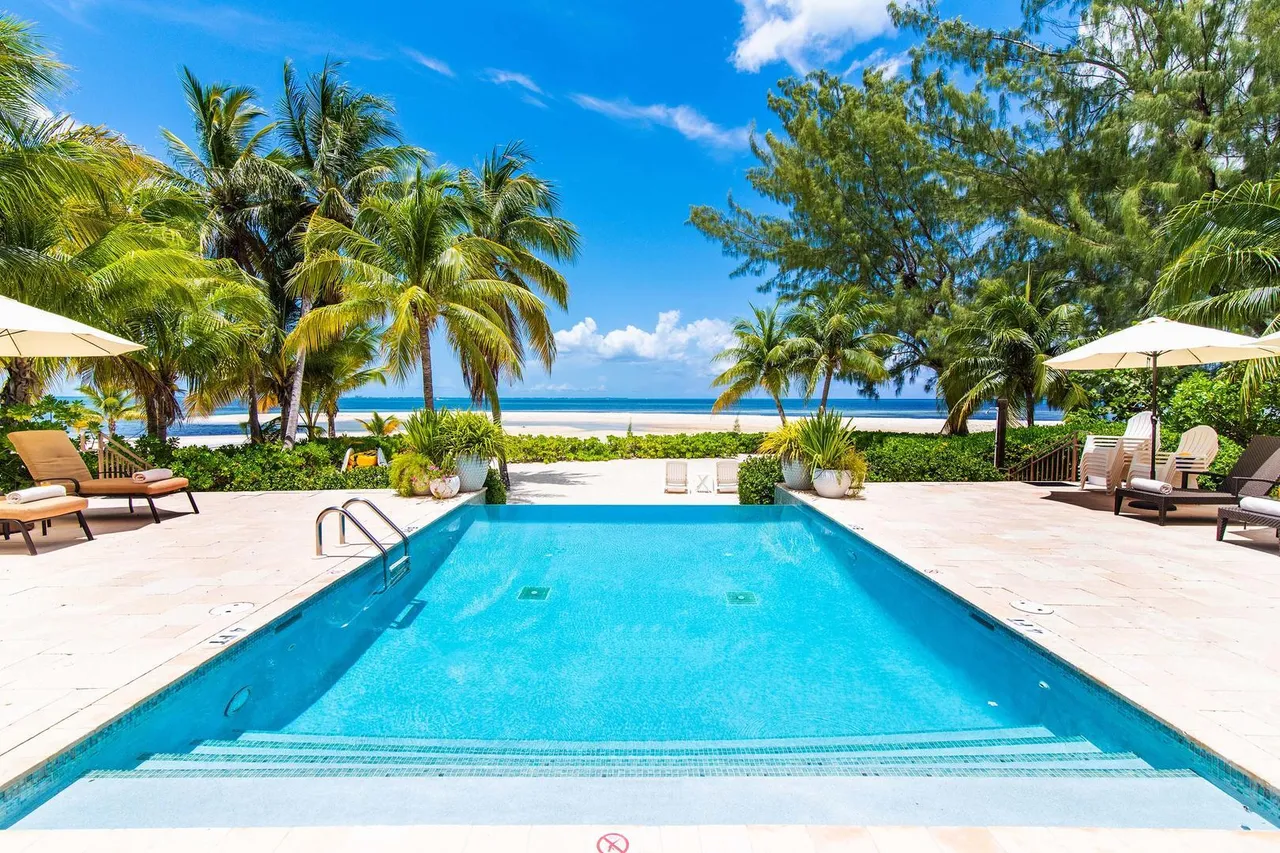 The villa collection
Rum Point, Cayman Islands
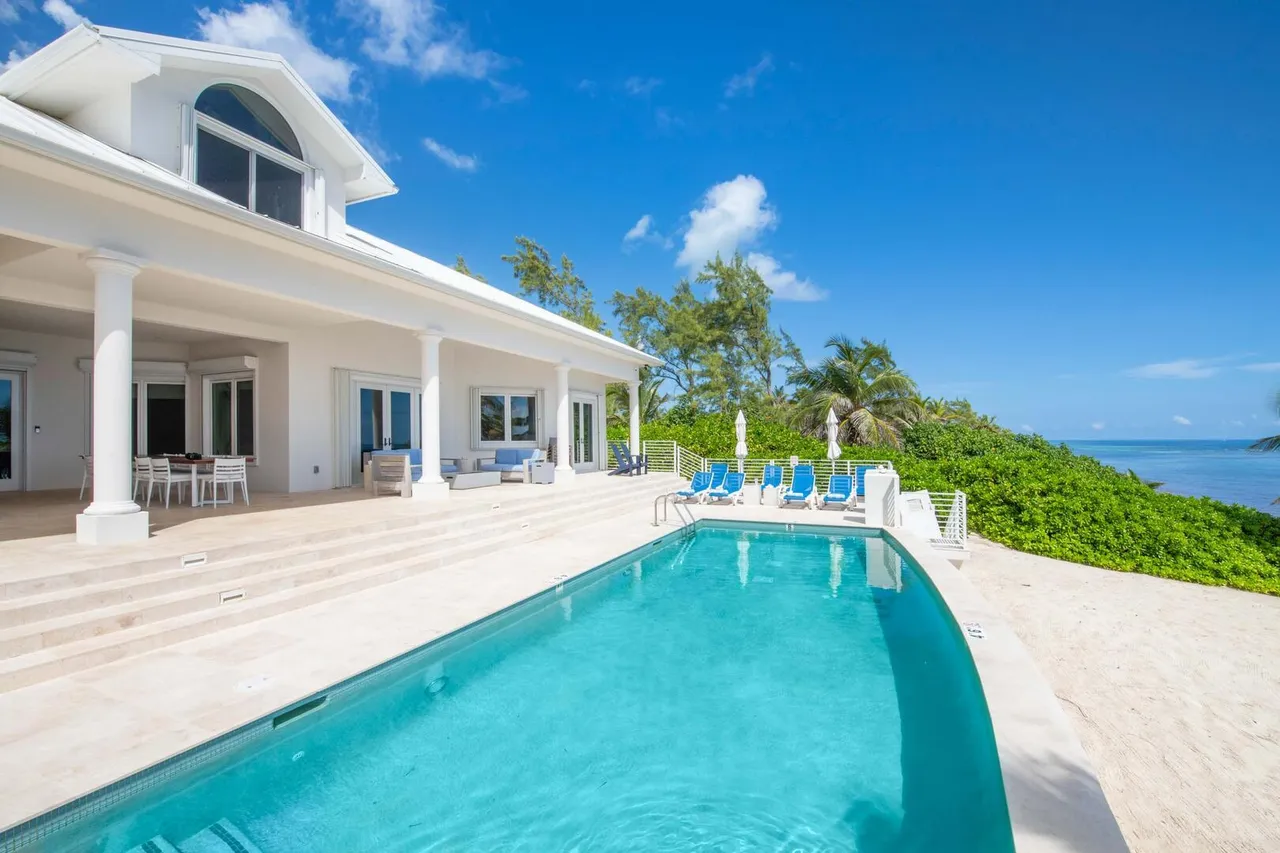 The villa collection
Rum Point, Cayman Islands
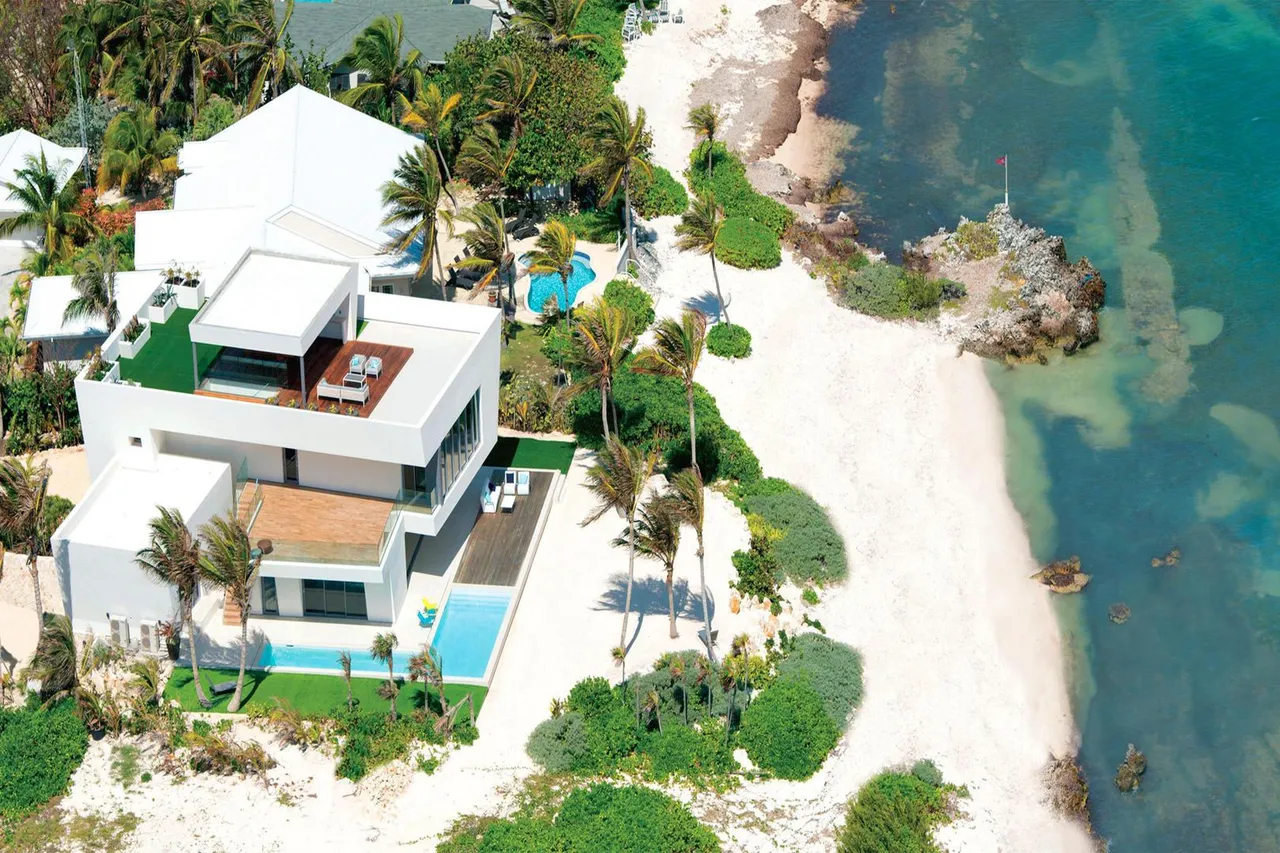 The villa collection
Rum Point, Cayman Islands
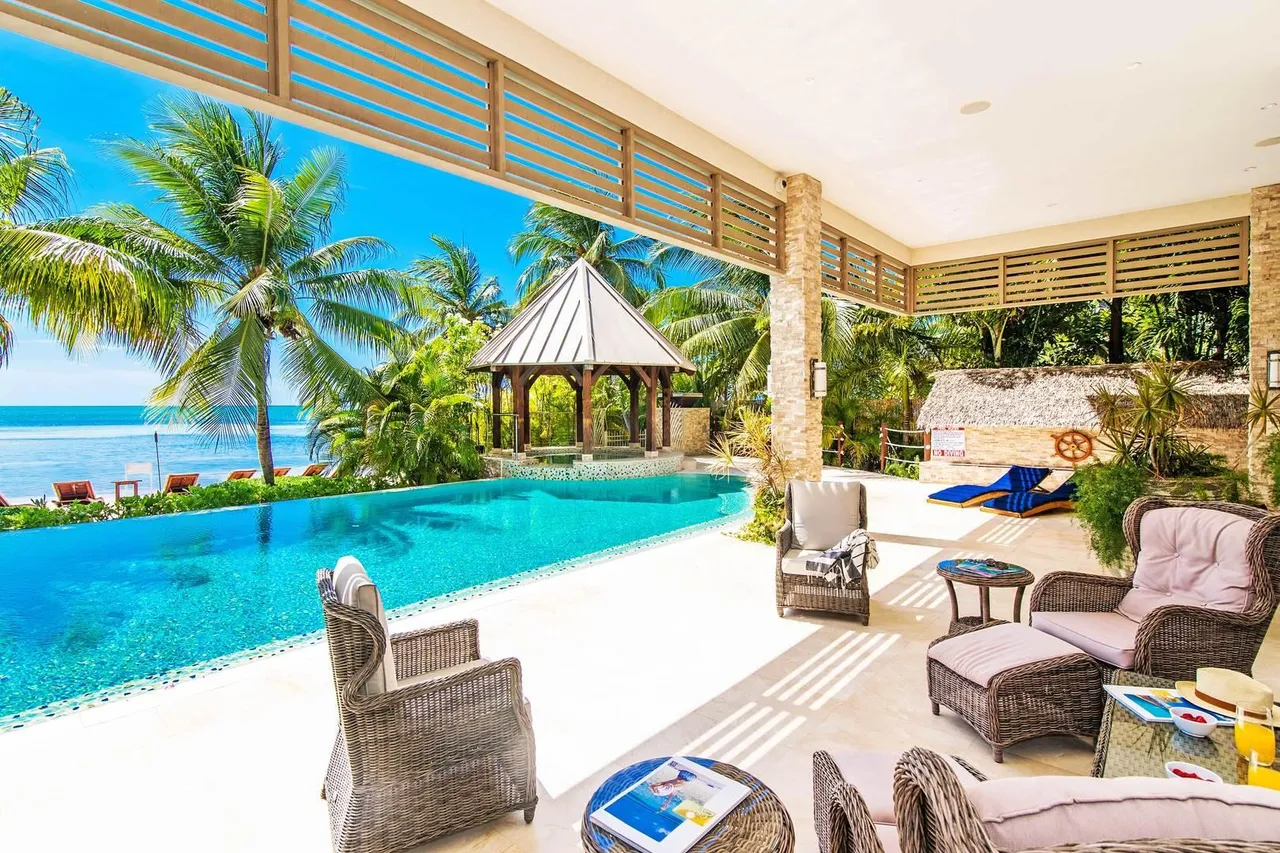 The villa collection
Rum Point, Cayman Islands
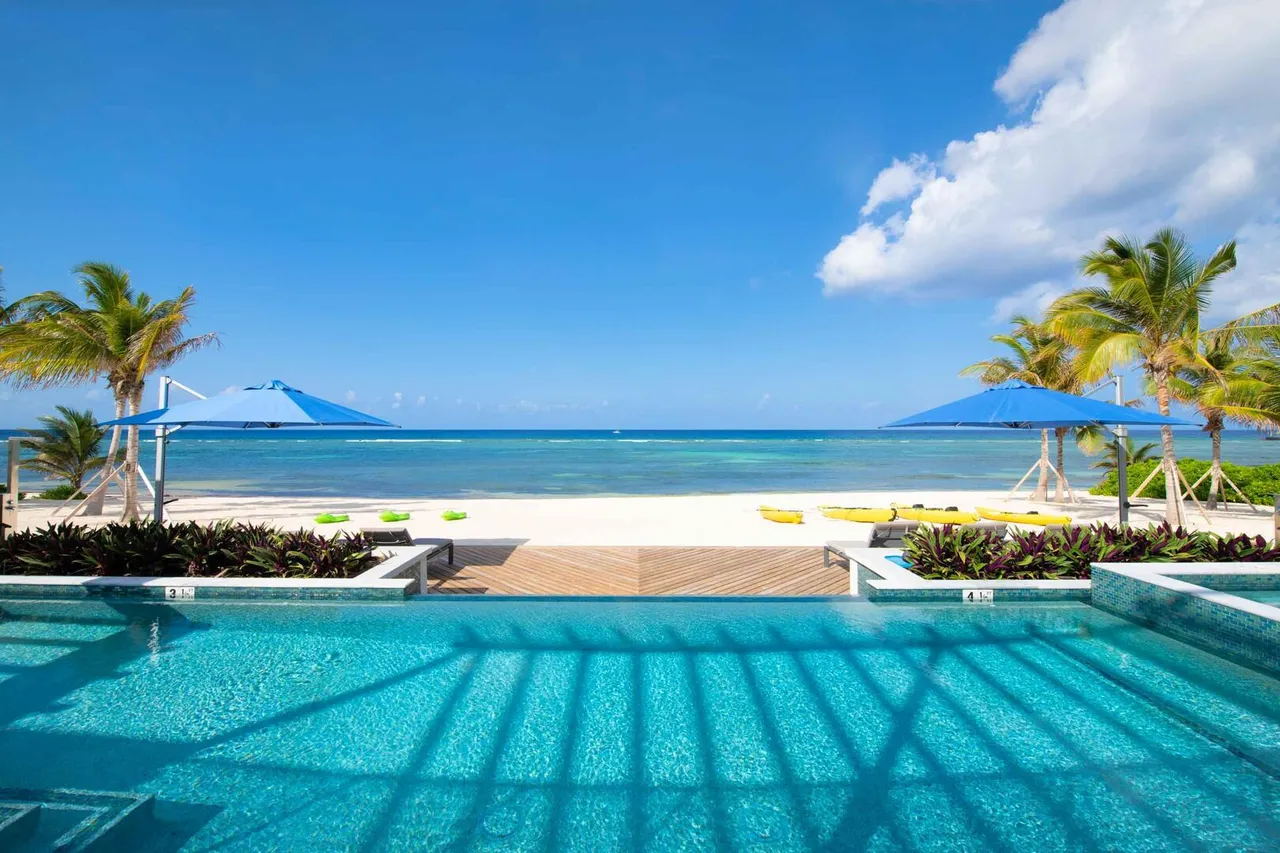 The villa collection
Rum Point, Cayman Islands
 The villa collection
Rum Point, Cayman Islands
 The villa collection
Rum Point, Cayman Islands
 The villa collection
Rum Point, Cayman Islands
 The villa collection
Rum Point, Cayman Islands
 The villa collection
Rum Point, Cayman Islands
THE VILLAS INTERNATIONAL DESTINATION GUIDE
The Cayman Islands offer three different island choices before you even begin comparing villas. Grand Cayman combines an extensive visitor infrastructure with distinct coastal neighborhoods; Cayman Brac invites a more nature-focused stay shaped by its bluff and diving; Little Cayman rewards travelers seeking a quieter rhythm around the sea and protected habitats. They are separate islands requiring deliberate transport arrangements, not districts to connect casually in a rental car. Within Grand Cayman, Seven Mile Beach, West Bay, Rum Point, Cayman Kai and East End also create different daily patterns. A successful holiday begins by identifying which of those patterns suits your group, then selecting a property whose access, layout and services support it. This guide brings those decisions together with specific places to eat, cultural visits and responsible ways to enjoy the marine setting.
Grand Cayman is the logical starting point for many first visits because it brings together beaches, dining, cultural attractions and a broad range of services. It can support a group whose members want different things from the same week, provided the villa’s location is chosen with care. The western visitor corridor and the quieter northern and eastern areas are not interchangeable. Decide whether you expect to go out frequently or spend much of the holiday at the house, and let that answer narrow the search.
Cayman Brac and Little Cayman are distinct alternatives, each with its own accommodation, transport and activity arrangements. A traveler interested in diving, birdlife or a smaller island routine may find one of them more compelling than a week centered on Grand Cayman’s restaurants. Neither should be added simply to increase the number of islands visited. An inter-island transfer involves packing, airport time and another arrival, so the new setting needs enough time to justify that effort.
The Cayman Islands villa collection should be explored with the whole archipelago in mind, while actual property availability and service arrangements are confirmed individually. A broad destination page does not imply that every style of villa or staffing package exists on every island. Describe your interests first and ask which currently available home can support them realistically.
North Sound is a defining feature of Grand Cayman’s geography. The water can make western and northern locations appear close on a map while the road between them follows a much longer route. This matters most when travelers select a villa near Rum Point but reserve dinner in the Seven Mile Beach area repeatedly. A single journey for a special occasion may be worthwhile; making it the routine of every evening can undermine the quieter holiday that attracted the group to the northern coast.
Build the plan around road journeys that you can actually use. Water transfers may be possible when a service or private arrangement is confirmed, but do not assume that a ferry operates at every convenient hour. At the October 6, 2026 check, Cayman Ferries’ published schedule displayed an October resumption notice without listed daily departures. Verify the operating date, route and return before making a booking depend on it. A restaurant’s association with a ferry does not establish that a crossing is available for your evening.
Choose a base that makes repeated activities easy, then treat the other side of the island as an outing. This simple distinction leaves more time for the villa and prevents the person organizing the trip from becoming a transport coordinator at every meal.
Seven Mile Beach is an obvious reference point when the group wants the beach to be part of daily life. Its western location also connects the stay with a concentration of restaurants and visitor services. A morning can begin with a shore visit and continue with lunch nearby, while other guests choose a different activity. This variety is useful for families and mixed groups, but it does not remove the need to inspect the individual address.
Ask whether the property is directly on a sandy stretch, across a road or simply described as within the wider Seven Mile Beach area. Clarify the route, any steps and the facilities available to guests. A regional label cannot tell you whether carrying beach equipment will be easy or whether an older relative can manage the approach comfortably. Also ask about nearby activity and the relationship between outdoor living spaces and public areas if privacy is central to the booking.
Select the home for the routine you intend to repeat: early walks, swims when conditions suit, an easy return for lunch and perhaps dinner out. If that routine sounds ideal, the western corridor may be worth prioritizing over a more spacious but less convenient house elsewhere. The most useful comparison is the day attached to each property, not just its bedroom count or most dramatic photograph.
West Bay gives a Grand Cayman stay another western-island base, with access to the Seven Mile Beach corridor and its own coastal settings. It should not be treated as a single continuous bathing beach. Some properties may appeal through their sea views, decks or proximity to diving rather than direct access to soft sand. Ask what lies immediately in front of the home and where guests ordinarily swim or enter the water. The answer should be specific to the address, not a general description of the district.
The area can work well when restaurant evenings are important but the group prefers not to stay in the busiest part of the beach corridor. Bàcaro on Yacht Drive provides one named dining option, with Venetian influences and local ingredients described by the restaurant. It is a useful example of why location matters: a nearby dinner can become an easy pleasure, while the same booking from North Side requires a more deliberate journey.
For an active party, coordinate the villa with the operator’s departure location before finalizing either. A daily dive plan is more comfortable when transport is simple. Guests who remain at the house should have an equally attractive day available, with shade, comfortable seating and a practical lunch arrangement. Choosing for the whole group makes West Bay more than a convenient address for one person’s activity.
George Town introduces the working capital and waterfront into a Grand Cayman holiday. Give the visit a purpose rather than arrive expecting every street to behave like a resort promenade. A museum, a guided walk or time focused on a particular aspect of island history can provide a useful anchor. Check the current opening arrangements of the places you intend to enter, and leave room for a meal or a pause rather than crowding the morning with several unrelated stops.
The National Gallery of the Cayman Islands offers another cultural route through collections, exhibitions and its outdoor setting. Its location on Esterley Tibbetts Highway is separate from the central waterfront, so plan transport instead of assuming that it belongs within a short harbor stroll. Look at the current exhibition program and choose a visit that suits the group’s interests. One attentive cultural experience can be more rewarding than a sequence of indoor stops taken only because the weather changed.
Return to the villa with something to notice differently: an artist’s use of local materials, a historical connection or a new perspective on the coast. Our Cayman Islands culture and marine itinerary suggests how to place these visits alongside outdoor experiences without turning every day into a long list of obligations.
Rum Point appeals to guests who want a stronger sense of retreat and a daily rhythm closely related to North Sound. It makes most sense when the group is happy to spend several days locally rather than travel back to the western corridor each evening. Plan the villa’s meals and provisioning accordingly. A comfortable kitchen, a shaded dining area and a few selected local outings can be more influential here than being near a long list of restaurants.
Ask which side of the property faces the water and what that frontage means in practice. An open-sea outlook, a sound-facing position and a sheltered inlet are different experiences. The area name alone does not establish swimming conditions, usable beach access or suitability for a boat. If the home advertises a dock, find out what uses are permitted and whether a proposed charter can actually collect guests there. A visible dock is not an automatic embarkation point for every vessel.
Kaibo offers a useful local dining reference, with distinct beach, upstairs and coffee experiences. Choose the format that fits the occasion and confirm current service. A villa week can include a special dinner there without making every meal an outing. The northern setting is most rewarding when guests enjoy the house as much as the experiences around it.
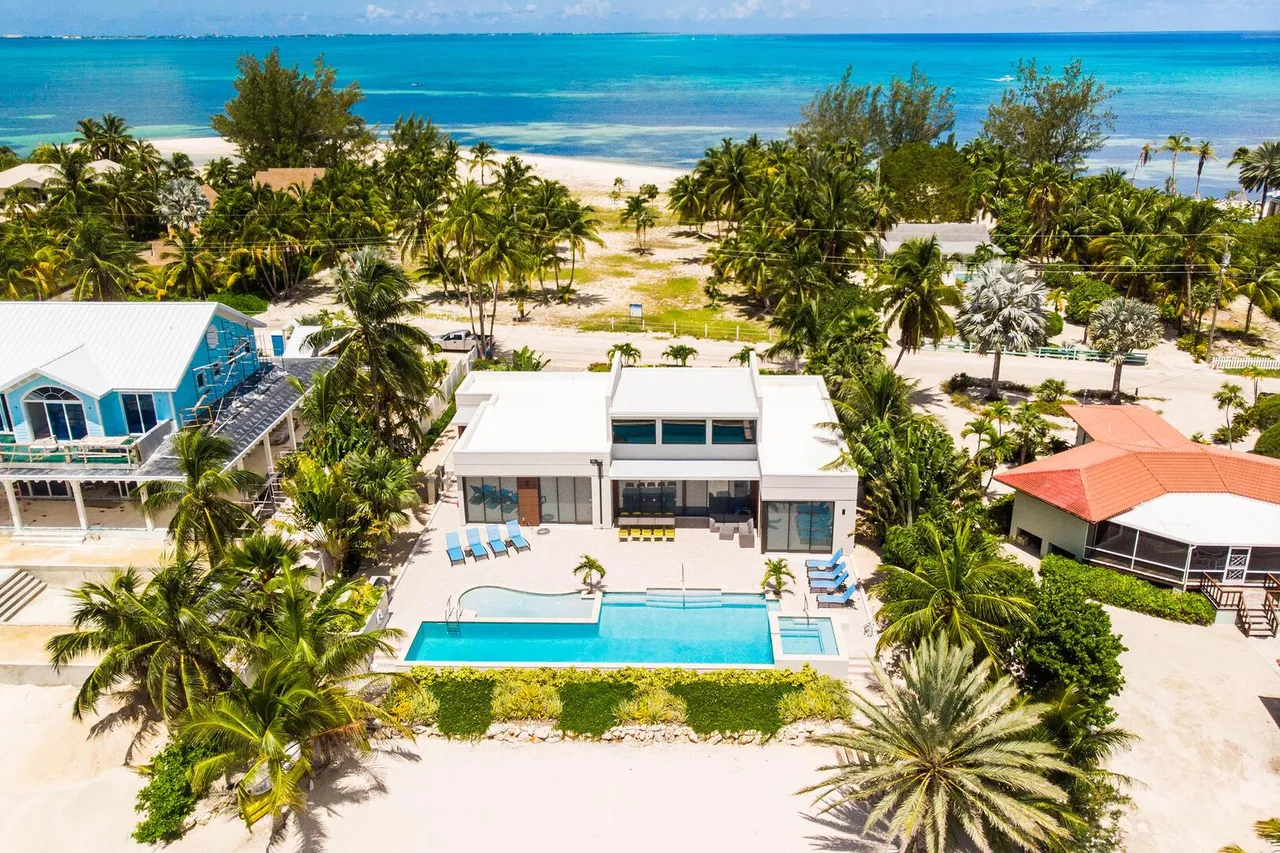
Cayman Kai belongs to the northern villa landscape, but homes within the area can differ substantially in orientation and access. Some guests prioritize a waterside terrace, others an easy beach routine, and others the possibility of spending time on North Sound. State which of those matters most. A beautiful aerial photograph may show water in several directions without explaining which frontage belongs to the property or how guests are permitted to use it.
For a multigenerational group, inspect the routes between bedrooms, pool and shoreline. Ask about steps, barriers, outdoor lighting and where children can play under supervision. An open layout can feel wonderfully relaxed for adults yet require more active management with younger guests. Cooling and shade also deserve attention because the house may be occupied throughout the day, not only between excursions. The villa should remain comfortable when a boat trip changes or some guests prefer to stay in.
Discuss grocery access and arrival stocking before travel. A modest initial order can settle the group quickly, while a later shop reflects the actual meal plan. If a chef is important, check availability for the address and dates rather than assume services offered near Seven Mile Beach operate identically everywhere. Clear arrangements preserve the quiet appeal that makes the area attractive.
East End is a deliberate choice for a stay that gives the house, the sea and selected activities more room. It is less convincing for a group whose principal wish is to walk between numerous western restaurants every evening. The appeal lies in a different pace and the opportunity to spend time away from the main visitor corridor. Consider whether that is the experience your group actually wants or merely the mood conveyed by an attractive property image.
For divers, the practical relationship with a local operator can be central. Discuss experience, certification, desired outings and departure points before selecting the final address. A villa that supports the dive routine can simplify the week, but non-divers should be included in the decision. Ask what they will enjoy nearby and whether the house has enough comfort and independence to make separate mornings appealing. Shared accommodation works best when nobody feels that their holiday is only a waiting room for someone else’s.
Keep western visits purposeful. A day around George Town or a special dinner can be worthwhile when planned with sufficient time, but repeated island crossings should not become the default. A good East End holiday establishes its own local pattern and lets longer journeys provide occasional contrast rather than constant interruption.
The route through Bodden Town connects different parts of Grand Cayman and creates opportunities to understand more than the resort-facing shore. Pedro St. James is a named historic site to consider for a visit with interpretation, architecture and gardens. Consult its current visitor information and choose a format that matches the group’s interest. A guide can help connect the place with Caymanian social and political history, giving the outing greater substance than a quick photograph of the building.
Plan the timing as part of the actual drive. A cultural stop should not be added at the last moment to an already full transfer day when everyone is hungry and luggage needs attention. Give it enough space to be enjoyed, then arrange an easy meal or a return to the villa. If the group includes children, a focused visit with questions can work better than expecting them to absorb every panel or room.
A villa along the southern side of Grand Cayman should also be evaluated on its own coastal character. A broad sea view may be the principal pleasure rather than the beach experience associated with Seven Mile Beach. Ask about access, immediate surroundings and indoor-outdoor comfort. The location can support a quieter stay when it is chosen for those qualities instead of presented as a substitute for another shore.
The Queen Elizabeth II Botanic Park on Frank Sound Road brings planting, woodland and natural history into the holiday. Its connection with blue iguana conservation makes it a useful counterpoint to marine experiences. Review the current visiting arrangements, including any specific tours or access associated with the conservation facility. Do not assume that every component operates on the same schedule or is included in a general visit. A little preparation helps the group spend its time looking rather than sorting out admissions.
Choose a comfortable pace and bring what you need for an outdoor walk. Different guests may want to linger over plants or prefer a shorter route. Agree on a meeting place rather than make everyone move at the same speed. The park can anchor a day away from the beach without requiring a full circuit of inland attractions afterward. A relaxed lunch and time at the villa may be enough to complete the outing.
The value of such a visit extends beyond a change of scenery. It encourages attention to the island’s land habitats and the work needed to sustain them. Back at a coastal home, the garden, shade and birdlife may become more noticeable. A Cayman holiday has more depth when the land is treated as part of the destination rather than simply the space between the airport and the sea.
Cayman Crystal Caves offers guided visits through a limestone setting and surrounding tropical landscape in North Side. It is a specific walking experience with operator guidance, not a general invitation to explore caves independently. Check the current tour format, footwear advice and suitability for anyone with mobility concerns. A group should understand the route before booking rather than infer accessibility from attractive interior photographs.
Allow the guide to set the pace and follow directions about where to walk and what may be touched. The interest lies in the formations and the processes that created them, so a few thoughtful questions can make the visit richer. For children, explain beforehand that the setting is a place to observe carefully. The outing should feel engaging, not like a test of how much activity can be packed between breakfast and lunch.
If combining the caves with another northern or inland stop, keep the second choice modest and geographically sensible. A long drive to a distant dinner afterward can erase the relaxed quality of the day. Travelers staying near Rum Point may find it particularly useful to explore this side of the island through separate focused outings, returning to the same familiar house instead of trying to see everything at once.
The Cayman Islands Department of Environment identifies Stingray City and the Sandbar as wildlife interaction zones in North Sound. They are related names with distinct locations and experiences, so ask the operator which visit is included and what it involves. Explain swimming confidence, children’s ages and whether anyone prefers to remain aboard. The group should be matched to an appropriate outing rather than persuaded that every famous excursion is suitable for every traveler.
Use an established operator that can explain current permissions and responsible conduct. Follow the Department of Environment’s guidance and the crew’s instructions, with observation taking priority over obtaining a particular photograph. Do not demand contact with animals or assume that a private charter changes the rules. Wildlife is part of a living environment, and a successful visit should be comfortable for both visitors and animals.
Keep the boat day flexible enough for conditions. The captain may recommend a different sequence or an alternative stop, and the return time should not be squeezed between unrelated reservations. A satisfying outing can include the passage across North Sound, time looking at the coast and a relaxed meal afterward. The experience is more enjoyable when the schedule leaves space for the water rather than treats it as another appointment.
Starfish Point is another place where responsible behavior is central to the visit. The Department of Environment provides guidance specifically about the sea stars found there. Leave them in the water and prioritize watching them without handling or disturbance. A photograph should never require lifting an animal into the air or moving it repeatedly for a better composition. Share that expectation with children before arriving, so the outing begins with curiosity and care rather than a correction after the fact.
A bioluminescence experience can offer another perspective on the northern marine setting when arranged through an appropriate operator. Ask about the format, launch point, conditions and whether the activity suits every participant. Visibility depends on natural factors and should not be promised as identical on every evening. Understand the conservation guidance and keep expectations connected to a real environment rather than an enhanced promotional image.
These experiences are best selected for genuine interest, not added automatically because they appear near Rum Point on a map. One thoughtful evening outing may be enough alongside a daytime boat trip. Leave other nights for dinner at the villa, conversation and rest. The water remains part of the holiday even when nobody has organized an activity around it.
Bàcaro on Yacht Drive in West Bay provides a specific option for travelers interested in Venetian-influenced cooking in a Cayman setting. Check its current menus and service days directly, particularly for a larger party. Describe dietary requirements and the preferred style of evening before reserving. A leisurely meal should fit the day’s geography rather than become a reason to race back from the opposite side of Grand Cayman.
Blue by Eric Ripert at The Ritz-Carlton, Grand Cayman is another distinct consideration for a special tasting-menu occasion. Timing matters: at the October 6, 2026 editorial check, the restaurant’s official website announced a temporary closure through November 2 with reopening planned for November 3. Confirm the current position for your travel dates before making it central to the itinerary. A restaurant with a strong reputation is still a specific operation with service periods and seasonal changes.
The Cayman Islands dining and villa-table article places these choices alongside northern dining and meals at home. Reserve a few evenings for contrast, then let the remainder stay flexible. The best restaurant plan enhances the villa holiday rather than repeatedly pulling the group away from the coast it chose.
Kaibo offers several ways to structure a northern meal, including the beach restaurant, Upstairs at Kaibo and a coffee stop. Those options create different expectations of pace and formality. A tasting-menu evening upstairs is a more deliberate occasion than a casual meal by the beach, so select the format before arranging the rest of the day. Ask about current service, seating and any large-party requirements. A familiar venue name is not enough to describe the booking.
Guests staying around Rum Point or Cayman Kai can use local dining to support a relaxed week without repeatedly crossing the island. Visitors based in the west should plan the actual transport, including the return, before confirming dinner. A water crossing can be attractive when operating and suitable, but the published schedule must support the chosen time. Keep a workable alternative rather than assuming that the journey will solve itself after the meal.
Leave room for the villa kitchen too. A northern stay gains much of its appeal from quiet hours at home, and an unhurried lunch can be as memorable as a restaurant occasion. If arranging a chef, confirm availability at the specific address and agree the menu, groceries and service responsibilities. The goal is a rhythm in which eating well does not require organizing a new expedition each evening.
Cayman Brac is a separate island choice, not an outlying Grand Cayman neighborhood. Its bluff and nature-oriented experiences distinguish it from a holiday centered on Seven Mile Beach. Choose it when the group wants that different landscape and is comfortable with a smaller island routine. A stay should have enough time for local exploration and rest, rather than function only as a quick transfer between flights and one activity.
The bluff deserves a guided or well-informed approach. Consult official visitor information, follow established routes and assess the terrain for the actual people traveling. A scenic outlook does not establish that every path is suitable for children or guests with mobility limitations. Bring appropriate footwear and keep the outing within the group’s comfort. The island’s character is easier to appreciate when the plan leaves time to stop and look instead of pushing toward a fixed number of viewpoints.
Ask how the proposed accommodation connects with groceries, dining and the activities you want. A villa with an excellent sea view may still need a clear transport plan. Service availability should be confirmed locally rather than copied from assumptions formed on Grand Cayman. Cayman Brac can be deeply rewarding when it is selected for its own pace and the home supports that choice.
The Brac Parrot Reserve, protected by the National Trust, provides a reason to look inland and think about habitat as well as coastline. A nature outing should be based on current access information and, where helpful, a knowledgeable local guide. Wildlife sightings are never guaranteed. The pleasure can lie in the setting, the sounds and the chance to learn how the island’s species depend on the landscape. Avoid turning the visit into a pursuit of one photograph.
Heritage visits can add another perspective through the island’s museum and local interpretation. Confirm opening arrangements before setting out, especially when the day depends on a small number of venues. A conversation with a guide can help connect the bluff, settlements and sea with the experience of living on the island. The subject deserves attention to contemporary life as well as older stories, since Cayman Brac is a community rather than a collection of scenic stops.
Balance these outings with time at the villa. A diving-focused group can still reserve a land day, while non-divers can build a satisfying stay around nature and a quiet domestic routine. The strongest plan gives each person a reason to be there, rather than assuming that the interests of the most active traveler will automatically suit everyone else.
If diving is the main reason for choosing Cayman Brac, speak with the operator early. Explain certification, recent experience, equipment needs and the kind of diving the group hopes to do. Let the operator determine suitable sites and conditions. A famous site should not become a demand that overrides the day’s assessment or the group’s abilities. The most useful accommodation choice may depend on the departure location and how equipment is handled between outings.
Ask practical questions about the daily schedule, meals and transport. A villa can offer privacy and shared space, but it may not provide the same arrangements as a dive package at an accommodation provider. Clarify what belongs to each booking so that transfers or equipment storage do not fall into a gap between them. Guests carrying their own gear should also check the airline’s current baggage rules for the inter-island journey.
Plan non-diving time with the same care. Confirm appropriate intervals between diving and flying with qualified professionals and the operator rather than compressing the final day to fit a flight. Keep the itinerary flexible enough for weather and a relaxed departure. A successful dive holiday is measured in enjoyable, suitable experiences and a comfortable overall stay, not the maximum number of entries squeezed into the calendar.
Little Cayman offers a different scale of holiday, appealing to travelers who value a quieter island routine and time focused on the sea and natural surroundings. It should be chosen because that simplicity is attractive, not because the name suggests a smaller version of Grand Cayman’s dining and service scene. Ask what is available for the dates and how the property supports ordinary needs such as meals, transport and provisioning. Clear expectations make the quieter pace a pleasure.
The island is especially associated with diving, including Bloody Bay Wall, but the whole group should have a reason to enjoy the stay. Non-divers may value birdwatching, reading, suitable coastal outings and the home itself. Establish what those days will look like before confirming an extended visit. A comfortable terrace, reliable meal arrangements and an appropriate local transport plan can matter more than an ambitious excursion list.
A Little Cayman extension should allow time to arrive and settle, not merely change aircraft and pack again. Keep the itinerary modest and verify inter-island connections directly. The Cayman Islands guide can frame the comparison, but individual availability determines the actual trip. Treat the island as its own destination and give its slower rhythm enough space to become part of the holiday.
Booby Pond Nature Reserve is a National Trust site on Little Cayman, associated with important bird habitat and conservation. It provides a land-based focus that complements a diving holiday. Consult the Trust’s visitor guidance and use appropriate viewing areas. Bring patience rather than an expectation that wildlife will appear on cue. The experience is about observing a protected environment, with the birds’ needs taking priority over a closer view.
For a family or mixed group, a focused visit can prompt useful questions about how small islands support distinctive habitats and why protected areas matter. Keep the discussion connected to what can actually be seen and heard. There is no need to turn the outing into a long lesson or a species-counting competition. Guests who want more detail can seek an informed local interpretation, while others may simply enjoy a quieter hour outdoors.
Respect boundaries and avoid disturbance. The reserve is not a backdrop for unrestricted wandering, and the most memorable sighting may happen when visitors remain still. Return to the villa with time to rest rather than attach several unrelated activities. Little Cayman’s appeal often lies in attention to fewer things, giving a bird reserve, a dive or a familiar stretch of coast enough time to be appreciated.
Grand Cayman, Cayman Brac and Little Cayman require separate transport arrangements. Check the actual flight schedule, booking conditions and connection guidance with the airline for your dates. Do not assume that an international arrival connects conveniently to every domestic service or that a short flight means little time is needed at the airport. Separate tickets, checked luggage and the last service of the day can all influence how comfortably the journey works.
Baggage deserves attention before packing, particularly for diving equipment or a longer villa stay. Cayman Airways publishes different information for inter-island aircraft and services; use the current policy for the exact itinerary rather than apply a remembered international allowance. Ask how special equipment is handled and what happens if luggage cannot travel as expected. Keep essentials with you within the permitted cabin allowance and avoid making the first evening depend on a particular checked item.
The return should be equally considered. Leave a sensible margin before an important onward departure and understand the options if weather affects a service. This is practical planning rather than a reason to avoid the Sister Islands. When the connections and luggage arrangements are clear, the move between islands can feel like the beginning of a distinct second chapter instead of an administrative interruption.
A waterfront description should lead to specific questions. Establish whether the frontage is sandy, rocky, canal-side or sound-facing, how guests reach the water and which activities are suitable there. Ask about current access, steps and any restrictions on using a dock or launching equipment. A sea view, a beach route and a convenient boat pickup are separate features. The best enquiry states which of them matters most instead of assuming that the word waterfront includes all three.
Inside the house, review bedroom positions, bathrooms and cooling in the rooms the group will use. A detached suite may suit adults seeking separation but not parents who want children close by. Outdoors, confirm shade, dining capacity, pool arrangements and the route from parking to the entrance. These details matter throughout the archipelago, especially when the home is expected to be the main setting for meals and afternoons.
Ask about staffing and chef services individually. Availability can differ between islands and addresses, and a premium rental does not automatically include every service associated with a resort. Request clear written inclusions and separate costs. A home selected with those details understood is more likely to provide the ease that makes a villa holiday appealing in the first place.
For a Grand Cayman week, start with the local coast and let the first full day establish a comfortable routine. Choose one cultural outing, one inland nature visit and a suitable marine experience according to the group’s interests. They need not all happen, and they should not be forced onto consecutive days. Place quiet villa time between longer outings, with a few restaurant reservations that fit the shore where you are staying.
For a longer trip with Cayman Brac or Little Cayman, reduce the Grand Cayman schedule rather than try to retain every outing and add another island on top. Each transfer uses holiday time and deserves a relaxed arrival at the next home. If the group is still comparing Caribbean destinations, the Bahamas guide, Barbados guide and Turks and Caicos guide offer separate settings to consider. Compare the desired experience, not just the number of islands on the map.
Before confirming, review the total quote, payment terms, cancellation conditions and service arrangements. Then protect some empty space in the plan. A Cayman Islands holiday can include remarkable water, thoughtful dining and distinctive natural places, but the villa’s familiar table and unhurried hours are likely to become just as important to the memory.
Include the practical arrival in the final brief: the exact island and airport, flight details, luggage needs and the person responsible for access to the house. A group arriving on different services should nominate one coordinator. That small decision helps the local team prepare consistently and allows everyone else to begin the holiday without managing a separate stream of messages.
No. They are separate islands requiring their own travel arrangements. Check current flights, connections, luggage rules and local transport before adding either to a Grand Cayman stay.
Seven Mile Beach and the western corridor provide convenient access to many dining options. Rum Point, Cayman Kai and East End can suit a quieter villa-centered rhythm, with longer western journeys planned deliberately.
No. The frontage may be sandy, rocky, canal-side or sound-facing. Ask about the exact route, water access and suitability for the activities you want, and follow current local conditions.
Only after confirming an operating service and suitable return for the actual date. Published schedules can change or show seasonal notices. Keep a workable transport plan rather than assume daily departures.
Consult the official references for current reservations, seasonal access and opening information.
Send your travel dates, group size, budget, and preferences using the form below. Your inquiry starts the selection process; it does not confirm a reservation.
Include the services you would like in your inquiry. Service availability, staffing, and costs must be confirmed for your selected villa.
Our villa collection is supported by VIC Network operations. Rates are indicative; live availability and final pricing require confirmation.
YOUR NEXT CHAPTER
Share a few details. Your ideal escape starts here.