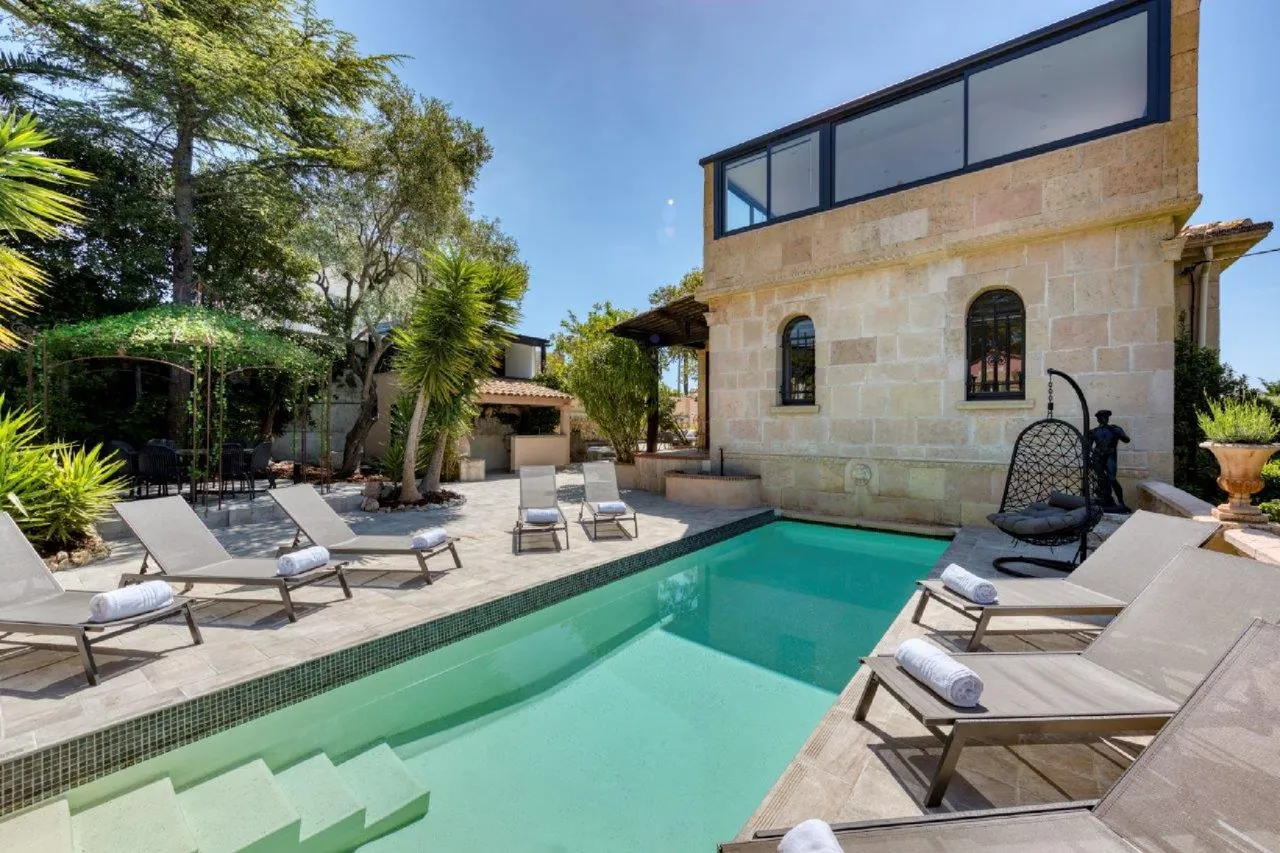
 The villa collection
Cannes, France
 Exceptional Villas. Extraordinary Stays.A Part of the VIC Network
France
Explore French Riviera and plan a villa stay around your preferred setting, travel dates, and group.
Explore villas in French Riviera Plan a stay in French RivieraThe villa collectionCannes, France
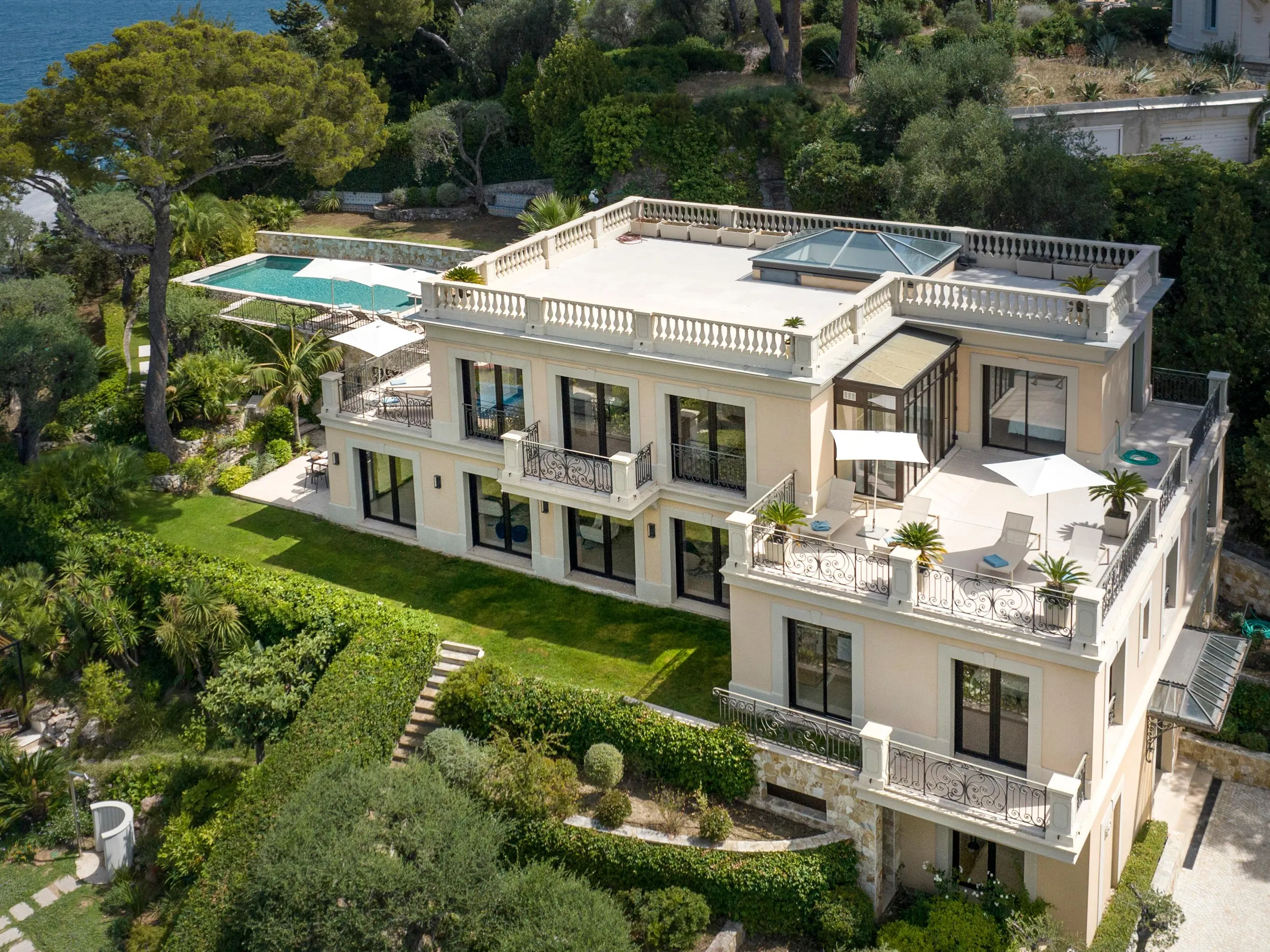
 The villa collection
Cannes, France
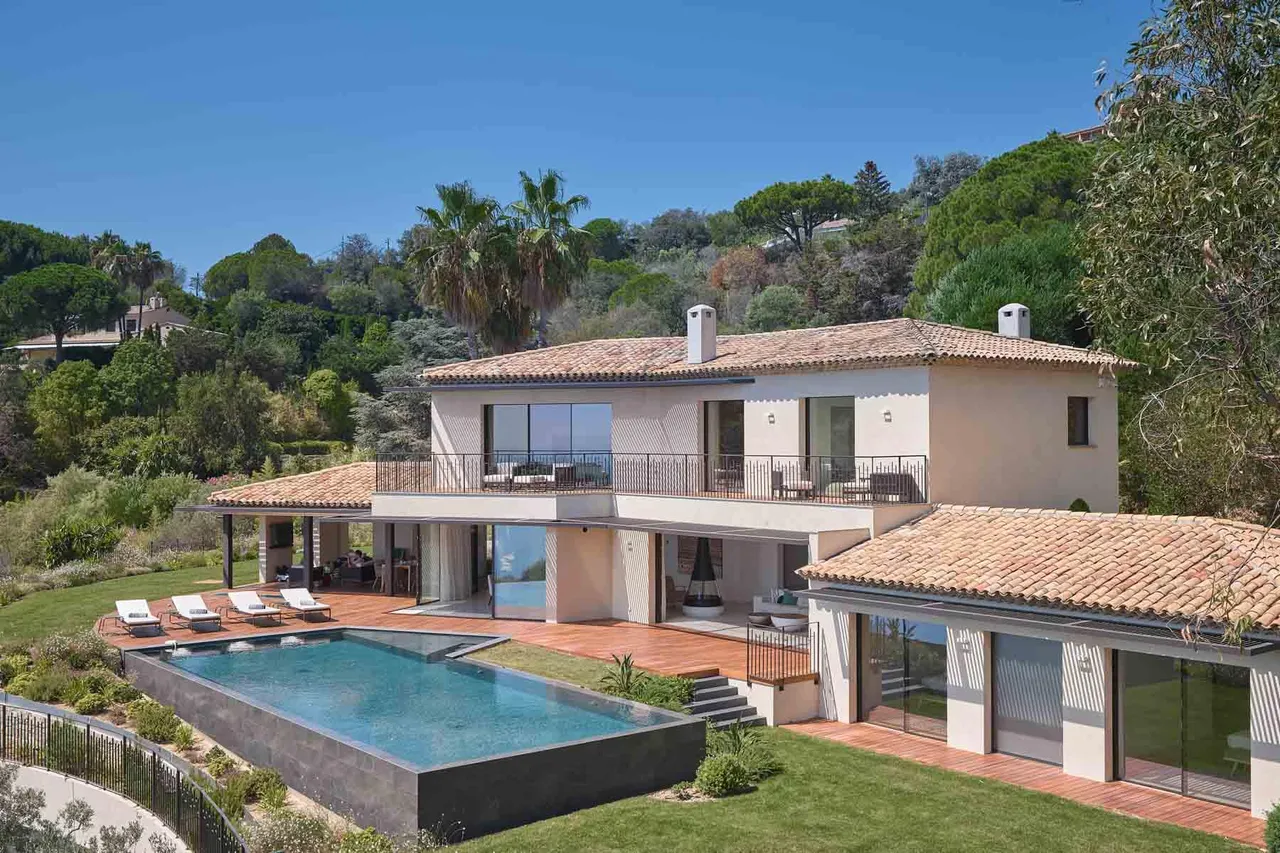
 The villa collection
Cannes, France
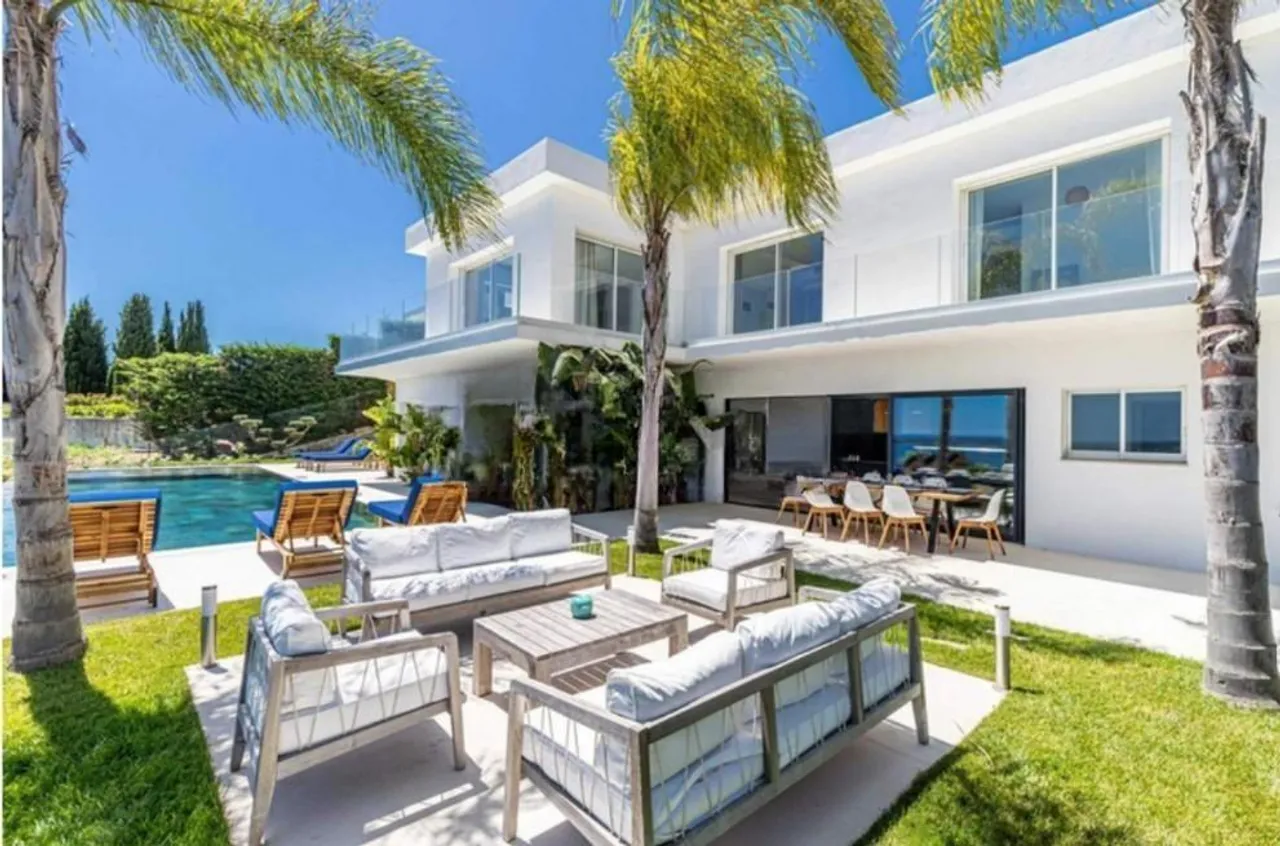
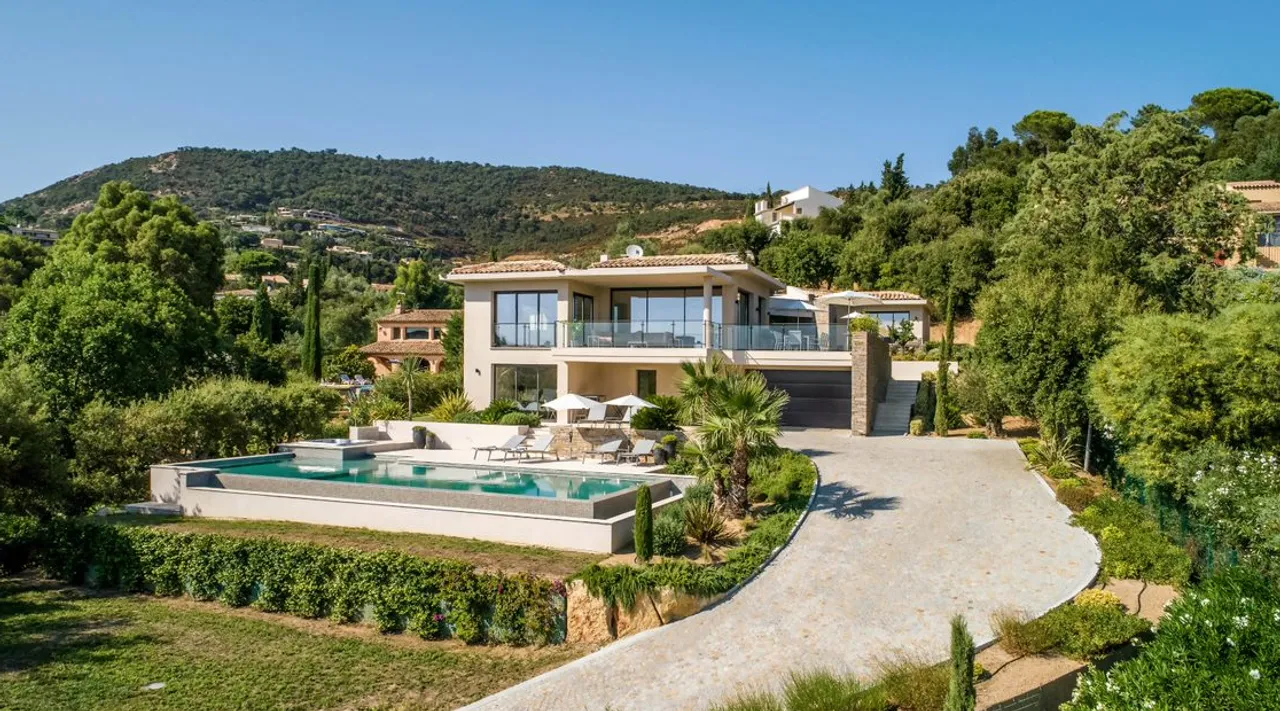 The villa collection
French Riviera, France
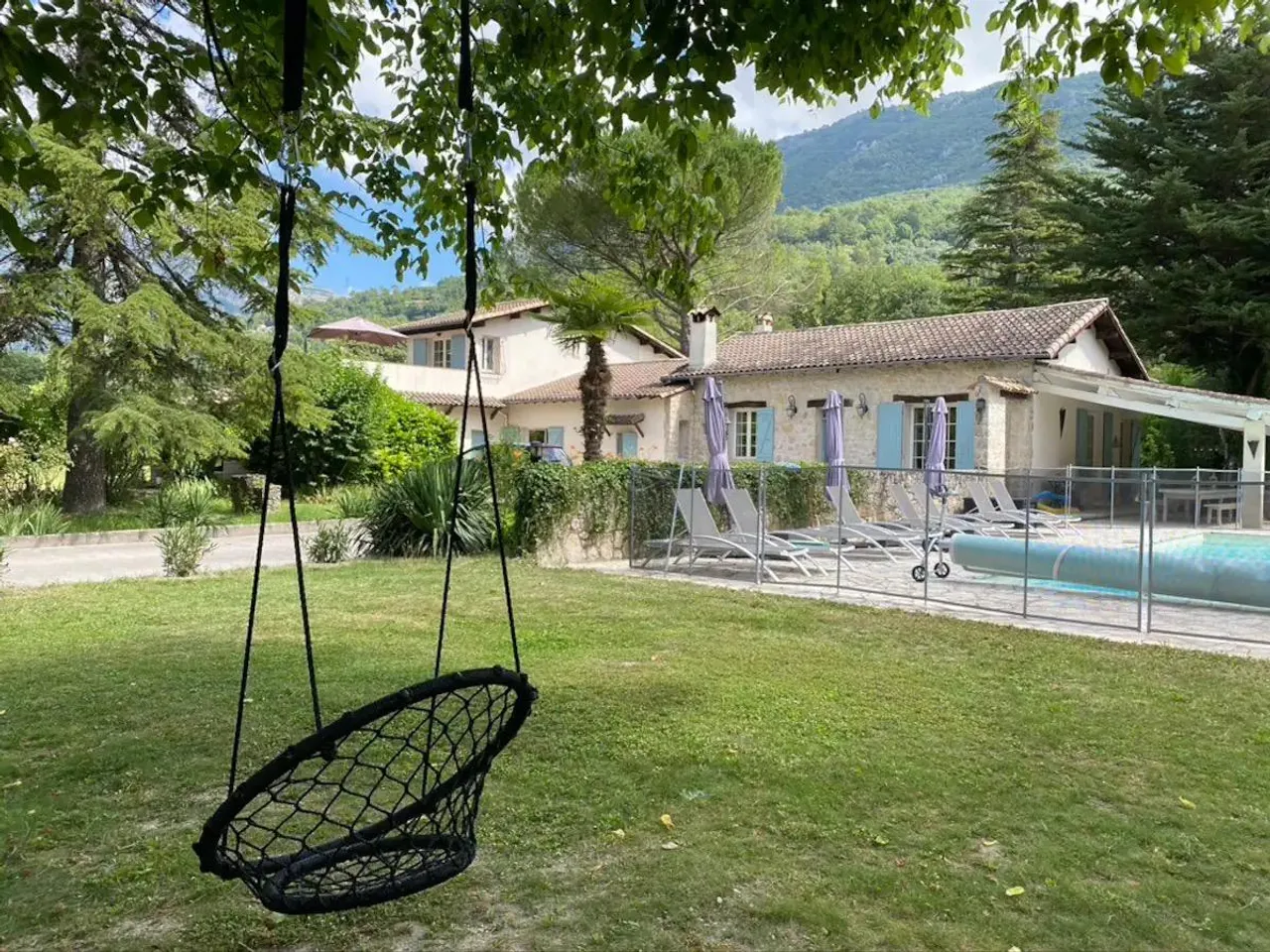 The villa collection
French Riviera, France
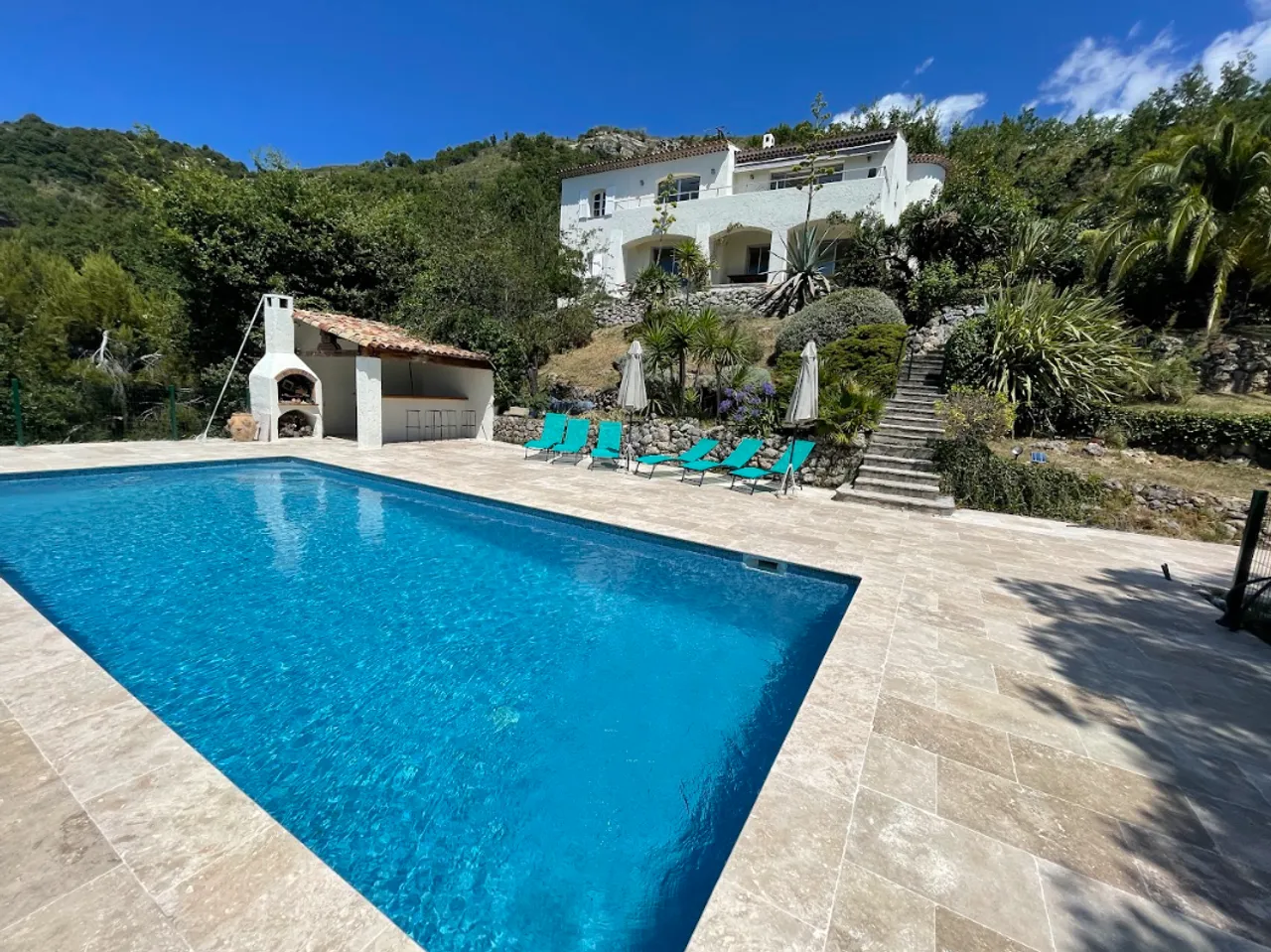 The villa collection
French Riviera, France
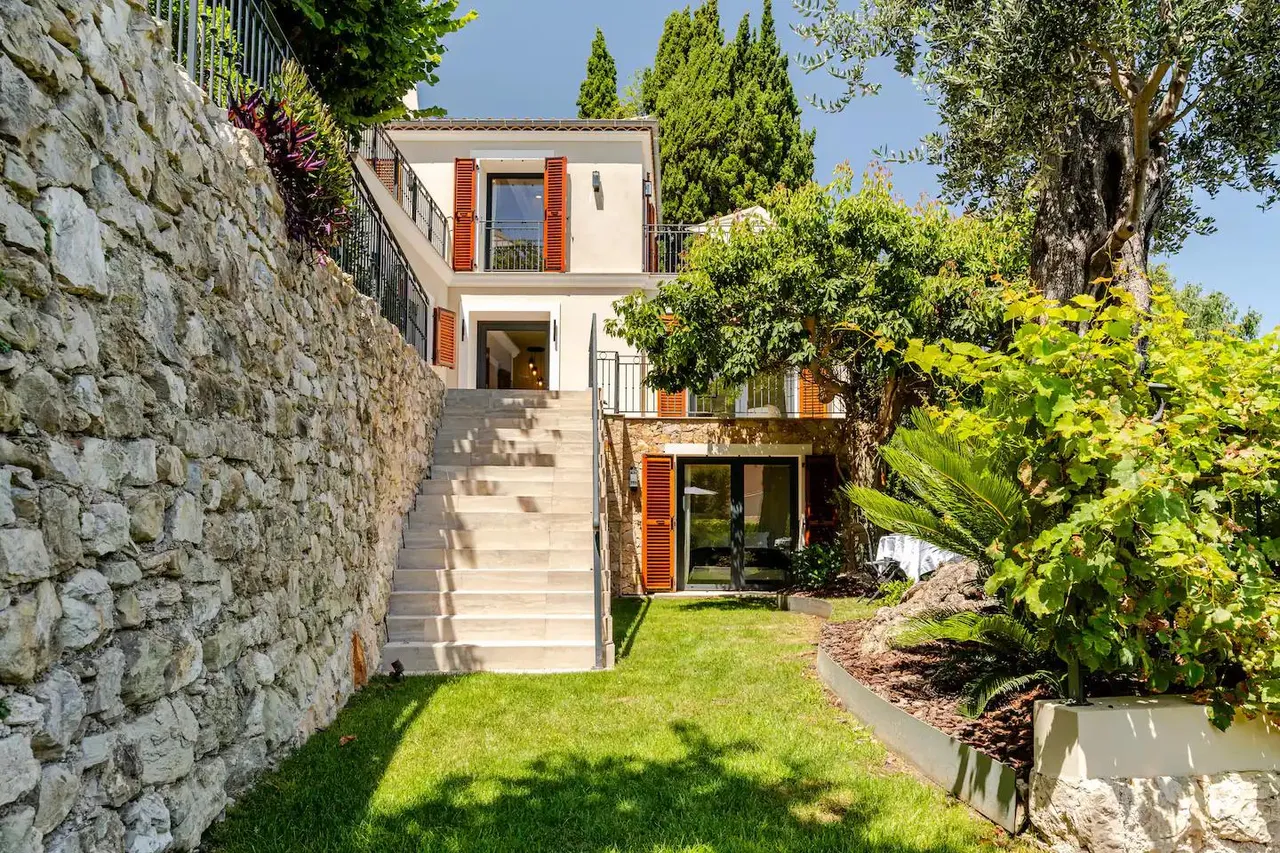 The villa collection
Saint Jean Cap Ferrat, France
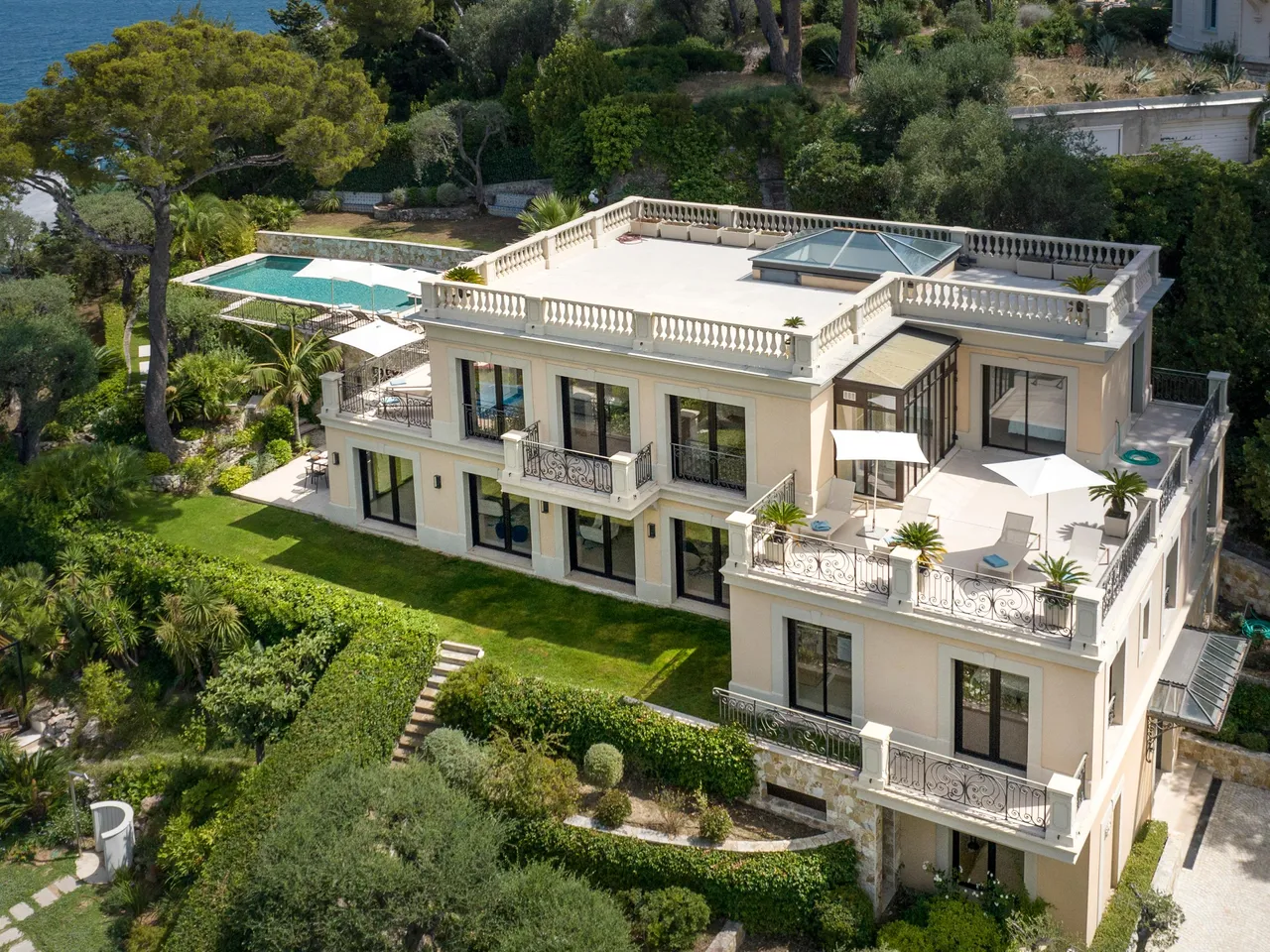 The villa collection
Saint Jean Cap Ferrat, France
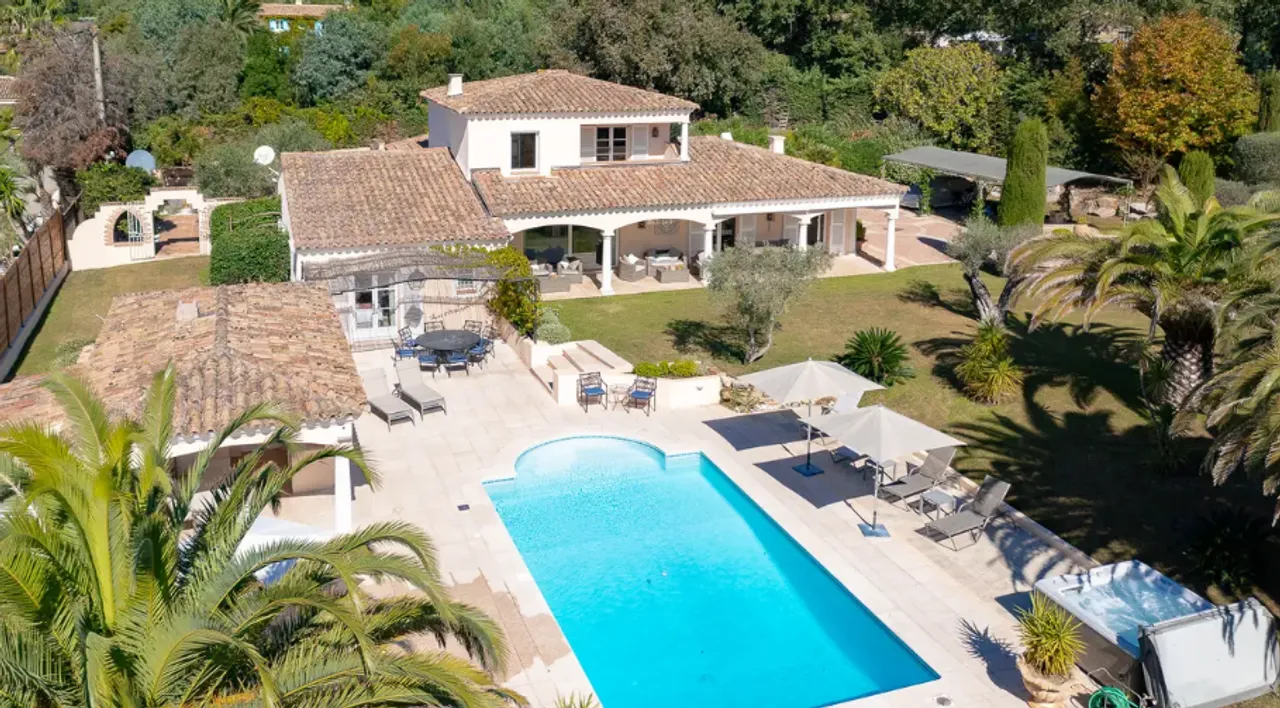 The villa collection
St. Tropez, France
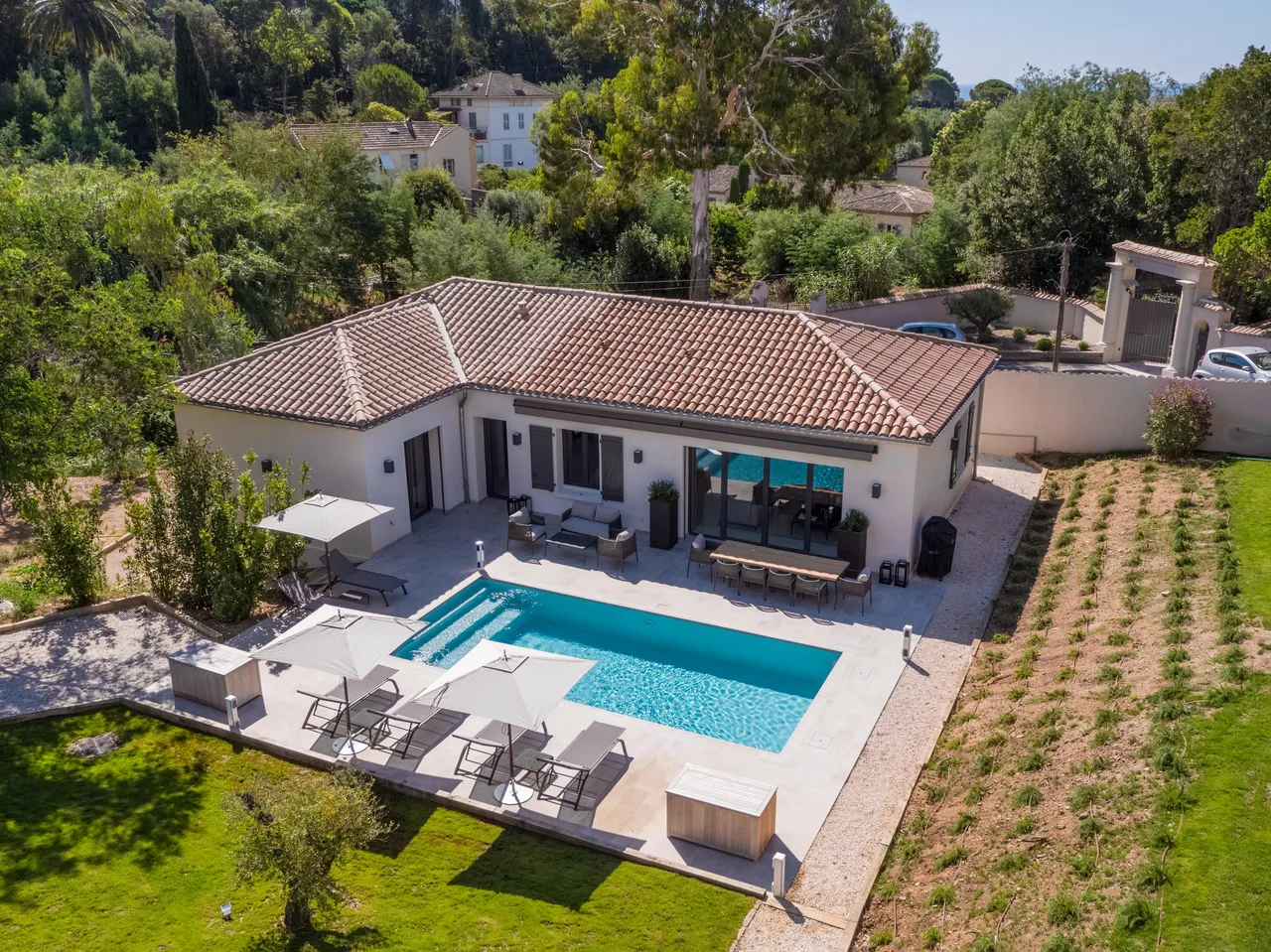 The villa collection
St. Tropez, France
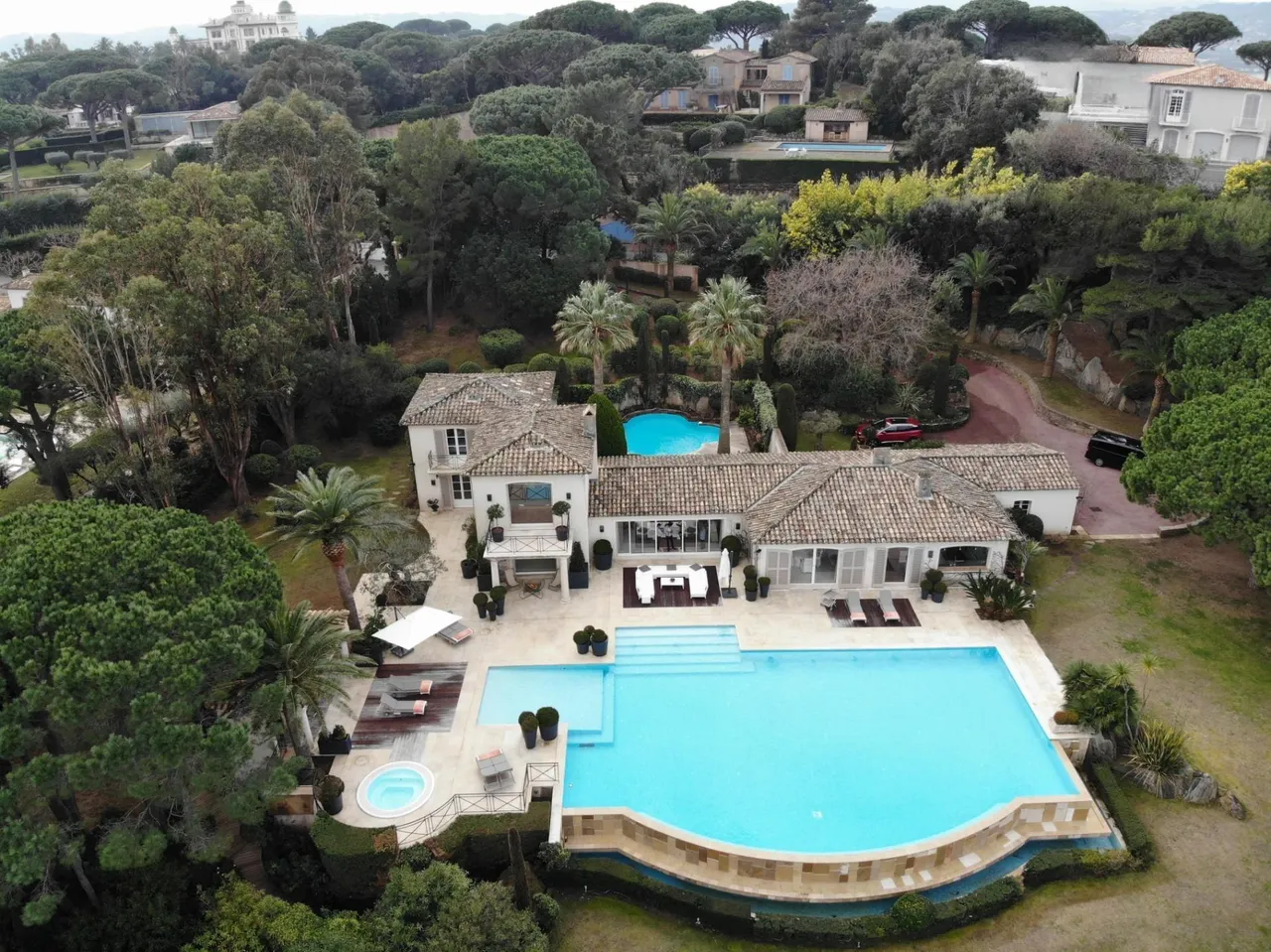 The villa collection
St. Tropez, France
THE VILLAS INTERNATIONAL DESTINATION GUIDE
The French Riviera is a collection of coastal towns, capes, and hill villages, so a villa address should reflect the holiday you actually want. Nice offers urban life and museums, the Cap Ferrat area emphasizes coastal scenery, and Antibes connects an old town with beaches and art. Inland villages introduce a quieter setting with more dependence on a car. A thoughtful stay alternates these worlds rather than trying to cross the entire coast each day. Morning markets, a museum, lunch by the sea, and an evening on your own terrace can be enough. The region's celebrated reputation should not obscure practical questions about parking, stairs, beach type, and traffic. Choose a home that makes your preferred outings simple, then use a few carefully chosen excursions to discover the Riviera's cultural range.
Nice is useful for travelers who want restaurants, museums, and everyday city services within reach. A villa in the hills above it can offer space and views, but that is a different experience from staying near the center. Villefranche-sur-Mer and Saint-Jean-Cap-Ferrat suit a more coast-focused itinerary, while Antibes offers a strong combination of old-town wandering, art, and access to nearby beaches. Cannes has its own rhythm, shaped partly by major events and seasonal demand.
Farther inland, places around Saint-Paul-de-Vence can provide a village-and-garden setting that pairs well with cultural excursions. Choose one cluster rather than assuming the whole Riviera is equally convenient from every address. The route to the nearest bakery, beach, and dinner reservation will matter more often than the possibility of a distant day trip. Ask about gradients and parking at the villa; a short map distance can hide a steep walk or a slow sequence of local roads.
The main coastal towns have rail connections, which can make some outings easier than driving and parking. A hillside villa still needs a practical way to reach the station, so compare the complete journey rather than the train segment alone. For capes and inland villages, a car or prearranged driver may be more useful. Nice airport is a common gateway, but your onward transfer should be planned around the actual address and arrival time.
Summer brings beach weather and a busy coastal atmosphere; spring and autumn often suit museum, garden, and walking itineraries. Individual attractions can close for exhibition changes, maintenance, or seasonal breaks even when the wider destination is lively. Major events may affect traffic and restaurant demand. Check the calendar for your chosen area, and avoid combining distant east-and-west outings in one day. A local morning followed by villa time is often the most satisfying answer to a crowded road forecast.
A sea view can come with a steep hillside approach, limited parking, or a house arranged over several levels. Request a floor plan and ask how people move between bedrooms, kitchen, pool, and outdoor dining. Confirm vehicle access and turning space if the group expects to use a larger rental car or transfer vehicle. Families should review pool protection and terrace edges, while anyone with limited mobility needs a precise account of steps and gradients.
Outdoor living deserves detailed questions. Is there shade at lunch, a comfortable dining area for the full group, and shelter when the wind rises? Ask which rooms have cooling and whether the pool is heated during your dates. Beach access is another separate issue: pebbles, sand, public stretches, and private clubs create different daily routines. If staff or a cook are important, establish the service and shopping costs clearly. A well-located, workable house can be more luxurious in practice than a larger but inconvenient one.
The Riviera's cultural life is not confined to its glamorous image. Museums, gardens, and foundations reflect the artists and collectors drawn to the region, while markets and neighborhood restaurants reveal the everyday setting around them. Plan one substantial cultural stop at a time so there is room to absorb it. A visit to Fondation Maeght pairs naturally with Saint-Paul-de-Vence, while an Antibes day can focus on Picasso and the old town.
For food, look beyond a generic Mediterranean menu toward the regional preparations and seasonal produce available where you are staying. A market visit can inspire a simple villa lunch, provided you confirm the market's current operating day. Le Plongeoir offers a striking seaside restaurant setting in Nice, and La Rotonde at Le Negresco creates a different occasion. A drink at Le 1913 can complete an urban evening. Reserve important meals and allow transport to support the outing rather than dominate it.
Choose the eastern Riviera when your ideal week mixes a real city with small coastal outings. Nice can supply the urban day, Villefranche a waterfront lunch, Cap-Ferrat a garden visit and Menton a more deliberate excursion. These names describe different settings rather than interchangeable versions of the same resort. Before reserving a property, mark the places you expect to visit twice. A guest who wants daily shopping in Nice will use a house differently from someone whose first priority is a morning on the peninsula.
Villefranche-sur-Mer rewards attention to the distinction between a waterfront position and a hillside address. Ask where a driver can stop with luggage, whether the entrance is on the advertised street and how the return walk feels after dinner. A view over the bay is an attractive feature, but the route home is part of the experience too. For a multigenerational group, a reliable pickup point may matter more than the most dramatic panorama. The right choice lets people enjoy the town without making every outing a group transport decision.
Beaulieu-sur-Mer can enter the itinerary as a separate local stop rather than a name passed between larger attractions. Give the group time for a simple seafront pause or a meal before adding another visit. A sequence of coastal towns works best when one has a specific purpose: a booked lunch, a garden, a walk or food shopping. Arriving everywhere with no plan can become tiring, while scheduling each minute removes the very ease that makes a villa holiday attractive.
For an eastern base, reserve the most important dining occasion first and place the remaining outings around it. Menton should have enough time of its own if a meal at Mirazur is central to the trip. A late return from the eastern edge followed by an early western departure leaves little room to enjoy the house. Our French Riviera dining itinerary develops a more practical way to combine restaurant ambitions with the coastline’s geography.
The central coast suits a holiday with repeated town visits, a planned island day and time around the villa. Antibes offers a particularly legible combination of old streets, waterfront and cultural stops. Cannes adds a broader promenade, shopping and a different social energy. A house described as convenient for both still needs careful checking: ask for its relationship to the nearest useful town center, rather than accepting a general statement that everything is close. The daily trip for bread is a better test than a list of regional attractions.
In Antibes, decide how often you want to use the old town. If it will be the place for morning coffee, occasional shopping and dinner, access becomes a major part of the property brief. A home farther around the cap may suit privacy and outdoor living, but it should not be treated as an old-town address. Keep a pair of sensible walking shoes alongside beachwear, and identify one meeting place that everyone can find independently. This gives different generations the freedom to spend a morning in different ways.
Cannes deserves the same precision. The Croisette, Le Suquet and residential hills create different daily experiences. For a group attending an event, a practical pickup point and a clear route home deserve attention before selecting extra bedrooms or a larger pool. For an ordinary holiday week, consider whether the center’s activity is part of the attraction or something you prefer to visit selectively. Event dates should be checked directly before paying for arrangements whose value depends on quiet streets or effortless restaurant availability.
A central-coast week can alternate town and water without becoming repetitive. Use one day for Antibes, another for Cannes and a separate day for the Lérins Islands. Leave time between these outings for the property itself. The Riviera art and island route offers pairings that avoid treating every famous place as a compulsory stop. Guests who find they prefer the inland rhythm can also compare the Provence guide before committing to a coastal address.
Saint-Tropez has a powerful identity, but it should not be added casually to a Nice-based schedule. Think of it as a possible base in its own right. Its peninsula setting, harbor life and nearby beach areas invite a different pattern from the eastern coast. If the primary wish is repeated beach lunches, village evenings and time around the Gulf, select a home that serves those outings. The St. Tropez collection is the appropriate starting point for that version of the trip.
Distinguish the town from nearby Ramatuelle and the wider peninsula when discussing a property. A listing’s broad destination label may be useful for discovery, but an exact address is necessary for planning. Ask where the nearest ordinary shops are, where a driver waits and how a beach day works from the house. A private villa can provide welcome separation from busy public places, provided the travel between them matches the group’s patience and priorities. Do not build the week around optimistic journey estimates.
A longer holiday can divide between the eastern Riviera and the Saint-Tropez area. Treat the move as a transfer day with time for packing, checkout, lunch and the next arrival. Avoid placing a paid experience in the narrow gap between two accommodation commitments. Dividing a stay creates two local routines, each of which can feel more settled than a single base used for long excursions. It makes particular sense when the group’s desired restaurants and activities are clearly concentrated at opposite ends of the coast.
For a short stay, choose the stronger preference and let the other area remain a future journey. The Riviera has enough depth to reward returning. The useful question is which place you want to recognize by the end of the week: the harbor where you took evening walks, the market that supplied lunch or the beach where the staff learned your preferences. Those repeated encounters often create a more individual holiday than a route assembled solely from famous names.
Villa Ephrussi de Rothschild gives a Cap-Ferrat day a clear cultural focus. The historic house and themed gardens can be enjoyed as a sequence, with time to move between different planting and perspectives. Plan the visit around your interest in interiors, landscape or both, and check the official visitor information for the chosen date. A timed commitment elsewhere can make the gardens feel like a corridor to pass through. Give this stop enough freedom to become the main event of the morning.
Think about comfort before extending the day along the coast. Carry water, choose footwear for garden paths and allow members of the group to shorten their visit without losing the shared plan. A meeting point and a lunch reservation are more useful than insisting that everyone examines each room together. Children can look for differences between garden spaces; adults may prefer to linger with a particular view. The house works well for mixed interests when the itinerary allows different speeds.
Afterward, stay locally. Choose a meal around the peninsula or a nearby coastal town rather than immediately crossing the Riviera for another major attraction. A modest afternoon walk can be enough, subject to current path conditions. The alternative is to return to the villa and use the garden visit as inspiration for a quiet afternoon outdoors. A holiday needs some hours that belong to the guests, without tickets, a guide or a fixed departure time.
This outing can also clarify what you want from a rental home. Notice where outdoor spaces offer shade, where views open and where seating feels sheltered. A villa’s appeal is often the relationship between its rooms and garden rather than the size of either alone. Ask for photographs of the terrace at different times of day, details of outdoor dining and information about the steps between living areas and the pool. These questions translate the dream of Riviera living into an address that works.
Choose art visits according to the attention they deserve. The Musée National Marc Chagall in Nice, the Musée Picasso in Antibes and Fondation Maeght near Saint-Paul-de-Vence should not become boxes on a single frantic itinerary. Each belongs naturally to a different day. The strongest plan usually gives one institution the morning and uses the surrounding town for lunch or a walk. This approach also makes it easier for guests with less interest in museums to participate in the shared outing.
Check operational notices before traveling, including closures for exhibition changes. As checked on October 6, 2026, the Chagall museum’s official website displayed partial room closures and a temporary midday break. Those notices illustrate why a generic list of opening hours is inadequate. Review the museum’s own information for your actual date, then decide which visit fits. A booking or pass should be judged by what the group can reasonably enjoy, not by how many attractions it appears to include.
Fondation Maeght offers an opportunity to connect a cultural visit with time in Saint-Paul-de-Vence. Allow a real interval between the two. Lunch can provide that pause, or the village can be left for the late afternoon after a return to the house. If the group includes serious art enthusiasts, ask about available interpretation and current displays before choosing a guide. A knowledgeable discussion can be more rewarding than adding another museum simply to make the day appear fuller.
The broader region is particularly suitable for trips organized around art because cultural outings can coexist with comfortable villa days. For a longer European journey, compare the different landscape and cultural focus of Tuscany rather than assuming every art-centered holiday needs the same itinerary. On the Riviera itself, the aim is to give each chosen place enough time to be remembered. A return visit to one favorite town can reveal more than another hurried arrival somewhere new.
Food shopping is one of the reasons to choose a house with a useful kitchen. In Nice, Cours Saleya provides a natural starting point for an old-town morning; in Antibes, the market area belongs to the everyday appeal of the center. Check the market’s current schedule before planning the day around it. Bring a bag that will carry the purchases comfortably and avoid buying delicate food at the beginning of a long sightseeing circuit. The villa refrigerator should be the next sensible destination.
Give market shopping a purpose. A lunch of bread, vegetables, cheese and fruit can feel more connected to the place than an ambitious menu requiring several additional shops. Ask a chef, if separately arranged, what would genuinely be useful before buying ingredients for a staffed dinner. Some cooks prefer to source the entire meal, while others may welcome a particular purchase. Clarifying that arrangement avoids turning a pleasant morning into duplication, wasted food or an awkward discussion over a kitchen counter.
Local cooking deserves attention alongside celebrated dining rooms. Nice’s Cuisine Nissarde program offers an official reference for regional establishments. Socca and pissaladière can introduce the area through an informal meal that does not require an elaborate evening. Let each food experience have its own role: a market for ingredients, a casual lunch for local dishes, a restaurant for an occasion and the villa table for conversation. This variation keeps a week from becoming a procession of equally demanding reservations.
The kitchen brief should be specific if cooking matters. Ask about the equipment actually available, food storage, coffee preparation, indoor and outdoor tables and arrangements for cleaning after a chef visit. A handsome kitchen photograph does not show whether there are enough place settings for the whole group or adequate preparation space for the proposed menu. Confirm these practical details early, then let the meals feel effortless once everyone arrives. Good preparation is most successful when guests barely notice it.
A Riviera dining itinerary should follow geography as carefully as appetite. Mirazur is in Menton, Le Plongeoir is in Nice and La Chèvre d’Or is in Èze village. These are different outings, each with its own journey and atmosphere. Select the occasion first: a substantial tasting experience, a meal above the water or dinner in an elevated village setting. Then reserve the relevant venue and confirm its current service arrangements. An establishment’s reputation does not guarantee the availability of a particular table or date.
Discuss dietary requirements when booking, rather than presenting them as a surprise at the table. For a celebratory meal, clarify the proposed timing, cancellation terms, children’s arrangements and the practical meaning of any dress guidance. Arrange the return journey at the same time. A driver should know the exact restaurant entrance and an agreed way to coordinate departure. Leaving that detail until the end of a long dinner can turn an otherwise polished evening into a search for transport.
Seasonal details can differ within the same venue. As checked on October 6, 2026, Le Plongeoir’s official site said its Le Vivier lounge bar was closed for the season with a planned return in May 2027. That should not be mistaken for a statement about every dining area at the property. Review the specific restaurant or bar you intend to visit. For future stays, recheck directly rather than relying on a social photograph or a previous year’s opening pattern.
Do not stack a substantial lunch and an equally demanding dinner simply because both reservations are available. The best restaurant experience requires appetite, time and a group in the right mood. A modest breakfast, a calm morning and a comfortable journey can be better preparation than an ambitious sightseeing schedule. The following day can return to a market lunch or cooking at home. Luxury is partly the freedom to vary the level of formality rather than maintain it continuously.
The islands off Cannes offer a distinct change from the mainland’s roads and shopping streets. Begin by choosing the island and the kind of outing you want. Saint-Honorat’s abbey setting asks for a respectful, measured visit; a day centered on Sainte-Marguerite has a different character. Read the relevant visitor information and current boat arrangements before deciding. An island should not be treated as a vague addition to an already full Cannes afternoon, especially when a return sailing determines the day’s shape.
Pack for the actual experience. Suitable shoes, sun protection, drinking water and a clear understanding of meal options will make the outing easier. Confirm whether you intend to eat ashore, take a picnic where permitted or return to Cannes for lunch. A family should agree on a meeting point and keep the return plan visible to everyone. If the group separates for a short walk, each person needs enough information to rejoin without relying on one phone.
A private boat changes the logistics but does not remove the need for planning. Confirm embarkation, passenger capacity, weather arrangements, any shore transfer and what is included in the quoted price. The skipper should determine an appropriate route for the conditions. A meal reservation ashore needs to fit the vessel’s arrangements rather than assume that every attractive stretch of coast has an easy landing. Ask how the day would change if the preferred swimming location is unsuitable.
Leave the evening flexible after an island excursion. A shower, a simple meal at the villa and a quiet terrace may be exactly what the group wants. If the sea day is the centerpiece of the holiday, place it early enough in the stay that a weather change leaves another possible date. Do not assume a replacement is guaranteed; discuss the operator’s terms. The aim is a pleasurable day on the water with a realistic alternative, not an itinerary that collapses when conditions shift.
For an eastern week, make arrival day deliberately local. Arrange groceries or a first meal if available, understand the house and leave room for travel fatigue. On the first full morning, explore the nearest town and identify the shops and pickup point you will use again. A Nice day can follow, with one cultural stop and an old-town meal. Cap-Ferrat and Villa Ephrussi deserve a separate outing, while Menton can become the week’s longer excursion if the group is enthusiastic about the journey.
Keep at least one full day free of outside commitments. This is particularly valuable after a late restaurant evening or when younger guests need time around the pool. Another day can hold a short coastal outing or a second visit to a favorite neighborhood. The final evening should be convenient to the villa so packing does not compete with a lengthy return trip. Guests often appreciate recognizing a place on a second visit more than they expect when planning from home.
For a central base, replace those eastern excursions with Antibes, Cannes and an island day. An inland art outing can add contrast, provided it remains a single coherent journey. Avoid bolting Menton and Saint-Tropez onto this schedule merely because they fit within the broad Riviera label. A villa week has a different rhythm from a touring itinerary. The property needs time to become part of the experience, otherwise the group has rented a beautiful place mainly to sleep between drives.
If the holiday is shorter, reduce the number of outings before reducing time at each one. Three nights might support arrival, one substantial local day and a gentle departure morning. A week can hold several different experiences without demanding activity every day. A longer stay allows repetition, a weather buffer and perhaps a carefully planned change of base. Start with the guests’ actual pace and build outward from it. The itinerary should support the holiday, not become a test everyone must complete.
Bedroom count is only the first part of a group brief. Ask which rooms have equivalent privacy, whether any are reached through another room and how bathrooms are allocated. Older relatives may prefer a bedroom close to shared living spaces, while parents may want children nearby at night. A separate guest suite can be useful for adults seeking independence but unsuitable for a small child. Floor plans and clear written answers are more informative than a gallery arranged to emphasize the most photogenic room.
Outdoor space should be assessed at the hours you expect to use it. A west-facing terrace may be attractive in the evening but require a different shaded area for lunch. Ask where everyone can sit together, whether loungers match the occupancy and how the pool relates to the house. Confirm pool protection and access arrangements directly for families. For a gathering of friends, establish the property’s rules on visitors, music and events before imagining a celebration that the home may not permit.
Staffing needs the same precision. Housekeeping, a chef, shopping and transport are separate services unless the written offer says otherwise. Clarify schedules, costs and what happens on staff days off. A group that wants breakfast at different times should say so before agreeing to a service plan. The most effective arrangements respond to how the guests actually live, rather than a generic idea of what a luxury holiday ought to include. Keep the brief concrete and the daily routine can remain relaxed.
Finally, describe the nonnegotiable details before the preferences. An accessible entrance, a protected pool, reliable cooling in every occupied bedroom or a particular bed arrangement can determine whether a home is suitable. A sea view, decorative style or an additional entertaining space may be desirable but secondary. Use the French Riviera villa selection with this hierarchy in mind. A precise brief makes it easier to recognize the property that will serve the whole group well.
Departure planning belongs in the original itinerary because flight times and checkout times do not always align. Ask whether luggage storage or an alternative arrangement is possible before assuming the villa remains available through the afternoon. A final museum visit or long lunch can work only if bags, transport and timing have been addressed. Keep the last morning close to home when there is any uncertainty. A calm departure preserves the feeling of the holiday better than a rushed final attraction.
During the stay, collect the practical information everyone will need: the villa’s address, the local contact, the agreed transport arrangements and the location of essential belongings. Share it in a form that does not depend on the organizer being awake or online. Returning keys, checking rooms and accounting for passports are easier when the group has a simple plan. These small details are especially useful for families leaving on different flights or friends continuing to another destination.
For guests extending the journey, compare the pace of the next stop rather than only the transport connection. Lake Como introduces a different relationship with water and villages, while Provence moves the emphasis inland. A transfer between regions should have enough space for delays and a relaxed arrival. Resist booking an important dinner immediately after a travel day whose timing you cannot fully control. The first meal in the next place can be simple and still memorable.
The French Riviera works best when the address, local routine and chosen outings reinforce each other. A useful base lets you move easily between private time and public life, between the villa terrace and a town you gradually know. Decide which section of coast calls to the group, reserve a handful of meaningful experiences and leave room for ordinary pleasures. The final measure of the trip is not how much coastline you covered, but how comfortably you were able to inhabit your chosen part of it.
Choose a beach according to the day you want, then check how it relates to the villa. A public stretch for an early swim, a club with reserved loungers and a sheltered place for a family afternoon serve different purposes. A property described as near the sea may face rocks or sit above a road rather than provide a straightforward route to a swimming beach. Ask for the named beach, the walking route and the practical approach to the water. Distance alone does not answer these questions.
Pebbles and sand also change what people carry and how long they want to stay. Suitable footwear, a bag for wet items and a simple plan for shade can make a spontaneous visit much more comfortable. Families should check current local conditions and supervision arrangements rather than infer suitability from a photograph. A calm-looking sea in a listing is a moment in time. Choose the swimming plan on the day, and let conditions take precedence over the itinerary if they change.
A beach club booking should specify what has actually been reserved. Lunch, loungers and a particular seating area may have separate arrangements. Ask about deposits, cancellation conditions, children’s access and what is included before committing the whole group. For guests with limited mobility, discuss the route from the arrival point to the table and shoreline, including surfaces and steps. The successful day is the one everyone can enjoy comfortably, whether its setting is simple or elaborate.
Do not underestimate the pleasure of returning to the same beach. Familiar access, a known pickup point and an established lunch option remove decisions from the day. The group can then spend its energy enjoying the setting rather than navigating it. A villa with a useful pool may make beach visits occasional outings, while another group will want the shoreline every morning. State that preference early because it should influence the address more than a broad destination label.
A transport request should describe passengers and luggage rather than simply ask for a car. Include child seats if needed, large suitcases, mobility equipment and any preference for traveling together. The vehicle that suits an airport transfer may differ from the one best suited to a narrow villa approach. Share the exact address with the operator and ask whether the proposed vehicle can reach the entrance. If it cannot, agree on the final connection before arrival so guests are not left improvising with bags.
For outings, define whether the driver is waiting, making separate pickups or providing a service for a fixed number of hours. Confirm how changes are communicated and what happens if a meal finishes later than expected. A clear arrangement is particularly useful when guests split into different groups or return at different times. Rail can be helpful between coastal towns, but check the actual timetable and the onward journey to the villa. The most suitable transport is the option that serves the whole trip comfortably, including the final stretch home after dinner.
Keep one straightforward local day available if traffic, weather or the group’s energy changes. Shopping near the house, a familiar lunch and an afternoon outdoors can provide a satisfying alternative to a distant excursion. Flexibility works best when there is already a pleasant fallback, rather than an empty day that everyone must redesign at short notice.
Choose the area around the outings you want most often. Nice and the eastern coast suit city culture, Cap-Ferrat gardens and selected trips toward Menton. Antibes and Cannes make sense for old-town days and the Lérins Islands. Saint-Tropez is better treated as its own base when the Gulf and nearby beach areas are central to the plan.
It can work with reliable prearranged transport, but evaluate every part of the journey. A coastal train does not solve the connection between a hillside entrance and the station. Ask about pickup access, evening availability and the nearest useful shops. Guests who want independence on foot need a verified walking route with suitable gradients, crossings and lighting.
Identify the important dining destinations first, then select a compatible area and confirm accommodation and reservations together. A must-have table in Menton creates a different geographic brief from repeated meals in Cannes. Leave some evenings free for eating at the property, and confirm dietary requirements and return transport when reserving a major restaurant occasion.
Only the services stated in the specific written offer should be treated as included. Ask separately about housekeeping, chefs, shopping, pool heating and transport. Confirm schedules and additional charges before booking. Villa features and staffing vary, so use the individual property information and verified answers rather than assume that a destination collection promises a uniform level of service.
Consult the official references for current reservations, seasonal access and opening information.
Send your travel dates, group size, budget, and preferences using the form below. Your inquiry starts the selection process; it does not confirm a reservation.
Include the services you would like in your inquiry. Service availability, staffing, and costs must be confirmed for your selected villa.
Our villa collection is supported by VIC Network operations. Rates are indicative; live availability and final pricing require confirmation.
YOUR NEXT CHAPTER
Share a few details. Your ideal escape starts here.