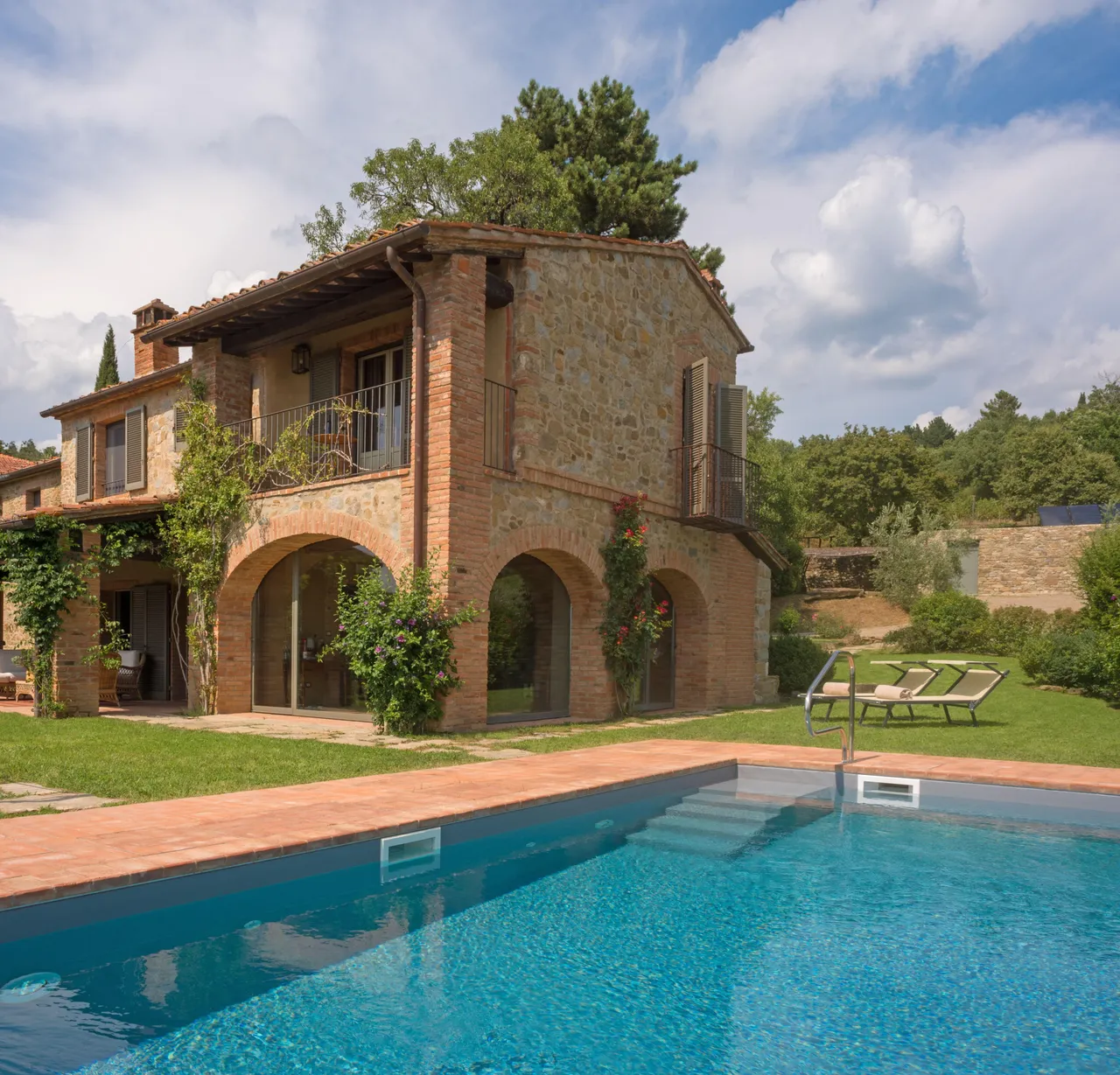
 The villa collection
Anghiari, Italy
 Exceptional Villas. Extraordinary Stays.A Part of the VIC Network
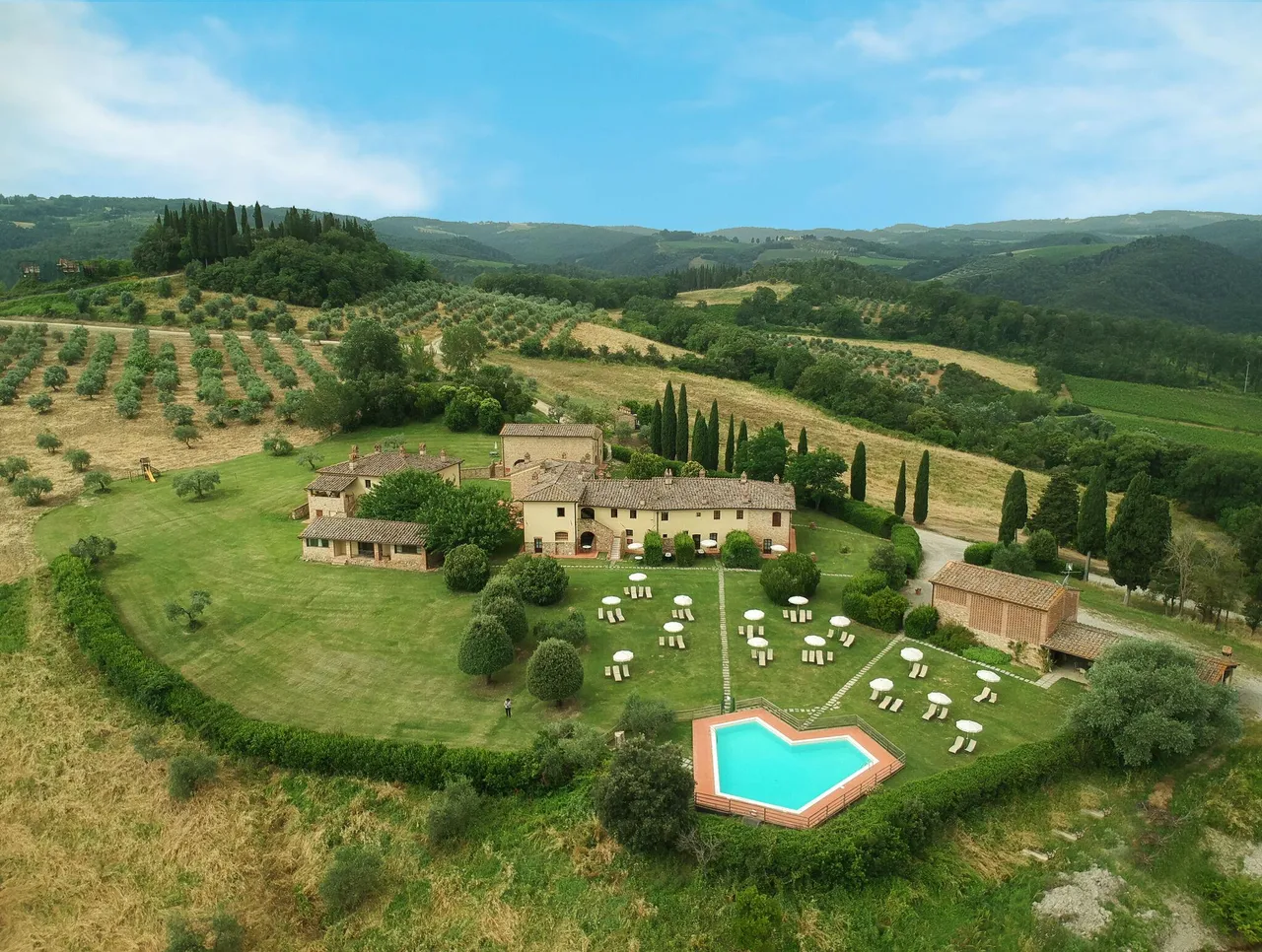
Italy
Explore Tuscany and plan a villa stay around your preferred setting, travel dates, and group.
Explore villas in Tuscany Plan a stay in TuscanyThe villa collectionAnghiari, Italy
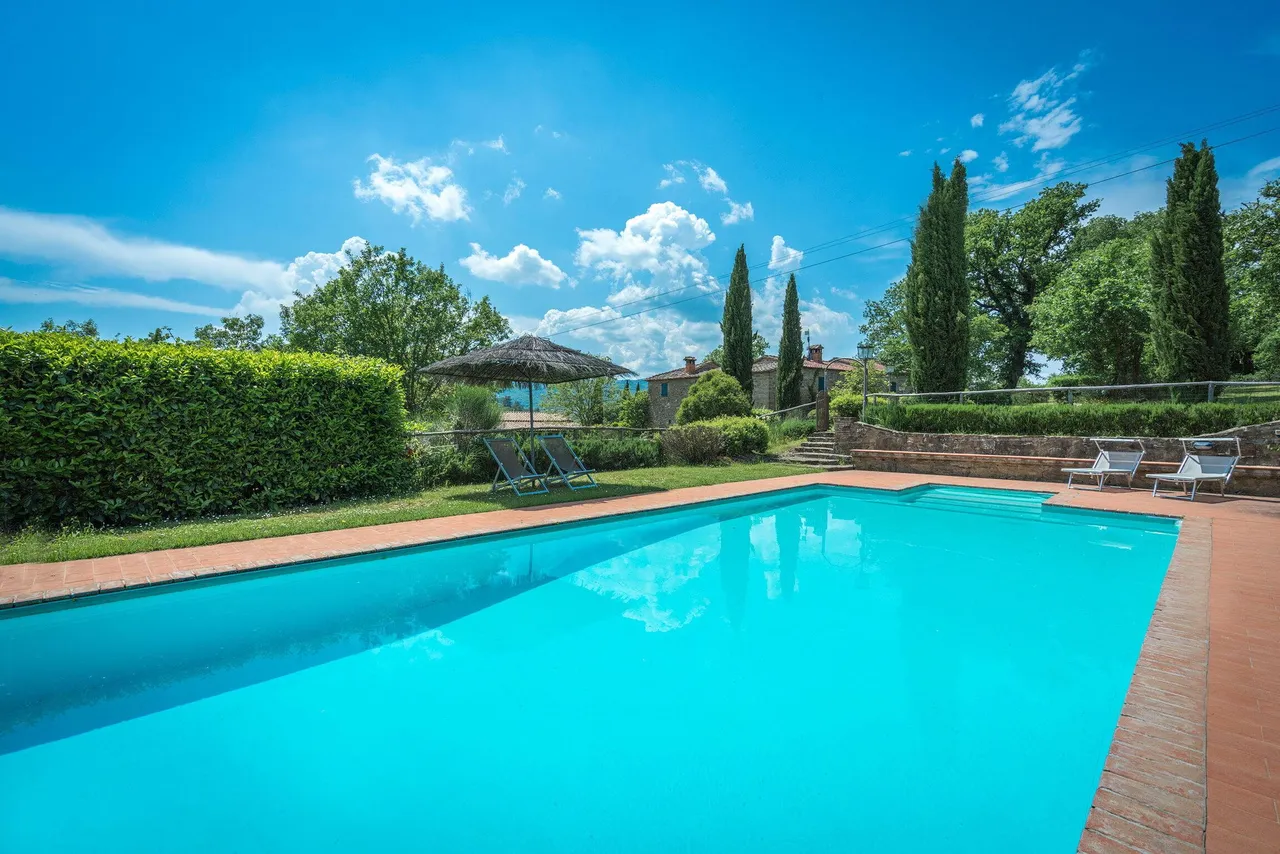 The villa collection
Bucine, Italy
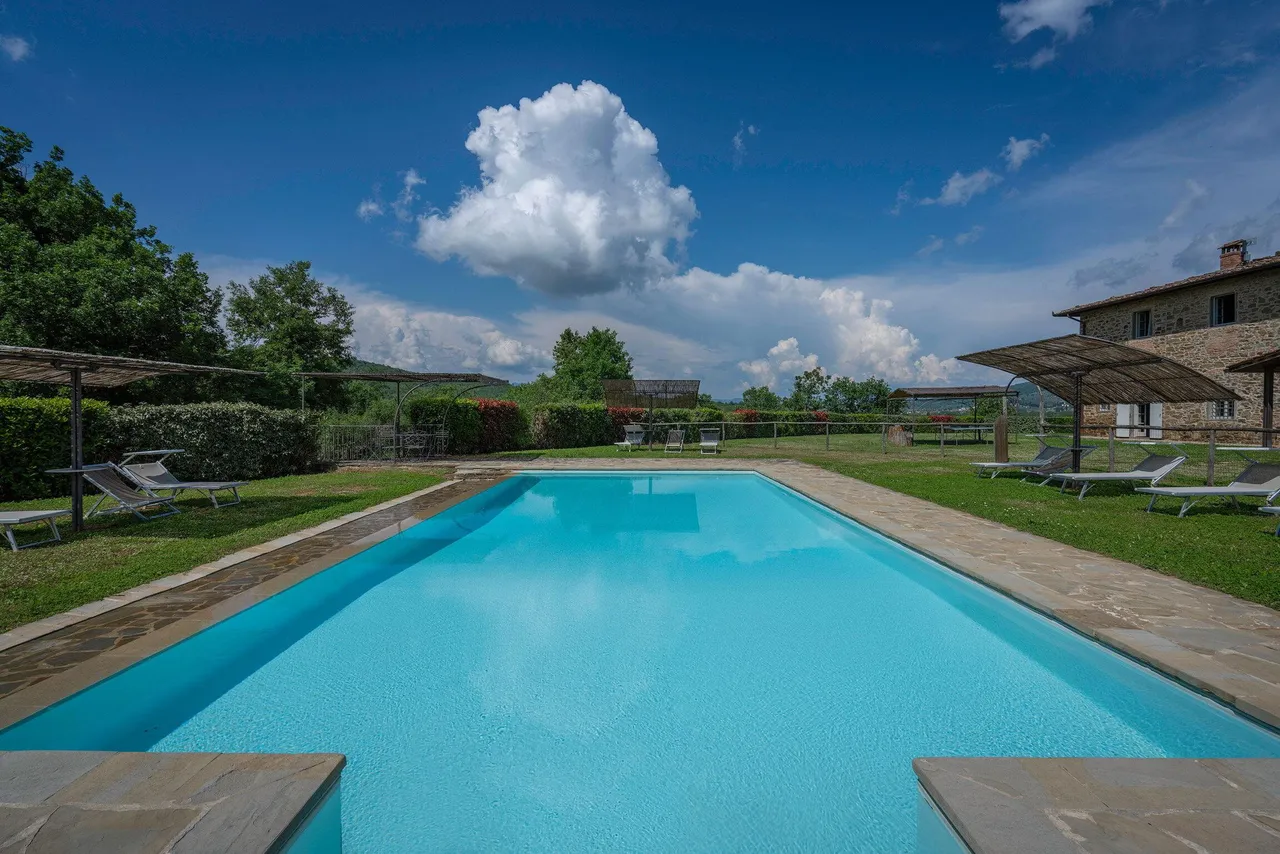 The villa collection
Bucine, Italy
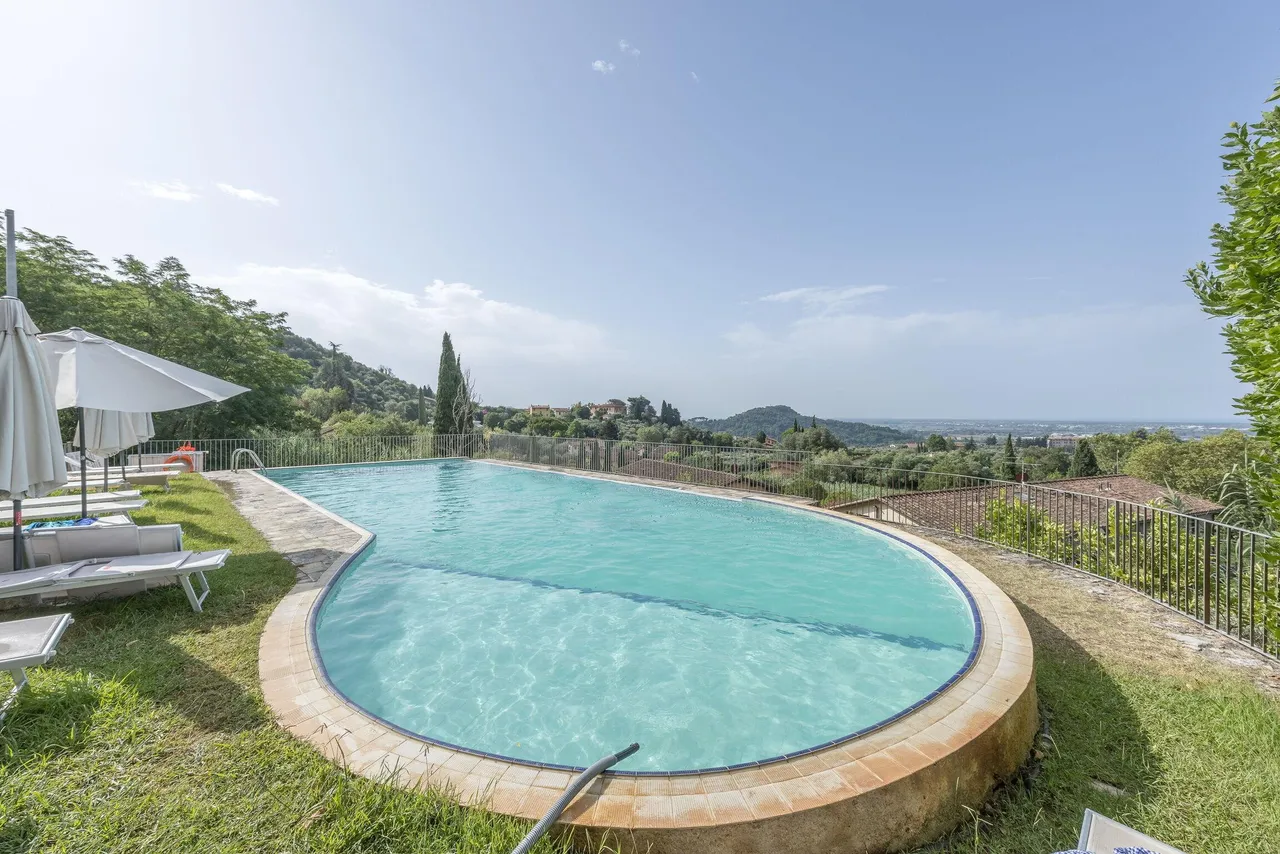 The villa collection
Camaiore, Italy
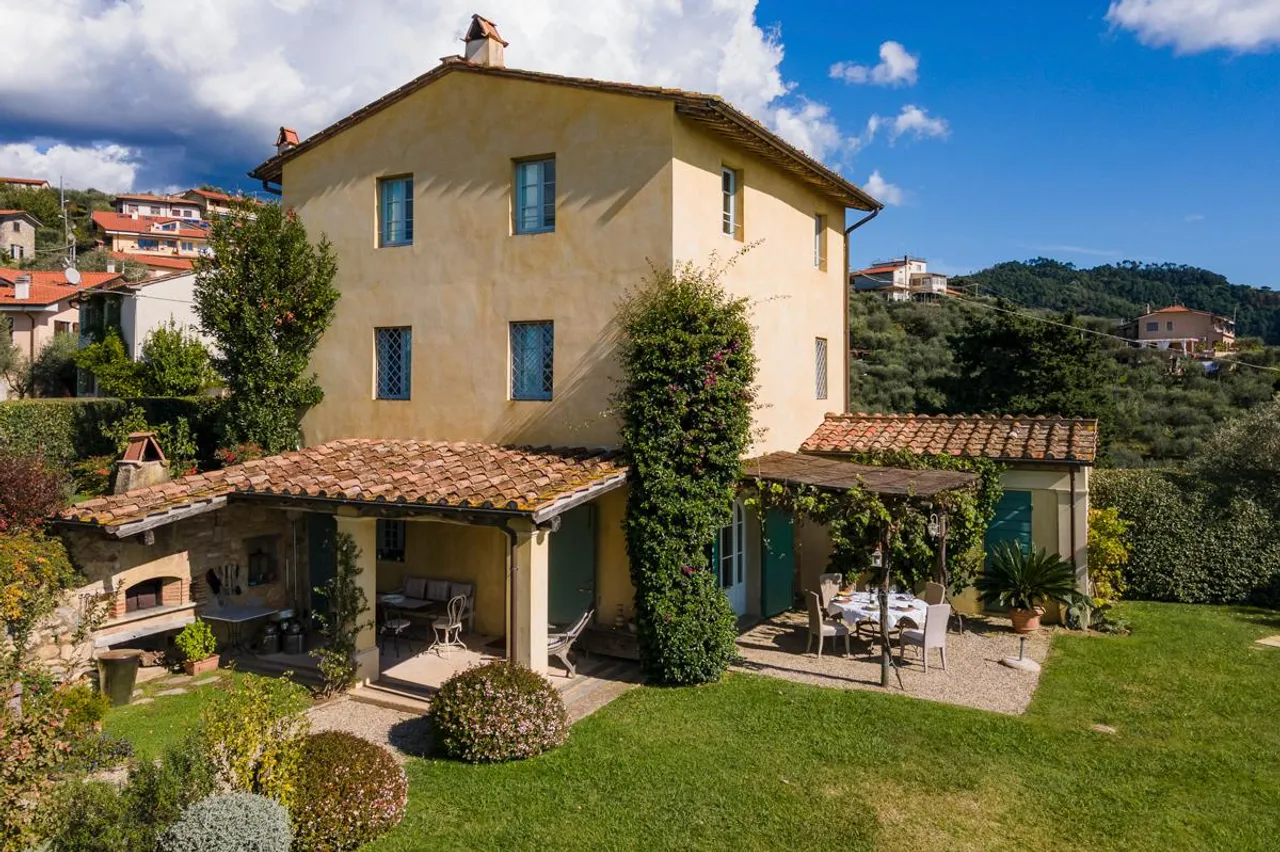 The villa collection
Camaiore, Italy
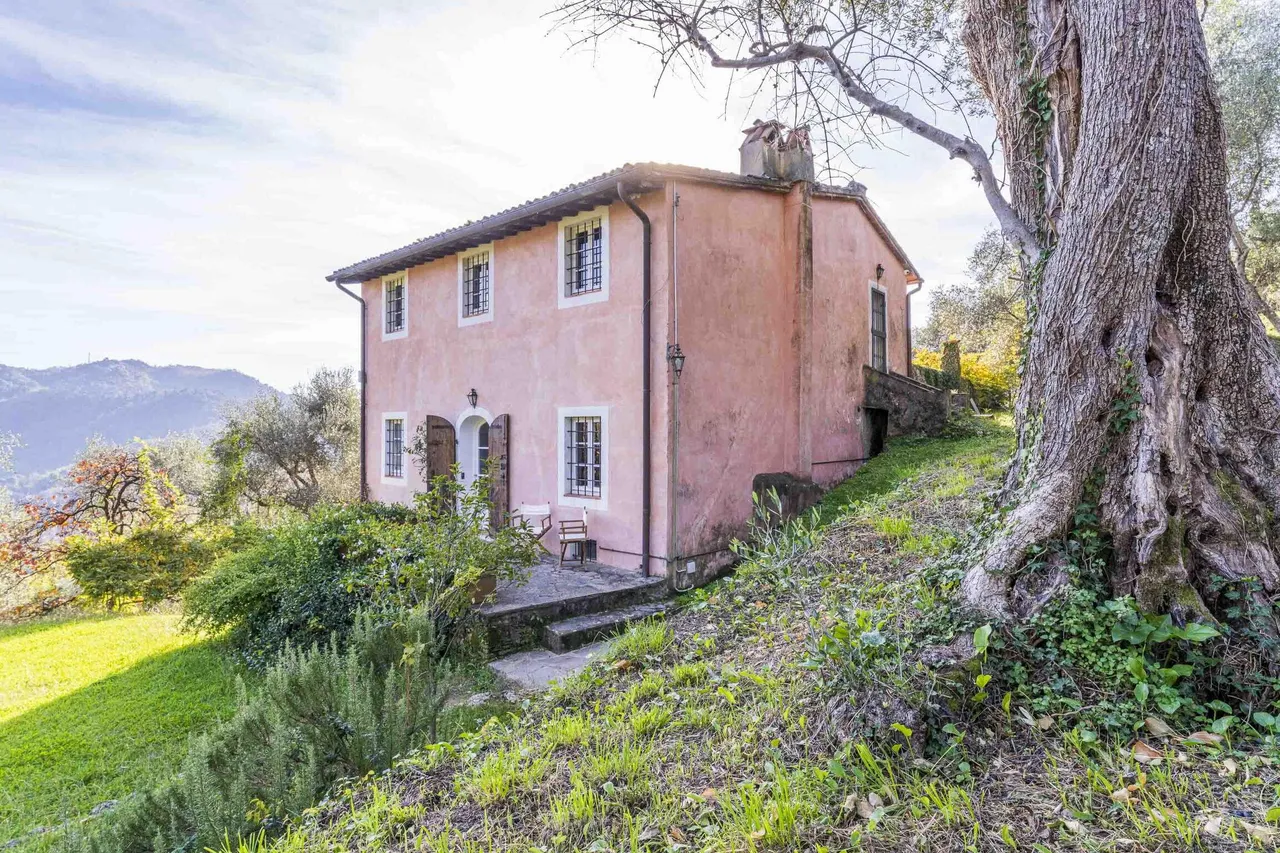 The villa collection
Camaiore, Italy
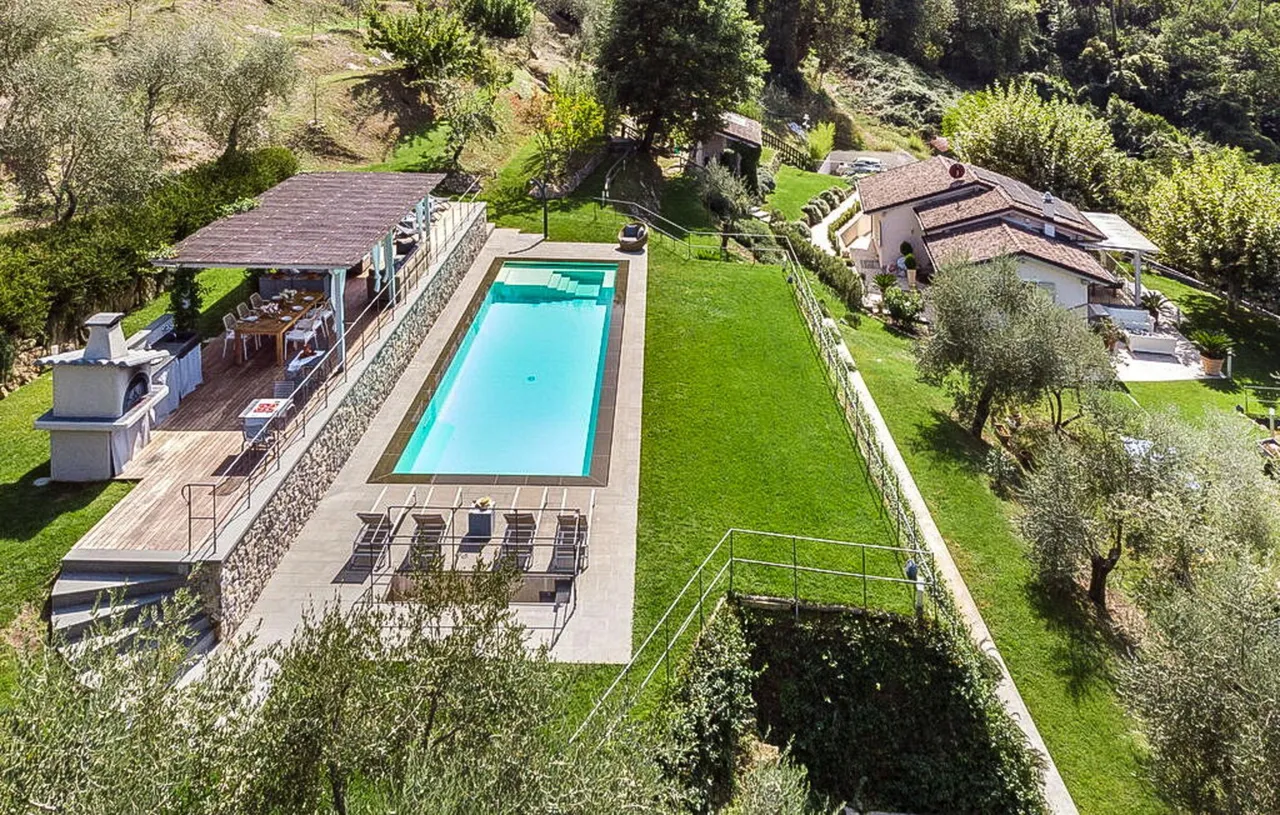 The villa collection
Camaiore, Italy
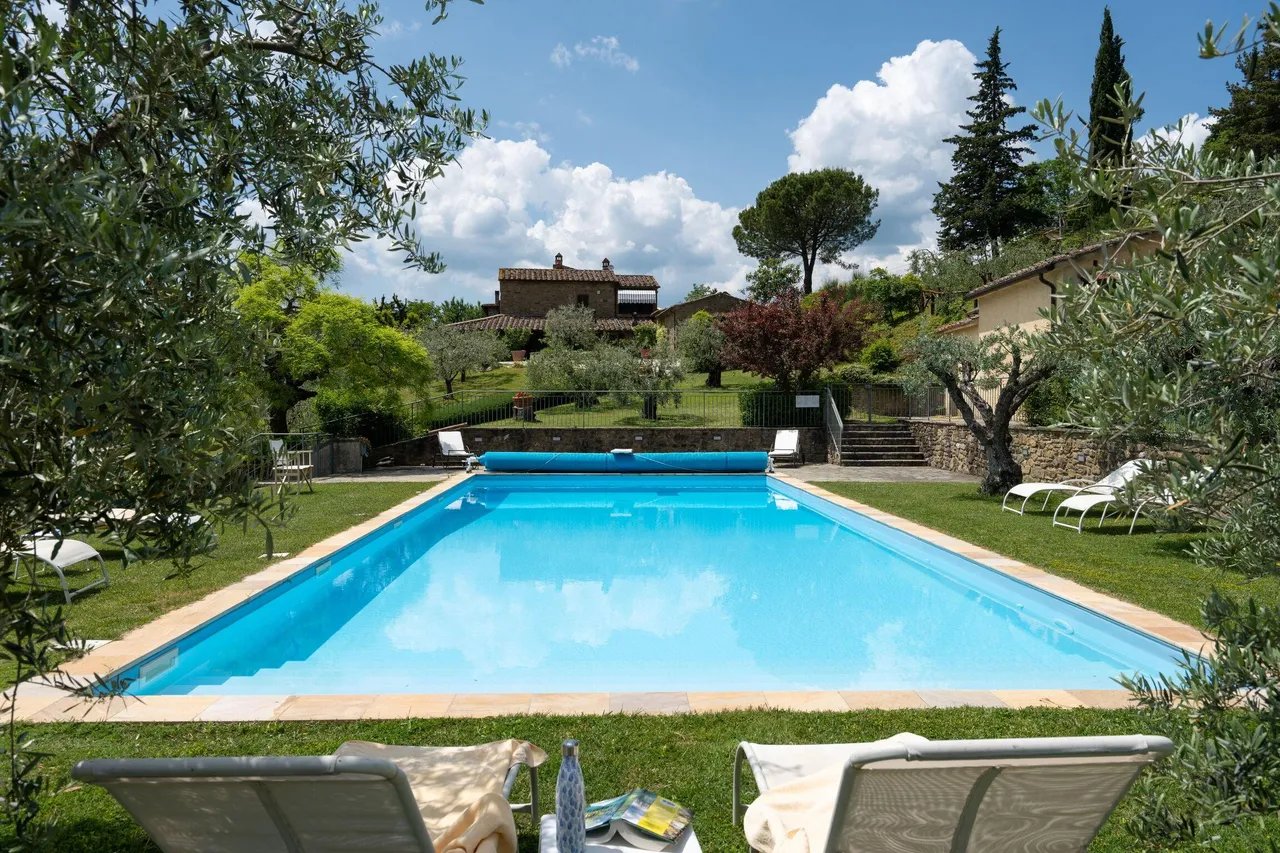 The villa collection
Capolona, Italy
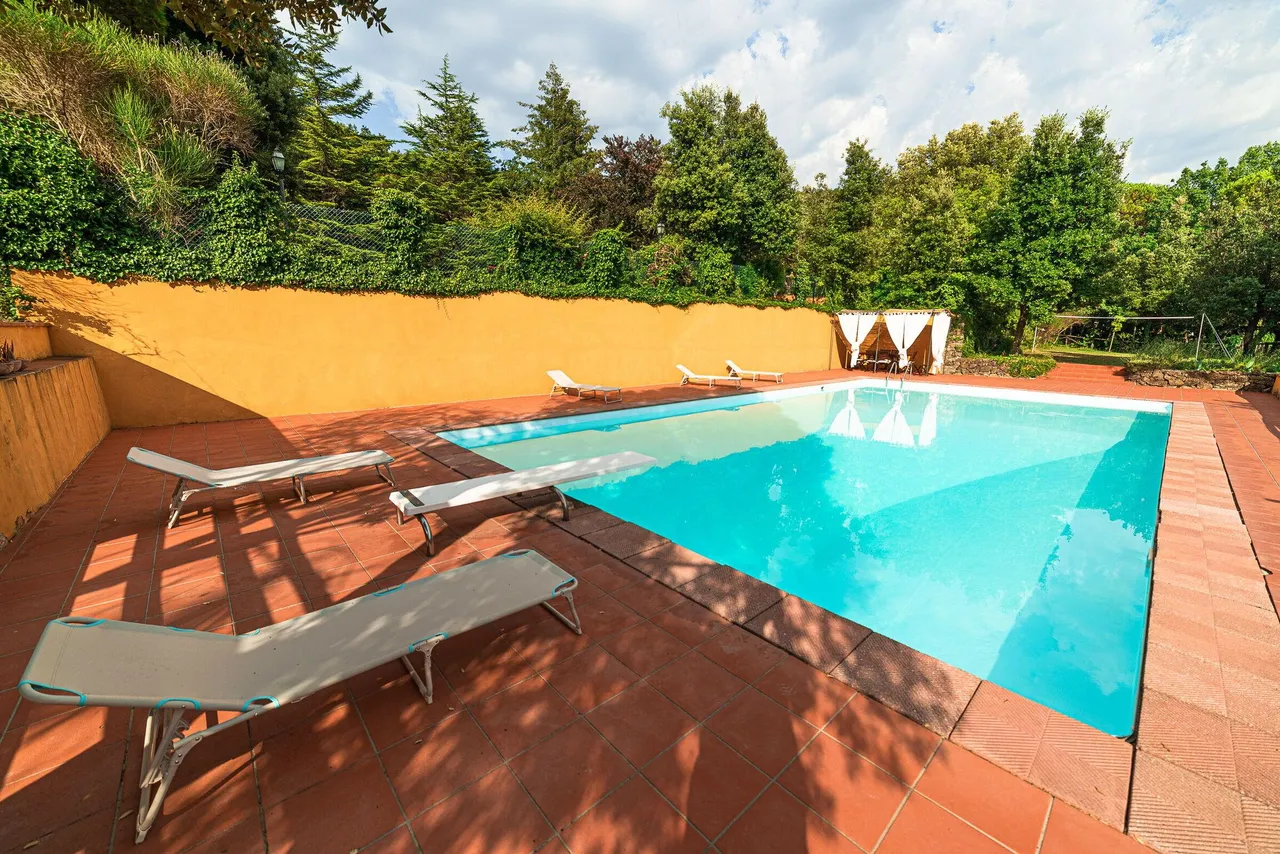 The villa collection
Chianni, Italy
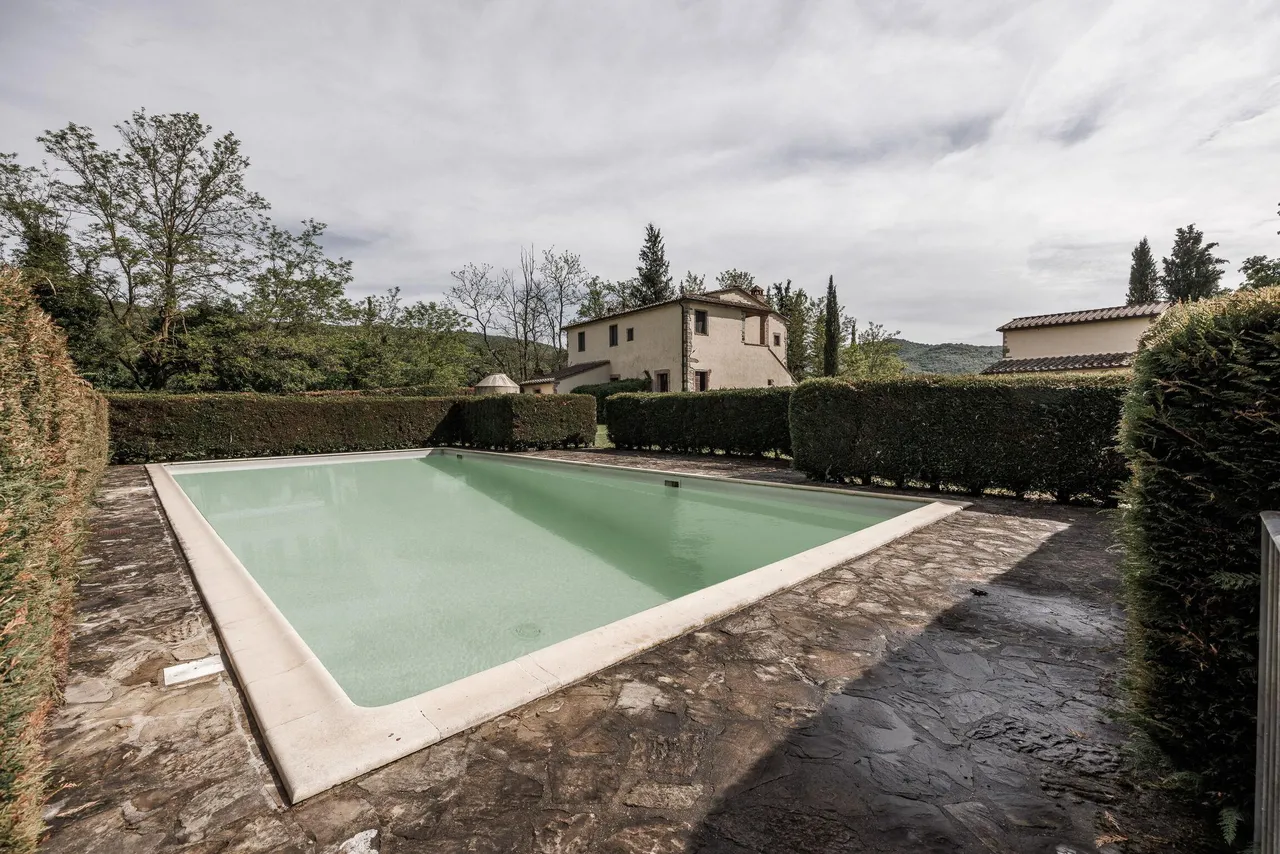 The villa collection
Civitella In Val Di Chiana, Italy
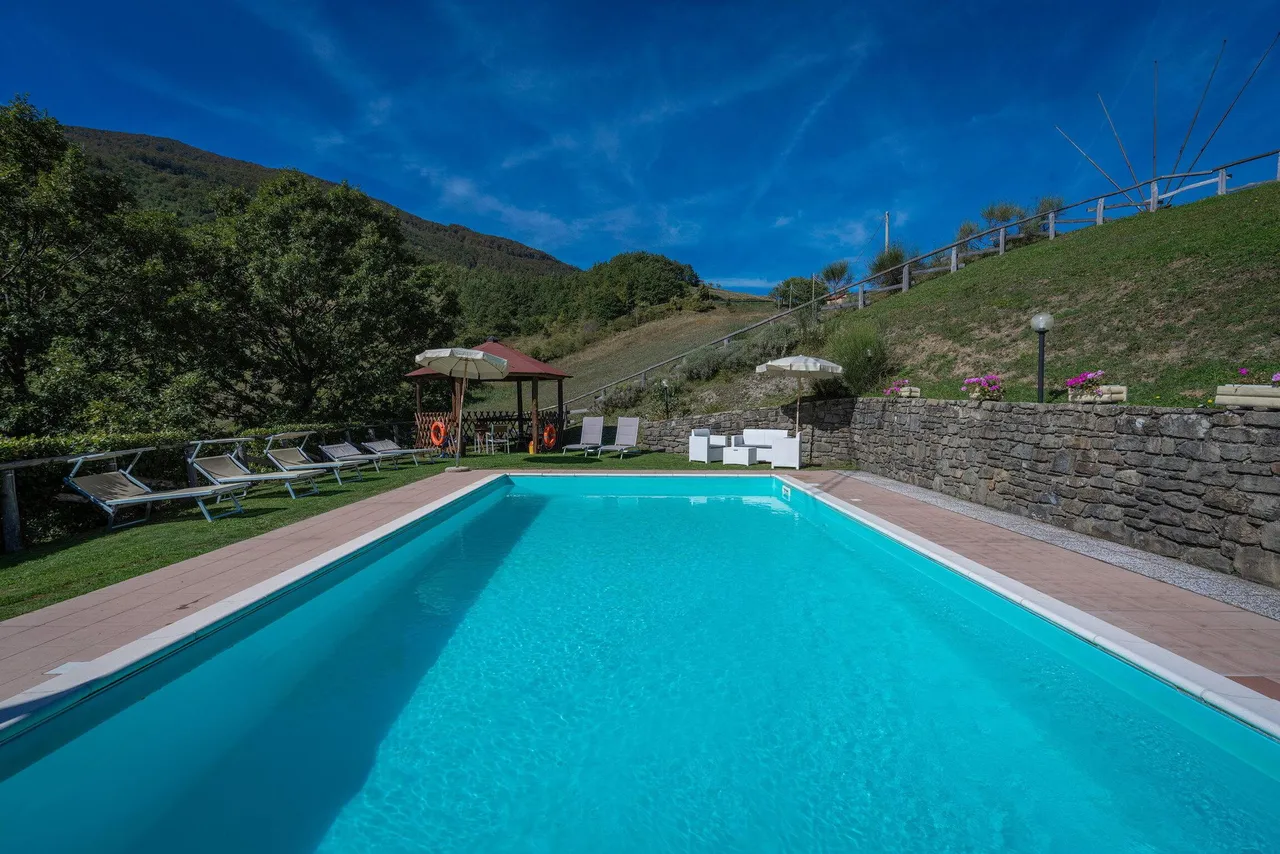 The villa collection
Cutigliano, Italy
 The villa collection
Firenzuola, Italy
THE VILLAS INTERNATIONAL DESTINATION GUIDE
Tuscany rewards choosing a small part of the region and learning it well. A farmhouse outside Radda, a garden villa near Lucca and a country house beyond Pienza create three different holidays, even when the photographs promise the same stone walls and blue pool. The useful questions are geographical: which town will you use for groceries, which airport makes sense, and how far will everyone want to drive after dinner? Our Tuscany villa collection is the starting point for matching the house to the trip. This guide helps turn that choice into a workable week, with room for Florence, local wine, family meals and the hours at home that make a villa worthwhile.
Draw a short list of three experiences before looking at bedrooms. If those experiences are Renaissance art, a cooking afternoon and a Chianti cellar, the country south of Florence is a sensible search area. If they are Pienza, Brunello and mornings looking over open agricultural hills, the Val d’Orcia is the clearer fit. If bicycles, compact town streets and occasional beach days matter most, start around Lucca. The region is large enough that trying to put all three versions into every day quickly makes the car the centre of the holiday.
Map the villa’s actual entrance, rather than relying on the nearest famous town in its description. A house described as near Siena might sit beyond a winding approach road; a property marketed with Florence may be rural enough that an evening taxi needs arranging in advance. Ask for the grocery route, the final access surface and the most practical place to park when visiting the nearest historic centre. These details tell you more about daily convenience than a straight-line distance.
Agree how many substantial outings the group wants. For a seven-night stay, three main excursions, two local mornings and a full villa day make a useful initial framework. It is easier to add a nearby village than to rescue a week of tightly connected reservations. Families arriving on separate flights should consider an easy first dinner at home, while couples sharing a house may want one evening when everyone makes independent plans. Put those preferences into the location brief before making the final selection.
Chianti suits guests who want vineyards, hill towns and access to two major cultural cities. Greve, Panzano, Radda, Castellina and Gaiole are useful names when comparing locations, but they should not be treated as interchangeable pins. A base closer to Florence works differently from one tucked farther south or east. Rural roads are part of the appeal when you have time; they become less appealing when a restaurant booking is approaching and several passengers are ready to go home.
Give a Chianti day one focal point. A village visit followed by a reserved tasting and lunch offers enough structure, particularly if the tasting includes a cellar tour. Another day can take you to a different pocket of the area. The pleasure comes from noticing changes in landscape and village life, rather than counting producers. Request the specific format of a winery visit: seated tasting, estate walk, technical cellar tour or lunch with wines. Tell the host about non-drinkers and children before booking so everyone understands what is included.
For a villa here, outside dining deserves careful attention. Look at the distance from kitchen to terrace, the amount of daytime shade and whether there is a comfortable table for the entire party. A broad vineyard view is lovely, but a shaded breakfast corner can shape every morning of the stay. Our companion story on planning a Chianti wine day explains how to select appointments and a driver without turning a relaxed country day into a timetable exercise. Keep at least one evening free for supper in the nearest village.
South of Siena, the Val d’Orcia invites a slower pattern. The visual signature is expansive agricultural country, with hilltop settlements, cypress-lined approaches and long views. It is an excellent setting for a villa holiday whose main event is being in the countryside. Pienza and Montalcino give different points of emphasis: the former for wandering a compact historic centre and enjoying the surrounding landscape, the latter for a day with wine at its core. Base your choice on the places you intend to revisit, not simply the view from one famous photograph.
Build short loops from the house. One morning might combine Pienza with a country lunch; another might focus on Montalcino and a single estate appointment. Bagno Vignoni can form a separate local outing rather than an obligatory stop squeezed between the two. Leave space to pull into a legal parking area and look at the landscape, but do not assume every cypress drive is open to visitors. Many attractive approaches lead to private homes or working farms. The best photograph is one taken without blocking access or entering somebody’s property.
In this area, a pantry stocked before arrival pays off. You may not want to leave again after reaching the house, especially if the final stretch is rural and unfamiliar. Ask which grocery shops are practical from the actual address and how their hours fit your arrival day. For dinners out, arrange the return drive as carefully as the restaurant. A villa week with children and grandparents can work beautifully here when the schedule includes short outings, accessible seating and generous time at home between them.
Lucca is a strong option for guests who enjoy going into the same town repeatedly. Its intact walls create a memorable green circuit, and the historic centre offers a different rhythm from a day built around timed museum tickets. A morning can be as simple as a walk, a church interior and a relaxed lunch. For families, that flexibility is valuable: different generations can enjoy the same destination without all agreeing to the same attraction. Choose a meeting point before splitting up and keep the afternoon open.
When comparing houses outside Lucca, ask how you will get into town. A villa in the surrounding hills may offer lovely privacy, but it does not automatically provide a comfortable walking route to the walls. Check the lane, gradients, pavements and evening lighting before describing any restaurant or shop as walkable. If regular town visits are part of the plan, straightforward parking and a manageable approach road are meaningful advantages. Guests who intend to cycle should discuss routes and bike delivery with a local operator rather than assuming every country road is suitable.
The northwest can also suit a holiday that includes the coast, but select the beach day according to the villa’s position and the sort of experience desired. A reserved beach setup, an informal stretch of sand and a promenade lunch are different outings. Confirm facilities, shade and the walking distance from parking before committing a large party. Do not use Lucca as a pretext to attempt every corner of Tuscany in a week. Its great strength is the combination of a familiar town base and countryside time close to home.
Florence deserves a purposeful visit from a rural villa. Choose the main cultural experience first, then fit lunch and a neighbourhood walk around it. The Uffizi’s official website provides current ticket options and visitor information; use that source when checking entry arrangements. A guide can help turn a major collection into a focused encounter, particularly for a mixed-age group. Tell the guide what interests you and how long everyone is comfortable standing. More hours in a museum do not necessarily make a better day.
Arrange where the driver will drop you and where you will reunite. If you are driving yourselves, choose parking before departure and follow the current local access instructions rather than following a navigation application blindly into the centre. Leave enough time between arrival and any booked entry for walking, finding the correct entrance and dealing with everyday delays. Keep lunch near the part of the city you will actually be visiting. Crossing the city for a restaurant can consume the breathing room that makes the day enjoyable.
For guests staying a full week, one well-designed Florence day may be enough. Others may prefer to add city nights before or after their villa stay, which removes the need to return to the countryside after dinner. That choice is especially useful if art is central to the trip. Compare the character of a longer Italian itinerary through our Lake Como collection, but treat another region as a separate stay. Tuscany works best when its own distances are respected and each day has a clear centre of gravity.
Siena makes an excellent main outing from many central Tuscan bases. Allow time to experience its streets and spaces rather than reducing the visit to a quick photograph in Piazza del Campo. A guided walk can give the city context, while an unhurried lunch lets the party settle into its atmosphere. Confirm any monument reservations individually and build the route around the abilities of the least mobile guest. Hills, paving and steps matter more than the compact appearance of a historic centre on a map.
San Gimignano is another natural name on a first visit, particularly for its unmistakable towered skyline. It need not share a day with Siena simply because both appear on the same list of highlights. A separate half-day, with a relaxed arrival and a nearby lunch, can be more satisfying. Visitors who prefer a quieter rhythm can discuss smaller nearby towns with a local guide, choosing places that fit the villa location. The aim is a day that feels coherent, rather than a collection of unrelated stops.
Keep shopping and sightseeing compatible. Fragile ceramics or heavy bottles are easier to manage when you know where the car is and when you will return to it. Ask shops about packing and shipping if purchases are substantial, and check actual delivery terms before paying. For a large group, agree whether everyone wants the same walking route. Some guests may prefer a longer cultural visit while others want a café and a short browse. A villa holiday gives you the freedom to divide the day, provided the transport plan is clear.
Montepulciano stands between the Valdichiana and Val d’Orcia and offers a rewarding combination of town exploration and wine interest. Its hilltop setting is part of the attraction and part of the practical planning. Wear shoes suitable for slopes, decide where to park and avoid assigning too many distant activities to the same day. Vino Nobile gives a tasting here a specific local subject. Ask the producer or tasting room to explain the wines in its own range rather than assuming every bottle with Montepulciano in conversation refers to the same thing.
Cortona can be a strong alternative focus for guests staying farther east. It invites time for streets, views and a proper meal, rather than a rushed stop on the way across the region. When evaluating a house in this part of Tuscany, check the daily route to your preferred town and the direction of the airport transfer. A villa that looks central between several famous places can still involve substantial driving for each of them. One good local base is often more useful than apparent access to everything.
Arezzo is worth considering when the party wants a city experience beyond Florence and Siena. Let a particular artistic or historical interest shape the visit, then add a local lunch and free time. Confirm opening arrangements directly for any specific attraction you intend to enter. If the trip includes several regions, eastern Tuscany may fit your route naturally; if it does not, resist adding it merely to complete a checklist. The right destination for tomorrow is often the one that leaves the evening at your villa intact.
A Tuscan beach holiday and an inland villa holiday can overlap, but they are not automatically the same trip. If swimming in the sea is an everyday priority, search with the coast as the main location criterion. If the countryside is the point and a single beach outing would be enjoyable, choose the house for inland life and plan that excursion separately. This distinction prevents disappointment about a villa that is technically within reach of the coast but inconvenient for repeated beach visits.
Versilia, the coast near Bolgheri and southern Maremma each suggest a different holiday. Do not assume the atmosphere, terrain or services are uniform along the shoreline. Ask practical questions about the chosen beach: public access, reservable facilities, shade, changing rooms, restaurant service and distance from the car. For a group with children, a comfortable base for the day can matter more than a famous name. For adults seeking a long lunch, the restaurant and return transport may take precedence over swimming time.
Maremma also offers inland towns and food traditions, so a southern coastal stay does not need to revolve exclusively around the beach. Keep excursions geographically sensible and consider how warm weather will affect walking plans. If your ideal trip is primarily island coves and boat days, compare Sardinia villas as a separate holiday option. If you want a broader mix of archaeological sites, cities and coast, explore Sicily. These comparisons help clarify what Tuscany should deliver for your particular party.
Choose flights and the villa together whenever possible. Florence and Pisa are familiar gateways, but the most convenient arrival depends on the house location, available flights and the entire transfer rather than the airport name alone. Ask for a realistic door-to-door estimate from the selected airport to the specific address. Account for luggage collection, rental-car formalities, comfort stops and the final rural approach. A late arrival feels very different at a well-marked town-edge house than at a remote property reached by unfamiliar lanes.
If several households are travelling together, decide whether they should transfer independently or meet before continuing. Waiting many hours at an airport for another flight can be a poor start to a holiday; separate transfers may be worth considering. Share the full arrival instructions with each driver and keep the property contact available offline. Confirm how access works if a flight is delayed and who will answer an evening call. Those details are simple to organise before departure and awkward to improvise at a dark gate.
Plan food for the first night with unusual care. A prepared meal or agreed grocery delivery can allow everyone to settle in without another journey, but service availability must be confirmed for the individual villa. Specify allergies, the children’s preferences and whether guests arrive at different times. Keep the menu forgiving: dishes that tolerate a delayed arrival are more practical than a tightly timed dinner. The first evening should orient the group to the house, its kitchen and outdoor spaces, leaving ambitious plans for a morning when everyone is rested.
Bedroom totals are only the beginning of a useful villa comparison. Ask how bedrooms are distributed, which bathrooms are en suite and whether any sleeping areas require an exterior entrance. A separate guest wing may be ideal for couples seeking independence and unsuitable for parents who want children nearby. Request a floor plan or a clear room-by-room explanation. Also ask about stairs between the main living space, bedrooms, pool and outdoor dining. Historic character can come with changes of level that photographs do not make obvious.
Review the spaces where the entire party will gather. Is there a dining table large enough indoors if the weather changes? Can everyone sit comfortably outside without carrying furniture from another area? Is there a shaded place for an older relative while children use the pool? For a stay with several households, a second sitting area can be as useful as another bedroom. If anyone intends to work, confirm the practical location of a quiet desk and the internet service at the particular property rather than assuming the countryside has uniform connectivity.
Air-conditioning, pool heating, housekeeping and meal services should be confirmed explicitly, including which rooms or facilities they cover. A listing may describe one feature broadly while its operation is more specific. Ask about seasonal availability and any additional costs before comparing total prices. Return to the Tuscany destination page with a written brief covering the group’s needs, preferred area and style of day. That brief will help distinguish a beautiful house from a house that genuinely supports the holiday you are planning.
The best kitchen plan starts with what the group enjoys doing. Some guests want to browse shops and prepare lunch together; others want breakfast provisions and professional help for dinners. Agree on the balance before arrival. Identify a practical supermarket for the initial shop, then use smaller local shops for bread, vegetables, cheese or ingredients that catch your attention. Do not expect every village to offer the same choice or hours, particularly when arriving late or planning around a holiday.
Tuscan cooking gives simple meals a strong sense of place. Bread salads, beans, seasonal vegetables, pasta and grilled dishes can make a generous table without elaborate preparation. Ask a local cook what is good at the time of your stay instead of imposing a fixed menu months ahead. If the group would enjoy learning, arrange a cooking session with clear expectations about participation, duration and the meal at the end. A session suited to enthusiastic adults is not automatically the right format for young children.
Keep some restaurant evenings, but distribute them sensibly. A long lunch after a morning excursion may be the principal meal of the day, followed by something light at the villa. Another day may be deliberately quiet until an evening reservation. For a large group, book directly and confirm dietary requirements, seating arrangements and the likely meal format. Let the restaurant know if you are celebrating. The most memorable dinner is often the one that fits the day naturally, with enough time to enjoy the table and a straightforward journey home.
Choose wine experiences by curiosity as well as reputation. One guest may want an introduction to Sangiovese; another may care about cellar architecture, vineyard management or a particular producer. Share that interest when booking. A well-matched visit can be more rewarding than a sequence of prestigious names whose formats are similar. Ask how long the experience lasts, how much walking it involves and what is included in the tasting. If lunch is part of the appointment, clarify whether it is a light pairing or a full meal.
Arrange a driver for a tasting-focused day and provide the exact villa location. Confirm waiting time and the return journey, not just the outbound transfer. Two appointments can fill a day once you include country roads, introductions and lunch, so resist adding a third merely because it appears close on the map. Non-drinkers should have an enjoyable place in the plan, whether through food, architecture or a shorter visit followed by a village stop. A thoughtful itinerary considers the whole group, not only its most enthusiastic collector.
If you buy wine, ask the estate about delivery options, packing and any destination restrictions that affect your order. Keep purchases separate from assumptions about what can travel in hand luggage. For the villa table, ask for a mix that suits the meals planned, rather than choosing only bottles intended for long storage. Our Chianti wine-day article offers a practical template for appointments, lunch and transport. Adapt it to your base and interests; a day in Montalcino or Montepulciano should have its own shape.
A successful family villa stay gives each generation a version of the day it can enjoy. Young children may be delighted by a short town walk and lunch, while adults are tempted to add another museum and a tasting. Set the shared outing at the length the whole party can manage, then make extra activities optional. A second car or separately arranged transfer can provide useful flexibility. Agree who is returning with whom before the group splits, especially when visiting a city with different parking or pickup points.
At the house, review pool access and supervision arrangements as soon as you arrive. Ask the property team about the pool’s features before booking rather than inferring suitability from photographs. For grandparents or anyone with reduced mobility, consider surfaces, steps and bathroom layout as part of the selection, not a final detail. A ground-floor bedroom is helpful only if the route to meals and outdoor seating also works. Give the least mobile guest’s needs the same weight as the view and bedroom count.
Children often enjoy ordinary holiday rituals: choosing pastries, helping with pasta, sketching a tower or returning to the same gelato shop. Those small activities can anchor a week more effectively than a succession of major attractions. Keep snacks and water available on driving days and build in a quiet afternoon after a substantial outing. The family villa planning story explores these decisions in more detail. The goal is shared time with enough independence for everyone to remain comfortable, including the person who usually ends up organising the group.
Country walks can be an excellent way to experience Tuscany, provided the route suits the season and the party. Ask a local guide or the property team about established paths rather than setting off along every attractive track. A road through vines may be a working access route, and a lane that looks quiet can still carry agricultural vehicles. Decide on the length, shade and terrain before leaving. In warm weather, an early start and a modest route usually leave more energy for the rest of the day.
Cycling needs the same care. Hills and road surfaces vary, and an electric bicycle does not remove the need to be comfortable handling a bike on descents or around traffic. Discuss the riders’ experience with an operator and ask for a route appropriate to the weakest rider. Check delivery, helmet provision, support arrangements and where bicycles can be stored at the villa. A guided ride may be a good choice for a mixed group that wants to enjoy the landscape without navigating every junction.
Outdoor plans should include a weather alternative. A cooking session, a shorter town visit or simply a comfortable afternoon at home can replace a longer ride without making the day feel lost. Avoid putting the only activity everyone has anticipated on the final possible morning. Leave another slot in the week for anything strongly dependent on conditions. Tuscany’s countryside is especially rewarding when approached with curiosity and patience; stopping to understand a field, a wall or the way a village sits in the landscape adds more than racing toward the next viewpoint.
Think about the hours you expect to spend outside. A summer villa holiday may revolve around early outings, shaded lunches and the pool, with evenings becoming the most sociable part of the day. If sightseeing and longer walks dominate the plan, spring or autumn may deserve closer consideration. Conditions vary from year to year and between inland hills and the coast, so avoid treating a month as a guarantee. Look at the particular house’s indoor comfort as well as its terrace photographs.
For shoulder-season stays, confirm pool operation, heating arrangements and which local services will be available during your dates. A pool that looks inviting in a listing may have a seasonal schedule, and heating can require advance notice or an additional charge. Ask about heating indoors too, especially in a large traditional building. If the trip depends on a particular restaurant, garden or guided experience, check its opening programme before committing the entire itinerary around it. Seasonal quiet can be a pleasure when you have planned for it.
Harvest periods can add interest for wine and food enthusiasts, but they are working times for producers. Do not assume a visit includes participation or unrestricted vineyard access. Ask what an estate is offering during the exact week of your stay. Similarly, local festivals can make a town visit memorable while affecting parking, restaurant availability and the pace of the day. Confirm dates through the organiser or local tourism office. The right season is the one that supports your priorities and leaves you comfortable with the region as it actually operates then.
Use arrival day for settling in, groceries and a simple meal. On the first full morning, explore the nearest useful town rather than immediately undertaking the longest excursion. Learn where to park, identify a bakery or café you might revisit and return for an afternoon at home. This gives everyone a sense of place and helps reveal what the group really wants from the week. A leisurely opening also absorbs the fatigue of different flights and time zones without sacrificing a major reservation.
Make the second full day the principal cultural outing, perhaps Florence from a suitable base or Siena from farther south. Follow it with a lighter day: a local walk, a cooking session or an afternoon with no appointments. Put a wine-focused excursion later in the week, using a driver and one or two carefully chosen stops. Another day can be devoted to the landscape immediately around the villa, whether that means Pienza, a Lucca morning or a coastal lunch. The order should follow geography and confirmed availability.
Leave the final full day relatively open. It is useful for returning to a favourite place, accommodating weather changes or simply enjoying the house after several excursions. Book a final dinner only if it feels like a pleasure rather than another obligation. Before departure, confirm checkout arrangements, the route to the airport and time for any rental-car return. This outline is deliberately adaptable: a party focused on art will use it differently from one travelling with toddlers. The principle is to alternate substantial days with easy ones so the holiday retains its own rhythm.
A second region can enrich an Italian holiday if it has a clear purpose and enough nights of its own. The Amalfi Coast offers a different relationship to landscape and the sea, while Lake Como brings lakeside towns and waterborne outings. Neither should be treated as a casual day trip from a Tuscan villa. Plan the transfer as a proper travel day and decide whether a city stop fits naturally between the two stays. Fewer transitions often leave a trip feeling more generous.
Consider how much packing and arrival administration the group is willing to repeat. A week in one house followed by a shorter contrasting stay can work well; changing bases every couple of nights may undermine the advantages of renting a villa. Discuss laundry, luggage, children’s routines and the timing of flights. If guests are joining for only part of the trip, arrange their entry and exit around practical transport connections rather than asking the entire party to reorganise its days.
Use the destination collection to compare atmosphere and travel structure, then return to the essentials of the Tuscany stay: the right area, a house that fits the group and a few experiences that justify leaving it. The region does not need an ambitious itinerary to be rewarding. A familiar village, a thoughtful local meal and an evening on the terrace can carry as much weight as a major museum. Choosing well creates the conditions for those moments; leaving space in the schedule allows them to happen.
A week before departure, bring the essential arrangements into one short document. Include the full villa address and entrance directions, the property contact, arrival and departure times, transport bookings and the reservations that cannot move easily. Share it with every household rather than leaving it on one person’s phone. Check that the names and party sizes match the actual travellers, especially where museum or guided-visit bookings require individual details. Keep the original confirmation messages accessible as well, since they contain the current terms and meeting instructions.
Review the food plan against the itinerary you have actually booked. If two restaurant lunches have been added, reduce the grocery order accordingly. If the first flight now arrives later, tell the person preparing dinner. Confirm any baby equipment, dietary needs and bedroom arrangements while there is still time to correct misunderstandings. Ask what supplies are already present at the house and what guests should bring or purchase. These small checks are particularly helpful for a large party, where several people may have made assumptions based on different conversations.
Look at the week’s travel pattern one last time. Are you crossing the same stretch of countryside on consecutive days? Could a lunch move closer to the morning’s activity? Does the longest excursion fall immediately after a late arrival? Adjusting one or two details can give back hours without removing anything important. Leave at least one open period that can absorb a weather change or a spontaneous local recommendation. A schedule with no flexibility is vulnerable to ordinary delays, while a little space makes the same itinerary feel considerably more comfortable.
Finally, agree what success looks like for the group. Some guests will measure the holiday by the places visited; others will remember shared dinners, reading by the pool or having time with relatives. Make sure the plan contains something meaningful for each of them. Give everyone permission to opt out of an outing without turning that choice into a problem for the rest. The most useful preparation is the kind that becomes invisible once you arrive: clear transport, a suitable house, thoughtful meals and enough freedom to enjoy Tuscany together.
Chianti is a useful starting point for a mix of countryside, Florence and Siena. Val d’Orcia suits guests prioritising open landscapes and southern hill towns, while Lucca works well for repeated town visits and a flexible family rhythm. Match the exact address to your planned outings.
For many rural stays, a car or prearranged driving service is useful. Confirm the real route to shops and restaurants before relying on walking or taxis. Arrange a driver separately for wine-focused excursions.
These vary by property. Ask which services are available for your dates, what they include and whether additional charges or advance notice apply. Do not infer pool heating or daily meal service from photographs.
Some bases permit all three as separate outings, but the driving may dominate the week. Prioritise the places you care about most and check door-to-door routes before selecting the villa.
A week gives a useful balance of a few substantial excursions and time at the house. Longer stays can support a deeper exploration of one area or a carefully chosen second base without compressing every day.
Consult the official references for current reservations, seasonal access and opening information.
Send your travel dates, group size, budget, and preferences using the form below. Your inquiry starts the selection process; it does not confirm a reservation.
Include the services you would like in your inquiry. Service availability, staffing, and costs must be confirmed for your selected villa.
Our villa collection is supported by VIC Network operations. Rates are indicative; live availability and final pricing require confirmation.
YOUR NEXT CHAPTER
Share a few details. Your ideal escape starts here.