
01 / 04
Nusantara: regional knowledge served across the table
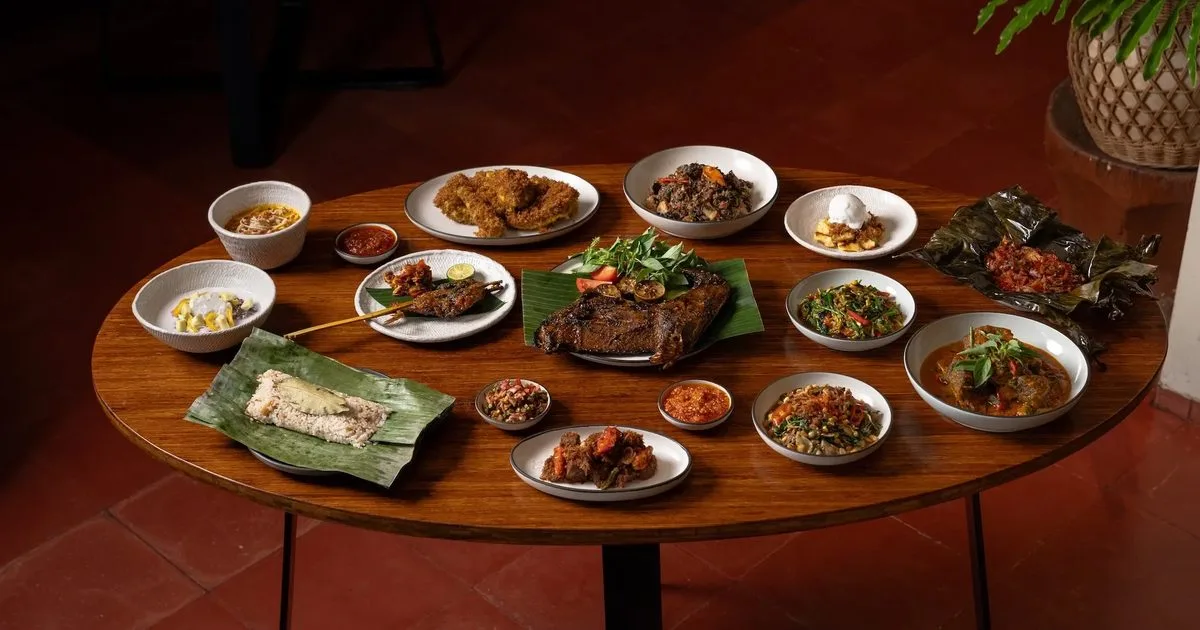
Nusantara in Ubud treats Indonesian food as something to learn from the cooks who preserve it. Its team describes traveling to the dishes’ regions of origin, then carrying ingredients, techniques, and serving styles into the restaurant. Family-style service gives that research a social form: diners can encounter several preparations together rather than approaching each as an isolated miniature.
The published menu identifies origins including Payangan in Bali and Aceh, making geography part of the meal rather than a vague promise of local flavor. This suits a group willing to share and compare, particularly travelers who have previously understood Indonesian cooking through only a handful of widely known dishes. Follow the regional names and ask what distinguishes the preparation. The cultural value lies in specificity, and in the people and places behind the recipe.
02 / 04
Locavore NXT: imagining the future through Indonesian ingredients
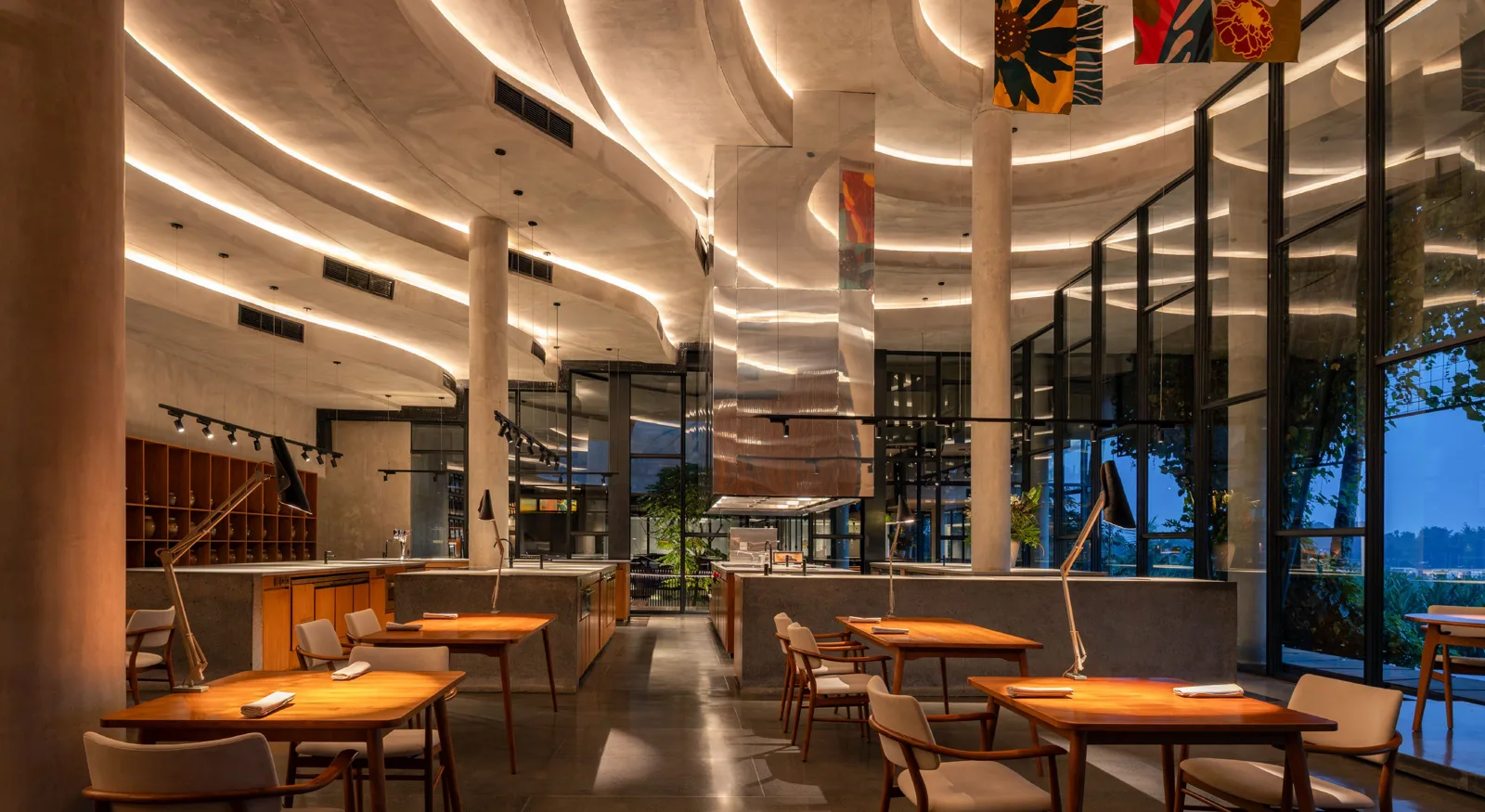
Locavore NXT in Lodtunduh takes the group’s commitment to local ingredients into a space devoted to experimentation and collaboration. Where Nusantara emphasizes the history and regional integrity of a recipe, NXT’s stated ambition is to explore possibilities through a close relationship with nature. The two restaurants therefore offer a particularly interesting comparison: a shared concern for ingredients expressed through different culinary questions.
Choose NXT if you enjoy a meal as an unfolding argument about what food can become. It suits diners prepared to engage with unfamiliar combinations and the kitchen’s current creative direction. Rather than expecting a catalog of Balinese classics, arrive curious about what the team is investigating. The restaurant’s full dining experience deserves an evening of its own, allowing the details to build into a coherent impression.
03 / 04
Hujan Locale: street-food ideas with a contemporary Ubud setting
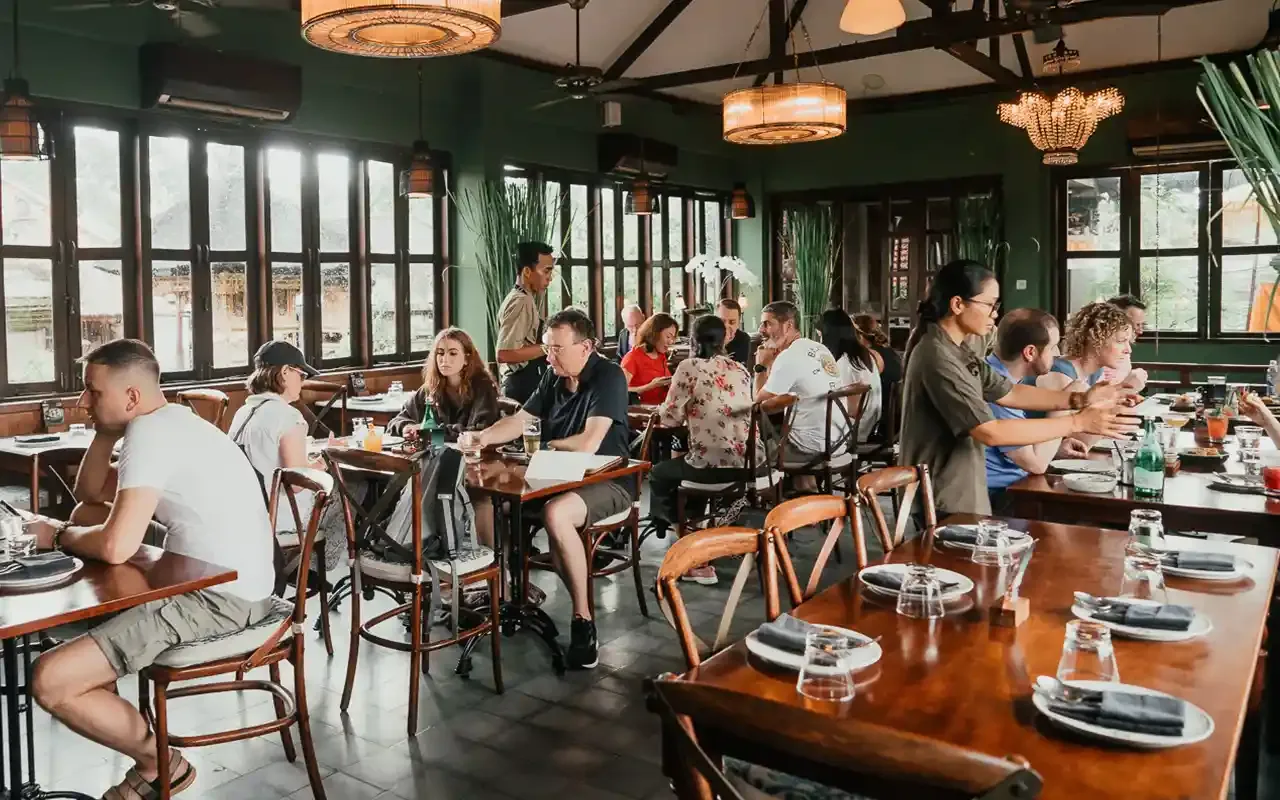
Will Meyrick’s Hujan Locale draws on his travels through Indonesia, bringing traditional recipes and modern interpretations into a menu designed around shared plates. The restaurant explicitly connects its cooking with Java, Sumatra, Sulawesi, and Bali, offering another way to see the archipelago’s diversity. Its starting point in street-food traditions gives the meal a different energy from a tightly choreographed tasting sequence.
This is a strong choice for friends or couples who enjoy choosing several dishes and discussing the contrasts as they eat. The point is the balance between familiar social dining and a chef’s interpretation of regional flavors. Hujan Locale’s current policy excludes children under twelve, so it should not be presented as an automatic family option. Its character is best appreciated as a lively, food-focused Ubud evening.
04 / 04
Kaum Bali: the meaning of a communal feast
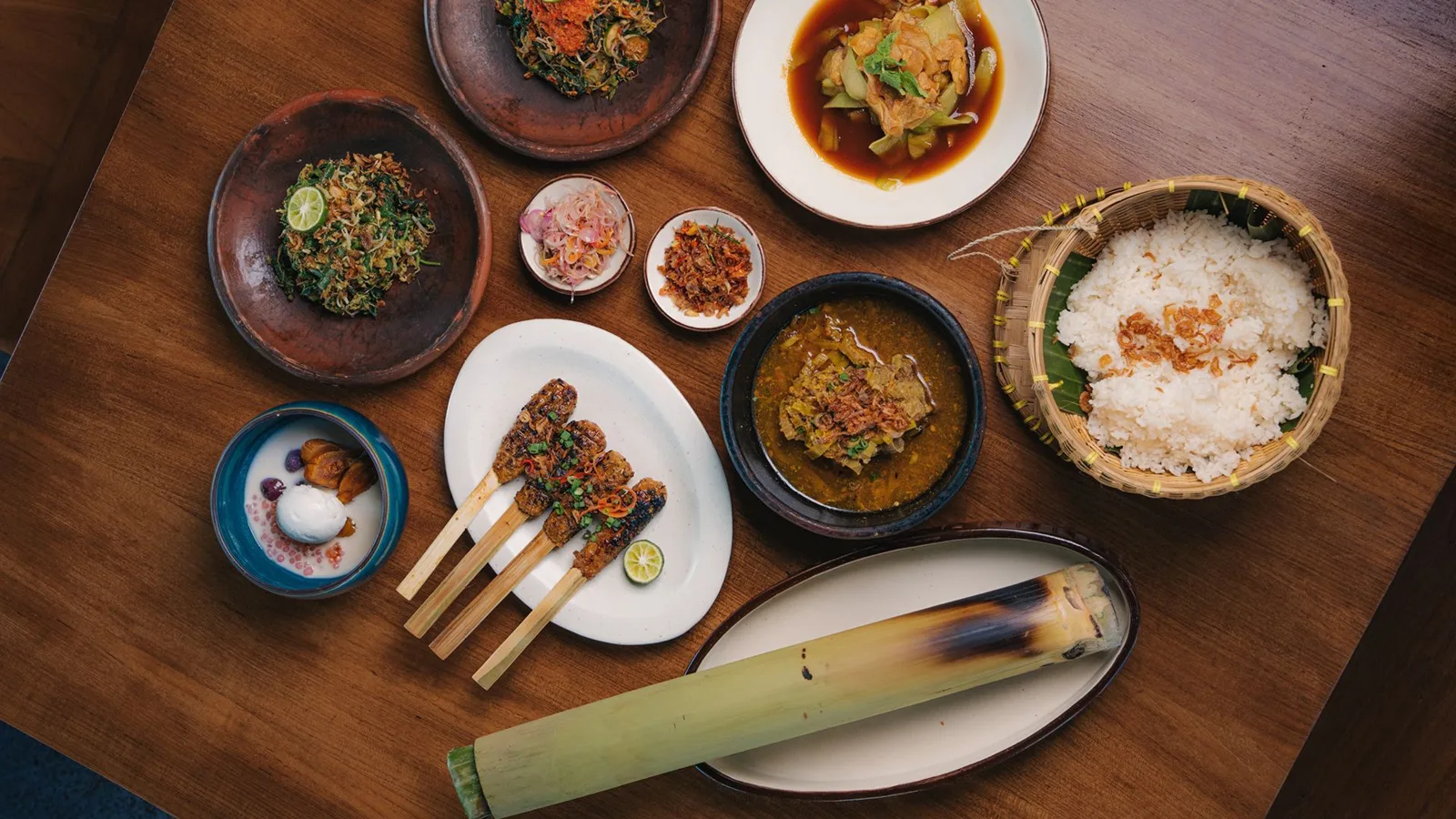
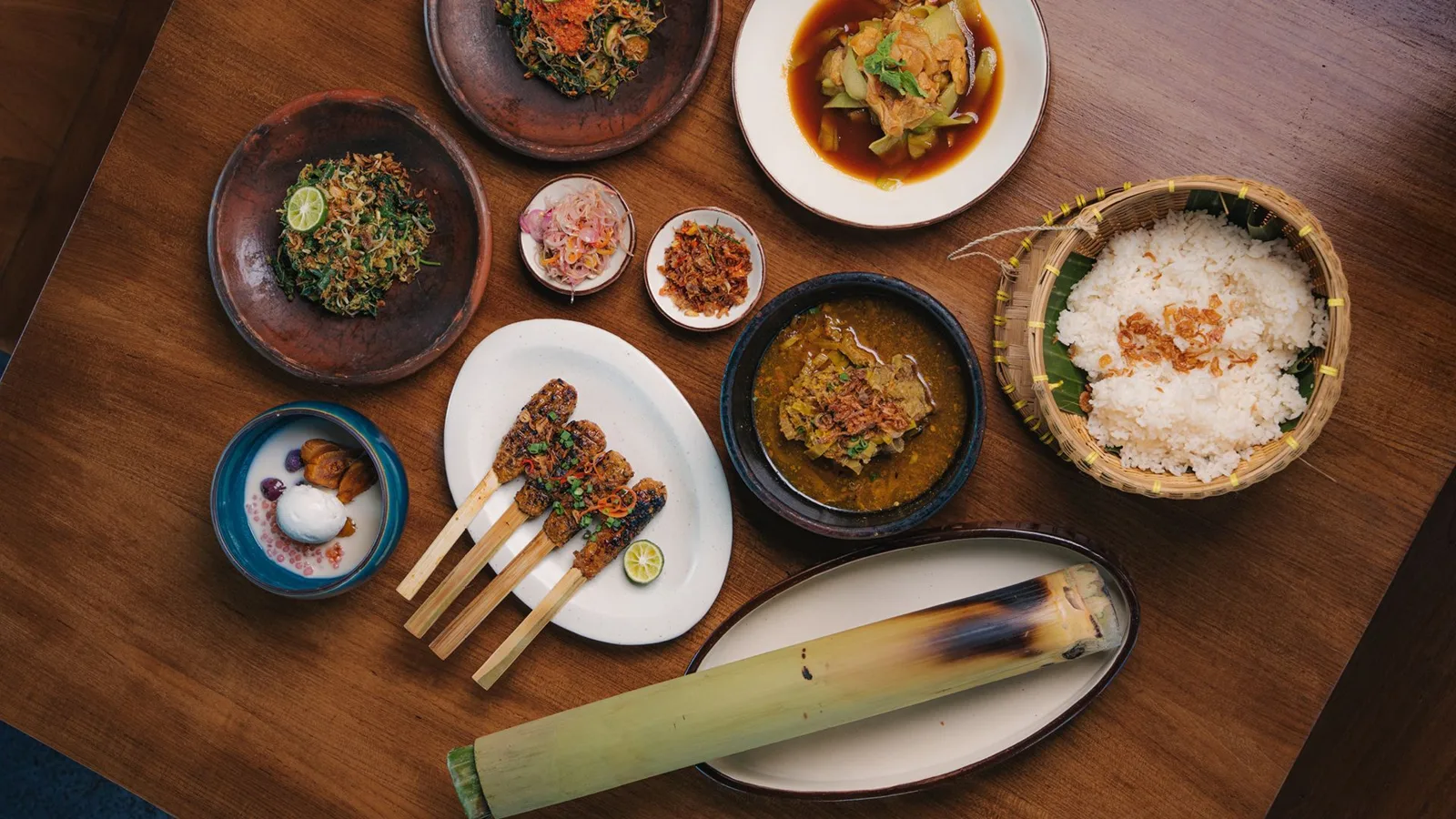
At Desa Potato Head in Seminyak, Kaum offers a coastal setting for exploring Indonesian food traditions. Its Journey Through Bali experience describes a communal arrangement of bamboo-cooked meats, chargrilled sate, sambals, and heritage rice. The significance is not only in the ingredients: the format encourages diners to understand a meal through combinations and sharing, rather than through a succession of separate personal plates.
Choose this experience for a group interested in the connection between cooking technique and the social life of food. It provides a particularly useful Balinese focus alongside the wider Indonesian references of the Ubud restaurants. The venue draws inspiration from ceremonial eating traditions, but a restaurant meal is not participation in a religious ceremony. Let that distinction preserve the cultural context while you enjoy the generosity of the table.
Make room for a memorable meal
The most illuminating pairing is Nusantara followed, on another day, by Locavore NXT: regional preservation and contemporary exploration become easier to understand in relation to each other. Add Hujan Locale when shared choice and conversation suit the evening, and give Kaum its own coastal day rather than commuting simply to complete the list. Review current dining formats and dietary terms, then allow the kitchens to express their own intentions. The reward is a more precise idea of Indonesian food, with Bali understood as both a distinct culinary home and a place where the wider archipelago can be encountered.
Our selections are editorial recommendations, not a formal ranking. Menus, opening dates and access can change; confirm directly before making plans.
Plan your stay with VICContinue your journey: Bali Beyond the Pool: Temples, Rice Terraces and Creative Tables, or explore Bali villas and travel advice.
Sources and planning references
Researched October 4, 2026. Check directly with venues for current opening days, reservations, seasonal access, and prices.
- Nusantara: regional knowledge served across the table — official source
- Nusantara: regional knowledge served across the table — official source
- Locavore NXT: imagining the future through Indonesian ingredients — official source
- Hujan Locale: street-food ideas with a contemporary Ubud setting — official source
- Kaum Bali: the meaning of a communal feast — official source
- Kaum Bali: the meaning of a communal feast — official source