 The villa collection
Lahaina, USA
 Exceptional Villas. Extraordinary Stays.A Part of the VIC Network
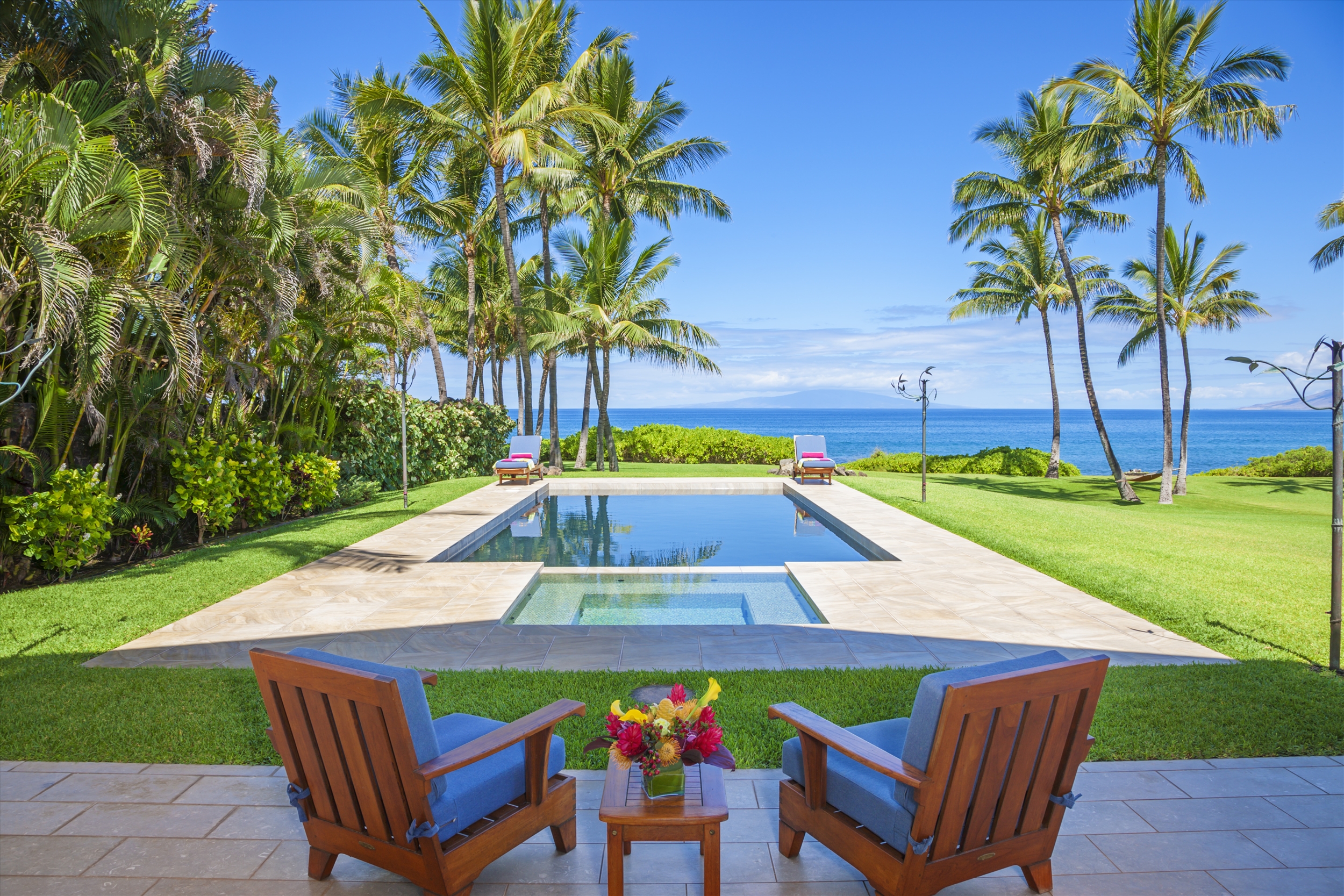
Hawaii
Explore Maui and plan a villa stay around your preferred setting, travel dates, and group.
Explore villas in Maui Plan a stay in MauiThe villa collectionLahaina, USA
 The villa collection
Lahaina, USA
 The villa collection
Lahaina, USA
 The villa collection
Lahaina, USA
THE VILLAS INTERNATIONAL DESTINATION GUIDE
A Maui villa stay can combine ocean time, mountain landscapes, and the everyday pleasures of cooking and gathering in a private home. The island's regions feel different: South Maui offers a practical beach-focused base, West Maui has its own coastal settings, and Upcountry brings cooler elevations and agricultural life. Choose with geography in mind rather than expecting to cross the island casually every day. Travel also comes with a responsibility to respect the people and places that make Maui a home. Lahaina's recovery continues, with some businesses welcoming visitors and other areas still requiring space and restricted access. Follow current local guidance and support open businesses without seeking out damaged neighborhoods. A well-planned holiday is both relaxed and considerate, leaving room for learning, a few meaningful outings, and plenty of time at the villa.
Wailea and nearby South Maui areas suit travelers who want a beach-oriented routine with restaurants and services within a manageable drive. Kīhei has a different, more everyday commercial character and can be useful for casual meals and supplies. In West Maui, Kāʻanapali and Kapalua offer distinct coastal settings; choose a specific address and route rather than treating the whole west side as one resort zone. Check current access guidance before planning any Lahaina visit.
Upcountry can appeal to travelers drawn to farms, towns, and a cooler setting, but it changes the effort required for beach days. Hāna is a separate destination whose remoteness should be part of its appeal, not an afterthought. Begin by choosing whether your priority is the south coast, west coast, or a quieter inland rhythm. Then compare driving routes to your main activities. A villa close to your preferred everyday beach often gives more freedom than a centrally described address with long daily transfers.
Maui's weather changes with elevation and exposure, so pack beyond beach clothing. Haleakalā can require warm layers even when the coast feels tropical, while wind and swell influence ocean activities. Make a daily conditions check part of the routine and use qualified local advice for water outings. A calm-looking photograph or another visitor's experience does not establish what is suitable on your day.
Reserve a vehicle that works for your group and luggage, and keep driving days realistic. The Road to Hāna is not simply a route to complete as quickly as possible; narrow roads, residents' access, and stopping restrictions require care. State parks and national park activities may need advance reservations, including nonresident visits to certain state parks and sunrise access at Haleakalā. Check official sources before building the itinerary. Keep a low-key day after a long excursion so early starts and road time do not define the entire holiday.
For a Maui villa, establish that the property is offered for the intended use and that its location fits your plans. Ask for clear occupancy rules, parking arrangements, and quiet hours, then select a house your group can enjoy within those expectations. Compare bedroom layouts and cooling carefully: a breezy living room does not mean every bedroom will feel equally comfortable. Shaded outdoor dining and a useful kitchen can make days at home especially rewarding.
Check pool protections, terrace edges, and the route to the beach if traveling with children. Oceanfront can mean rocks or strong surf rather than an easy swimming entry. Ask about nearby suitable alternatives and current conditions. Services such as housekeeping, cooking, and grocery stocking should be specified separately, including scheduling and ingredient costs. For a longer stay, laundry and practical storage may matter more than decorative features. The goal is a home that supports a respectful residential rhythm as well as a memorable holiday.
Maui's landscapes carry cultural significance beyond their recreational appeal. Learn place names, listen to local interpretation, and follow rules at sacred and protected sites. Stay on designated trails, avoid entering private land for a photograph, and give wildlife generous space. Organized volunteer opportunities can be meaningful when they are requested by the host organization and suited to your abilities; arriving unannounced is not a substitute for arranging participation.
For Lahaina, consult current county and tourism guidance, support businesses that are open and welcoming, and respect areas still involved in recovery. Do not treat disaster damage as sightseeing or press residents to discuss their experiences. Dining is another way to connect with the island's working community. Mama's Fish House, Merriman's Kapalua, and independent local businesses offer different perspectives on ingredients and hospitality. Reserve important meals, ask about seasonal choices, and spend across the communities you visit rather than concentrating every purchase in one place.
Wailea, Kīhei and Mākena are connected by the idea of South Maui, but they should not be treated as one uniform address. Wailea can suit guests who want restaurants and a polished resort-area setting nearby. Kīhei offers a different commercial rhythm, useful for ordinary shopping and casual meals. Mākena draws attention toward the shoreline and a less urban atmosphere. The right villa depends on which of those settings the group wants to use repeatedly, not simply which name sounds most exclusive.
Begin with the beach you expect to visit most often. Ask about the actual route from the property, parking, crossings and the practical place to enter the water. An ocean view does not establish that relationship. A family carrying towels and children’s equipment experiences distance differently from a couple walking with one small bag. Mark grocery options and dinner choices on the same plan. The ordinary journey made several times during the week is often more important than the possibility of a distant excursion.
A South Maui week can contain plenty of variety without crossing the island every day. Use one day for a suitable ocean outing, another for Upcountry and another for a focused cultural or town visit. Keep time for the house and familiar local places. The Maui dining and regional itinerary helps place restaurant occasions within that pattern, so the evening complements the day rather than becoming another lengthy drive after everyone is ready to relax.
Kāʻanapali and Kapalua provide different versions of a West Maui stay. A villa selection should explain how the home relates to the nearby beach, walking routes, dining and services. Resort-area names cover substantial differences in position. Ask whether the proposed address supports the activities you want on foot or whether each outing requires a car. A beautifully situated property can be an excellent choice even when driving is necessary, provided that is the holiday the group expects.
Kapalua may appeal to travelers who want to organize the week around its coastal setting and selected restaurant evenings. Merriman’s provides one well-defined dining possibility there. Kāʻanapali creates another local pattern, with its own beachfront activity. Compare the experience of an ordinary afternoon in each area instead of relying on a list of facilities somewhere nearby. Any access to hotel or resort amenities must be explicitly included or separately confirmed; a location within a named area does not establish membership or privileges.
For a West Maui base, keep the longer island outings selective. An early mountain departure or an East Maui road day can make the next morning at home especially welcome. Use current road and access guidance, particularly for journeys involving Lahaina. The point is to create a workable regional routine with a few meaningful contrasts. A villa should offer the feeling of having arrived somewhere, rather than serve mainly as the place where the group sleeps between drives.
Lahaina’s recovery should be approached through present local information rather than assumptions carried forward from an earlier travel story. Consult the County of Maui recovery website and official tourism guidance when planning. A business that is open and inviting customers can be supported without treating nearby recovery work as an attraction. Respect marked boundaries and do not seek access to closed areas for photographs. The town is a community with priorities that extend beyond a visitor’s itinerary.
Ask practical questions of the business you intend to visit: the correct entrance, current parking arrangements and any advice about the approach. Keep the request focused on the visit itself. Staff and residents should not be expected to recount personal experiences of the fires or recovery because a traveler is curious. An ordinary, respectful transaction can be a meaningful form of support. Listen if someone chooses to share, but allow people to decide what they wish to discuss.
Do not use a blanket description of West Maui as either unavailable or fully unchanged. Conditions and access can vary by place and date. The useful response is to verify the specific plan, follow directions and spend with businesses that welcome visitors. This allows the holiday to be both enjoyable and considerate. A well-informed visit makes room for the reality of the place rather than requiring it to match a remembered image or an outdated warning.
Makawao, Kula and the surrounding higher landscapes shift the emphasis from beaches to towns, agriculture and broad views. Choose an Upcountry day because that change interests the group, not simply because it fills the hours after another excursion. A farm visit, a town meal or a winery appointment can give the outing a clear purpose. Check the host’s current arrangements and allow enough time to enjoy the selected experience without immediately moving to the next one.
MauiWine in ʻUlupalakua provides one possibility for guests interested in wine and the setting in which it is produced. Its official site warns that navigation services may suggest an incorrect route and supplies directions using Highway 37. Follow the venue’s current approach information instead of improvising a shortcut based on a map. Arrange a suitable driver if tasting is part of the plan, and consider what non-drinking members of the group will enjoy during the visit.
A higher-elevation outing also changes what to bring. Layers and comfortable shoes can matter even when the villa’s morning feels warm. Keep the return and dinner straightforward. Upcountry deserves to be remembered for its own character, not as an exhausted final stop after a predawn summit visit and a long afternoon elsewhere. The Maui mountains and ocean article considers how to give these different environments separate, manageable days.
A Haleakalā outing should begin with the National Park Service’s current information. Sunrise has specific reservation arrangements, and the mountain environment differs sharply from a beach morning. Review the official sunrise guidance before selecting the date and organizing the group. A reservation is a practical requirement, not a promise of a particular sky or view. The experience should be chosen for the place itself, with realistic expectations about weather and the early start.
Warm clothing, appropriate footwear and preparation for the drive belong in the plan. The park’s guidance notes that food, clothing and fuel are not sold inside, so do not expect to solve missing essentials on arrival. Make the previous evening simple and avoid placing a demanding restaurant occasion immediately before a very early departure. Guests who are not enthusiastic about sunrise can enjoy a different outing; a successful group holiday need not require identical participation in every experience.
Keep the rest of the day modest. Breakfast, a return to the villa and time to rest may be more satisfying than an ambitious chain of additional attractions. If combining a mountain visit with Upcountry, choose one reasonable stop and remain responsive to fatigue. Respect the significance of Haleakalā to Native Hawaiians, stay within designated areas and allow cultural practice its space. The visit is richer when the landscape is treated as more than a backdrop for a photograph.
ʻĪao Valley State Monument offers a different landscape from the coast and summit. Consult the state park’s current information for reservations, entry and any temporary notices before placing it in the itinerary. At the editorial check on October 6, 2026, the DLNR page required advance entry and parking reservations for nonresidents. Future visitors should recheck the details for their own date rather than rely on an old screenshot or a general island guide.
Build a Central Maui day with a clear focus. A park visit can be followed by time in Wailuku or another practical local stop, rather than immediately turning into a drive to the opposite side of the island. The region is more than an arrival corridor between airport and villa. Give a meal or a town walk enough time to be an experience in itself. This can also be a useful alternative to a week composed entirely of beaches and resort restaurants.
Avoid using arrival or departure day for a tightly timed park visit unless the complete plan genuinely works. Flights, luggage and the need to reach the villa can make a reservation feel like pressure rather than a pleasure. A separate outing lets the group arrive prepared and leave without watching a flight deadline. The aim is to see the place at a comfortable pace, with the practical arrangements serving the visit rather than dominating it.
The Road to Hāna is a substantial journey through a lived-in landscape. Plan it around a limited number of legal, appropriate stops rather than a list of every roadside attraction mentioned online. Check road information, respect signs and do not obstruct residents’ access. A qualified local guide can help the group understand the area and avoid spending the day navigating unfamiliar roads. Whether guided or independent, the outing should be chosen with the party’s patience and comfort in mind.
Waiʻānapanapa State Park is a specific destination with its own booking requirements. Review the official park page and reservation system for the actual visit. A time slot should be integrated into a realistic journey, not used to justify rushing along the road. The black-sand shore is part of a broader cultural and natural setting; remain on permitted routes and follow current local directions rather than seeking an unmarked shortcut to a photograph.
Hāna can also be considered as a separate stay when its remoteness is a central attraction. That is a different holiday choice from a long day trip out of South or West Maui. Compare the two honestly. Travelers who want repeated leisurely mornings in the east may benefit from staying there, while others will prefer one thoughtfully planned excursion. Do not turn distance into an obligation merely because the route is famous. The island offers rewarding days without requiring every visitor to complete the same circuit.
A statewide notice should be read carefully for the island and park it actually names. As checked on October 6, 2026, the DLNR’s current notices listed Maui and Molokaʻi park reopenings while identifying Polipoli as remaining closed because of downed trees. Its Waiʻānapanapa notice referred to restored water and a September 29 reopening. Use the live state park notices before traveling; this dated editorial note is not a guarantee of access on a later day.
The same care applies to national park areas. The Haleakalā conditions page states that the Pools of ʻOheʻo are not accessible for swimming. A scenic view of water should not be interpreted as permission to enter it. Keep protected-area rules attached to the actual outing rather than relying on a general impression that a site is open. Different activities can have different restrictions within the same destination.
Give the week an alternative that does not depend on a particular trail or park. A local meal, a cultural visit or a villa afternoon can provide a satisfying substitute if conditions change. Flexibility is easier when the group has already agreed that the holiday is not a test of completing every planned experience. A changed route can preserve the day’s pleasure while respecting the work required to maintain access and protect the places people have come to see.
A Maui property may face the ocean across rocks, a steep shore or a beach whose conditions vary. Ask for the exact access and the type of shoreline, not just the view description. If swimming is a daily priority, identify a suitable nearby option and understand how the group will reach it. Families need to consider shade, facilities and the practical approach as well as the water itself. A beautiful coastline can be enjoyed without assuming it is appropriate for every swimmer.
Check conditions locally each day and use lifeguarded beaches where appropriate. Wind and swell can change the character of an outing, and confidence from a previous holiday is not a substitute for current advice. A guided ocean activity should be matched to ability and comfort. Tell the operator about inexperienced swimmers before booking rather than hoping the conditions will make the issue irrelevant. The right experience allows everyone to participate within their capabilities.
A villa pool can provide a reliable place for a quiet afternoon, subject to its own supervision and protection arrangements. It is particularly useful when an ocean plan changes or the group wants different levels of activity. Confirm pool details individually, including heating if it matters for the dates. The Maui villa selection should be explored with the desired relationship to water clearly stated: frequent beach visits, occasional boat outings or primarily private pool time.
An ocean excursion should begin with the people going. Describe ages, swimming ability, comfort on a boat and the amount of time the group wants to spend on the water. Ask about shade, boarding, facilities and the way participants enter and leave the sea. These details matter more to the day’s success than a dramatic promotional photograph. A shorter outing with a suitable vessel can be more rewarding than a longer itinerary that leaves part of the party uncomfortable.
Let the operator advise on a route appropriate to conditions. A named snorkeling site should not become a demand that overrides local judgment. Clarify what happens if the preferred location is unsuitable and what the cancellation or alternative arrangements mean. Wildlife should be observed without crowding or interference, following current official guidance and the crew’s instructions. The quality of an encounter is not measured by proximity or the ability to obtain a particular photograph.
After a substantial boat trip, leave the evening easy. A return to the villa, time to shower and a simple meal may be exactly what the group wants. Do not assume the advertised docking time is the moment everyone will be ready for a formal reservation. A private house is valuable because it can absorb these transitions comfortably. Use that advantage instead of making the sea day only the first half of an overfilled schedule.
Lineage in Wailea, Merriman’s in Kapalua and Mama’s Fish House on the North Shore create three geographically distinct dining possibilities. Choose according to the base and the kind of meal you want. A North Shore reservation should not be treated as a casual local dinner from every villa on the island. Look at the full journey and build a coherent day around it. The restaurant’s appeal deserves enough time to be enjoyed without a hurried arrival or an exhausting return.
Review current menus and booking terms through the venues themselves. Lineage describes an approach shaped by family traditions and Asian-American cooking; Merriman’s presents a Hawaiʻi Regional Cuisine focus. Let these differences help determine which evening suits the group. Avoid fixing the whole experience around a dish seen in an old menu. Seasonal changes can be part of the interest, and a conversation about ingredients may reveal more than a demand for something no longer offered.
Keep local casual meals and the villa kitchen in the week too. A celebratory table is more memorable when it is not repeated at the same level of formality every night. For groups comparing other Hawaiian stays, the Kauaʻi guide offers a different island context, while the Big Island guide introduces another set of landscapes and dining journeys. Each island should have its own practical plan rather than inherit the same schedule.
A villa kitchen can turn a shopping trip into part of the holiday. Buy ingredients for meals the group genuinely intends to prepare, and think about storage and the time before returning home. A simple breakfast or lunch can make good use of fresh produce without requiring an elaborate recipe. Ask the property team about nearby practical shopping rather than spending an entire afternoon pursuing a supposedly essential item from a distant market.
If a chef is separately arranged, agree on sourcing before buying ingredients for the planned meal. The cook may already have selected the menu or may welcome a particular request when given time. Clarify preparation, service, cleanup and costs, along with dietary requirements. Describe the atmosphere you want: a family supper, a relaxed sharing meal or a celebration. The best private dinner responds to the people and the house instead of reproducing a restaurant format automatically.
Outdoor dining should work for the entire group. Ask about shade, lighting and a comfortable alternative if wind or weather changes. A lānai with a lovely view may not have enough seating for the occupancy shown in the listing. Practical questions at booking help the stay feel effortless later. The value of eating at home is the ability to remain together without another journey, allowing children to settle and adults to continue the conversation at their own pace.
Use the arrival afternoon for groceries, settling into the house and an uncomplicated meal. The first full day can stay close to the chosen South Maui beach area, establishing the local route and a familiar place for lunch. A planned ocean outing might occupy another morning, followed by villa time. Leave an entire day open enough for the group to repeat what it enjoyed rather than immediately search for a new experience.
Choose one substantial inland day, perhaps Upcountry or a carefully prepared Haleakalā visit, and avoid placing it beside an equally demanding East Maui road day. A Central Maui outing can offer another contrast at a more measured pace. Put a special dinner on a day with a gentle afternoon so guests are ready to enjoy the occasion. This creates variety without turning every sunrise into a departure signal.
If Hāna is a strong priority, give it a proper place in the week and simplify another day. Do not add it merely because an itinerary template says it belongs. A seven-night stay has limits, and those limits can make the holiday more satisfying when they encourage deliberate choices. The final day should remain useful for a weather-adjusted plan, a favorite beach or simply the house. A little space lets the trip respond to the people who are actually there.
For a Kāʻanapali or Kapalua base, begin with the nearby coast rather than immediately driving elsewhere. Learn the daily route, confirm local dining and identify the pickup point for any arranged excursion. A villa stay becomes easier when guests can make small independent choices without consulting the organizer each time. Give that familiarity time to develop before introducing the longest journey of the week.
Choose one major cross-island outing and place a quiet day around it. A restaurant reservation in Kapalua can then become a local highlight rather than another transfer. If the group wants to support a particular open Lahaina business, verify its current access and make that the specific purpose of the visit. Keep the plan grounded in present information and the business’s own invitation to customers.
A week can include swimming, a boat experience, a cultural outing and several meals without requiring daily movement between regions. Guests who want more extensive touring may benefit from a longer stay or a different structure. Be honest about whether the villa is intended as a retreat or a touring base. Either can work, but the most successful itinerary reflects the choice instead of promising both without acknowledging the time each requires.
Begin with bedroom relationships, cooling and the spaces people will share. An attractive primary suite is only part of the accommodation. Ask how the other bedrooms compare, whether bathrooms are private and whether any sleeping area is separated from the main house. Parents may need children nearby, while friends may value independence. A floor plan can answer questions that a gallery arranged around the most photogenic rooms leaves unclear.
For a residential setting, understand occupancy, parking and quiet hours before imagining the holiday’s social life. A family reunion dinner for registered guests and a larger event are different uses. Ask directly about any celebration and obtain confirmation before arranging outside visitors or entertainment. A suitable villa is one the group can enjoy within its actual terms, not one that requires exceptions after arrival to make the planned stay work.
Confirm services in writing. Housekeeping frequency, laundry access, groceries and chef arrangements vary by property. A broad luxury label should not replace the specific offer. The details may seem ordinary, but they determine how the house supports a week of beach clothes, changing schedules and shared meals. A well-matched home makes those routines easy enough that guests can give their attention to Maui and one another.
A second island can add contrast, but it also adds packing, airport time and another check-in. Compare that cost in holiday hours with the experience you hope to gain. Kauaʻi and the Big Island should be chosen for their own character, not simply to increase the number of islands visited. Each deserves enough time for a local routine and a plan suited to current conditions.
Keep a transfer day relatively simple. A major restaurant occasion immediately after arrival may be vulnerable to delays and fatigue, while a modest first meal leaves room to settle in. Confirm luggage capacity and the next property’s access arrangements before leaving Maui. The practical work of changing homes should be acknowledged rather than hidden inside an itinerary that appears leisurely only on paper.
If the group is enjoying a settled rhythm, remaining on Maui can be equally rewarding. A second week allows revisiting favorite places, adding one thoughtful excursion and spending more time in the villa. Familiarity is not the absence of discovery. It can reveal the island through repeated small encounters that a faster journey never has time to notice. Choose depth or variety according to the people traveling, and let that choice guide the final shape of the holiday.
Kahului Airport is the usual starting point for a Maui stay, but the villa’s final approach deserves just as much attention as the flight. Ask for arrival instructions that identify the correct entrance, parking area and contact on duty. An address alone may not explain a gate, a building within a larger development or where the luggage should be unloaded. Share the flight number and update the local contact if the arrival changes. For a group using several flights, nominate one person to coordinate access so that the host receives a coherent plan.
Decide whether groceries should arrive before the guests or whether the first evening will use a simple nearby meal. Prioritize drinking water, breakfast, coffee and whatever the youngest travelers will need immediately. A large supermarket stop with everyone and their luggage can consume the most tired part of the day. Where advance stocking is available, confirm how substitutions, charges and cold storage are handled. Avoid ordering an elaborate week of food before deciding which evenings will be spent out.
Use the arrival walkthrough to learn the house rather than rushing past it. Identify door locks, air conditioning controls, pool access, outdoor lighting and where beach equipment belongs after use. Confirm rubbish collection and parking rules. These modest details free the next morning for Maui itself. The first full day should favor a local beach, the villa and a meal nearby rather than an inflexible early excursion made vulnerable by delayed flights.
A larger Maui property can make an extended family holiday feel generous, but its overnight guest capacity does not automatically allow a party, wedding or commercial event. Describe any proposed gathering before booking, including outside guests, musicians, catering teams and delivery vehicles. Obtain the relevant property permissions in writing and ask whether additional local approvals are needed. A private dinner for registered guests and a reception with visitors are different arrangements. The attractive terrace in a photograph does not answer those questions.
Remote work needs similarly specific preparation. Ask about a quiet room with a closable door, the location of the router and any available connection information, without assuming that a headline internet claim guarantees performance throughout the property. Hawaii’s time difference from mainland colleagues may move calls into the early morning. A workspace beside the breakfast table can therefore affect everyone’s holiday. If several guests will work, plan separate spaces and test the setup on arrival rather than just before an important meeting.
For milestone occasions, focus first on what can be arranged well inside the confirmed rules: flowers waiting at the villa, a thoughtfully planned meal, an agreed photographer visit or an afternoon together without a schedule. Keep service arrival times clear and appoint one decision maker. The strongest celebration is comfortable for the hosts, guests and neighborhood alike. It should leave room for the island rather than turn every day into an event that needs managing.
A useful request includes dates, the number of adults and children, preferred bedroom arrangements and the reason for the trip. Add the details that can change the shortlist: step-free access needs, a pool barrier requirement, air conditioning in every bedroom, a preference for walking to the beach or space for meals prepared at home. Explain which one or two requirements matter most. An ocean view and a practical beach route are separate features; distinguishing them helps the team avoid suggesting a beautiful home that will be inconvenient for your group.
Describe your likely day pattern too. A family expecting to stay close to Wailea most days needs a different base from travelers planning several North Shore and Upcountry visits. If the group is undecided, use the Maui destination page to begin with regions before debating individual amenities. The purpose of the first conversation is to narrow the geographical choice, clarify what is available for the dates and identify the questions that need property-specific answers.
Before confirming, request the full quoted amount, payment schedule, cancellation conditions and a clear list of included services. Treat chefs, transfers, extra housekeeping and special experiences as separate arrangements unless the written offer includes them. The practical detail protects the sense of ease you are buying. Once the home and essential bookings are settled, leave enough unscheduled hours for another ocean morning, an unhurried lunch or an evening that ends exactly where it began: together at the villa.
Choose the region that fits the activities you want nearby. Wailea and Mākena support a South Maui routine; Kāʻanapali and Kapalua place you in West Maui. Compare the actual property location and journeys rather than expecting every part of the island to be equally convenient.
Some visits require advance arrangements. Consult the National Park Service for Haleakalā sunrise and Hawaiʻi State Parks for nonresident visits to ʻĪao Valley and Waiʻānapanapa. Requirements, availability and temporary access notices should be checked for your travel date.
Not necessarily. Confirm the property’s permitted beach access separately and seek local advice about current ocean conditions. An oceanfront position does not establish that the water is suitable for swimming.
Chef services may be arranged subject to the specific property, provider and date. Request a written proposal showing the menu, staffing, ingredients, cleanup and any separate charges. Do not assume the villa rental automatically includes these services.
Consult the official references for current reservations, seasonal access and opening information.
Send your travel dates, group size, budget, and preferences using the form below. Your inquiry starts the selection process; it does not confirm a reservation.
Include the services you would like in your inquiry. Service availability, staffing, and costs must be confirmed for your selected villa.
Our villa collection is supported by VIC Network operations. Rates are indicative; live availability and final pricing require confirmation.
YOUR NEXT CHAPTER
Share a few details. Your ideal escape starts here.