 The villa collection
Big Island, USA
 Exceptional Villas. Extraordinary Stays.A Part of the VIC Network

Hawaii
Explore Big Island and plan a villa stay around your preferred setting, travel dates, and group.
Explore villas in Big Island Plan a stay in Big IslandThe villa collectionBig Island, USA
 The villa collection
Big Island, USA
 The villa collection
Kailua Kona, USA
 The villa collection
Kailua Kona, USA
 The villa collection
Kailua Kona, USA
 The villa collection
Kailua Kona, USA
 The villa collection
Kailua Kona, USA
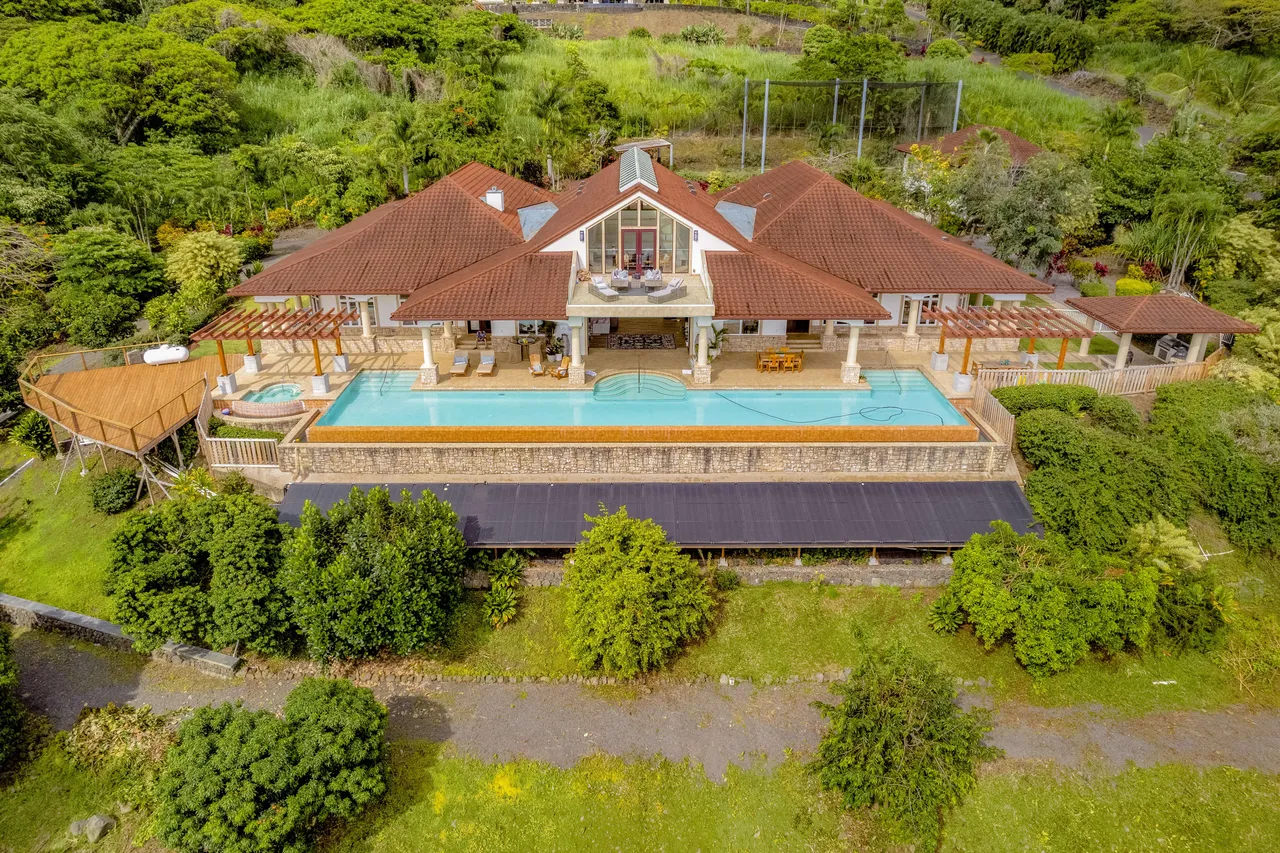 The villa collection
Kailua Kona, USA
 The villa collection
Kailua Kona, USA
 The villa collection
Kailua Kona, USA
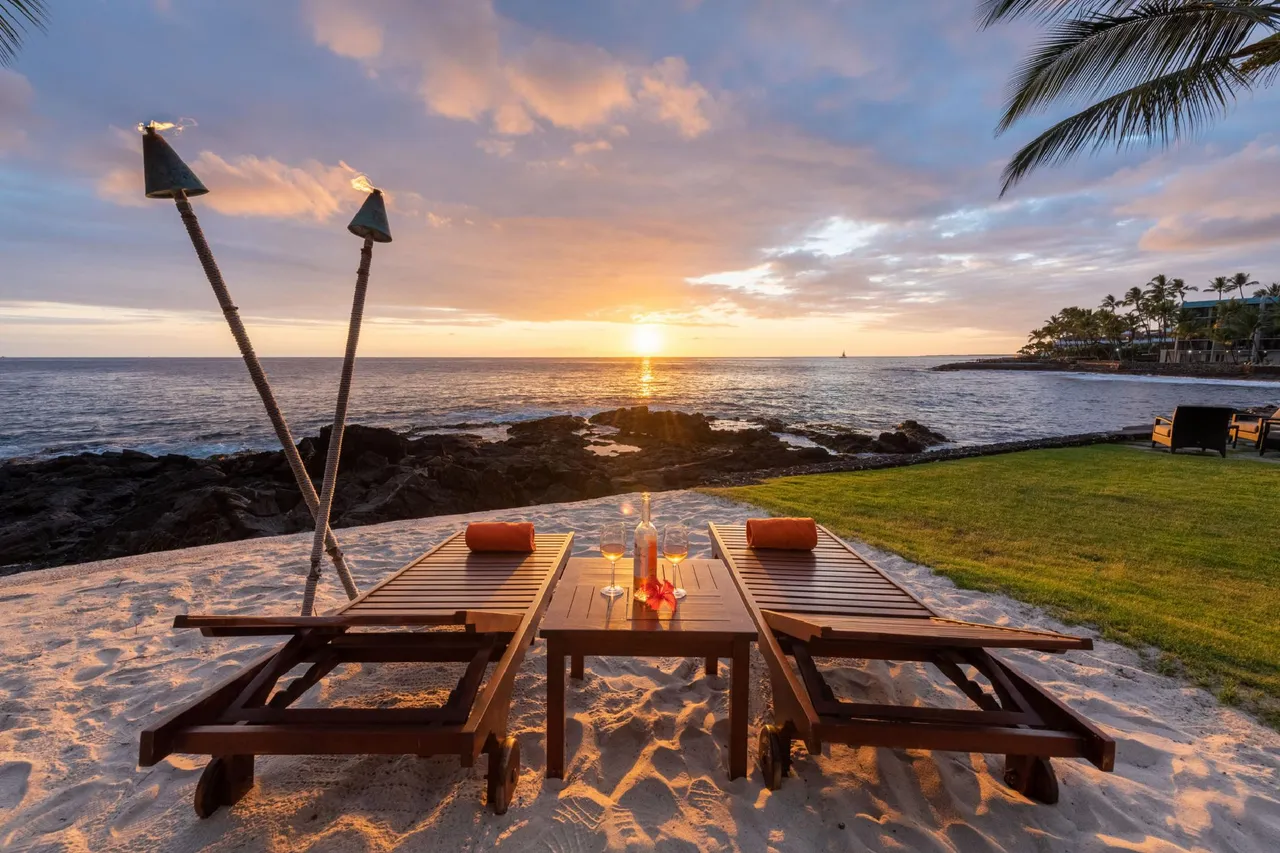 The villa collection
Kailua Kona, USA
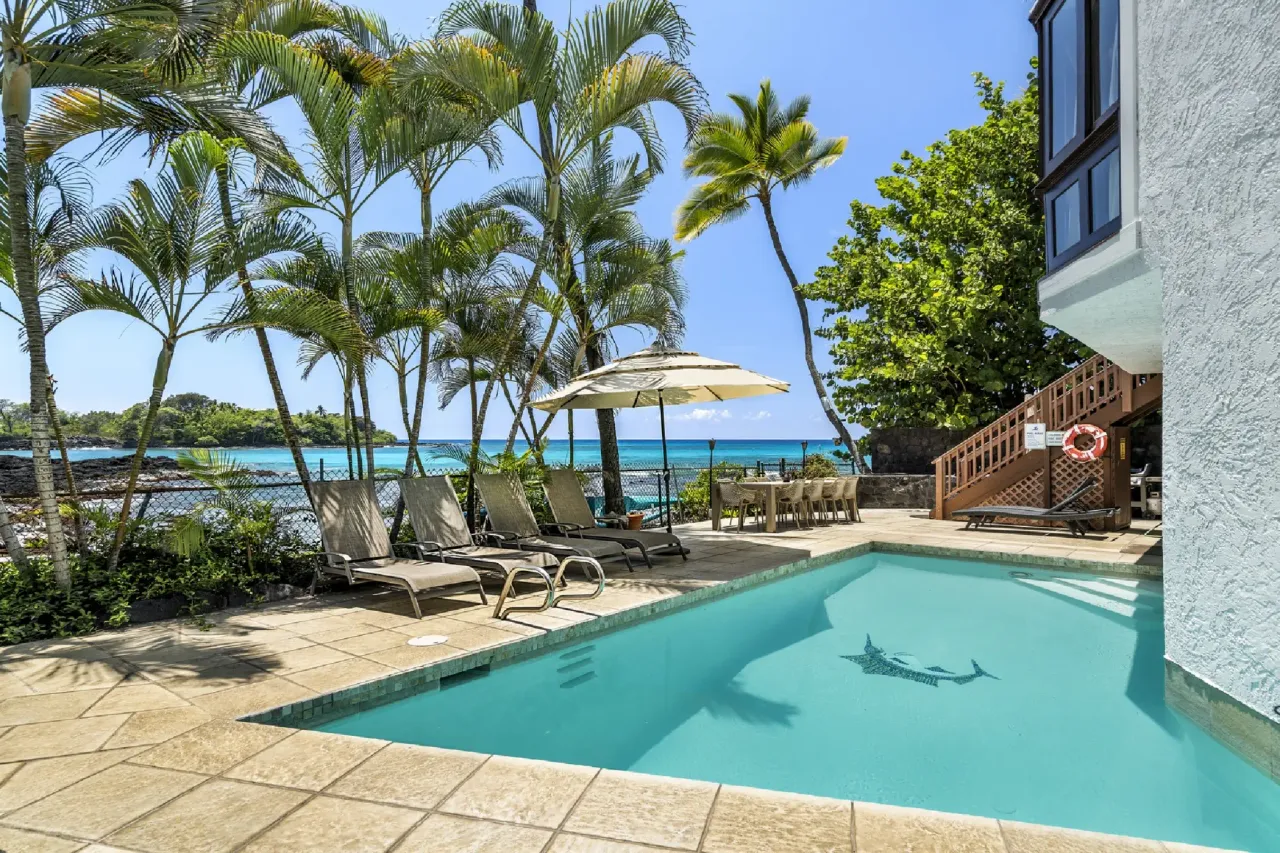 The villa collection
Kailua Kona, USA
THE VILLAS INTERNATIONAL DESTINATION GUIDE
The island of Hawaiʻi rewards a villa holiday with a clear geographical center. Kona town, the western resort coast, Waimea, Hilo and the volcano region each offer a different relationship with the island. Choose the daily life you want first, then let a few purposeful excursions reveal the contrasts without turning every morning into another long drive.
A Big Island luxury villa rental should be chosen with a map beside the photographs. The island of Hawaiʻi is not a compact resort setting where every celebrated place belongs to the same easy day trip. A villa near Kailua-Kona, a residence on the Kohala Coast and a stay near Hilo organize the holiday differently. The landscapes change, but so do the journeys, the dining choices and the amount of time left at home. Decide which region should carry the majority of the stay before selecting the most dramatic house.
A western base can suit travelers who want a private pool, selected coastal outings and restaurant evenings. Guests whose principal interests lie around Hilo or Hawaiʻi Volcanoes National Park should consider the time required to explore those areas properly. A longer journey may justify two bases; a short break may be better with one well-chosen region and fewer distant ambitions. The island's variety is an invitation to make thoughtful choices, not a requirement to complete a circuit of every landscape before departure.
Start with the Big Island villa collection and describe the ordinary day you hope to enjoy. Include the preferred relationship with the beach, the amount of driving you are comfortable with and whether resort facilities matter. An ocean view, a shoreline location and a sandy beach access are separate features. A useful shortlist explains which each property provides, allowing the beauty of the setting to be understood alongside the practical experience of living there for a week.
Kona and the Kohala Coast are often grouped together in luxury travel descriptions, but a villa inquiry benefits from greater precision. Kailua-Kona's waterfront town setting differs from residences farther north in resort communities or along the broader coast. South Kona introduces another route again. Ask where the property sits in relation to the airport, the restaurants you want and the activities likely to recur. A generalized coastal label cannot establish whether a short town visit or a particular beach outing will feel spontaneous or require a planned drive.
The right location depends on the group's habits. Travelers who enjoy returning to town for a casual meal may value proximity differently from a family expecting most lunches and dinners at the villa. Golfers may prioritize a confirmed relationship with a particular course, while non-players may care more about the pool terrace and beach arrangements. Let those needs shape the address rather than trying to solve them after the property has been selected. A house is part of a daily network of movements, not an isolated object on a scenic coast.
Compare complete proposals for the requested dates. A residence with an impressive resort name may offer different privileges from another nearby property, and access can depend on the precise reservation. Ask which facilities are included, what additional charges apply and what needs advance booking. If the answer is unclear, keep the shortlist open. The value of a private villa lies partly in the freedom it provides, and that freedom is easier to enjoy when the important arrangements have been made explicit.
Pay attention to names that carry more than one association. A coastal resort reference and a mountain excursion can sound related while involving entirely different locations and arrangements. Have the itinerary identify the actual destination rather than relying on shorthand. This is especially useful when sharing plans among several travelers, each of whom may recognize a name from a different article or previous visit. Precision keeps expectations aligned before reservations and transport are organized.
Hualālai is a specific name in the western luxury-resort conversation, and it should be used carefully. A property described in relation to the area does not automatically include every facility associated with a nearby resort. Confirm the exact community and the access attached to the residence. Golf, pools, beach services, fitness facilities and dining reservations are different subjects. The proposal should explain the ones that matter to your party rather than allowing a recognizable name to stand in for a detailed account of the stay.
At the villa itself, review the layout and the spaces the group will actually use. The relationship between bedrooms can be more important than a spectacular principal suite, particularly for families or friends who want comparable privacy. A shaded lanai, a full-size dining arrangement and an indoor room comfortable for everyone make the house useful across the day. Ask how guests move between the residence and any confirmed facilities, including what happens when the party separates for different activities. Independence should be practical, not merely an idea suggested by the setting.
Dining can provide a reason to leave the house without making every evening an expedition. Four Seasons Resort Hualālai currently lists venues including ʻULU, NOIO, Miller & Lux Hualalai and Beach Tree. They represent distinct dining possibilities, with the current restaurant and outside-guest arrangements verified directly. Choose the occasion and cuisine that complement the week's meals at home. A restaurant reservation should never be treated as permission to use other resort facilities unless those arrangements have been separately confirmed.
Waikoloa and Mauna Lani belong in a broader Kohala Coast search, but their names should not be treated as interchangeable. The particular development, road and beach relationship determine how a villa stay unfolds. Ask where the nearest useful shopping, dining and beach access actually are, and how the group will reach them. A property may be visually close to the ocean while its practical route to sand is quite different. The most helpful description connects the residence to the places guests will use repeatedly.
If club or resort access is important, establish the precise benefits in the proposal. A beach-club reference may involve a particular facility and conditions rather than an unrestricted invitation to everything nearby. The same applies to golf and fitness. Decide which amenities would genuinely improve the stay and which would remain unused. A villa with excellent private living space may need fewer external facilities than the first wishlist suggests, while a group planning organized activities every day should give confirmed access much greater weight.
CanoeHouse at Mauna Lani is a named option for an oceanfront dinner, with Japanese-inspired cooking described in the resort's current dining information. It can be an occasion within a locally focused evening rather than the end of an overloaded island circuit. Reserve the actual table and arrange the return transport. The surrounding resort's other facilities remain separate from the dining booking. Clear expectations allow the meal to be enjoyed for its own setting and food without relying on benefits that were never part of the reservation.
Hāpuna Beach is an important reference when considering a sandy outing on the Kohala Coast. Use current state information to plan access and follow on-site guidance about the day's water conditions. A wide, attractive beach does not mean swimming is appropriate at every time. Some guests may be happiest walking or sitting on the sand, while others need advice from the relevant local professionals before entering the water. The day should accommodate those differences rather than assume one activity is suitable for everyone.
Access note reviewed October 6, 2026: the state parks notice dated October 5 lists the Waialea section of Hāpuna as closed because of fallen trees, with other restrictions affecting some island parks. It also announces October 10 closures at Kekaha Kai, Kīholo and Lapakahi associated with the Kona Ironman. Check the official DLNR notice on the Hāpuna page again before traveling; these are dated operating details, not permanent descriptions of the coast.
For the villa shortlist, separate the wish for a beach day from the wish for immediate beach access. Some groups will happily make a deliberate outing and spend most afternoons by the private pool. Others want sand available as part of the daily routine and should prioritize that actual route. Ask what equipment is provided, what needs to be brought and how the journey works with children or less mobile guests. The best choice makes the desired beach experience practical without asking a photograph to imply more than it shows.
Kailua-Kona offers a different relationship with the island from a residence focused entirely on resort grounds. Its waterfront, streets and historical places make it a useful center for a western stay. Huliheʻe Palace and Mokuʻaikaua Church are names to investigate through current visitor information when planning a cultural outing. The town should not be reduced to a collection of restaurant addresses between excursions. Leave time to walk a manageable route, sit and notice how everyday life and the visitor experience share the same coastal setting.
A villa near town may suit travelers who want several shorter outings rather than a small number of long days away. A casual meal, a coffee stop or a return to the waterfront can become part of the week. A more distant house may provide a stronger sense of retreat, which can be equally appealing if that is the priority. Compare those patterns honestly. The location that sounds most secluded may not be the best fit for guests who expect independent evenings and frequent changes of scene.
Plan the town visit at a comfortable pace and connect it with nearby interests. Avoid scheduling a distant reservation immediately afterward merely because the day's first stop seems brief. A private villa gives the freedom to follow an interesting conversation or remain longer in one place. That flexibility is most valuable when the itinerary has not already assigned every remaining hour. Kona can become familiar over several visits, offering a social counterpoint to quieter time at the residence without needing to be experienced all at once.
Keauhou, south of Kailua-Kona, introduces a different local pattern for a villa stay. Its location can support selected South Kona outings, with the house serving as a comfortable point of return. Ask how the specific property relates to shopping, dining and the activities the group hopes to arrange. A broad coastal label should not hide the difference between a residence near a useful daily route and one that requires a separate journey whenever guests leave. The right answer depends on how much movement the party actually wants.
Ocean experiences should be chosen through reputable operators with a clear understanding of the travelers' abilities and comfort. A manta-ray outing or snorkeling trip may be appealing, but it should not become compulsory simply because it appears on a destination highlights list. Discuss the particular experience, equipment and conditions with the provider. Guests who prefer to remain at the villa can have an equally satisfying evening when meals and transport have been organized with that possibility in mind.
South Kona also lends itself to a cultural and agricultural day rather than an indiscriminate string of stops. Choose one important historical site and perhaps a coffee-related visit, leaving room for lunch and the actual journey. This produces a more coherent experience than alternating long drives north and south because each attraction looked attractive in isolation. A good regional plan recognizes that time at the villa is part of the holiday's value, not merely the empty space left between excursions.
Kaloko-Honokōhau National Historical Park offers a way to encounter the Kona coast through Hawaiian knowledge, settlement and resource management. Its fishponds and cultural landscape invite a different kind of attention from a beach visit. Use the National Park Service's current information and interpretation to understand what is being seen. A visit can be meaningful without being long, provided the group allows time to listen, read and observe rather than treating the landscape as another scenic background for photographs.
Ask what route suits the travelers and the conditions. Shade, surfaces and the distance people are comfortable walking should influence the plan. Follow designated access and give wildlife space. The point is not to move as close as possible to every feature, but to understand the relationships among shore, water and the people who have cared for the place. An attentive visit can change the way the coastline outside the villa is perceived for the rest of the week.
Place this kind of cultural experience early enough in the stay that it can inform later observations. A quiet afternoon at home may then feel less detached from the island's history. The sea view becomes part of a lived environment rather than an abstract luxury amenity. This is one reason to choose a few substantial visits instead of many superficial ones: their value continues after the outing ends, entering conversations at breakfast and helping the group notice more during ordinary days along the coast.
Puʻuhonua o Hōnaunau National Historical Park preserves a place of refuge and associated royal grounds on the South Kona coast. Its setting is striking, but the cultural significance should organize the visit. Read the official interpretation and follow the park's current guidance around sacred and historical features. A visitor does not need to arrive as an expert, but should arrive ready to learn. That willingness is more useful than trying to reproduce a photograph without understanding the place in which it was taken.
Give the visit enough room to be the central experience of a South Kona day. A meal and one carefully chosen additional stop may be plenty. The relationship between the grounds and the sea deserves time, and the group's attention is a limited resource. If some guests move more slowly, choose a suitable route and meeting arrangement rather than letting the outing become a race. A private itinerary can accommodate those differences more gracefully than a schedule designed only to maximize the number of stops.
The return to the villa should remain measured. After a meaningful cultural visit, a simple dinner and time to talk may be more rewarding than another formal evening out. Discuss that rhythm with the household or concierge team if meals are being arranged. The experience can become part of the stay rather than an isolated obligation on a sightseeing list. Luxury in this context is partly the ability to give an important place the attention it deserves and still return to a comfortable, unhurried evening.
The uplands above Kona introduce an agricultural dimension to the holiday. Hōlualoa is a useful reference for a different atmosphere from the waterfront, and a producer visit can connect the familiar name Kona coffee with growing and processing. Choose the experience through current operator information rather than assuming every farm welcomes unarranged visitors. Decide whether the group wants a short introduction, a more detailed tour or simply a thoughtful tasting. The right visit should fit the travelers' curiosity and the time available.
Kona Coffee and Tea provides a named local producer and café to investigate, with its own current tour and product information. Ask about origin, preparation and the differences between the coffees offered. A tasting becomes more interesting when it moves beyond buying a bag because the regional name is famous. Guests may prefer different styles, and those preferences can make the conversation more engaging. There is no need to adopt a specialist vocabulary to notice what each person enjoys in the cup.
Bring the experience back to the villa in a practical way. Check the brewing equipment before buying coffee for the stay, and ask how the selected beans are best prepared. The next morning's breakfast can carry a direct connection to the previous day's outing. This is a modest but satisfying form of continuity. The island becomes present in an ordinary ritual, which may leave a stronger memory than another ambitious excursion whose details blur into the rest of a crowded itinerary.
Waimea offers a contrast to the coast and a reason to think about the island through agriculture and food. An outing here can be shaped around a meal and a few local interests rather than a rushed detour during a long drive. The change in setting is part of the experience. Ask the local team about the route and what would be worth including for the group's particular interests, leaving enough time to notice the transition from the villa's coastal surroundings to the uplands.
Merriman's Waimea is a specific dining reference, with a long-standing emphasis on island ingredients reflected in its own current information. Reserve directly for the desired occasion and let the restaurant anchor a coherent day. It is a different proposition from an oceanfront sunset dinner, and that difference is valuable. A holiday can contain both without needing every meal to compete for the same kind of view or atmosphere. Choose the setting that complements the day's route and the group's appetite.
For guests using a private chef, an upland outing may also inspire meals at home. Discuss produce and preferences rather than returning with ingredients the kitchen cannot use or store appropriately. A small, considered purchase can connect the day's exploration to dinner without complicating the service. The island's culinary identity is more rewarding when it becomes a conversation between places and meals, not simply a list of celebrated restaurants whose locations are ignored in the effort to reserve them all.
Puʻukoholā Heiau National Historic Site adds an important cultural dimension to a northern-coast stay. The temple and surrounding landscape relate to the history of the Hawaiian Kingdom, and the National Park Service provides the interpretation needed to approach them thoughtfully. Check current visitor information and use designated routes. The visit should be guided by the meaning of the place rather than an urge to get closer to a structure for a more dramatic image.
A focused outing can be substantial without filling the entire day. Allow time to understand the relationship between the site, the coast and the wider landscape. Travelers may respond differently to historical interpretation, but a few shared observations can make the experience accessible to the group. Ask questions where appropriate and leave the place as encountered. The most useful cultural itinerary respects the fact that a site can be important to people beyond its role as a visitor attraction.
Connect the visit with the geography of the stay. It may fit a northern coastal day or an outing toward Waimea more naturally than a plan centered far south. This local coherence reduces driving and gives the group more attention to bring to the experience itself. The villa then offers a quiet return, where the day's impressions can continue in conversation. A well-chosen cultural stop enriches the whole holiday when it is treated as a place to understand rather than a box to check.
Hilo and the Hāmākua Coast offer a different relationship with the island from the western resort corridor. Town life, vegetation and the surrounding landscape can justify their own time, especially for travelers whose interests extend beyond a coastal pool-and-dining routine. If these experiences are central, consider an eastern stay rather than repeatedly driving from a western villa. The change of base can make a slower morning and a more attentive day possible, provided the overall trip has enough nights to support it.
ʻAkaka Falls is a specific outing to investigate, but current access matters. As reviewed on October 6, 2026, DLNR's October 5 notice reports a partial trail closure due to fallen trees. Use the official ʻAkaka Falls page for the latest operating picture before setting out. Do not treat an older description of the complete loop as a promise that every section is available. Follow the designated open route and the instructions provided on site.
A waterfall visit should not become an invitation to improvise access to streams or closed areas. Choose the experience the site currently supports and let that be enough. Keep the rest of the day geographically sensible, with time for a meal and the actual journey. Hilo and Hāmākua deserve more than the role of a scenic return leg on an overambitious island circuit. Giving this side of Hawaiʻi its own attention can reveal a different rhythm that is lost when every stop is made while watching the clock.
Hawaiʻi Volcanoes National Park requires current planning. Eruptive activity, air conditions, construction and access can change, so consult the National Park Service before the outing and again close to departure. The park's current conditions page flags construction-related disruption and directs visitors to official volcanic and air-quality information. A villa guide should not promise visible lava, a particular viewpoint or an unrestricted route. The experience must follow the operating conditions and the advice of the people managing the park.
The landscape remains meaningful beyond a single spectacle. Terrain, vegetation and the scale of volcanic features can make a visit compelling when approached with interpretation and patience. Choose the route for the actual group, taking account of the time available and the conditions. Some travelers may want an extensive day; others may prefer a smaller number of accessible observations. A guided experience can help organize that choice, but it should still be based on what is currently permitted and suitable, not on a fixed photographic expectation.
Decide whether the park belongs in a substantial excursion or an eastern overnight. The answer depends on the villa's position and the party's tolerance for a long day. Avoid placing a high-stakes dinner reservation immediately after an optimistic return estimate. The Big Island landscape-planning article explores this balance between a western residence and a wider journey. The aim is to give the park enough time while preserving the quality of the rest of the holiday.
The western coast offers several dining settings worth investigating, each more enjoyable when it fits the local plan. At Hualālai, ʻULU, NOIO, Miller & Lux and Beach Tree provide different culinary directions. At Mauna Lani, CanoeHouse offers another distinct evening. Brown's Beach House at Fairmont Orchid is a named coastal option farther along the Kohala dining conversation. Check current menus, reservations and outside-guest arrangements directly. A list of appealing restaurants should become a few appropriate choices rather than a nightly driving assignment.
Think about the occasion before the name. A family dinner needs a different pace from an anniversary; a sushi-focused evening may not suit every member of a large party; a long day outside may call for something simple. Share dietary requirements and preferred timing in advance. If the view is part of the reason for going, ask how the table and reservation time relate to it. The meal should feel like a reward for the day's rhythm, not another logistical challenge imposed after everyone is already tired.
Keep resort dining separate from other access. A table booking does not automatically include pools, loungers, sports or a beach-club experience. If those are desired, confirm them explicitly. Our Big Island dining and coffee feature connects the restaurants with upland food experiences and meals at the residence. The most satisfying week usually contains several registers: a special restaurant, an informal local stop and enough evenings at home for the villa's own table to become part of the destination.
A private chef can make a villa stay more flexible, but the service should be defined carefully. Ask which meals are covered and how shopping, ingredients, beverages and cleanup are handled. Explain allergies, preferences and the ages of children before menus are proposed. The most useful brief describes the day: an early departure, a late return or an afternoon entirely at the house. A good meal plan responds to that pattern instead of requiring the travelers to maintain the same appetite and timing every evening.
Invite the chef to suggest ingredients appropriate to the island and the season, while keeping the dishes suited to the group. A simple lunch after the beach can be as memorable as a formal dinner. Coffee purchased on an outing or produce selected with the chef's advice can create continuity between exploration and home. Avoid turning every meal into a showcase. The private setting allows people to relax, eat differently and remain at the table without the pressure of another reservation or a return journey.
For a celebration, confirm the property's permission and the intended scale. A dinner for the resident party may need only a thoughtful menu and a few personal details. Outside visitors, music or additional suppliers introduce different requirements that should be discussed before commitments are made. The occasion is most successful when it fits the residence naturally. A beautiful lanai and the company around the table can provide enough atmosphere without adding a production that makes the house harder to enjoy.
For a seven-night stay, consider beginning with an easy arrival meal and a day to understand the villa's immediate surroundings. A cultural visit on the Kona coast can provide context early in the week. A coffee or Waimea outing can introduce the uplands, while a beach day or an operator-led ocean experience offers another perspective. Reserve one special dinner that fits the chosen area and keep several afternoons free. This is an illustrative rhythm, not a package or a claim that every activity is convenient from every property.
If the volcano region is essential, give it a deliberate place rather than adding it to a day already full of coastal stops. Adjust the rest of the week to accommodate the energy and time it requires. The itinerary should become more selective as the villa address becomes clear. If every desired outing lies far away, reconsider either the house or the ambition of the plan. The value of a private residence includes the hours spent enjoying it, not only the comfort of returning there at the end of a long drive.
Allow different members of the group to choose different mornings. Some may want golf, others a beach visit and others a quiet breakfast. Transport and meal arrangements should support those choices without making everyone dependent on a single vehicle or departure. Gather at the moments that matter most, perhaps lunch or dinner, and let the rest remain flexible. The island can offer a varied holiday while the villa provides continuity, giving shared travel enough room for individual preferences.
Kona and Hilo are different arrival gateways, and the flight decision should be made alongside the location of the stay. Confirm current services and compare the full onward journey rather than choosing solely by the arrival time on a booking screen. A western villa and an eastern itinerary may call for a different plan from a week centered entirely on Kohala. If guests arrive separately, decide how transfers will work and whether anyone is expected to wait. The first day should be designed around the actual party, not an idealized simultaneous arrival.
Vehicle arrangements need to reflect the luggage, equipment and daily interests of the group. One car may be enough for a couple or a party that moves together; it can become restrictive when several activities overlap. Discuss parking at the residence and any practical requirements of the approach. For longer excursions, allow time for meals and rest rather than treating a map's moving-time estimate as the full duration. The island's scale is more enjoyable when the journey is accepted as part of the day.
Keep the first evening uncomplicated. Arrange basic provisions and clarify access instructions before travel. A special dinner can wait until the group has settled and understands the local geography. On departure, confirm checkout, luggage and the airport journey with equal care. A calm final breakfast may be a better conclusion than one last ambitious stop. Good logistics are not the purpose of the holiday, but they create the space in which the coast, the food and the shared time can be enjoyed.
Review the villa for the hours when the whole group stays in. Is there shade at lunch, enough seating for everyone and a comfortable interior if weather changes? Do the bedrooms offer the privacy or proximity the party needs? Are there steps or detached suites that require a closer look? A luxury property is not automatically suitable for every family. Describe the travelers' actual requirements early, then ask for photographs or a walkthrough that show the practical routes as well as the principal view.
For children, discuss pool access, boundaries and the relationship between indoor and outdoor spaces. For older guests, clarify the route from the vehicle to the bedroom and shared table. A room described as being on one level does not explain every part of the stay. Friends sharing a house may care about comparable bathrooms and quiet sleeping areas. These details can influence the quality of the holiday more than an additional decorative feature that appears impressive but has little effect on daily comfort.
Also establish the support available during the rental. Housekeeping, maintenance contacts, chef arrangements and any resort coordination should be explained in the proposal. A private villa offers a different experience from a hotel, and that difference can be its strength when expectations are clear. Compare the total stay for the requested dates, including the services that matter, rather than relying on a starting rate alone. The right property makes an ordinary day feel easy for every traveler, not only for the person who chose it.
An effective inquiry names the preferred region, dates, guest count and the experiences that matter most. Add the desired beach relationship, bedroom needs and expectations for meal service or resort access. If the group is still deciding between Kona and Kohala, explain the likely daily routine and ask for an informed comparison. If eastern landscapes are central, say so before the shortlist is built. The goal is a residence that supports the trip's actual shape, rather than an attractive house around which the rest of the holiday must be forced.
Use the landscape and regional-planning feature and dining and coffee article to sharpen that brief. The Villas International journal provides further private-travel ideas. For an island comparison, the Maui guide offers another Hawaiian setting with its own geography and daily rhythm; it should be considered as a distinct stay, not a substitute label for the same experience.
Return to the Big Island collection and ask for a small selection with clear reasons behind each recommendation. The strongest proposal makes both advantages and tradeoffs visible. Hawaiʻi Island's richness does not need to be compressed into one relentless itinerary. A well-chosen villa gives that richness a comfortable center, allowing the landscape, local food and cultural encounters to be experienced with enough time that they become part of the holiday rather than simply the places passed through on the way.
Choose according to the daily routine. Kona can support town visits and southern outings, while Kohala may suit a residence-and-resort-coast pattern. The exact villa, beach route and confirmed privileges matter more than a broad regional label.
No. Volcanic activity and access change. Plan through current National Park Service information and choose an outing that is worthwhile for the landscape and interpretation even without visible lava.
Check current official notices. The guide includes access information reviewed October 6, 2026, but operating conditions and temporary closures can change before the travel date.
Consult the official references for current reservations, seasonal access and opening information.
Send your travel dates, group size, budget, and preferences using the form below. Your inquiry starts the selection process; it does not confirm a reservation.
Include the services you would like in your inquiry. Service availability, staffing, and costs must be confirmed for your selected villa.
Our villa collection is supported by VIC Network operations. Rates are indicative; live availability and final pricing require confirmation.
YOUR NEXT CHAPTER
Share a few details. Your ideal escape starts here.