
01 / 04
Blue Elephant Phuket: a mansion and a culinary inheritance
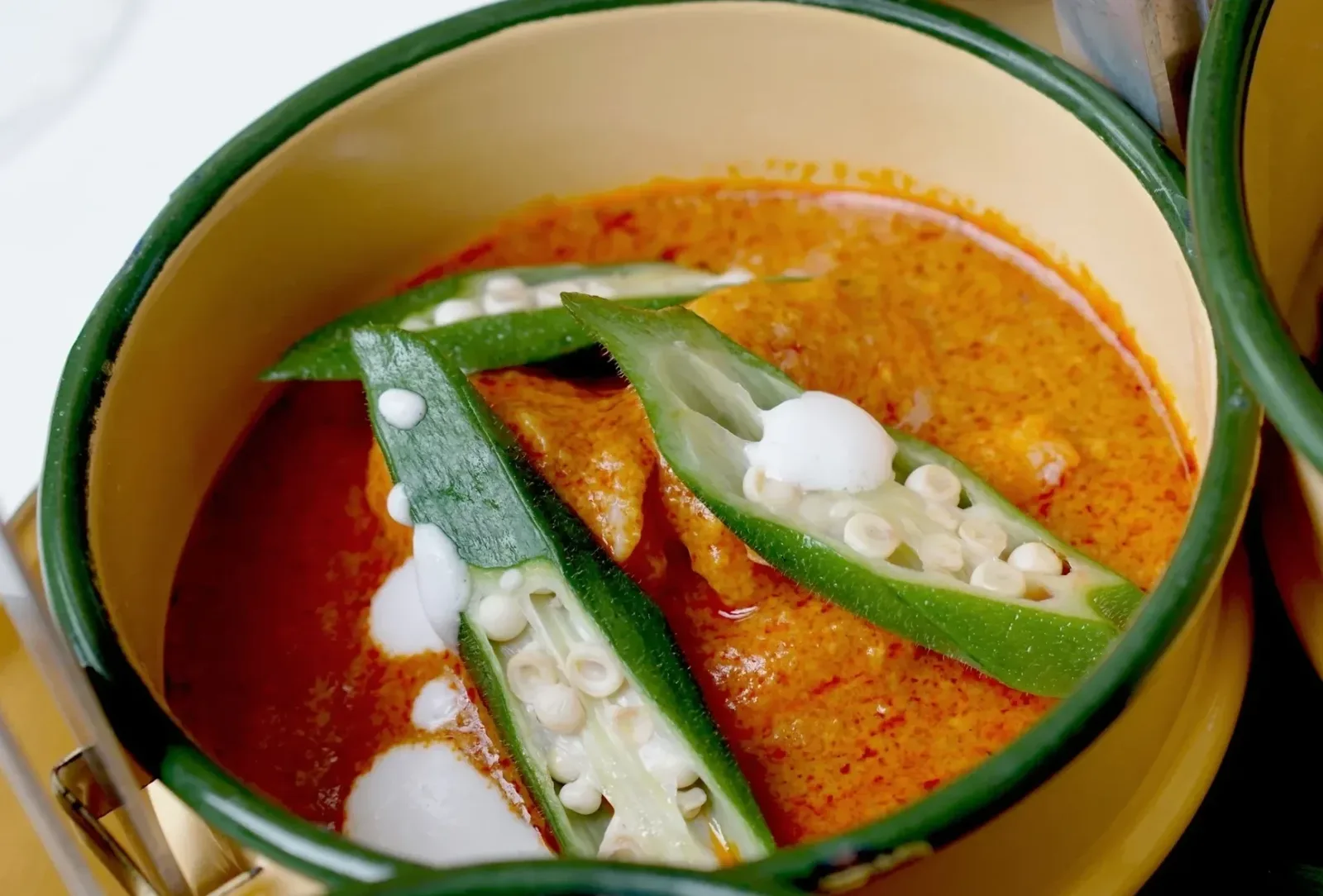
Blue Elephant occupies the Phra Pitak Chinpracha building in Phuket Town, a restored historic house associated with the island’s Sino-Portuguese architecture. Its menu, created by chef Nooror, explicitly links southern Thai cooking with older Phuketian preparations. The official presentation includes Peranakan tumee with king mackerel and a turmeric-and-betel-leaf crab curry, giving diners concrete starting points for exploring regional references.
This suits travelers who want food and architectural history to reinforce one another. Visit the surrounding town before the meal and notice how the building changes the experience of sitting down to dinner. The culinary interest lies in the named traditions and ingredients, not simply in the grand room. Ask about the heritage behind a preparation, allowing the kitchen’s explanation to connect the plate with Phuket’s layered cultural identity.
02 / 04
PRU: a Thai ingredient story built with producers
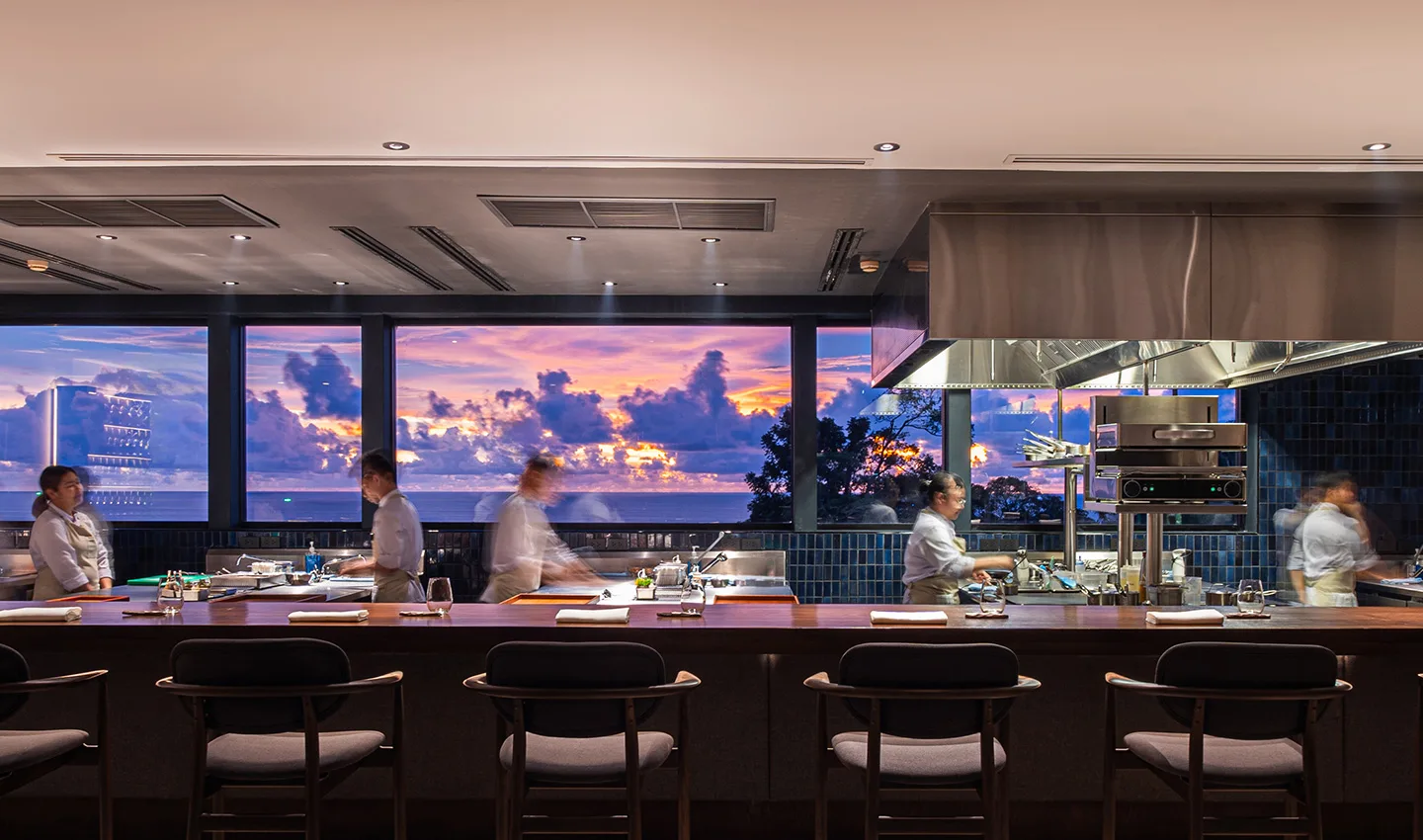
PRU describes its work through relationships with farmers, fishermen, and craftspeople, giving Jimmy Ophorst’s restaurant an identity that extends beyond the finished plate. Its Pru Jampa Farm was developed on a former tin-mining site, according to the restaurant’s own account, adding a striking link between Phuket’s older economy and its contemporary food landscape. The restaurant also incorporates locally made objects into the guest experience.
Choose PRU if you enjoy understanding the system of people behind an ambitious meal. The ingredients are Thai, but the experience should be approached as the chef’s creative interpretation rather than a survey of traditional dishes. It suits a small group willing to follow a set dining sequence and listen closely to the sourcing stories. Those relationships make the idea of place tangible beyond a picturesque restaurant view.
03 / 04
JAMPA: live fire and the changing harvest
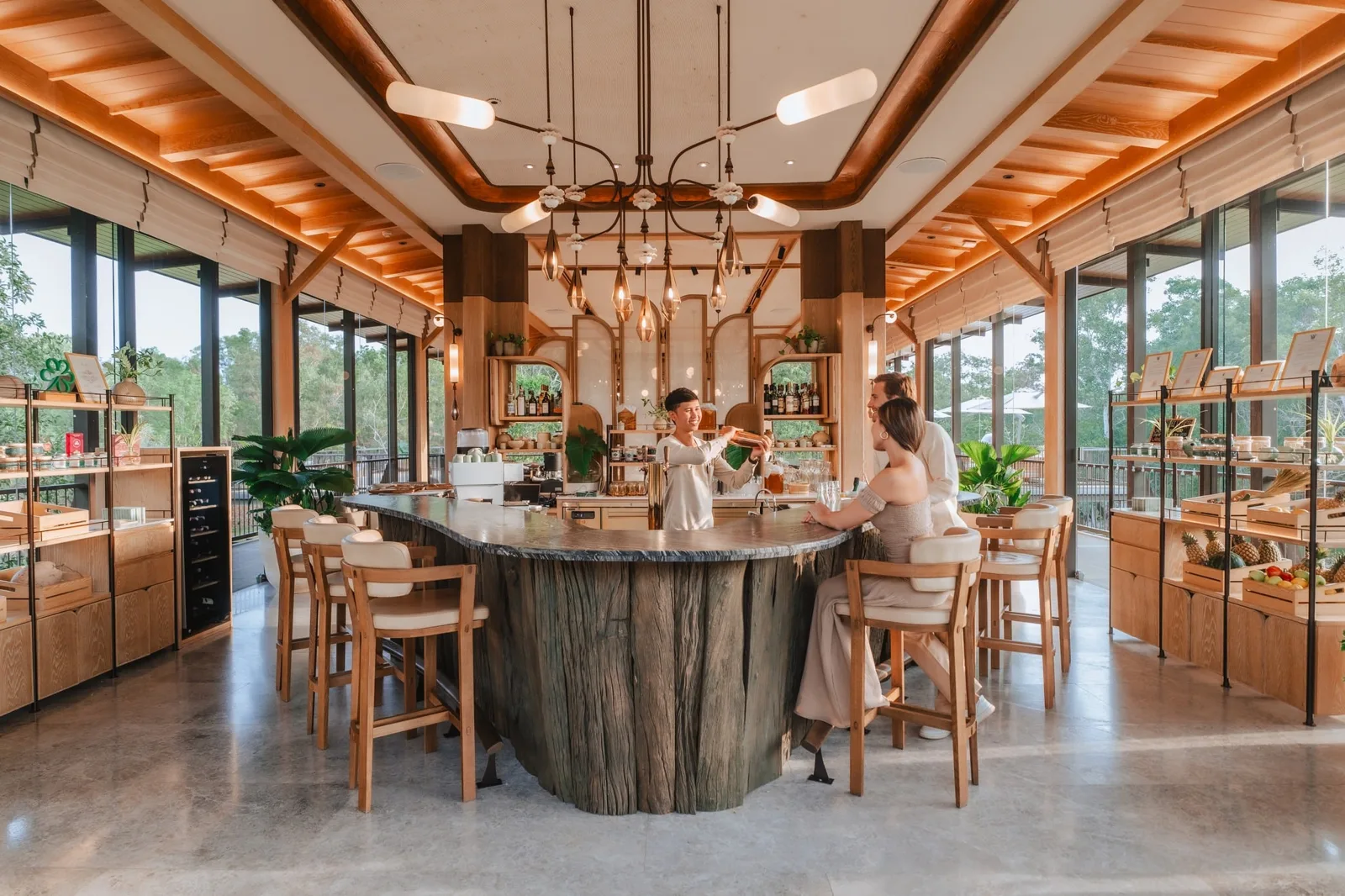
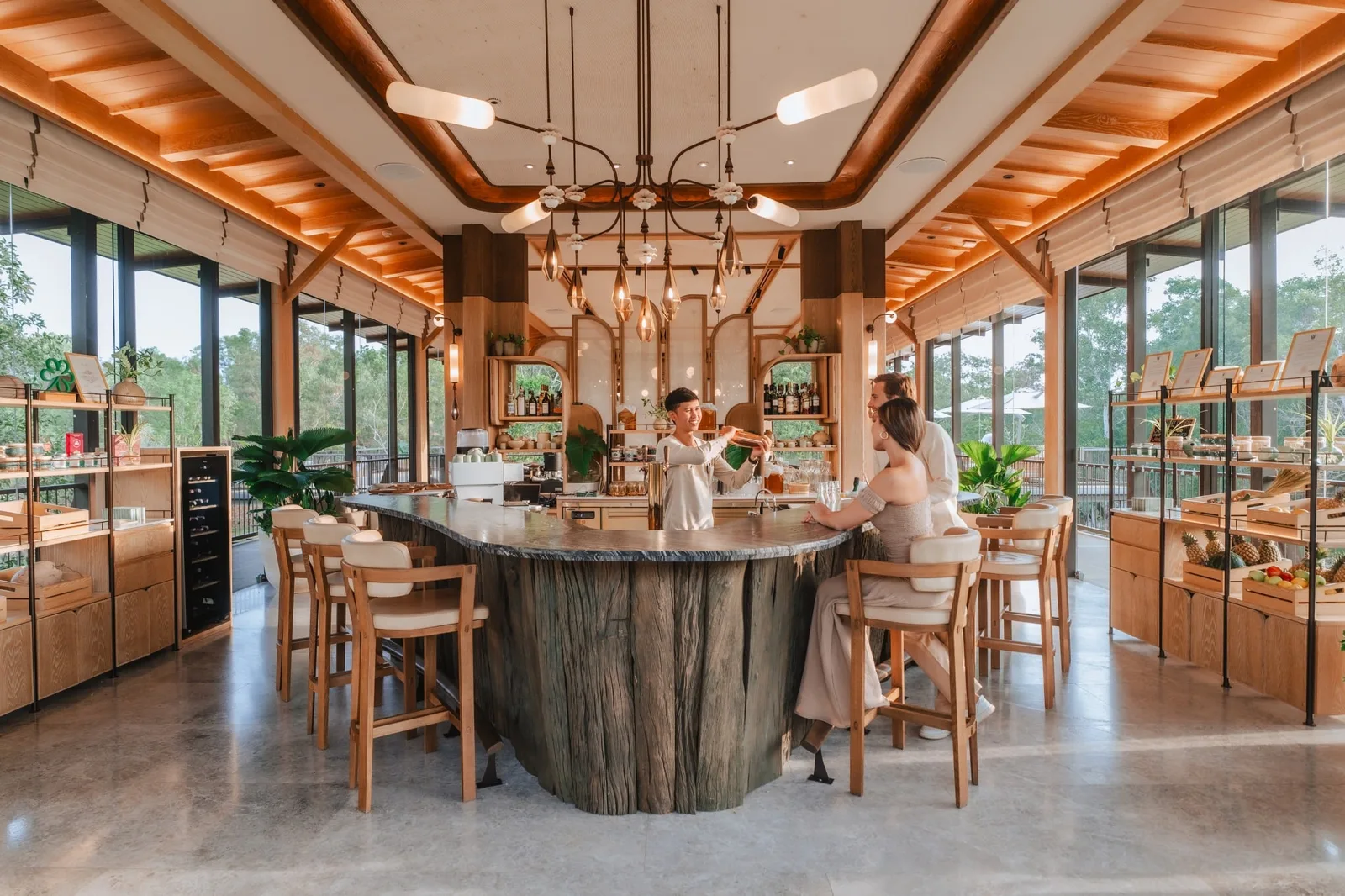
JAMPA at Tri Vananda makes farm-grown ingredients and live-fire cooking the foundation of its approach. Its official presentation links the menu with an organic farming system and with seasonal produce from land and sea. Fire matters here as a method of transformation, giving the diner a reason to think about texture and flavor as well as the origin of the ingredient.
This is a strong choice for travelers who are drawn to the agricultural side of a destination. The restaurant provides a different emphasis from a heritage dining room: the immediate harvest and the kitchen’s response to it become the story. Although related to PRU, JAMPA has its own culinary direction and should be chosen on those terms. Allow the current menu to determine the meal, rather than expecting a permanent signature dish to define the visit.
04 / 04
hom: fermentation as a way of reading local ingredients
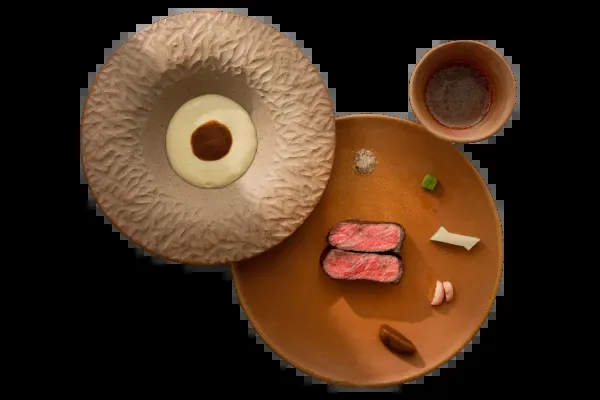
At InterContinental Phuket Resort, hom makes fermentation central to its kitchen’s research. Its official account describes the use of microorganisms and time to transform local ingredients, alongside work with Thai growers. The restaurant also connects its storytelling with Traibhumikatha, a Thai Buddhist cosmological text, and locates the dining experience in the Sawan Pavilion. Food, narrative, and architecture are therefore presented as related parts of the evening.
Choose hom if you are curious about how preservation techniques can generate contemporary flavor. The most rewarding questions concern what fermentation changes and what remains recognizable in the ingredient. It suits diners comfortable with a guided progression and an interpretive culinary approach. Treat the cultural references as the restaurant’s creative framework rather than expecting a meal to stand in for a complete understanding of Thai spiritual traditions.
Make room for a memorable meal
For a varied Phuket stay, begin with Blue Elephant’s heritage references and choose one contemporary counterpoint according to your interests: PRU for producer relationships, JAMPA for harvest and fire, or hom for fermentation and narrative. Visiting all four can be rewarding across a longer holiday, but each deserves enough space to remain distinct. Keep simple local meals and villa time between them. Current menus will evolve; the enduring reason to go is the approach of each kitchen. Together they suggest how Phuket’s dining culture can carry history forward while continuing to experiment with the resources around it.
Our selections are editorial recommendations, not a formal ranking. Menus, opening dates and access can change; confirm directly before making plans.
Plan your stay with VICContinue your journey: Phuket, Past the Postcard: Old Town, Southern Flavours and Island Waters, or explore Phuket villas and travel advice.
Sources and planning references
Researched October 4, 2026. Check directly with venues for current opening days, reservations, seasonal access, and prices.