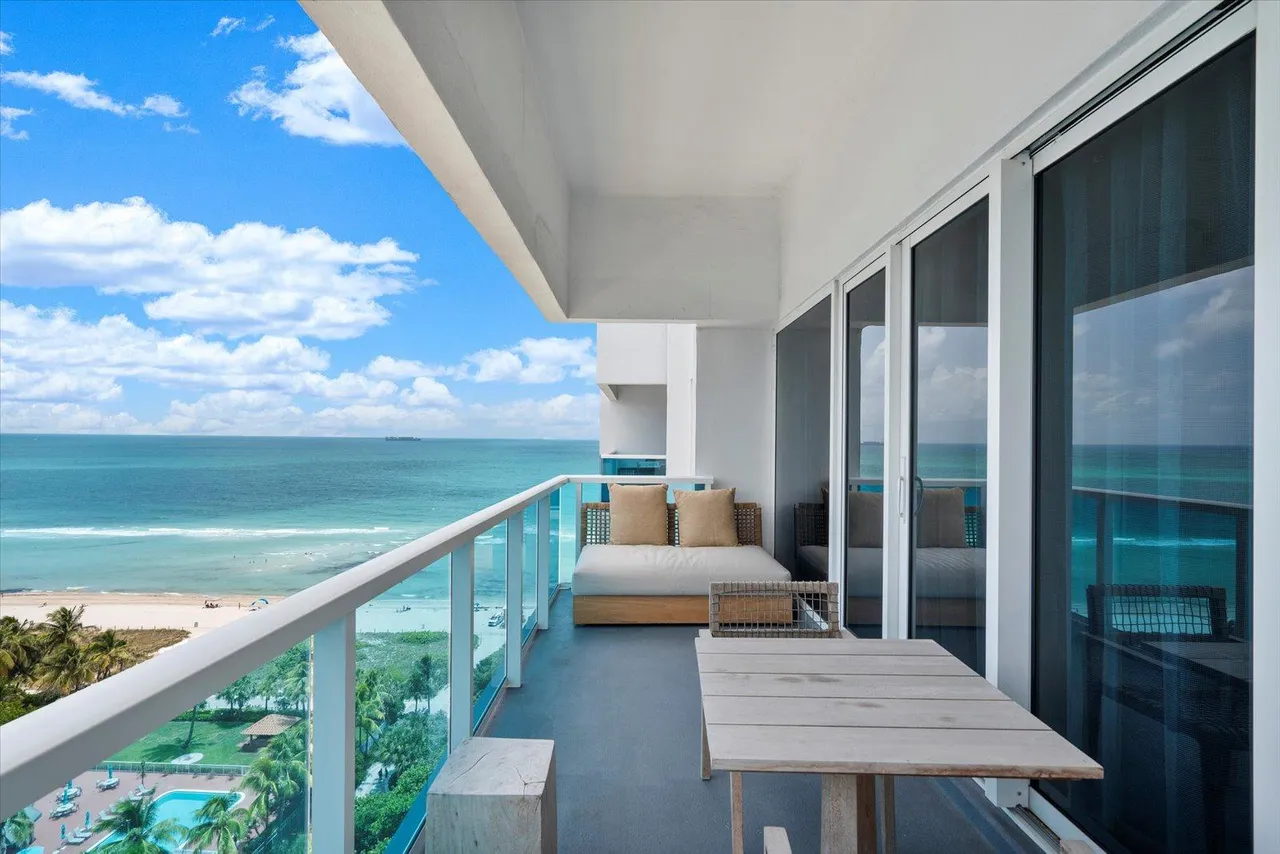
 The villa collection
Miami, USA
 Exceptional Villas. Extraordinary Stays.A Part of the VIC Network

Florida
Explore Miami and plan a villa stay around your preferred setting, travel dates, and group.
Explore villas in Miami Plan a stay in MiamiThe villa collectionMiami, USA
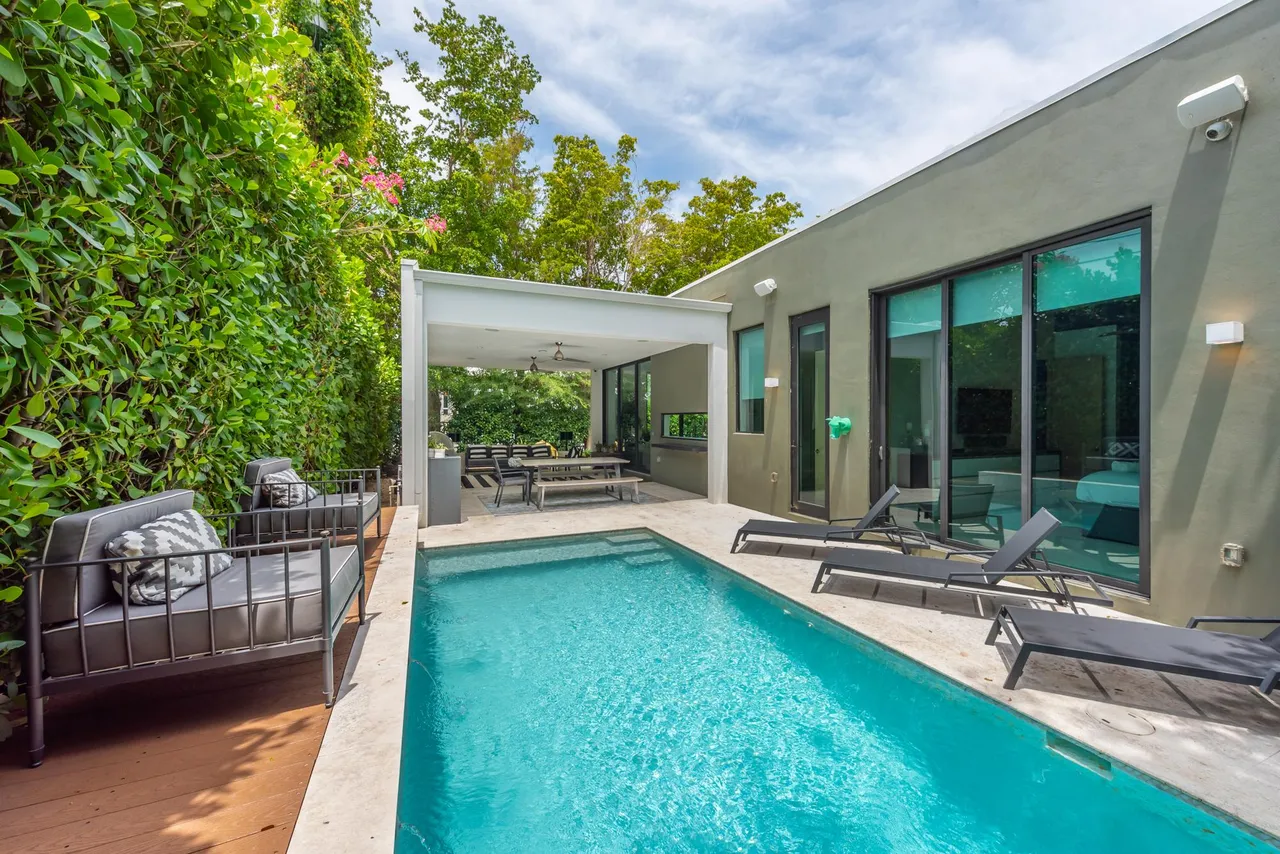 The villa collection
Miami, USA
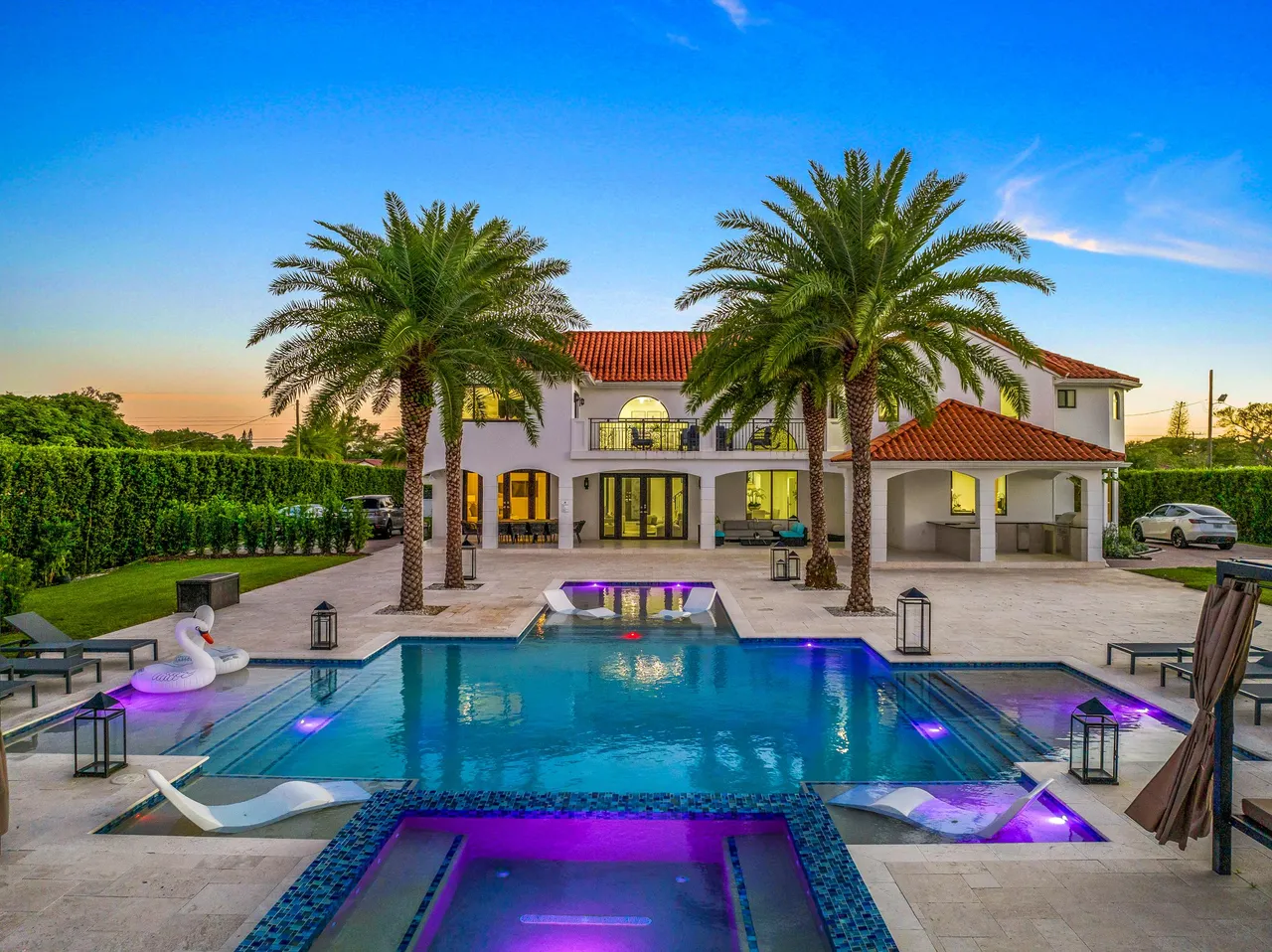 The villa collection
Miami, USA
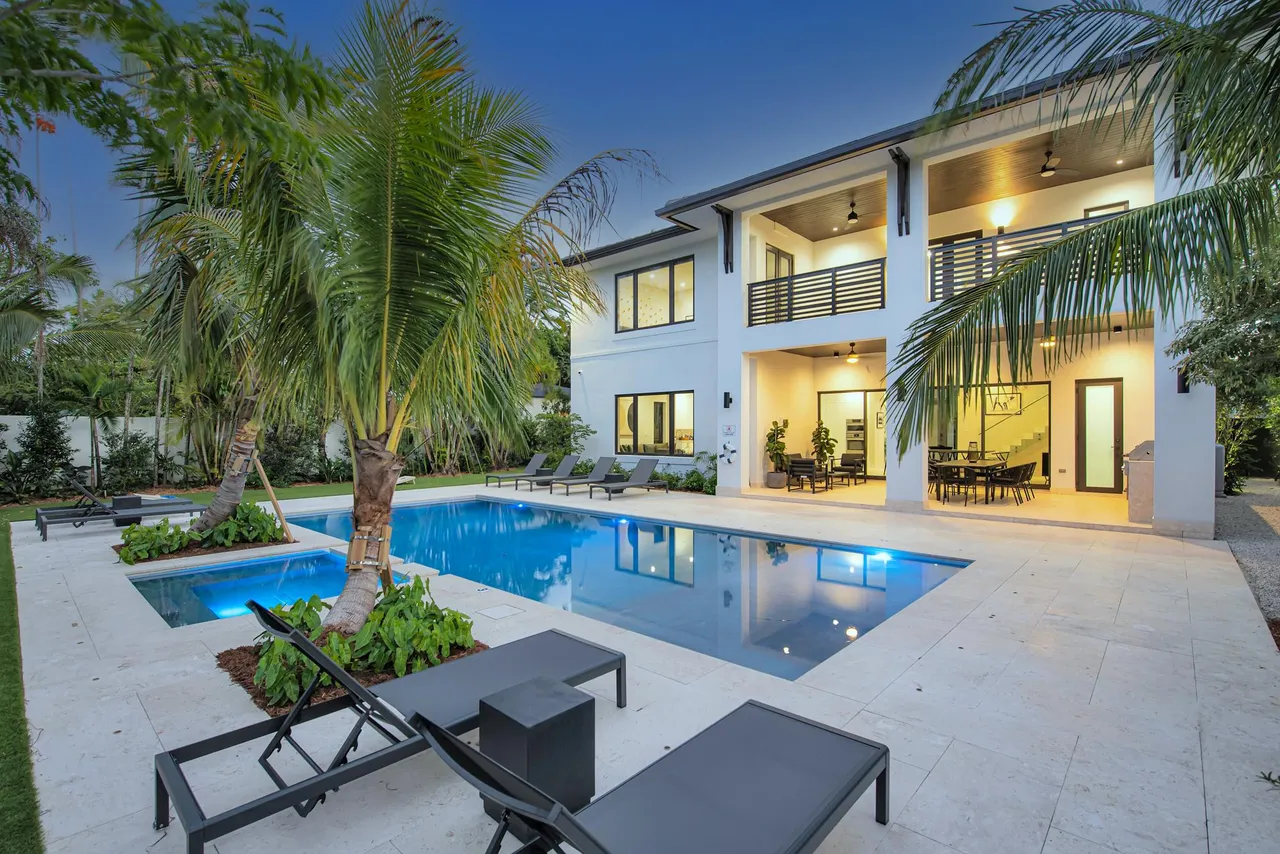 The villa collection
Miami, USA
 The villa collection
Miami, USA
 The villa collection
Miami, USA
 The villa collection
Miami, USA
 The villa collection
Miami, USA
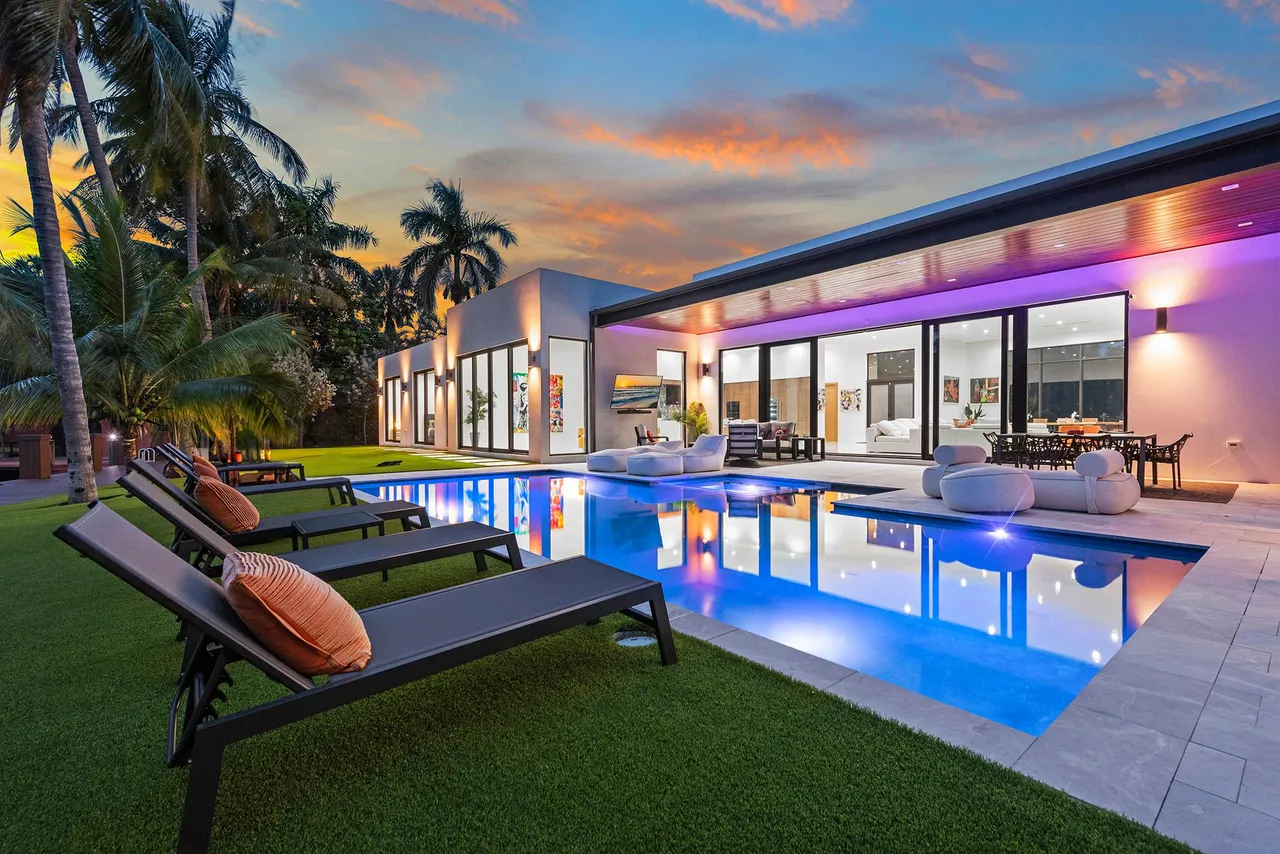 The villa collection
Miami, USA
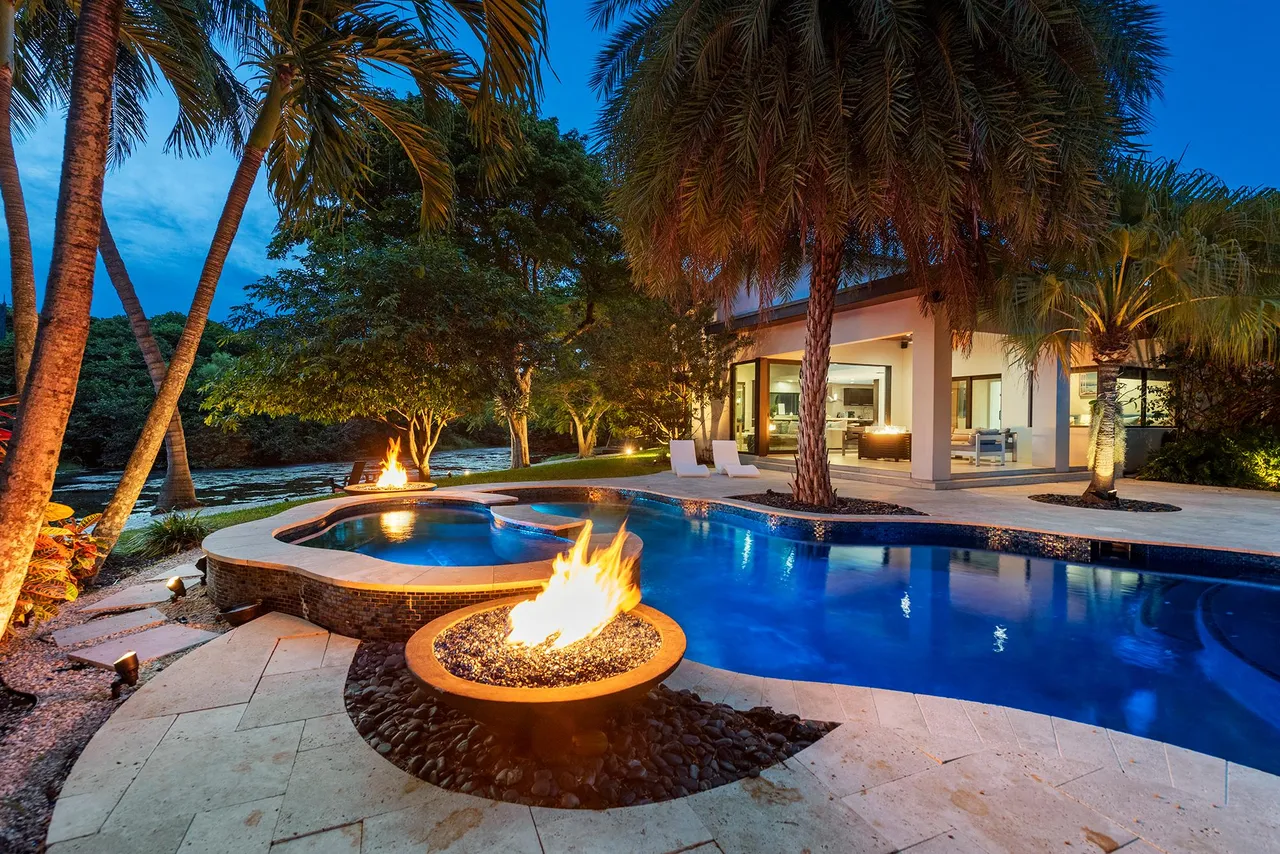 The villa collection
Miami, USA
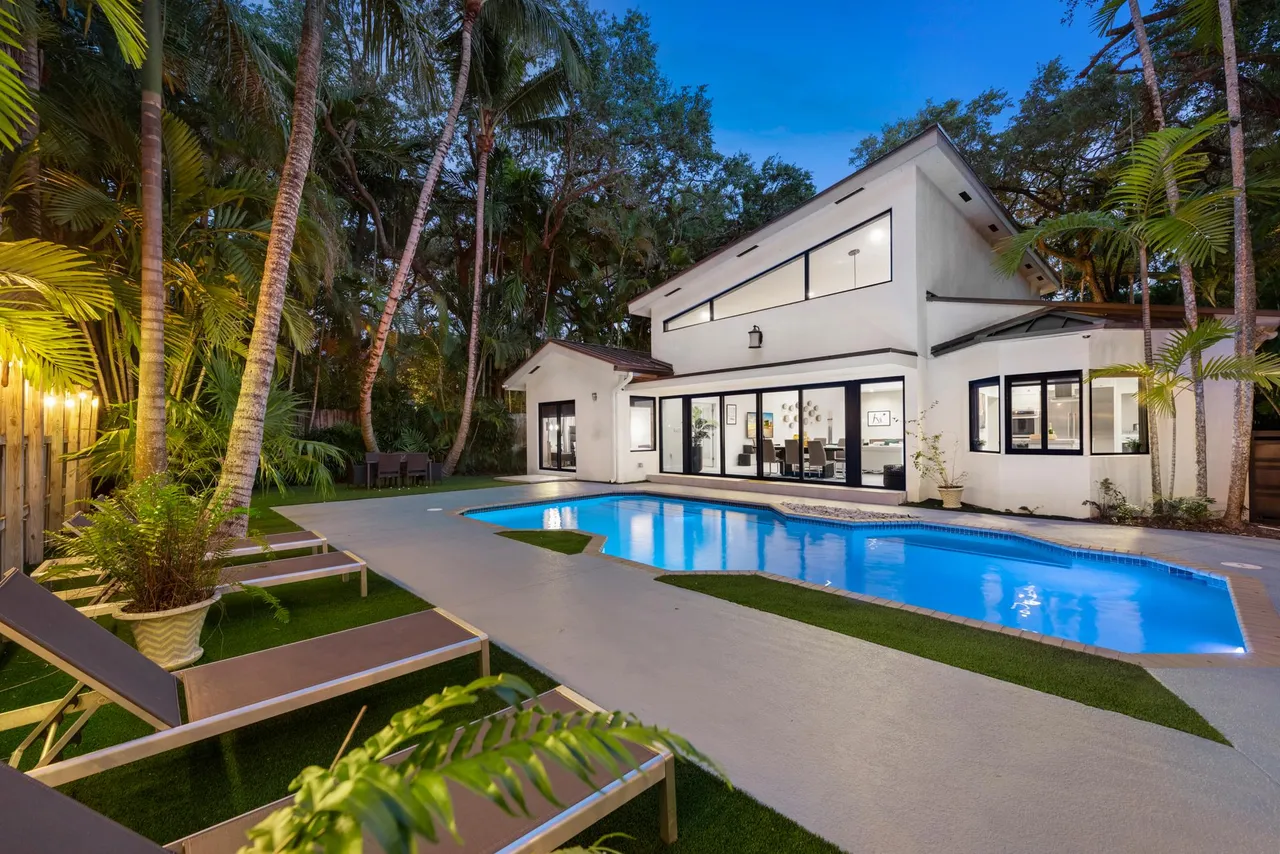 The villa collection
Miami, USA
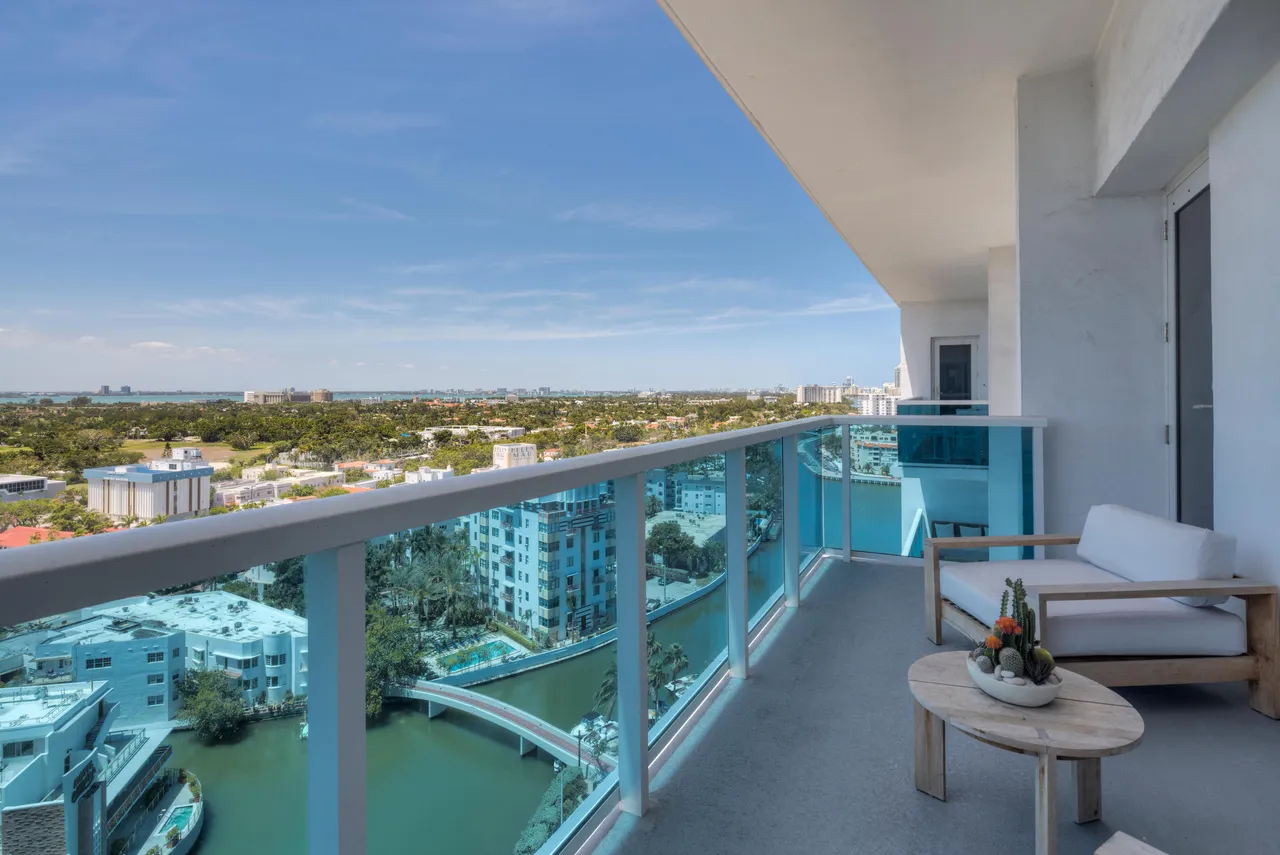 The villa collection
Miami Beach, USA
THE VILLAS INTERNATIONAL DESTINATION GUIDE
Miami can mean an Atlantic morning, a contemporary art afternoon or a private terrace facing Biscayne Bay. The city offers all three, but the address you choose determines how naturally they fit together. A rewarding villa stay begins by distinguishing beach from bay, mainland neighborhoods from barrier-island settings, and a glamorous photograph from a house that works for the people traveling.
Begin a Miami luxury villa search with three places you genuinely intend to visit. They might be a beach, the Design District and a favorite restaurant; they might instead be Vizcaya, a marina and Coconut Grove's village center. Put them on a map and notice which side of Biscayne Bay they occupy. This simple exercise reveals more than a broad promise of a central location. Miami's bridges and causeways connect appealing settings, but repeated crossings can shape the whole day's rhythm, especially when the group has reservations at fixed times.
The mainland city of Miami and the separate city of Miami Beach belong to the same metropolitan experience without being the same address. South Beach is part of Miami Beach, while Coconut Grove and the Design District are mainland neighborhoods. Coral Gables and Key Biscayne introduce further distinct settings. These differences should be visible in a villa proposal. Ask for the actual municipality, neighborhood and relationship to your principal outings rather than allowing the word Miami to do all the descriptive work.
Browse the Miami villa collection with that personal map in mind. The right property may trade immediate beach access for a garden, a larger pool terrace or a useful mainland location. Another may justify a more complex journey because the residence itself will be the center of the stay. Both choices can be excellent when the tradeoff is deliberate. The problem arises only when a waterfront photograph is expected to provide every version of the city at once.
Miami's water is not a single amenity. An Atlantic-facing setting suggests a beach relationship; a Biscayne Bay address may offer broad water views and a skyline; a canalfront property can create a more enclosed residential atmosphere. None of these descriptions establishes the right to swim, launch equipment or board a charter at the house. Ask what guests can actually do from the property and which activities require a separate departure point. Precise language is especially important for families who imagine walking from breakfast directly onto sand.
A bayfront villa can be an exceptional choice for long afternoons at home. The changing light, passing boats and distant city provide interest without requiring an excursion. Review the orientation of the terrace and where shade falls during the hours you expect to use it. A wonderful sunset view can accompany strong afternoon sun. Covered seating, a dining area protected from showers and comfortable indoor rooms make the property more useful than an exposed deck alone, particularly when several generations are sharing the stay.
For a canalfront house, ask about neighboring properties and the outlook from the rooms that matter. Privacy is not guaranteed by a waterfront label. For an ocean-oriented holiday, establish the exact beach route, the arrangements for chairs or umbrellas and the distance guests will carry their belongings. These practical questions do not diminish the romance of a Miami residence. They identify which form of waterfront living will feel luxurious in everyday use, rather than leaving guests to discover the distinction after arrival.
Miami Beach extends beyond the familiar imagery of South Beach. South Beach, Mid Beach and North Beach offer different relationships with restaurants, hotels, residential streets and the ocean. A stay should be planned around the particular section, not around an assumption that the whole city can be experienced as one walkable resort. If the group has several South Beach evenings in mind, compare that pattern with the actual villa location. If most days will be spent quietly by the pool, a different part of the island may suit better.
Bayside residences on Miami Beach can be particularly appealing when guests value a private setting and are happy to make deliberate Atlantic beach visits. The view across the water may be the principal attraction, while beach time becomes one activity among several. Clarify transport for those outings and whether some guests will return earlier than others. A family that expects everyone to move together needs a different arrangement from friends who want independent mornings. The location should support the way the party travels, not force a uniform schedule.
Hotel restaurants, spas and beach facilities are separate services. A villa near a well-known hotel does not automatically grant use of its pool, loungers or private programs. If those facilities are part of the imagined holiday, ask directly about outside-guest access, reservations and costs. Keep the villa decision grounded in what is included with the residence itself. Nearby hospitality can enrich the stay, but it should not be used to fill gaps in a property description through implication alone.
South Beach is most interesting when its architecture becomes part of the experience. The Miami Design Preservation League offers tours that introduce the area's design and preservation story. A guided walk can explain details that otherwise disappear behind a quick photograph: the rhythm of a facade, the shape of a corner or the way a building meets the street. Use the organization’s current tour information to select a suitable outing, especially if the group includes anyone who prefers shorter walks or needs an accessible route.
Ocean Drive can be a starting point rather than the entire itinerary. Allow time to look beyond the most familiar images and notice how residential streets, hotel fronts and public spaces relate to one another. Choose a comfortable time for walking and build in a place to pause. A thoughtful architectural outing does not require the whole day, but it benefits from attention. It can also give a mixed-interest group a shared subject without asking everyone to commit to a long museum visit.
Afterward, keep the next stop geographically sensible. Lunch on Miami Beach and a flexible afternoon make more sense than immediately crossing to a distant mainland reservation. If the villa is elsewhere, this can be the day when the group spends a substantial block of time on the beach side before returning. Miami becomes easier to enjoy when each outing has a local center. A sequence of short but badly connected appointments can feel more tiring than one substantial experience given the time it deserves.
The Venetian Islands offer a recognizable chain of residential settings across Biscayne Bay, linked by the Venetian Causeway. For a villa search, their appeal is the relationship with the water and the position between mainland and beach-side life. That position should still be evaluated at the level of the actual address. Being between two destinations does not make every journey effortless, and a bayfront terrace should not be confused with an Atlantic beachfront. The best fit is often a group that expects to spend meaningful time at the residence.
Request current photographs of the outdoor areas and the neighboring outlook. Consider how the property feels at breakfast and after dark, not only at the golden hour used in marketing. Ask whether the principal dining and lounge spaces face the view and whether the whole party can sit comfortably in shade. A house can be visually dramatic yet awkward for shared meals if its furniture is arranged mainly for photographs. The everyday gathering places deserve a deliberate review, especially for longer stays.
If a dock is mentioned, treat it as a separate technical conversation. The charter operator and property manager need to confirm whether boarding is permitted and practical for the specific boat. Vessel size, water depth, approach, equipment and the available boarding arrangement all matter. A marina departure may be simpler even when the villa has waterfront access. The purpose is an enjoyable boat day, not an attempt to make every element conform to the image of stepping from the pool terrace directly aboard a yacht.
Coconut Grove suits a different Miami mood: leafy residential surroundings, a bayside identity and a village center that can support an easy daily circuit. It belongs on the shortlist when the group enjoys restaurants, gardens and a neighborhood atmosphere as much as the beach. The exact position of a villa still matters. A Grove address does not establish that coffee, dinner or a waterfront walk will be comfortable on foot. Ask about the actual route and consider the effect of heat, rain and evening lighting.
The Grove can form a coherent base for a southern mainland itinerary. Vizcaya and other cultural outings in that part of the city can be organized without making every day revolve around a causeway crossing. For a family, the appeal may be the ability to have an active morning and return to a private garden or pool for the afternoon. For friends, it may be a quieter home setting after dinner out. The neighborhood choice should be connected to the intended pace rather than treated as a secondary detail.
When comparing residences, consider the trees and landscaping as part of the architecture. A garden can create enclosure and soften the city, but guests still need useful outdoor furniture, lighting and a comfortable dining arrangement. Ask how the property functions during a shower and whether the principal indoor room accommodates everyone. A well-designed Grove stay may be less dependent on a grand panorama than a bayfront holiday, placing more value on the quality of the house and its relationship with the surrounding neighborhood.
Coral Gables offers another distinct mainland proposition, with a recognizable architectural character and a different relationship to the city than Miami Beach. It can appeal to travelers whose interests include gardens, residential calm and selected cultural visits. A villa here should be chosen because that setting supports the trip, not because every address marketed as Miami is assumed to be equivalent. If most dinner reservations lie far north or across the bay, review the likely journeys before making the residence the fixed center of the itinerary.
Fairchild Tropical Botanic Garden on Old Cutler Road is a specific outing to consider within a greener southern itinerary. Its plant collections invite a more attentive visit than a quick circuit for photographs. Look at the current program and choose the parts that interest the group. Some travelers may want botanical detail; others may simply enjoy moving through a designed tropical landscape. Agree on a comfortable pace and meeting point so that differing levels of enthusiasm do not turn the visit into a negotiation at every path.
A Coral Gables-oriented week need not avoid the beach or the city's more energetic districts. It simply benefits from grouping those excursions rather than scattering them across every day. One complete Miami Beach outing can provide more enjoyment than several short visits separated by repeated drives. The residence then becomes a calm point of return, with meals and shared time that do not depend on another departure. This is a particularly useful way to plan for multigenerational groups whose energy varies through the day.
Key Biscayne is its own island setting, reached from the mainland by the Rickenbacker Causeway. It is not another name for Biscayne Bay, and it should not be confused with Biscayne National Park. For a villa holiday, consider it deliberately when an island atmosphere and beach-oriented days appeal more than frequent trips among mainland restaurants and shopping districts. The address and access arrangements remain property-specific; a location on an island does not automatically establish direct beach entry or use of a private club.
A visit toward Cape Florida can add a different coastal perspective, with current access and activity information checked through the relevant official park resources. Do not promise a particular lighthouse visit or facility without verifying the arrangements for the date. The most rewarding island day may be quite simple: time outdoors, an unhurried lunch and a return to the house before the group becomes tired. A private residence gives that simplicity a comfortable center, especially when some guests want more activity than others.
If the trip includes important mainland appointments, assess how often the group will make the causeway journey and at what times. A Key Biscayne stay can be wonderful precisely because it feels distinct from the city's other settings. That same distinction should be accepted in the itinerary. Choosing the island for calm while booking every morning and evening elsewhere creates an unnecessary contradiction. Let the location influence the holiday rather than asking it to behave like a downtown address with a beach attached.
Pérez Art Museum Miami provides a strong mainland cultural anchor, with contemporary art and a setting on Biscayne Bay. Consult the museum's current exhibitions and visitor arrangements before selecting the day. Its program should guide the visit more than the desire to say that every major Miami institution has been covered. Choose a few galleries to experience attentively, leave room for individual browsing and arrange a meeting point afterward. A group can share the outing without requiring everyone to respond to the same work at the same speed.
The museum's waterfront context is part of its appeal, but it need not become an excuse to rush the art in favor of photographs outside. Consider the building, the galleries and the surrounding landscape as related parts of the visit. Verde is the museum's dining option to investigate if a meal there fits the plan; verify current service and reservations directly. Keeping lunch nearby can preserve the calm of the outing instead of interrupting it with another drive across the city.
A downtown-focused day can be particularly useful when the villa lies on the mainland. It also works as a deliberate excursion from Miami Beach when the rest of the day remains nearby. Avoid adding the Design District, Wynwood and a distant evening table merely because they all appear in the same general urban area. Miami has enough cultural depth for several separate outings. The point of a villa holiday is partly the freedom to return while everyone still has energy to enjoy the house.
The Miami Design District combines luxury retail, public art, architecture and dining on the mainland. It rewards a focused plan: perhaps a boutique appointment, an art visit and a meal, rather than an attempt to enter every store. The official district directory and map are useful for choosing a route. Shopping works better when the particular purpose is known in advance, especially for travelers interested in a specific collection or service. Contact the store directly about appointments instead of assuming that a busy visit will accommodate an extended consultation.
ICA Miami offers a contemporary-art stop in the district. Its official visitor page provides ticket and group-visit guidance, which should be checked before bringing a large villa party. A museum visit can create a shared beginning or ending to an afternoon while allowing different interests in between. Some guests may want galleries, others fashion or design, and others a quiet coffee. Set a meeting place for lunch or the return car instead of requiring the whole group to follow one person's shopping agenda.
Michael's Genuine Food and Drink and Mandolin Aegean Bistro are two named dining options to investigate in this part of the city. Their current menus, reservations and locations can help shape the afternoon. Choose according to the desired meal and the route rather than assuming that a famous name is the right answer for every occasion. Our Miami art and design feature develops this kind of locally coherent outing, linking the cultural choices to the location of the villa.
Wynwood and the Design District are often paired in casual conversation, but they are separate neighborhoods with different experiences. A mural-focused walk or a visit to a particular gallery in Wynwood should have its own route and purpose. Check the current arrangements for any ticketed venue rather than assuming that every artwork is part of one open-air attraction. Leave time to notice the neighborhood beyond a set of famous backgrounds. Art is more engaging when it is approached as work to consider rather than scenery for a hurried photograph.
The Rubell Museum is in Allapattah, another mainland location that should be identified accurately in the plan. Its current exhibitions can justify a dedicated visit rather than being squeezed into a vague Wynwood stop. Verify admission, opening days and any special arrangements directly with the museum. For a group with serious contemporary-art interests, an institution-led tour or a carefully selected exhibition can be more valuable than an ambitious circuit of several places that leaves little time to look closely at anything.
The practical lesson is to name the district and the institution precisely. A driver needs the actual destination; guests need a realistic understanding of how the afternoon will unfold. If the group wants both Wynwood and the Rubell, organize the sequence intentionally and keep the meal nearby. If attention begins to fade, shorten the plan. A return to the villa with one strong impression is preferable to reaching the final gallery with everyone thinking only about the pool and the next drink.
Vizcaya Museum and Gardens is especially relevant during a private-villa stay because it invites attention to how a residence shapes an experience of the bay. The house and gardens should be considered together. Look at the progression between enclosed rooms, outdoor spaces and distant views, and notice how different routes change the way the estate is perceived. The official site provides current ticketing and program information. Choose a visit that suits the group rather than assuming that a historic house requires the same kind of attention from every traveler.
A morning or afternoon here can stand as a substantial experience without an overloaded schedule around it. Leave time for the gardens and for the slower work of looking. Travelers interested in design may notice proportions and transitions; others may respond to planting, water or the atmosphere of individual rooms. Those different perspectives can enrich the conversation later at the villa. The visit need not become an architectural lecture to provide a more thoughtful way of seeing the places you inhabit during the holiday.
Photography and special activities require their own arrangements. If a couple wants portraits or a group imagines a celebration in the grounds, consult the site's current policies before making plans. A general admission ticket should not be treated as permission for every use of the property. Keep the ordinary visit enjoyable on its own terms, then arrange any additional experience properly. This attention to the setting is part of traveling well in a city where beautiful spaces often serve several different public and private purposes.
Miami's restaurant choices are more enjoyable when connected to the day's geography. Joe's Stone Crab belongs to a South Beach dining conversation, with the restaurant's current season, menu and service arrangements checked directly. Michael's Genuine makes sense for a Design District-oriented outing. Mandolin offers another option in the same broader mainland area. These addresses do not need to compete for the title of the one essential Miami meal. Each can serve a different occasion, provided the atmosphere and journey fit the people going.
Farther north, Surfside has its own dining identity. At The Surf Club, Lido and The Surf Club Restaurant are distinct venues; the latter is associated with Thomas Keller. Use the current venue information when reserving, rather than an old article that may describe a former restaurant name. Surfside is not South Beach, and the journey should be planned accordingly. A special dinner there can be a highlight, but it deserves enough time that guests are not arriving preoccupied with traffic or an unrealistic sequence of appointments.
Choose a small number of meals to reserve early, then leave room for local advice once the group has settled. Communicate allergies, preferred timing and the desired level of formality. A table that suits an anniversary may be wrong for a noisy family reunion, while a relaxed lunch can be exactly right after several formal evenings. Our Miami dining and bay-day article connects these choices with a villa itinerary that includes both memorable outings and worthwhile time at home.
Little Havana introduces a cultural dimension that should not be reduced to a quick stop on a sightseeing loop. Calle Ocho is a useful orientation point, but the neighborhood is a lived place, expressed through businesses, food, music and everyday social life. A guide can provide context for travelers unfamiliar with Miami's history. Choose one who explains the setting and invites attentive observation, rather than treating the visit as a sequence of backdrops with no connection to the people who use them.
A coffee, a simple meal or a conversation can be enough to make the outing meaningful. There is no need to translate every local pleasure into the language of exclusivity. Miami's interest lies partly in moving between very different registers: a carefully designed dining room one evening, an informal neighborhood lunch another. This range can make a villa holiday more connected to the city. It also gives guests who are less interested in luxury shopping or nightlife a different way to participate in the destination.
Be considerate about photography and about the space occupied by a large group. Plan transport and a meeting point, but leave some room for curiosity. If the visit includes tastings, describe dietary needs ahead of time and ask what is included. The experience should feel like learning about a neighborhood rather than consuming it in a hurry. Return to the villa with time to enjoy the quieter part of the day, allowing the outing to remain a distinct impression instead of disappearing into another crowded itinerary.
Describe the desired boat day before choosing a vessel. A sightseeing cruise, a relaxed celebration and an activity-led outing require different arrangements. Tell the operator the number of guests, ages of children, comfort with boating and the importance of shade, seating and onboard facilities. The best yacht for a photograph is not necessarily the best boat for the people traveling. A professional operator should explain the route, duration and realistic options, with weather and the captain's judgment shaping the final plan.
Dockside pickup from a villa must be confirmed by both the property team and the charter provider. Do not infer suitability from the presence of a dock in a photograph. The vessel, access, permissions and boarding conditions need to align. If they do not, a marina departure can be straightforward and more comfortable. Arrange the land transfer as part of the charter rather than treating it as an afterthought. The pleasure of the day depends on the entire sequence, from leaving the house to returning for dinner.
Understand what the quote includes: crew, fuel arrangements, food, beverages, equipment and any additional charges should be clear. Ask how weather changes are handled and keep another possible slot in the week if the outing matters greatly. Avoid promising a specific anchorage or swimming stop before the operator confirms it is appropriate. Miami's water can provide an extraordinary perspective on the city, but it works best as a thoughtfully planned experience rather than a collection of assumptions attached to the word yacht.
Biscayne National Park should not be confused with a general skyline cruise in Biscayne Bay or with a beach day on Key Biscayne. The National Park Service describes a park that is predominantly water, which means the way you visit needs deliberate planning. Review the official visitor information and choose an appropriate authorized experience for the group's interests and abilities. The logistics, departure location and time required may be quite different from a charter marketed around central Miami's waterfront scenery.
If this is an important part of the trip, give it a proper place in the schedule. Discuss the activity level, conditions and equipment with the provider, and ensure everyone understands what the day involves. A group interested primarily in a social cruise may be happier with another option, while travelers drawn to a natural setting may value the park's different focus. Neither outing needs to be presented as superior. They answer different reasons for spending time on the water and should be chosen accordingly.
Keep the evening after a substantial excursion flexible. A private-chef meal or a simple dinner at the house can be more welcome than a reservation that requires everyone to change quickly and leave again. This is one of the strengths of a villa stay: it allows an active day to end in a setting that belongs to the group. The itinerary can alternate between the city's cultural energy and time outdoors without insisting that every day culminate in another high-profile appearance.
For a short villa break, organize days around local clusters. The arrival evening can stay at home, with groceries and a simple meal ready. One full day might focus on Miami Beach, pairing architecture and the ocean with dinner on the same side of the bay. Another can bring together the Design District and a chosen art visit on the mainland. A third can be reserved for boating, with a flexible alternative if conditions change. The final full day can remain largely at the villa, with one favorite outing repeated if the group wishes.
This is an illustrative structure, not a fixed package or a claim that every stop is convenient from every residence. Adjust the order and ambition to the actual address, opening days and reservation availability. A Coconut Grove base may suggest a stronger southern mainland emphasis; a Miami Beach residence may favor more beach-side time. The itinerary should become simpler as the villa choice becomes more precise. If it grows increasingly complicated, revisit whether the house and the group's priorities are aligned.
Leave unscheduled space for the reasons people chose to travel together. A long breakfast, an afternoon conversation beside the pool and a dinner that continues without a closing time can be the most valuable parts of the stay. Miami supplies plenty of external stimulation. The villa provides the ability to step back from it without leaving the destination behind. Protecting that contrast is often what separates a satisfying private-residence holiday from a busy city visit that happens to use a large house for sleeping.
When the trip is built around a major art, music or sporting event, begin with the actual venues and confirmed schedule. Do not choose the villa solely for its distance from the place named in the event's title. Related appointments may be spread across Miami Beach and several mainland districts. Group the days by geography and allow realistic margins between commitments. Check current event information directly, because dates, locations and access arrangements can change and should not be borrowed from a previous year's itinerary.
A residence can be especially useful for an event-oriented group if it offers a quiet room for work, comfortable shared spaces and clear arrival arrangements for guests on different flights. It does not automatically function as an event venue. If the intention includes entertaining outside visitors, a business gathering or production activity, disclose that use before booking and obtain property-specific approval. The guest count for an overnight stay is not a substitute for permission to host a larger occasion.
Transport should be planned around the appointments that matter most. A car and driver may be worthwhile for a tightly scheduled day, while independent movement may suit looser plans. Confirm waiting arrangements and pickup points, especially around crowded venues. Keep at least one meal uncomplicated and close to the house. During a busy city period, the villa's greatest contribution may be a calm breakfast and an evening when nobody has to compete for another reservation or explain where the group is meeting next.
A Miami villa should be comfortable when everyone is indoors as well as when the terrace is perfect. Review the living and dining capacity for the full party, covered outdoor areas and bedroom cooling. Ask about the practical response to weather interruptions and who supports guests during the stay. The purpose is to understand how the house functions, not to demand a guarantee of uninterrupted sunshine. A residence with several appealing ways to spend an afternoon offers more freedom than one dependent on a single exposed outdoor space.
For families, examine pool access, waterfront boundaries, balconies and the relationship between bedrooms. A luxury listing is not automatically suitable for every age. Parents may need nearby rooms and clear sightlines; grandparents may need fewer steps; couples may value equivalent privacy. Describe these requirements before a shortlist is assembled. Photographs of the principal suite cannot establish whether the rest of the house works equally well for the remaining guests. A balanced room plan often matters more to group harmony than one spectacular bedroom.
Also review the services attached to the stay. Housekeeping frequency, chef availability, grocery arrangements and local support should be specified rather than assumed. A private residence offers a different operating model from a hotel, and that difference can be its strength when the arrangements are clear. Request a dated proposal with the relevant charges and inclusions. The most useful comparison is the full experience for the requested dates, not a starting nightly rate separated from the services and conditions that make the stay practical.
Send dates, guest count and the preferred geographical setting first: Atlantic beach access, a Biscayne Bay outlook or a mainland neighborhood. Add the outings that matter, bedroom requirements and the level of service desired. If boating is central, describe the intended charter and ask for dock suitability to be checked rather than using waterfront as a shortcut. If the trip includes an occasion or outside visitors, state that at the outset. A clear brief allows the property specialist to identify real matches instead of assembling a broad gallery of attractive houses.
Read the Miami art and design article and dining and bay-day feature to refine the itinerary. The wider Villas International journal offers additional ideas for private-villa travel. For travelers comparing glamorous city stays, the Los Angeles guide provides a useful contrast in geography and daily movement; it should be considered as another destination, not as a template to impose on Miami.
Return to the Miami collection with a small set of priorities and ask for the reasons behind each recommendation. A good shortlist makes the compromises visible: beach proximity against garden space, broad water views against walkable dining, a quiet setting against frequent evening outings. Miami's variety is a strength when those choices are intentional. The right villa gives that variety a comfortable center, allowing the city to be energetic, cultural, coastal and private in proportions that feel right for your group.
No. A property may face Biscayne Bay or a canal rather than the Atlantic beach. Confirm the exact setting, beach route and permitted water access before booking.
Only after the property manager and charter operator confirm that pickup is permitted and suitable for the particular boat, dock and conditions. A marina departure may be the better arrangement.
The mainland Design District, downtown PAMM and Allapattah’s Rubell Museum provide distinct cultural outings. Choose the residence around the places you intend to visit most often and group appointments geographically.
No. Key Biscayne is an island community reached by the Rickenbacker Causeway. Biscayne National Park is a separate protected area whose predominantly water-based experiences require their own planning.
Consult the official references for current reservations, seasonal access and opening information.
Send your travel dates, group size, budget, and preferences using the form below. Your inquiry starts the selection process; it does not confirm a reservation.
Include the services you would like in your inquiry. Service availability, staffing, and costs must be confirmed for your selected villa.
Our villa collection is supported by VIC Network operations. Rates are indicative; live availability and final pricing require confirmation.
YOUR NEXT CHAPTER
Share a few details. Your ideal escape starts here.