 The villa collection
Haleiwa, USA
 Exceptional Villas. Extraordinary Stays.A Part of the VIC Network

Hawaii
Explore Oahu and plan a villa stay around your preferred setting, travel dates, and group.
Explore villas in Oahu Plan a stay in OahuThe villa collectionHaleiwa, USA
 The villa collection
Haleiwa, USA
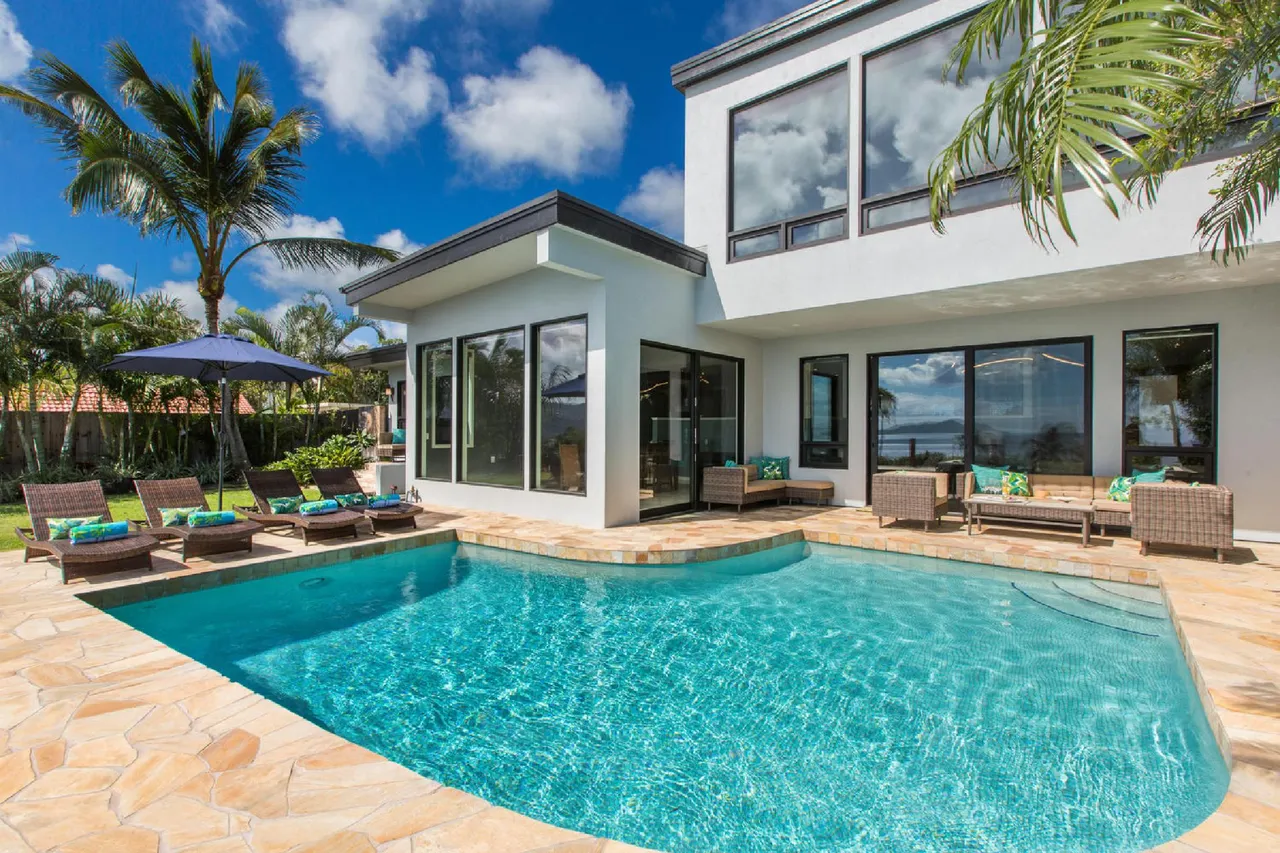 The villa collection
Honolulu, USA
 The villa collection
Honolulu, USA
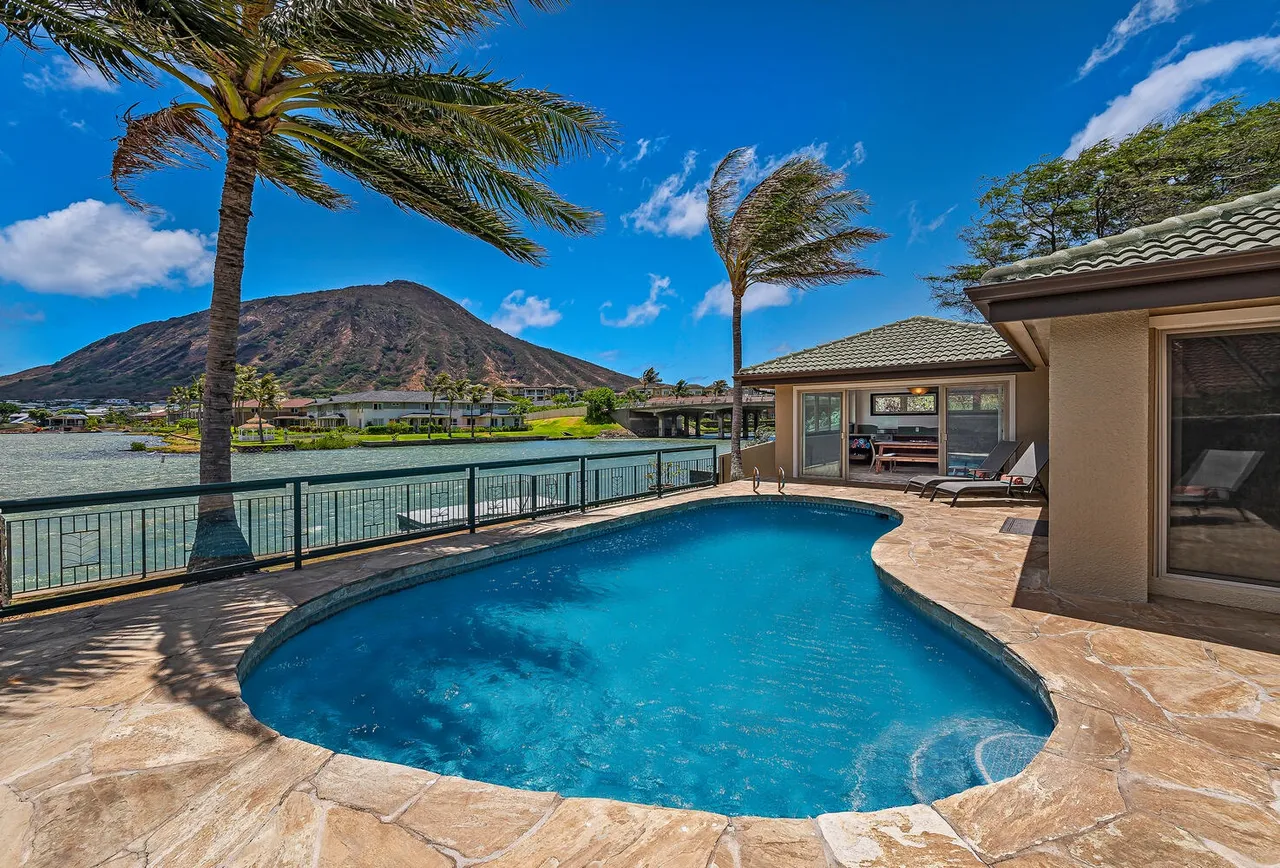 The villa collection
Honolulu, USA
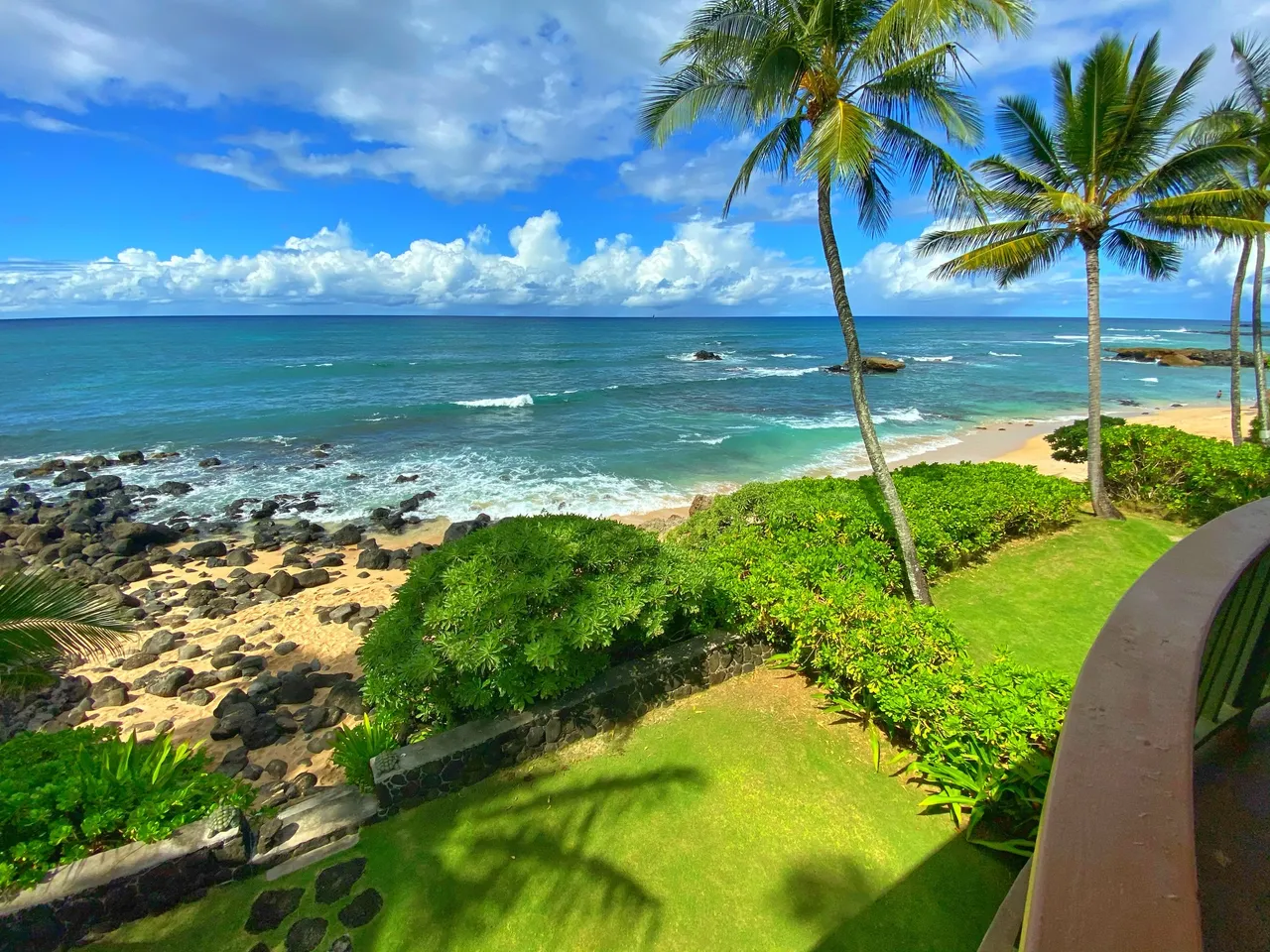 The villa collection
Oahu, USA
 The villa collection
Waialua, USA
THE VILLAS INTERNATIONAL DESTINATION GUIDE
Oahu combines a state capital, a royal palace, working neighborhoods and coastlines that change character within a single drive. A villa holiday here can include a serious restaurant reservation in Honolulu, a day listening to Hawaiian history and a morning watching the North Shore from dry sand. Its variety is the attraction, but it also makes location consequential. A beautiful house on the wrong side of the island can turn every chosen experience into another transfer. Start with the places your party actually wants to visit, then compare the accommodation that is available and authorized for your dates. This Oahu destination guide treats Honolulu, the west coast, the North Shore and the windward coast as distinct bases. References to a neighborhood explain geography; they do not establish that a particular home may accept short stays. Property permissions, minimum stays and included services require confirmation. The best luxury itinerary leaves room for both discovery and ordinary pleasure: breakfast together, a quiet return from the beach and enough uncommitted time to enjoy the residence you have chosen.
Oahu is easier to understand as several connected landscapes than as one continuous resort. Honolulu and Waikiki sit on the south side, with the capital's museums, restaurants and urban services shaping daily life. Ko Olina lies to the west, beyond the city, and offers a planned resort environment. The North Shore belongs to a different rhythm, with Haleiwa, beach parks and surf landscapes. On the windward side, Kailua and Kaneohe face green mountain folds and a coastline with its own residential character. None is a substitute for all the others.
Draw a short list of priorities before you consider bedrooms. If your group wants three Honolulu dinners and substantial museum time, a west or north coast address may create more driving than the photographs suggest. If days at the residence and occasional lagoon visits matter most, city proximity becomes less valuable. Guests who imagine walking from a villa to several services should ask for actual pedestrian routes, including sidewalks and crossings. A short distance on a map may involve an unsuitable road, a slope or an entrance on the opposite side of an estate.
Give each region at least one substantial block of time when planning excursions. North Shore visits work better with an unhurried lunch and a single principal stop than as a collection of hurried photographs. Honolulu merits more than the hours left after a beach day. A concierge planning conversation can turn these preferences into a sensible sequence, with property location, passenger comfort and confirmed reservations considered together. The goal is a coherent week, not proof that every coastline has been reached.
Honolulu is the strongest base for travelers who want city culture woven into a beach holiday. Waikiki supplies an animated coastal setting, while downtown Honolulu brings the royal palace and a different urban texture. These are separate districts; treat transfers between them as part of the plan. A residence described as being in the Honolulu area can still be inconvenient for your particular restaurant or museum schedule. Ask for its neighborhood and evaluate several real journeys instead of relying on a broad destination label.
Waikiki is useful when the group enjoys going out, seeing people and choosing between different kinds of evenings. It is less convincing for someone whose principal wish is isolation. An ocean-facing view does not eliminate city sound, nearby towers or the practicalities of parking. Review terrace privacy, window orientation and the route from the garage to the accommodation. Families may prefer a home with comfortable indoor living areas over a smaller residence whose appeal depends entirely on the balcony. For a longer visit, those interior spaces become part of the holiday rather than merely a fallback.
Plan Honolulu days around one principal appointment. A palace tour and a considered lunch can provide ample substance; a second museum need not be added simply because it appears nearby. Leave room to return, change and reach dinner calmly. Our Oahu dining itinerary connects the city's restaurant choices with the west coast so that geography supports the meal. When evenings are an important part of the trip, the convenience of a well-positioned residence may be more luxurious than additional square footage farther away.
Kahala is often part of the conversation when travelers seek a quieter residential setting within the broader Honolulu area. Its appeal should be assessed through the actual property rather than the neighborhood's reputation alone. Ocean proximity, beach conditions, garden privacy and legal occupancy are all specific to the residence. A house marketed with a familiar district name may sit inland, face another building or require a drive for daily outings. Request an accurate location description and photographs that show approaches as well as principal rooms.
For a family, the distinction between a coastal view and convenient beach use is fundamental. Ask where the recognized access point is, how the route works with children and whether your party must cross a road. Do not infer private shoreline rights from an oceanfront photograph. Equally, a pool can matter more than the nearest beach when guests want predictable time at home. Confirm its dimensions, entry configuration, supervision needs and any heating arrangement. A shaded dining area and practical outdoor shower can improve a stay more than a dramatic but exposed terrace.
Residential surroundings also carry responsibilities. Arrange arrivals and luggage handling without obstructing neighbors, clarify parking and observe quiet hours. A private chef dinner for registered guests is different from an event with additional visitors, amplified sound or a production crew. Discuss the intended use honestly before booking. Neighborhood names in this guide are geographic references, not assurances of rental eligibility. The property manager should confirm the permitted stay and applicable conditions for the exact home, allowing your group to enjoy its privacy without beginning the holiday with unanswered operational questions.
Ko Olina suits travelers who like an ordered coastal environment and a holiday centered on a smaller area. Its four lagoons and connecting shoreline paths create a different experience from the city beaches and open North Shore. The development sits on Oahu's leeward side, so a stay here should be designed around west coast time, with Honolulu excursions planned deliberately. It is possible to explore elsewhere, but repeated journeys across the island can erode the calm that made the location attractive in the first place.
Separate three different ideas when reviewing an address: proximity to a lagoon, the right to use particular property facilities and access to a resort's amenities. They are not interchangeable. Ko Olina's official information permits public pedestrian access to lagoon beaches and describes designated parking as first come, first served. Resort pools, loungers, clubs and booked experiences have their own arrangements. A nearby rental does not automatically include them. The official lagoon information also states that no lifeguards are on duty, so a sheltered appearance should never be presented as a guarantee of safe swimming.
Build west coast days around a realistic amount of movement. Breakfast at the residence, a suitable shoreline visit and a reserved dinner can be enough. Mina's Fish House at Four Seasons is a useful dining reference, subject to availability and the venue's current arrangements. If the party wants a boat trip, confirm the departure marina and operator rather than assuming every island excursion begins nearby. A well-chosen Ko Olina stay offers ease through fewer decisions, but that ease depends on knowing precisely what is included and what must be arranged separately.
The North Shore rewards time and attention. Haleiwa provides a recognizable center for a day out, while beaches farther along the coast have distinct settings and conditions. Waimea Bay, Ehukai and Sunset are names associated with major surf landscapes, especially during winter swells. They are not interchangeable swimming recommendations. Experienced surfers, spectators and families looking for a gentle beach visit have different requirements, and the day's conditions matter more than the season printed in a brochure. Observe warnings and take local lifeguard advice where lifeguards are present.
A North Shore base can appeal to guests who want fewer urban appointments and more time with coastal scenery. Ask how far the home is from groceries, suitable dining and the specific activities your party has chosen. A remote-feeling address can require considerable organization for provisions and evening transport. For multigenerational groups, comfortable seating, accessible rooms and a good kitchen may be more valuable than immediate proximity to a famous surf break. Consider whether all guests actually want the same relationship to the ocean before making that location the organizing principle of the stay.
For visitors traveling up from Honolulu or Ko Olina, resist the temptation to circle the entire island in one overloaded day. Choose Haleiwa plus one principal cultural or landscape experience, with time to stop for lunch. Waimea Valley can add a different perspective from the beach, while a scenic drive should remain secondary to a meaningful visit. Our Oahu culture and North Shore itinerary develops this approach. The coast is most rewarding when you have time to understand where you are, rather than merely recognize its names.
The windward coast changes the visual register of an Oahu holiday. Green ridges, residential communities and a different orientation to the ocean distinguish Kailua and Kaneohe from Waikiki and Ko Olina. They also require thoughtful planning. A beach photograph does not describe parking, public access, wind, nearby homes or the suitability of a particular activity that day. If a windward visit is important, choose one principal destination and leave sufficient time for the journey and for respectful arrival in a lived-in neighborhood.
Kailua can work well as a daytime focus for guests who want to pair town time with a beach outing, subject to conditions. Kaneohe belongs in a different conversation, with its bay setting and access to experiences farther along the coast. Do not collapse them into a single beach district. A charter or guided water activity should be assessed through its actual departure point, credentials, passenger arrangements and environmental practices. Ask what happens if conditions change, and do not allow a distant lunch reservation to pressure the group into an unsuitable departure.
For accommodation, verify the exact address's authorized rental arrangements and required length of stay. Residential areas should never be treated as an unrestricted supply of weekly holiday homes. Ask your advisor to explain what is being offered and how it fits current property-specific requirements. During excursions, keep driveways clear, use recognized access routes and avoid turning quiet streets into waiting areas for multiple vehicles. The windward side can be a highlight of an Oahu stay, especially when its communities are approached as places where people live rather than as scenery placed around a visitor's itinerary.
Iolani Palace gives a Honolulu itinerary historical depth that cannot be supplied by a scenic drive. It is a place to engage with Hawaii's monarchy and national history, and it deserves appropriate time and attention. The palace offers guided and self-led audio options, with reservations recommended. Select the format that suits your group rather than automatically choosing the shortest slot. Guests with a strong interest in history may want a slower visit; families should review current age and visitor requirements before arranging the day.
Treat clothing and timing as part of the experience. This is not a place to arrive directly from the beach in swimwear. The official visitor guidance asks for respectful dress and identifies restrictions on belongings and photography. Read those instructions before leaving the residence so that the group can enter without avoidable complications. If different guests have different interests, arrange a comfortable alternative rather than expecting everyone to complete a cultural visit out of obligation. A smaller engaged group often gets more from the experience than a larger impatient one.
Follow the palace with time to discuss what you have learned. A downtown lunch or an unhurried return to the villa works better than immediately rushing into another attraction. You might use the visit to frame questions for a later museum day or to reconsider the language used in familiar tourism stories. Luxury travel is enriched by this kind of attention: a private residence gives you comfort and flexibility, while the island's institutions provide the substance that makes the journey more than a change of scenery.
Bishop Museum is a strong choice for travelers who want context before exploring Oahu more widely. Hawaiian Hall, the Kahili Room and the museum's Pacific collections introduce histories and cultural relationships that are easily flattened in a hurried holiday. Choose a manageable focus instead of attempting to absorb every gallery. Adults may wish to spend time with interpretation, while children often respond better to a smaller number of carefully chosen objects and conversations. Review current exhibitions and programs directly before deciding how long to allow.
The museum can be especially useful early in the stay. It encourages visitors to think about land, navigation, leadership and the wider Pacific before encountering those themes elsewhere. That context may change the questions you ask on a guided excursion or the attention you bring to a coastal landscape. It also offers a substantial alternative when a beach plan no longer suits conditions. Keep the option flexible where possible, but do not reduce a major cultural institution to a place used only when the weather disappoints.
Transport and energy still matter. Plan a comfortable arrival, a sensible meal and enough space afterward for guests to process the visit. Avoid pairing a detailed museum morning with a demanding hike simply to fill the afternoon. For a mixed-age family, one group might return to the residence while another continues exploring the city. The advantage of a villa is that the day can divide and reunite naturally. A shared dinner becomes a place for different observations, not a compulsory review of an itinerary everyone experienced in exactly the same way.
Pearl Harbor National Memorial calls for a different pace from a recreational excursion. Use the National Park Service's current planning information to understand reservations, program arrangements, visitor rules and any operational changes. Decide which experiences your group intends to undertake and confirm the relevant admission or reservation process for each. Do not assume that a general tour description includes every site or that one ticket settles all arrangements across the wider Pearl Harbor area. Clear expectations make the day more respectful and less stressful.
Allow room for the emotional weight of the visit. Some guests will want to read closely and spend time in reflection; others may need a shorter program. Discuss this before departure, particularly with children. Clothing, sun protection and permitted belongings should be considered in advance, and your driver or guide should understand the actual meeting point. A tightly timed onward lunch can create unnecessary pressure. It is better to have a simple flexible meal afterward than to turn a memorial visit into a race against a restaurant booking.
A private guide or arranged transfer can be useful, but the service should add interpretation and practical clarity rather than promises of special access that have not been confirmed. Ask exactly what the provider handles and what remains subject to official operations. Leave the later part of the day relatively open. Returning to the villa for a quiet afternoon can be an appropriate choice, giving guests space to reflect together or separately. The quality of this experience comes from preparation and attention, not from the number of additional stops attached to it.
Diamond Head is one of Oahu's best-known landmarks, but recognition should not be confused with suitability. The state describes the summit route as steep and strenuous, with stairs and uneven demands that deserve consideration. Nonresident entry and parking reservations are required under the current system. Check the official state park page for the applicable booking process and current alerts rather than relying on a hotel blog or an old social media post. A reservation establishes access under its terms; it does not establish that every person in your group should undertake the hike.
Discuss heat tolerance, mobility and expectations before making it a shared family activity. Appropriate footwear, water and a sensible pace matter more than a photograph at the top. Travelers who prefer a less demanding morning should have an attractive alternative, such as a city walk within their comfort level or breakfast at the residence. Nobody needs to complete a difficult outing to justify being on Oahu. A divided morning can still lead to a shared lunch and a relaxed afternoon, especially when transport has been arranged to accommodate both groups.
For all trails and parks, consult current notices close to the visit. Access conditions can change after storms, maintenance or safety assessments. An open road does not necessarily mean an adjoining trail is open, and a familiar route described in older content may have restrictions. Build the itinerary around flexibility instead of substituting another strenuous outing at the last minute. The most effective outdoor plan includes a satisfying lower-intensity option, allowing the island's conditions and the group's actual energy to guide the day.
Kualoa is frequently recognized through its scenery and screen associations, yet its official program also includes agricultural and stewardship-oriented experiences. Read the individual activity description carefully. A movie-focused outing, an adventure vehicle excursion and a program concerned with land or food systems are different experiences, with different physical requirements and educational emphasis. Select the one that matches the group's interests rather than booking whichever name is most familiar. The landscape can support several kinds of visit, but they should not be treated as interchangeable products.
Ask practical questions before committing. Confirm the meeting location, minimum ages, mobility requirements, clothing advice and any restrictions relevant to your party. A private booking may offer a more comfortable pace, but it does not remove the operator's safety rules or guarantee access to every part of the property. If children and grandparents have different needs, separate activities can work better than seeking one compromise that satisfies nobody. Arrange a reunion point and meal so that the day still feels connected rather than fragmented.
Give the experience room within a windward itinerary. Adding several distant beach stops and a city dinner afterward can make the day unnecessarily demanding. Consider a simple lunch and a comfortable return instead. Guests interested in food provenance may find an agricultural focus especially rewarding before a chef-led dinner at the residence. The connection should be substantive: ask questions about cultivation, responsibility and local supply rather than treating a farm visit as another scenic performance. An informed guide can help make the setting legible beyond the view that first attracted you.
Waimea Valley provides an inland counterpoint to the North Shore's beaches. Its gardens and cultural interpretation invite a slower form of exploration, with a paved route leading toward the waterfall. Current conditions determine what parts of a visit are available, and swimming should never be promised in advance. Check the valley's own guidance, including any weather-related changes and visitor requirements. For many travelers, the value lies in the landscape and cultural context themselves, whether or not entering the water is possible that day.
Choose a pace that allows attention to what you pass. A straightforward path can still be tiring in heat or for guests who need frequent rests. Ask about the current facilities and suitable arrangements for your group before planning a multigenerational outing. Bring what the operator recommends and avoid making the waterfall the sole measure of success. Children may enjoy noticing plants, listening to a guide or following a small set of questions prepared beforehand. Adults with botanical interests may prefer more time than a general sightseeing itinerary would normally allocate.
Pair the valley with a restrained coastal plan. A meal and one beach viewpoint can provide a complete North Shore day without requiring an island circuit. Keep any water activity separate in your thinking, because conditions and supervision differ between locations. If your party is staying on the south or west side, allow a generous return window rather than booking an inflexible early dinner. The aim is to leave with a clearer sense of the North Shore's depth, including its inland places, rather than another list of names checked off between car journeys.
Oahu's dining is one of the strongest reasons to allow more than a purely beach-centered stay. La Mer at Halekulani offers a formal Waikiki occasion, while Senia places a different kind of restaurant experience in downtown Honolulu. Merriman's Honolulu, in the Ward Village area, offers another urban setting with a focus on local ingredients. On the west coast, Mina's Fish House at Four Seasons connects seafood dining with Ko Olina. These are useful anchors for a varied week, subject to current menus, reservations and venue policies.
Choose the occasion before choosing the table. A formal anniversary dinner, an early meal with children and a lively gathering after a day out need different rooms and different timing. Ask about age policies, attire, dietary requirements and the length of the intended experience. Do not assume that every luxury restaurant suits every member of the group. For a long tasting menu, consider whether guests will arrive rested and interested. A shorter meal can be the more thoughtful choice after a substantial cultural visit or an extended drive.
Keep travel in proportion to the meal. A Ko Olina dinner is most convenient within a west coast day or stay; a downtown reservation pairs naturally with Honolulu time. Our guide to Oahu restaurants and villa dinners explores that distinction. Leave some evenings unreserved so that the residence can play its part. Alternating restaurants with a capable private chef gives guests both the island's public dining life and the ease of conversation around their own table, without turning each night into another departure deadline.
A private chef can make an Oahu villa stay feel generous and personal, particularly when the group includes children, dietary restrictions or guests who prefer early evenings. Begin with a clear service brief. Establish which meals are included, how groceries are charged, whether shopping and cleanup are covered, and how far in advance menus should be agreed. The presence of a well-equipped kitchen does not mean a chef is included. Equally, a chef service described in marketing may have limits that matter to your schedule.
Give the chef useful information rather than a long list of impressive dishes. Explain who eats early, who avoids particular ingredients, whether lunches should be light and which evening deserves a more elaborate menu. Ask what local produce and fish are appropriate at the time of your stay, and remain open to substitutions. A flexible menu can reflect actual availability more convincingly than a fixed request built around a photograph. Discuss allergies precisely and make sure responsibilities are understood across the people preparing and serving the meal.
For the household as a whole, agree how staff enter, where deliveries arrive and when cleaning takes place. Guests working remotely or resting during the day may value predictable service windows. A family with infants may need a different rhythm from a group of friends planning late dinners. The best arrangements feel unobtrusive because the details were settled early. Use the Villas International concierge to clarify which services can actually be arranged for the selected residence, rather than assuming that every property comes with the same team or level of support.
Oceanfront, beachfront and ocean view describe different relationships to the coast, and each listing needs close reading. A house above the water may offer extraordinary scenery without a practical swimming beach. A beach nearby may be reached only by a particular public route. A wide photograph can conceal a road, a rocky section or a steep approach. Ask for the exact access arrangement and recent contextual images, then compare those facts with the group's intended daily routine. The most dramatic outlook is not automatically the most usable setting.
Water conditions vary around Oahu and can change quickly. Winter surf on the North Shore is a major part of the island's identity, but watching experienced surfers does not make the same water suitable for a visitor. Lagoon settings also require supervision and attention to posted rules. Choose activities through qualified operators and local conditions, with particular care for children and less confident swimmers. A pool at the residence can provide a useful alternative, although it also needs active supervision and an honest assessment of its layout.
Think beyond swimming when evaluating the coast. A shaded terrace for reading, an easy place to watch the light change and a comfortable route for a short walk can all be valuable. Some guests will use the water daily; others will prefer to look at it. A well-selected home accommodates both without making either group feel secondary. Clarifying these preferences early helps distinguish a property that photographs well from one that will genuinely serve the people staying there throughout the full length of the visit.
Arrival is easier when the residence and transport plan have been considered together. Confirm the airport pickup arrangement, passenger capacity and luggage allowance, especially if the group carries child equipment, surfboards or several large cases. A vehicle that seats everyone may not hold all their belongings comfortably. Provide the driver with the correct property entrance and a contact who can resolve access questions. If different flights arrive at different times, separate transfers may be kinder than asking tired guests to wait through a long gap.
Keep the first day simple. Arrange essential provisions, a manageable meal and a clear explanation of the house. Guests should know how to contact the local manager, use key systems and find what they need without receiving an exhausting presentation immediately after a flight. Save discretionary excursions for later. Time zone changes can make an early dinner and quiet evening more valuable than a celebratory restaurant reservation that everyone struggles to enjoy. The residence should support recovery before it becomes a base for exploration.
During the week, group outings by region and confirm parking arrangements where relevant. A driver can remove some practical friction, but cannot eliminate traffic or shorten the island's geography. Build realistic margins around reservations and avoid promising fixed journey times without current local advice. For evenings involving alcohol, arrange transport in advance. If part of the group prefers to return early, establish how that will work before departure. Small decisions about movement have a disproportionate effect on comfort, particularly when several generations are traveling together.
A bedroom count is only the beginning of a group assessment. Ask which rooms have comparable privacy, which require stairs and whether any are reached through outdoor areas. A nominally suitable house may not work for guests who need to remain close to children or avoid steps at night. Request a floor plan where available and discuss the practical movement between bedrooms, living areas, pool and parking. Descriptions such as spacious or accessible are less useful than precise information about the route a guest will actually use.
For children, check pool barriers, balcony configurations and the availability and suitability of requested equipment. Do not assume that a residence marketed to families has every item or arrangement your family needs. Ask who supplies cots, high chairs or car seats and how those services are confirmed. For older guests, consider shade, comfortable seating, bathroom layout and the ability to enjoy a pleasant day without joining every excursion. A house that supports different energy levels makes the whole group less dependent on a single shared schedule.
Plan optional activities openly. One party might visit Diamond Head while another enjoys a gentle city morning; one might choose a longer museum session while another returns for lunch. Shared breakfasts or dinners can preserve the sense of traveling together without requiring identical days. The right villa becomes a place of reunion and rest. It is especially useful when the group has clear agreements about noise, meal timing and shared spaces, allowing everyone to feel welcome without constant negotiation over how the holiday should unfold.
Oahu can support many kinds of visit, but the calendar influences conditions, demand and the practical shape of the week. North Shore winter surf and summer coastal expectations should be understood as broad patterns rather than promises for a particular day. Weather, ocean conditions and park access remain local and changeable. Review official alerts near departure and again before an outdoor outing. Reservations for popular experiences and important meals deserve attention early, while less consequential plans can remain adaptable.
Avoid filling every morning and evening before you have experienced the residence and its location. A sensible framework might include a cultural day in Honolulu, one North Shore outing, a windward experience and two special dinners, with open intervals between them. Guests can then respond to energy, weather and new interests. If a boat trip is a priority, ask the operator about cancellation terms and alternative dates. Keep the replacement activity worthwhile in its own right rather than treating it as a consolation assembled under pressure.
This flexibility is especially valuable for longer stays. You may discover that the family enjoys slow breakfasts more than expected, or that one museum visit prompts a second. A luxury holiday should have enough structure to protect the experiences that matter and enough space to change direction intelligently. Compare Oahu with other Hawaiian islands only after deciding what you want from the trip. Its combination of substantial city life, cultural institutions and varied coasts is distinctive, and it deserves an itinerary built around those strengths rather than a generic tropical checklist.
Before paying for a residence, ask for clear written confirmation of its rental eligibility for the requested dates, required stay length, occupancy limit and relevant house rules. Oahu's accommodation arrangements are property specific, and an attractive neighborhood description does not resolve them. Confirm the named property, the contracting party and the services actually included. If a proposed home cannot support the length or type of stay you want, change the accommodation plan rather than building the holiday around an assumption that has not been verified.
Review the financial and operational details with the same attention you give the view. Understand deposits, cancellation terms, damage arrangements, taxes, service charges and the treatment of optional extras. Clarify who provides local assistance and how issues are handled outside normal hours. Check whether photographs reflect the current configuration and whether nearby work or access restrictions could affect the stay. These questions are not obstacles to a luxury experience; they are the groundwork that lets the group relax once it arrives.
Return finally to the reason for choosing Oahu. Perhaps it is a family week with cultural substance, a celebration built around excellent restaurants or a longer stay combining coastal quiet with Honolulu access. Use that purpose to make the remaining decisions. Browse the Oahu destination collection, then ask for options that match the geography, permissions and daily routine you have established. The strongest itinerary will not be the busiest one. It will be the one in which the residence, the island's places and the needs of the people traveling all fit together.
Consult the official references for current reservations, seasonal access and opening information.
Send your travel dates, group size, budget, and preferences using the form below. Your inquiry starts the selection process; it does not confirm a reservation.
Include the services you would like in your inquiry. Service availability, staffing, and costs must be confirmed for your selected villa.
Our villa collection is supported by VIC Network operations. Rates are indicative; live availability and final pricing require confirmation.
YOUR NEXT CHAPTER
Share a few details. Your ideal escape starts here.