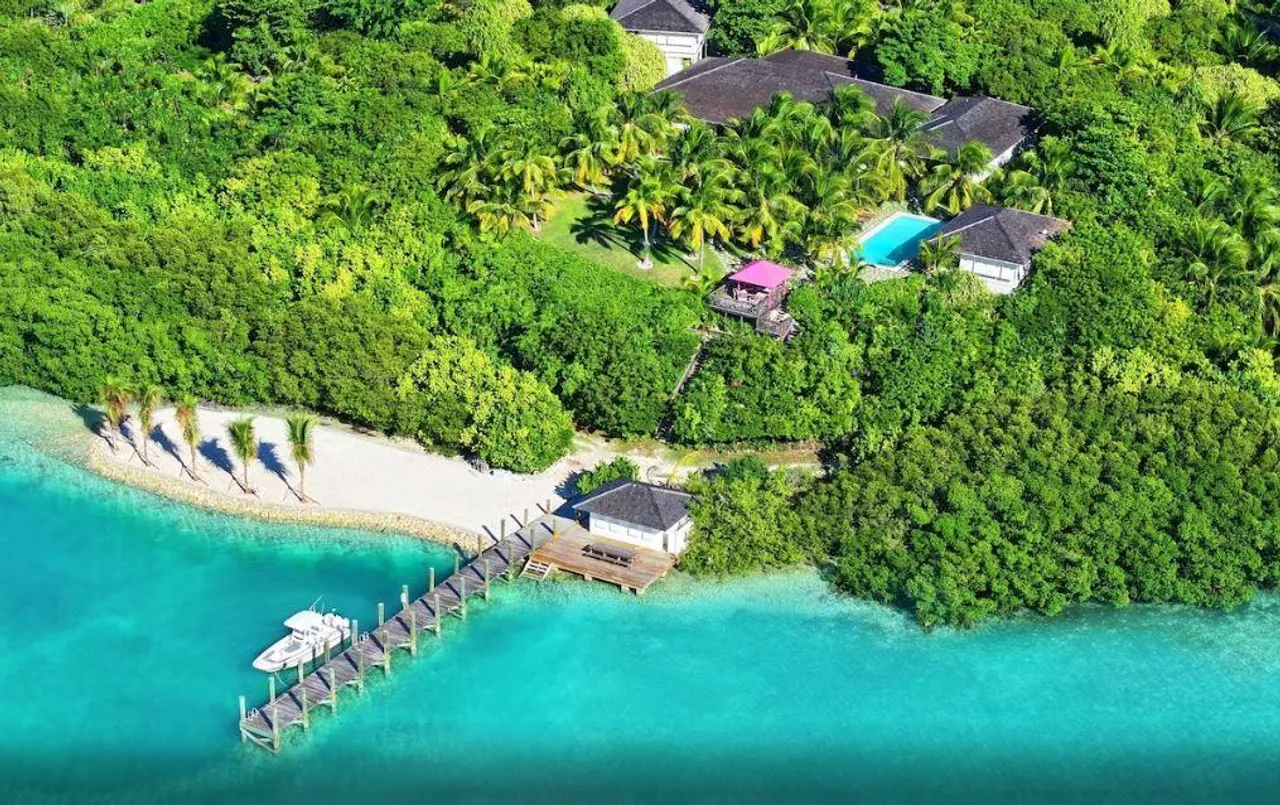
 The villa collection
Bahamas, Bahamas
 Exceptional Villas. Extraordinary Stays.A Part of the VIC Network
THE COLLECTION
Beautiful private villas for the way you want to travel.
Read the Bahamas destination guide
7 exceptional villas
The villa collectionBahamas, Bahamas
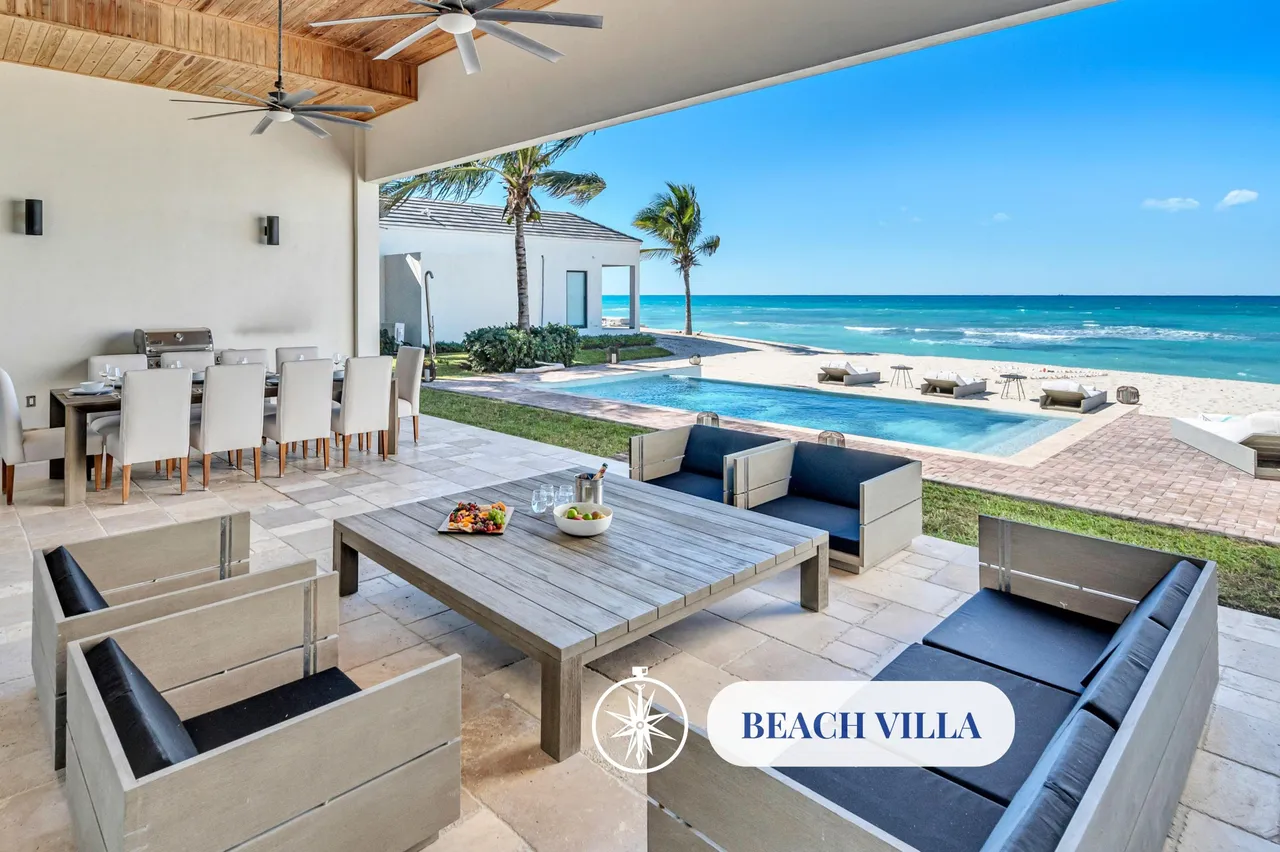 The villa collection
Bailey town, Bahamas
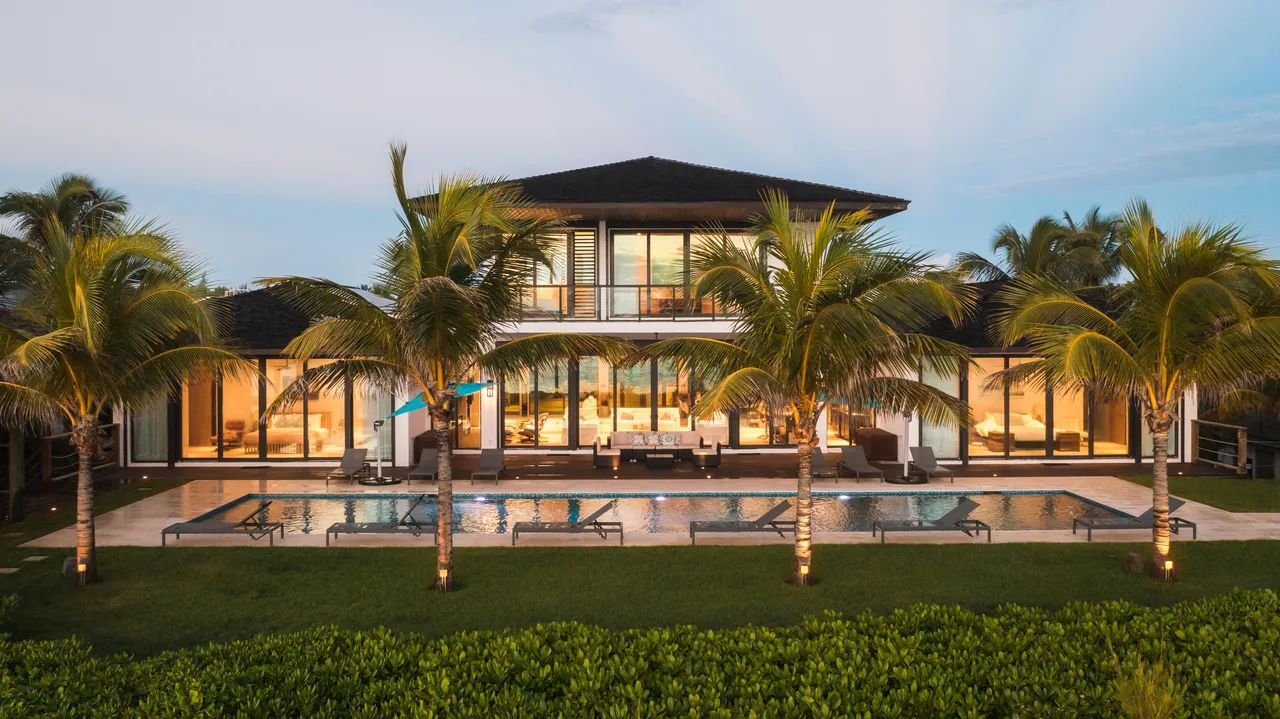 The villa collection
Harbour Island, Bahamas
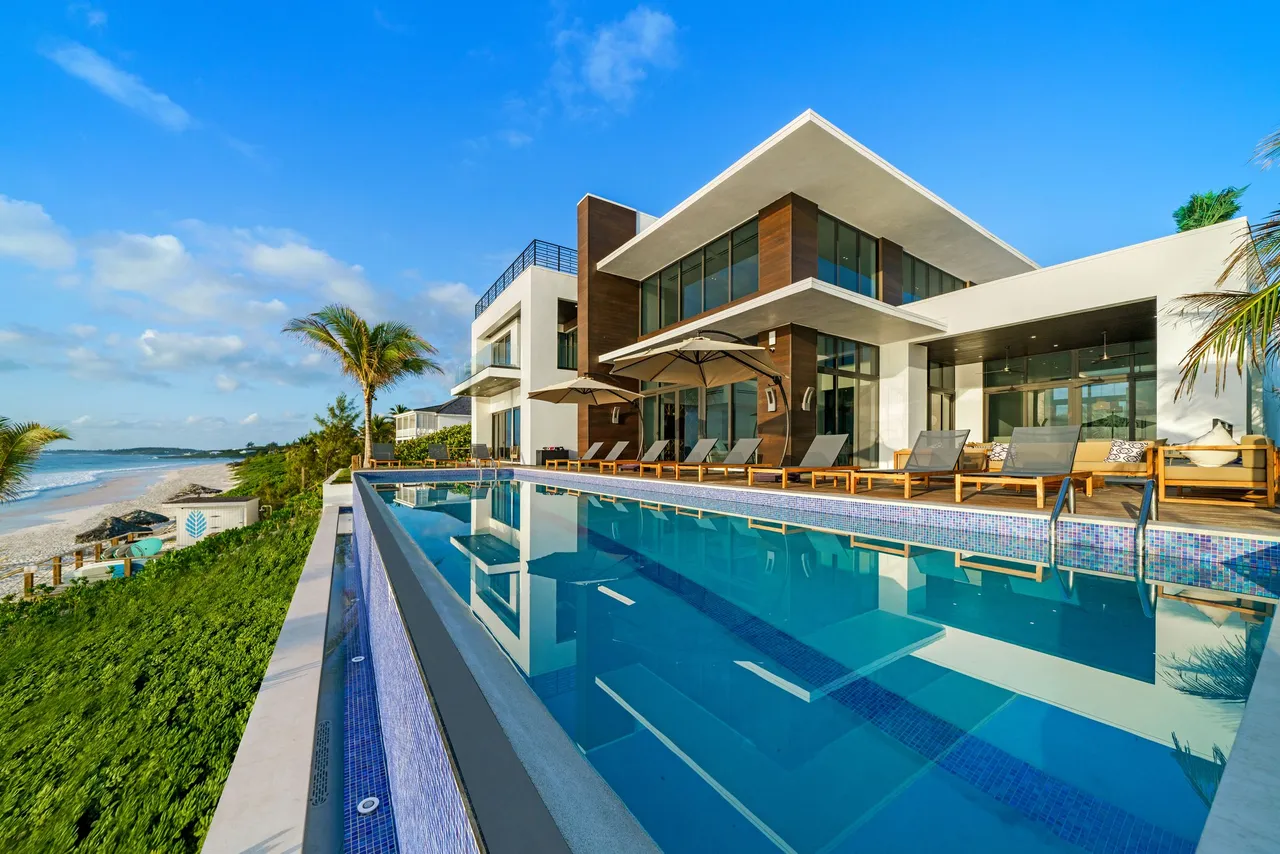 The villa collection
Harbour Island, Bahamas
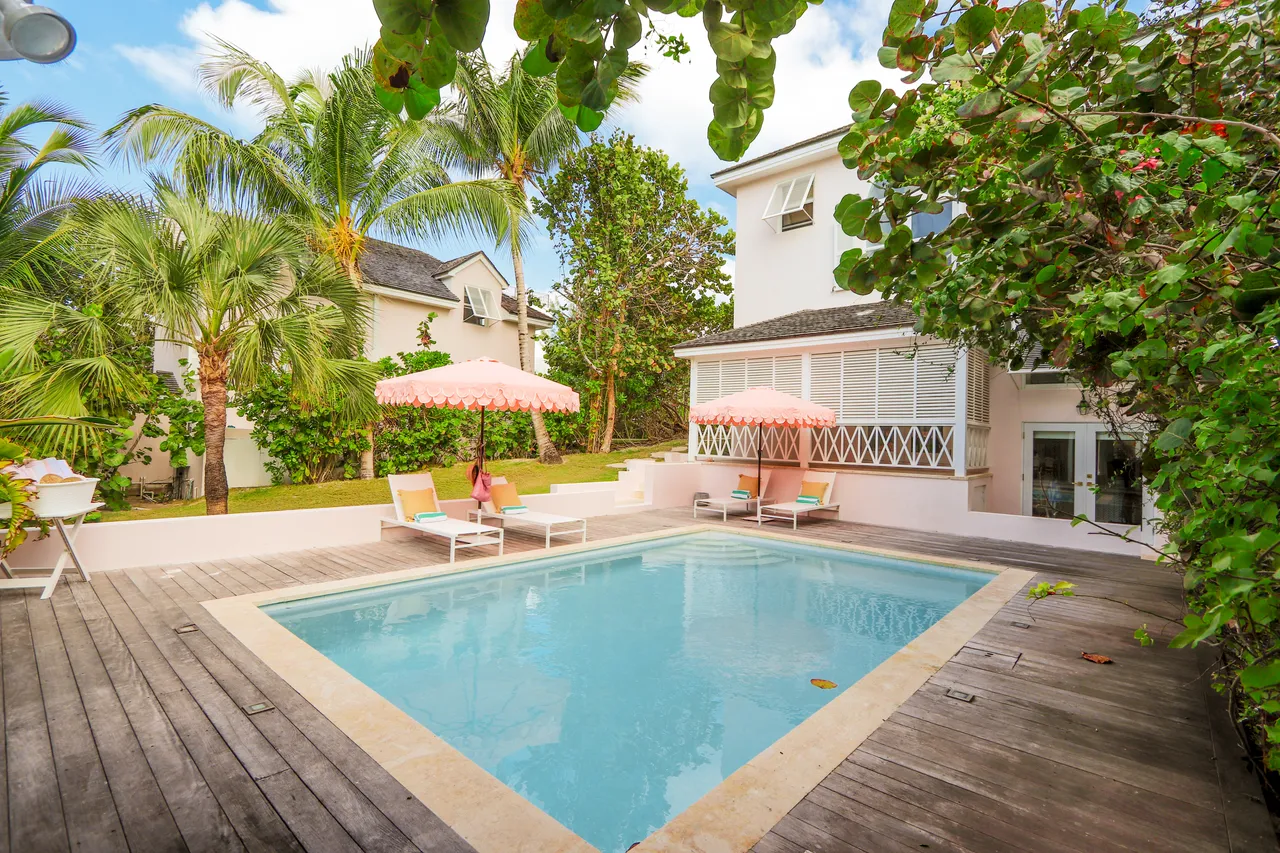 The villa collection
Harbour Island, Bahamas
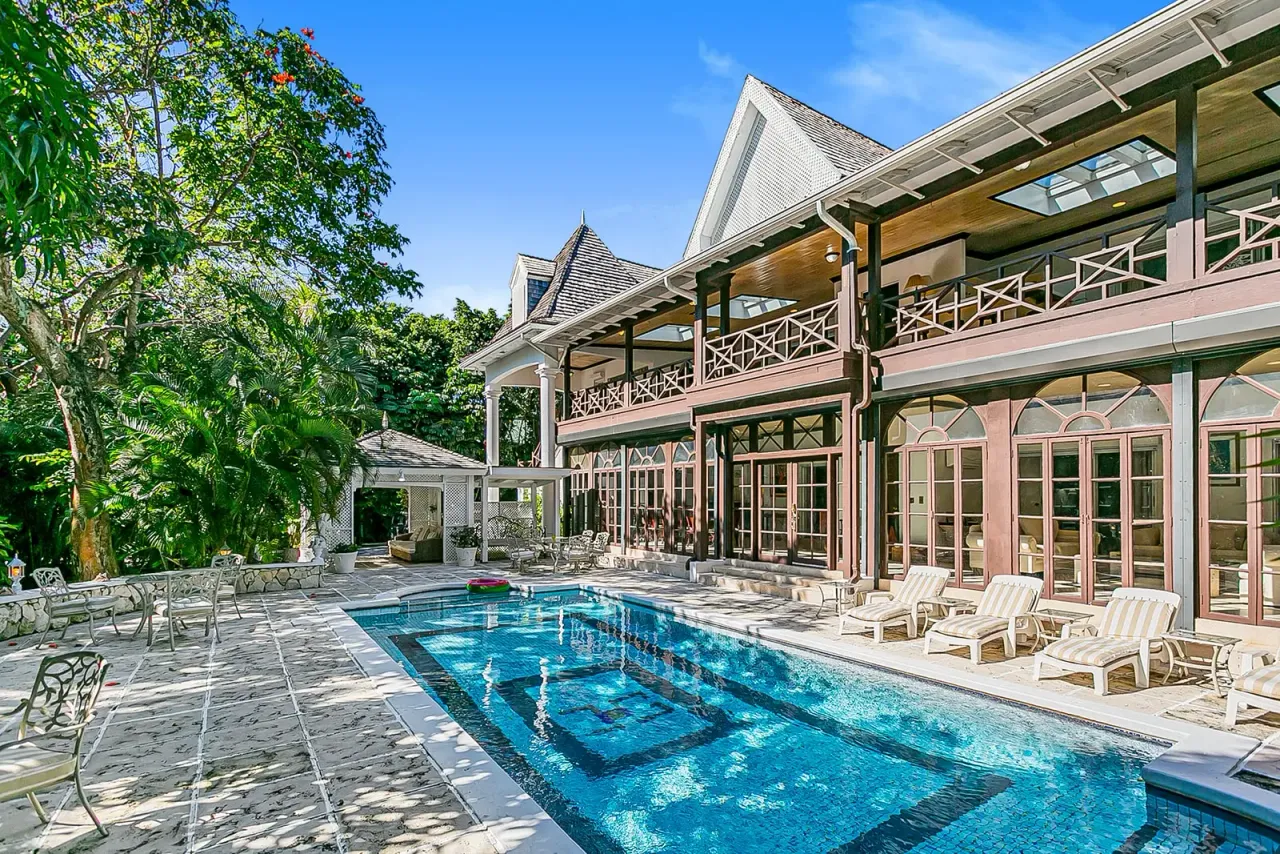 The villa collection
Nassau, Bahamas
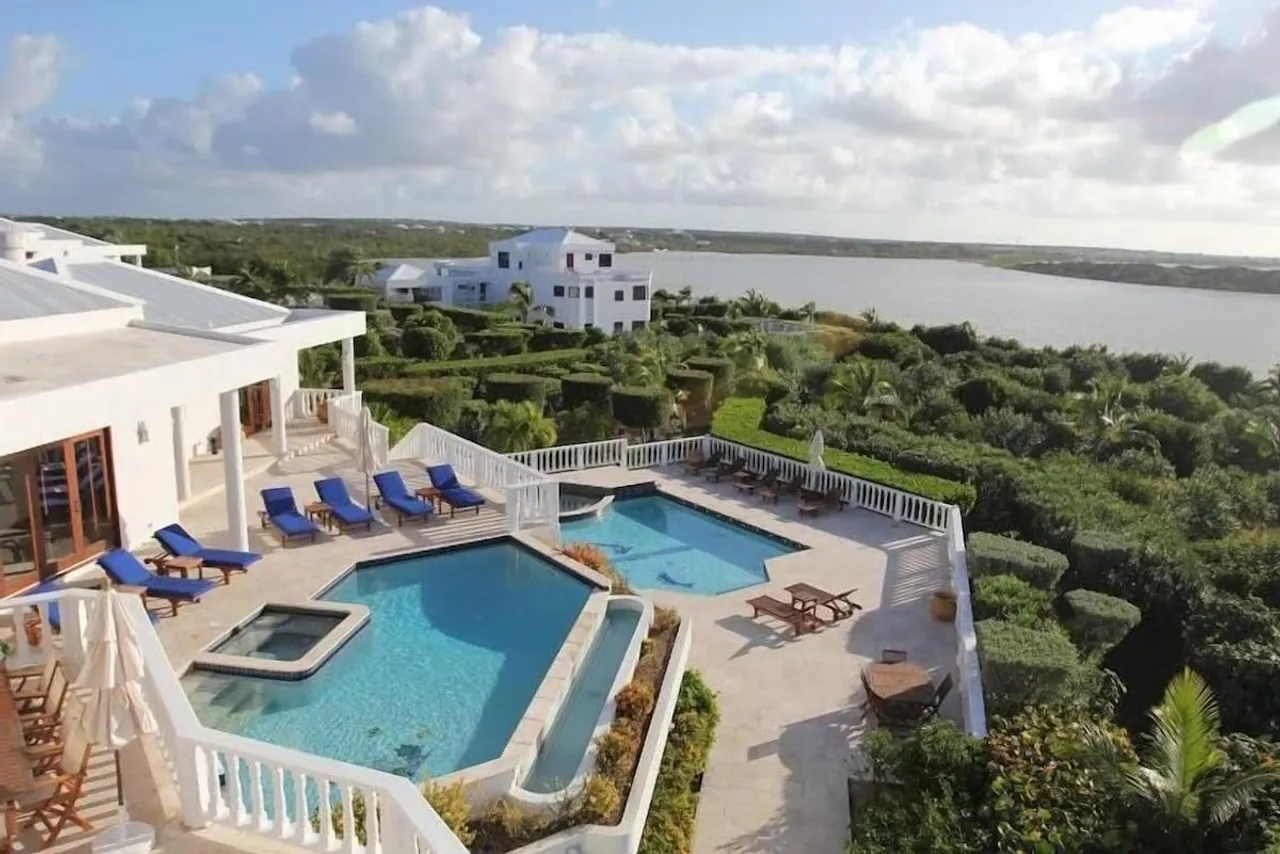 The villa collection
West End, Bahamas
Villas International collection · Listing details and indicative rates. Availability is confirmed by inquiry.
THE VILLAS INTERNATIONAL DESTINATION GUIDE
The best Bahamas villa holidays begin with the right island. This guide connects local geography, beaches, cultural stops and specific dining possibilities with the everyday decisions that make a private-home stay comfortable. Use it to choose a base, shape a realistic week and prepare a useful villa brief.
The Bahamas rewards a more specific question than which villa has the best view. Ask what you want to do after breakfast. If the answer includes galleries, historic streets and a wide choice of restaurants, Nassau deserves an early place on the list. If you imagine a compact town, a beach you return to daily and a smaller social world, consider Harbour Island. If exploring by car appeals, Eleuthera makes more sense. If most memorable moments will happen aboard a boat, look carefully at the Exumas and the position of the particular island within that chain.
These choices shape the whole holiday. A large house in the wrong location can introduce hours of transfers, while a less elaborate property in the right place can make every day easier. Begin with the Bahamas villa collection, but shortlist by island and coast before comparing pool photographs. Tell your planner whether your group prefers eating out, cooking together, employing a chef or mixing all three. Mention anyone who would rather avoid small aircraft or boat crossings. Those preferences are central to finding the right home.
For a first visit, one island base is usually a more satisfying introduction than an ambitious multi-island circuit. The Bahamas is an archipelago, not a compact beach town. Changing islands may mean coordinating flights, road transfers and a boat rather than simply driving along a coast. That can be part of the adventure, but it should be chosen deliberately. Our first-week island planning article develops three realistic styles of stay rather than suggesting that every headline attraction belongs in the same itinerary.
Nassau offers the strongest starting point when several generations want different things from the same trip. The capital is on New Providence, with Paradise Island across the harbor. One person can prioritize art, another beaches and another a celebratory dinner without making a separate island transfer necessary. That variety is particularly helpful for families whose youngest and oldest guests have different energy levels. It also makes Nassau worth considering for a shorter stay, when complicated onward arrangements would consume too much of the holiday.
Location still needs care. Cable Beach, central Nassau and the approaches to Paradise Island produce different daily journeys. Ask for the villa's exact area and the realistic route to your preferred beach or restaurant. An attractive map distance can conceal traffic or an inconvenient pedestrian route. If a listing mentions a neighboring resort, establish exactly what that means: access to a restaurant may be bookable, while pools, beaches with managed facilities or children's programs may have separate conditions. A villa reservation does not automatically include another property's facilities.
Give Nassau itself a proper morning. The Queen's Staircase and the streets around the historic center provide a reason to leave the pool, while the National Art Gallery of The Bahamas gives the trip a contemporary cultural dimension. Select one or two stops and allow time between them. A family does not need an exhaustive history lesson to appreciate the city. Pair an outing with a relaxed lunch, then return to the house early enough for those who want a swim or a nap.
Harbour Island is well suited to travelers who like getting to know a small place. Dunmore Town, the harbor side and the long pink-sand Atlantic beach offer contrasting settings within a concentrated island. The important decision is where the house sits between them. A beach-oriented property may feel right for a family that wants sand before breakfast. A town-oriented address can suit adults who value an easy evening routine. An elevated or more withdrawn position may appeal to guests who prioritize their own terrace over spontaneous outings.
Arrivals require a joined-up plan. North Eleuthera is the usual geographical reference for reaching Harbour Island, but the journey is not complete at the airport. Road transport, the water crossing and the final island transfer all need to fit together. Share luggage quantities and children's ages when arranging transport. After a long travel day, the difference between an improvised arrival and a coordinated one is considerable. Have drinking water and a first meal ready rather than expecting everyone to shop immediately after checking in.
Once there, resist treating every day as an excursion. Walking familiar streets, finding a favorite breakfast and returning to the same beach are genuine pleasures. The Dunmore's Clubhouse is a dining possibility to investigate when an ocean-facing meal appeals; confirm current access for outside guests and book directly or through your planner. For a larger party, discuss whether everyone wants a restaurant occasion or whether dinner at home would allow children and adults to keep their own schedules.
Eleuthera should be planned as a long island with several distinct centers, not as a single resort zone. A northern stay can place the Harbour Island crossing and the Glass Window Bridge into a coherent exploration. Central Eleuthera brings Governor's Harbour into the conversation. Farther south, Rock Sound and nearby stretches of coast create another version of the trip. The best base is the one that keeps most of your preferred days reasonably close, even if that means leaving some famous places for another visit.
Choose the airport after choosing the villa area. North Eleuthera, Governor's Harbour and Rock Sound are not interchangeable arrival labels. Before buying flights, have the planner review the whole ground journey and arrival time. Rental vehicles, road conditions, access to the house and where to collect provisions all deserve attention. A late arrival can work perfectly well with preparation; it becomes frustrating when the party reaches an unfamiliar road after dark without a clear handover arrangement or food at the house.
The island's two coastal orientations also require a closer look than photographs permit. An Atlantic-facing terrace offers a different relationship with wind and open water from a west-facing setting. Neither guarantees calm swimming on a particular day. Ask about the actual shoreline, the path to it, seasonal beach changes and the alternatives when conditions do not suit your group. A pool, shade and a comfortable dining terrace may prove more valuable than direct water frontage that the family rarely uses.
The Leon Levy Native Plant Preserve gives an Eleuthera stay an inland chapter. A botanical walk makes sense for travelers who are curious about the vegetation beyond the beach, and it can be a refreshing change for children who have spent several days swimming. Choose a comfortable time to walk, take water and use the visit to notice a few details properly. Reading every sign is not the measure of a good outing; leaving with a clearer sense of the island is.
Build the rest of the day around the same part of Eleuthera. Governor's Harbour is a useful anchor for a central-island visit, and 1648 An Island Restaurant is an option for a meal overlooking the water. Check the current menu, opening arrangements and group-booking requirements before making it the center of the day. A garden visit, time in town and one meal are enough. Adding a distant beach simply because it looks close on a national map often weakens the plan.
For guests staying farther north or south, decide whether this should be the week's principal drive. If so, leave the following morning open. A villa holiday gains from contrast: one day out discovering the island, another enjoying the home you chose. Read our Bahamas dining and local-days article for ways to connect food with nearby experiences instead of treating restaurant reservations as isolated appointments scattered across the country.
The Exumas comprise different kinds of destinations. Great Exuma and Little Exuma support a more land-based routine, while the Exuma Cays often require a more boat-centered plan. George Town and Elizabeth Harbour provide useful reference points on Great Exuma. Little Exuma, connected by bridge, introduces other stretches of coast, including Tropic of Cancer Beach. By contrast, a stay around Staniel Cay belongs to a different part of the chain. The name Exuma on two property descriptions does not make their locations comparable.
For a family that wants to balance house time, local drives and a selected boat outing, Great Exuma is a sensible place to begin the conversation. Establish the villa's position relative to groceries, embarkation points and the particular beaches you want to visit. A property at the opposite end of an island can be wonderful, but the transport pattern should be understood before booking. Ask whether the group will use one vehicle together or needs independence for different daily plans.
A day around Elizabeth Harbour can be more rewarding than an overextended attempt to reach every famous cay. Discuss Stocking Island and other suitable nearby options with a local operator, allowing the captain to advise on conditions and landing arrangements. If the family's essential wish is a particular site farther along the chain, compare the practicalities of a different base. Choosing the right island is a better solution than forcing a very long boat day onto guests who would prefer a relaxed outing.
Staniel Cay is associated with access to nearby cays and Thunderball Grotto, but the useful planning question is how your own party will experience the area. Confident swimmers may have very different expectations from children, less mobile guests or adults who enjoy being on a boat but prefer not to enter deep water. Tell the operator about the least confident person, not only the most adventurous. A successful charter is one in which everyone feels considered and the itinerary can change without disappointment.
A comfortable vessel is more than its photograph. Discuss shade, seating, the boarding method, a toilet if needed, space for bags and whether lunch will be aboard or ashore. The right choice for two adults on an active outing may be wrong for a multigenerational group. Confirm what is included in the charter price and which items are separate. Fuel arrangements, additional stops, food and any entrance requirements should be clear before the day, leaving the captain free to focus on the water.
Staniel Cay Yacht Club is a named dining and social reference on the island, with restaurant and bar options described by the operator. Treat any visit as a reservation and route question rather than a guaranteed stop on a standard tour. Most importantly, leave room for conditions. A captain's decision to substitute a closer anchorage or shorten a route can improve the day considerably. The measure of the trip is the experience aboard, not the number of photographs matched from a saved list.
The Exuma Cays Land and Sea Park is a protected landscape, and a visit should be planned around the park's rules and the abilities of the group. Ask your operator which areas make sense from the villa's location and whether the proposed trip genuinely reaches the park. Avoid accepting a vague description of an Exuma excursion as proof that a specific protected-area visit is included. The distinction matters both for expectations and for how the day is organized.
Choose an operator who explains wildlife viewing without encouraging handling or harassment. An animal does not have to be fed or touched to make an encounter memorable. Children often respond well when the adult framing is observational: look at how a fish moves, notice the different habitats and compare what you see in two places. Keep snorkel stops within people's abilities and make it easy for anyone to remain on board without feeling that they have missed the point of the outing.
Give weather decisions to the professional responsible for the boat. A distant stop can remain an aspiration rather than a promise made at the start of the week. Book a charter early enough in the stay that there may be room to reschedule, while understanding that neither good weather nor a replacement date can be assured. This approach is especially helpful when comparing a Bahamas trip with Turks and Caicos villa stays: ask where the essential experiences are relative to the actual house, not simply which country has the better photographs.
The Abacos appeal to travelers whose ideal holiday includes harbors, boating and smaller settlements. Hope Town on Elbow Cay offers a particularly recognizable landmark in the Elbow Reef Lighthouse. The lighthouse society provides the background to its working lightstation and preservation. It is an opportunity to learn about a practical maritime institution rather than using the striped tower only as a backdrop. Verify visiting arrangements with the organization or your local host before building a day around access.
An Abaco stay should have its own arrival plan. Confirm the correct airport, ferry or private-boat arrangements and the final connection to the villa. The party's flight schedule, the island's transfer options and the house handover need to agree. Do not assume a late international arrival can always connect smoothly onward. Where the journey requires an overnight stop, judge it as part of the trip rather than an inconvenience discovered after booking. Sometimes a night in Nassau followed by an unhurried island transfer is the more comfortable choice.
Provisioning and daily transport deserve similar attention. Ask where groceries can be obtained, what should be ordered ahead and how the group will reach restaurants or embarkation points. A quieter island can deliver a wonderfully simple week, but that simplicity often depends on preparation. If the group wants spontaneous late dinners and a different major attraction each day, revisit whether the location suits the brief. The best match respects both the character of the island and the travelers' habits.
Andros belongs on the list for travelers drawn to fishing, wetlands, diving and blue-hole landscapes. It is a destination to discuss with a knowledgeable local operator around a specific interest. Rather than adding Andros as a vague extra island, begin with the experience you want and identify the appropriate base and guide. Different parts of the island have different access considerations. A map that shows a single island outline should not be read as a promise of one easy road network connecting every desired location.
Grand Bahama offers another combination of urban reference points and natural environments. Freeport and Port Lucaya may appeal to travelers who want dining and shopping within the week, while Lucayan National Park provides a reason to explore beyond the immediate villa setting. Select the current visitor route with the park's guidance, and keep any specialist water or cave activity separate from an ordinary family walk. A professionally arranged nature visit can make the island feel more distinctive without turning the holiday into an expedition.
For either destination, give one meaningful experience enough time. Guests do not need to see every park, beach or settlement to have a good visit. A morning with a capable local guide, followed by lunch and an afternoon back at the house, may be the most memorable day of the week. This is especially useful for mixed-interest groups: those who want depth can arrange another focused outing, while others keep a quieter villa rhythm.
Start with sleeping arrangements, not just a bedroom count. Ask which rooms are closest together, whether any require an outside walk, how bathrooms are distributed and where the youngest children will sleep. A group of adult couples may value equal bedrooms, while grandparents traveling with children may care more about a quiet room and easy access to shared spaces. Have the planner explain the layout in plain language. A photograph of a beautiful staircase is not a substitute for knowing who must use it repeatedly.
Outdoor living deserves the same scrutiny. Request details about shaded seating during the part of the day your group will be outside, the dining table's comfortable capacity and the relationship between the pool and children's rooms. Establish whether the shore is reached by steps, a path or a drive. Ask whether any pictured equipment is included, available to rent or purely decorative. Do not infer a boat, paddleboard or golf cart from a photograph without a specific inclusion in the booking terms.
Staffing is another set of separate questions. Housekeeping frequency, laundry arrangements, chef service, shopping and evening assistance may differ from one villa to another. A staffed description does not tell you the hours or scope. Write down what the group actually wants: breakfast ready each morning, two dinners at home, daily tidying or simply an arrival grocery delivery. Then ask for a clear proposal. That produces a more accurate comparison than assuming two homes with similar nightly rates offer the same support.
A Bahamas villa stay works best when the food plan reflects the island. In Nassau, the group may prefer a flexible mix of restaurants and home meals. On a smaller cay, ordering ahead can make a much greater difference. Send a concise grocery list that distinguishes essentials from preferences and allows sensible substitutions. Include breakfast staples, drinking water, children's familiar foods and ingredients for the first simple meal. A long list of highly specific imported brands can create unnecessary work without improving the holiday.
For a chef dinner, explain dietary requirements and the occasion, then invite a menu based on ingredients available for the date. Ask how shopping, service and cleanup are handled and whether there are separate charges. A useful brief might request a relaxed Bahamian-inspired family meal with a mild option for children and a separate course for guests who do not eat fish. Confirm allergies directly and in writing. The aim is a meal that feels personal and comfortable, not a rigid menu copied from a different island.
Eating out adds another dimension. Graycliff in Nassau, The Dunmore on Harbour Island, 1648 near Governor's Harbour and Staniel Cay Yacht Club each belong to their own geographical chapter. They are possibilities to evaluate, not a single week's restaurant circuit. Our local tables guide connects these choices to workable days. The most useful restaurant recommendation is one that suits your island, your group and the journey home as well as your taste.
Choose dates around the group's real priorities: school schedules, preferred pace, time on the water and tolerance for heat or unsettled weather. Broad seasonal expectations can guide the discussion, but no month guarantees a calm sea at a specific beach or an uninterrupted charter schedule. Ask the local planner about the particular island and intended activities rather than treating national weather averages as a promise. A boat-centered stay deserves a different contingency plan from a Nassau trip built around restaurants, art and a pool.
Leave at least one genuinely uncommitted day in a week. It can become the rescheduled boat outing, the beach day everyone wants to repeat or simply a chance to enjoy the house. If every day has a paid reservation, flexibility becomes expensive and the holiday can feel like a timetable. Put the hardest-to-secure experiences in place first, then add modest plans around them. A restaurant reservation should not force the group to rush back from a distant island outing.
Before paying, understand the villa's cancellation terms and the separate policies for flights, boats and other arrangements. These may not move together if plans change. Discuss travel protection needs with an appropriate provider rather than assuming one booking covers the rest. For the itinerary itself, maintain a short alternative list: an indoor cultural visit in Nassau, a relaxed meal or a villa afternoon. A weather change does not have to erase the value of a day when the trip has more than one kind of pleasure.
Use arrival day to settle in, unpack and eat at the villa. On the first full morning, choose a nearby beach or the pool so the group can recover from travel. The next day can focus on Nassau's historic center and the National Art Gallery, with lunch near the outing and an easy afternoon. Place a boat excursion on a separate day and agree a realistic route with the operator. This gives the trip variety without expecting every family member to manage a major departure each morning.
Reserve another evening for Graycliff if a more formal dinner suits the party. Keep the daytime plan light enough for guests to return, change and enjoy the occasion. Use a different day for a beach or resort-related activity whose access has been confirmed, and protect one full day for the house. Children may want to repeat a favorite swim rather than try something new. Adults can split up for part of a day and reunite for dinner; a shared villa does not require identical schedules.
On the final full day, avoid a distant excursion with a tight return. Finish shopping, enjoy a last lunch and confirm departure arrangements. A calm last evening can become the group's favorite memory, especially when nobody is packing between restaurant courses. This sequence is a planning model, not a package with guaranteed inclusions. Adjust it to the house location, opening days and the interests of the people traveling. A good itinerary supports the holiday rather than becoming its purpose.
On Eleuthera, organize exploration in local clusters. Begin with your nearest beach and practical orientation, then choose one principal day in the north or central part of the island according to the villa's position. A Governor's Harbour day can combine the plant preserve with a meal; a northern day may focus on the landscape around Glass Window Bridge and a suitable beach stop. Do not automatically include both if the house is far away. Two well-planned outings can provide more enjoyment than repeated long drives.
On Harbour Island, use a different rhythm. Let the first days establish a beach routine and a sense of Dunmore Town. Add a considered restaurant meal, a water-based outing if conditions and interests align, and a quiet dinner at home. An Eleuthera excursion is possible to investigate, but it should be worth interrupting the island rhythm. Compare the whole journey, not just the attraction. Some groups will enjoy a change of scene; others will prefer another day within their small familiar world.
For either stay, make the final two days lighter. Revisit the place everyone liked most, buy something meaningful from a local business and take time for a meal without a transfer deadline. Keep the departure boat or road journey distinct from sightseeing. When comparing this style of holiday with Anguilla or St. Barts, think about how much movement the group actually wants. The right island is often the one that makes the ordinary days feel easiest.
A photograph of pale sand says little about how a family will use a beach. Before choosing a villa for its frontage, ask whether the route is level, stepped or steep, whether shoes are useful on the approach and where towels and equipment can be kept. Check how far a guest must walk back for a toilet, a drink or a break from the sun. These ordinary details determine whether the beach becomes part of daily life or a place the group visits only once.
At an unfamiliar shore, seek current local guidance and pay attention to the conditions on the day. A beach that looked calm during a previous visitor's trip may not suit your group when you arrive. Keep the pool and another land-based activity available as alternatives. For children, a short, happy beach visit is better than insisting on several hours because the adults planned an ambitious day. Pack enough to be comfortable without making the outing feel like moving house: water, shade arrangements, towels and a dry change often matter most.
When guests arrive on different flights, nominate one person to collect the final travel details and give them to the planner in a single message. Separate arrivals can affect airport vehicles, boat transfers, villa access and meal timing. Ask whether a delayed guest can travel onward independently or whether the group must wait together. This is particularly relevant when a crossing is part of the route to Harbour Island or a smaller cay. A shared understanding before departure reduces avoidable stress at the airport.
Give children a simple explanation of the day's stages: flight, car, boat if needed, then the house. Keep essential items with the adult who will need them instead of distributing everything across checked bags. For older relatives, ask about walking distances, boarding steps and assistance rather than assuming a private transfer is automatically effortless. The same questions apply on departure. Leave enough room between the villa handover and the flight for the actual transfer sequence, and avoid fitting a final beach stop into a journey that already has several moving parts.
Some guests need a few hours of work during an otherwise shared vacation. Ask the villa representative about a separate work area and the property's connection arrangements before booking. A dining table may look spacious but be unsuitable when everyone else is having breakfast. Likewise, a room with an attractive sea view may be uncomfortable for a video call if it has glare or background noise. Be specific about what is essential and request confirmation for the individual house rather than assuming that every luxury property is arranged for remote work.
Design the group schedule around a clear working window. One household might enjoy a local beach morning while another guest finishes calls, then everyone can meet for lunch. On a small island, allow for the possibility that connectivity or power interruptions may disrupt a fixed commitment; if a meeting is critical, discuss the contingency with the host in advance. The goal is to protect both the work and the holiday. A predictable short session usually creates less friction than repeatedly interrupting meals or boat departures throughout the day.
Choose a few experiences in which the people of the island are central: a guided cultural walk, a garden visit, a meal prepared around local ingredients or a conversation with an artist about their work. In Nassau, the gallery can provide a starting point for understanding Bahamian creative life. On Eleuthera, attention to plants and landscapes can change what you notice on later drives. In the Abacos, the lighthouse's preservation offers another way into island history. These experiences bring specificity to a trip without requiring a crowded sightseeing program.
Be thoughtful about purchases and photographs. Ask before photographing people at work or entering areas that are not clearly open to visitors. Buy items because you appreciate their makers or use, not because every outing needs a souvenir. Let your planner recommend an appropriate local guide for the interests of your party, and explain whether children are joining. A good guide can make one place vivid in a way that a hurried list of attractions cannot. Leave room for these encounters between the larger reservations; they are often the moments guests remember most clearly.
A helpful inquiry includes dates, a little flexibility if available, the number of adults and children, children's ages, preferred island and an honest accommodation budget. Add the reason for the trip: a reunion, a quiet family week, a birthday dinner or a boat-focused escape. Mention the two or three experiences that matter most, including any that are essential rather than optional. The planner can then explain whether the suggested location supports them or whether a different island would work better.
Include practical requirements early. Step-free access, bedroom proximity, pool barriers, reliable space for working, a particular level of staffing and a need to avoid boat transfers can all affect the shortlist. Request confirmation of the relevant details for each property rather than relying on general destination descriptions. If your preferred villa is unavailable, explain which qualities you are willing to trade: size, exact waterfront, location or dates. This helps a replacement feel considered instead of merely similar in price.
Return to the Bahamas destination and villa page with this brief in mind. A strong choice aligns the island, the home and the people. The result is a week where the practical arrangements fade into the background: breakfast happens without a scramble, the boat leaves from a sensible place, the beach suits the day's conditions and dinner allows everyone to relax. That is the real value of a thoughtfully planned villa holiday in The Bahamas.
Nassau is a useful starting point for groups wanting restaurants, culture and beaches in one base. Harbour Island favors a compact island routine, Eleuthera suits thoughtful exploration by car, and the Exumas suit travelers who want to make time on the water central. Choose according to the whole party rather than a single photograph.
Some nearby outings are practical, but the archipelago is too spread out to treat every island as a casual day trip. Confirm the complete air, road and boat journey for any proposed excursion. For a week, a well-chosen base and a few local experiences usually allow more time to relax.
No. Ask about the exact shoreline, access and local conditions, then assess the sea on the day with appropriate local guidance. Ocean views, beach access and suitable swimming are separate qualities. A pool and an alternative beach plan give the group useful flexibility.
Only when the individual booking explicitly includes them. Request the scope and hours of any staff service, and a separate written description of boat arrangements, food, fuel and other charges where relevant. Photos and general descriptions should never replace confirmation of the specific inclusions.
Start by comparing the complete journey from home to the villa. Nassau may make a shorter break easier when flights and a road transfer align, while an Out Island can still be the right choice if the onward connection is comfortable and the group values that particular setting. Count the useful time at the destination, including arrival and departure days. For a long weekend, a late boat crossing or an additional overnight connection can materially change the experience. For a longer stay, those extra stages may feel entirely worthwhile. Let the itinerary and your priorities decide, rather than assuming that the most remote address is always the most relaxing.
Consult the official references for current reservations, seasonal access and opening information.