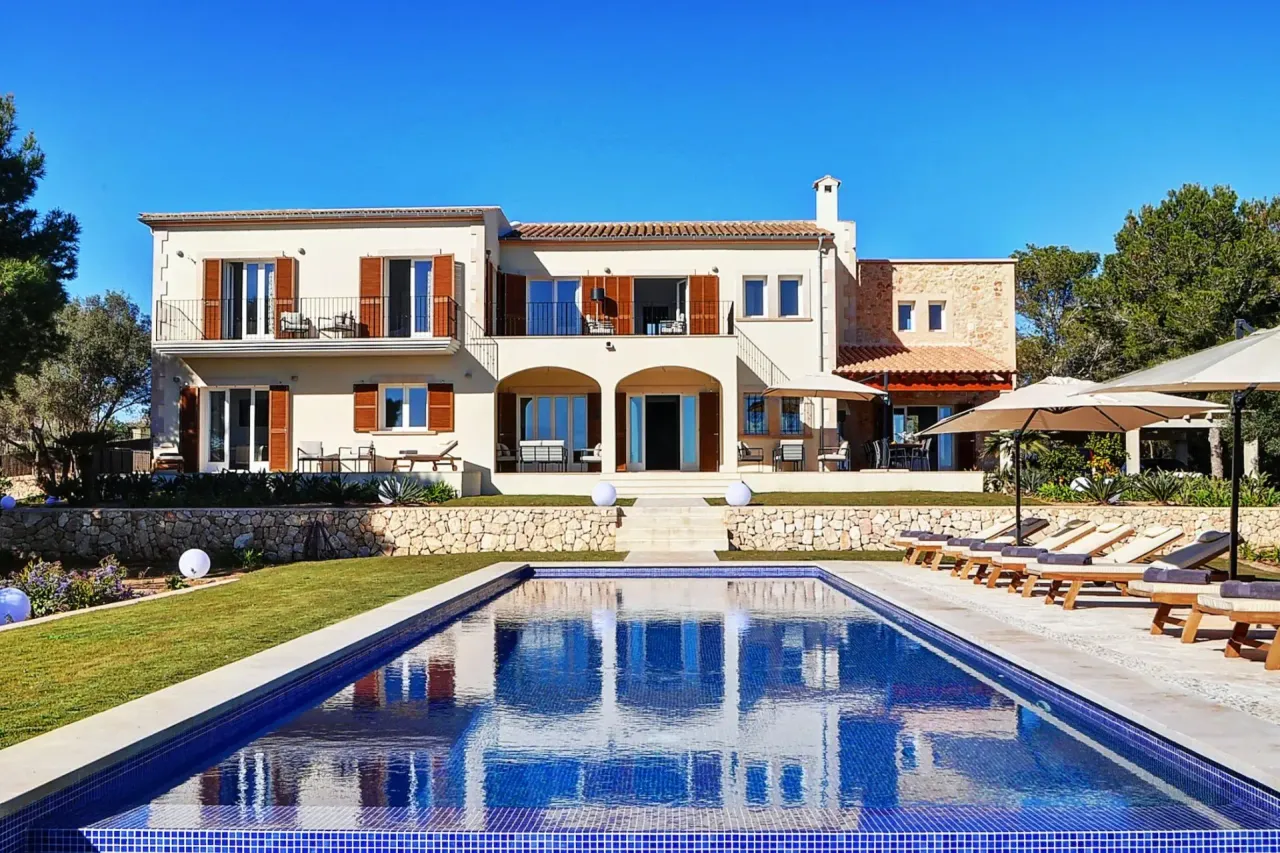
 The villa collection
Mallorca, Spain
 Exceptional Villas. Extraordinary Stays.A Part of the VIC Network
THE COLLECTION
Beautiful private villas for the way you want to travel.
Read the Mallorca destination guide
77 exceptional villas
The villa collectionMallorca, Spain
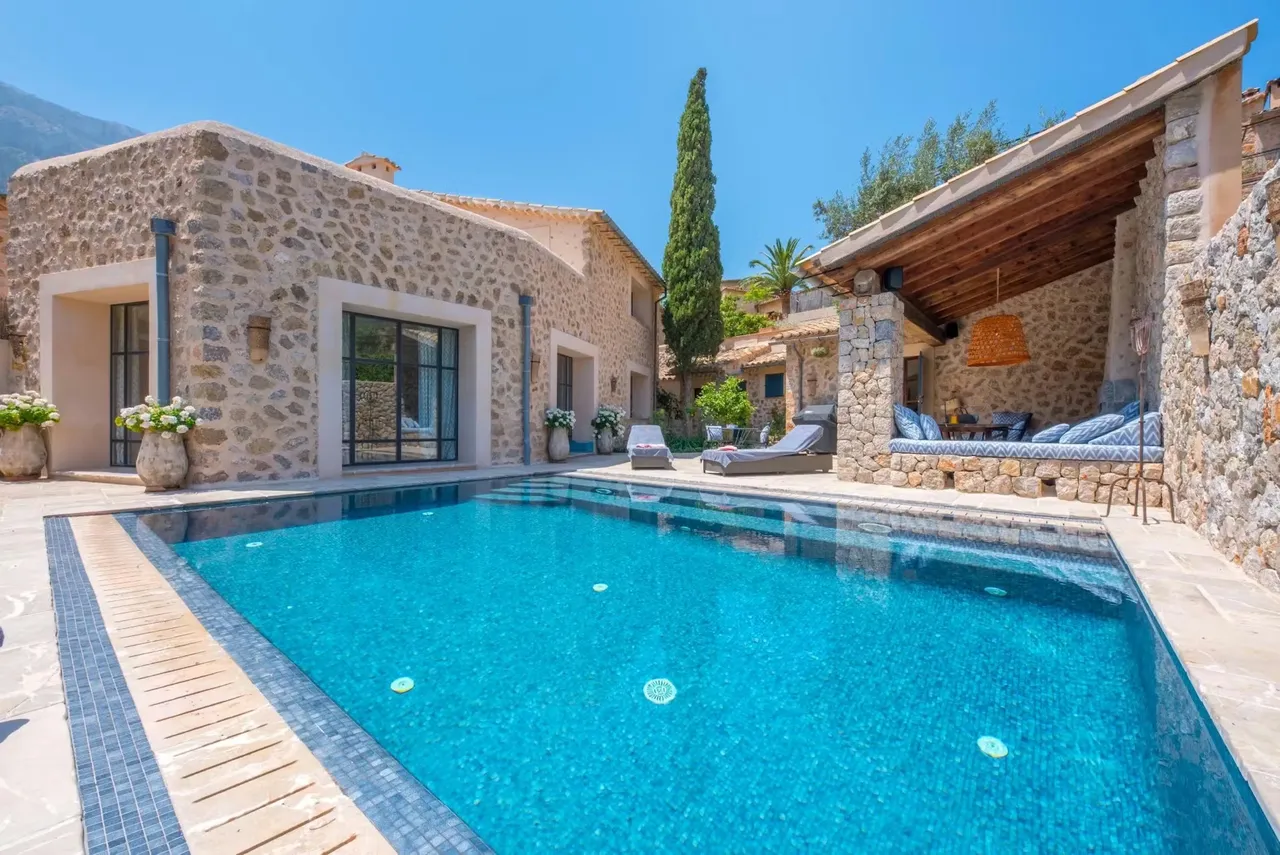 The villa collection
Mallorca, Spain
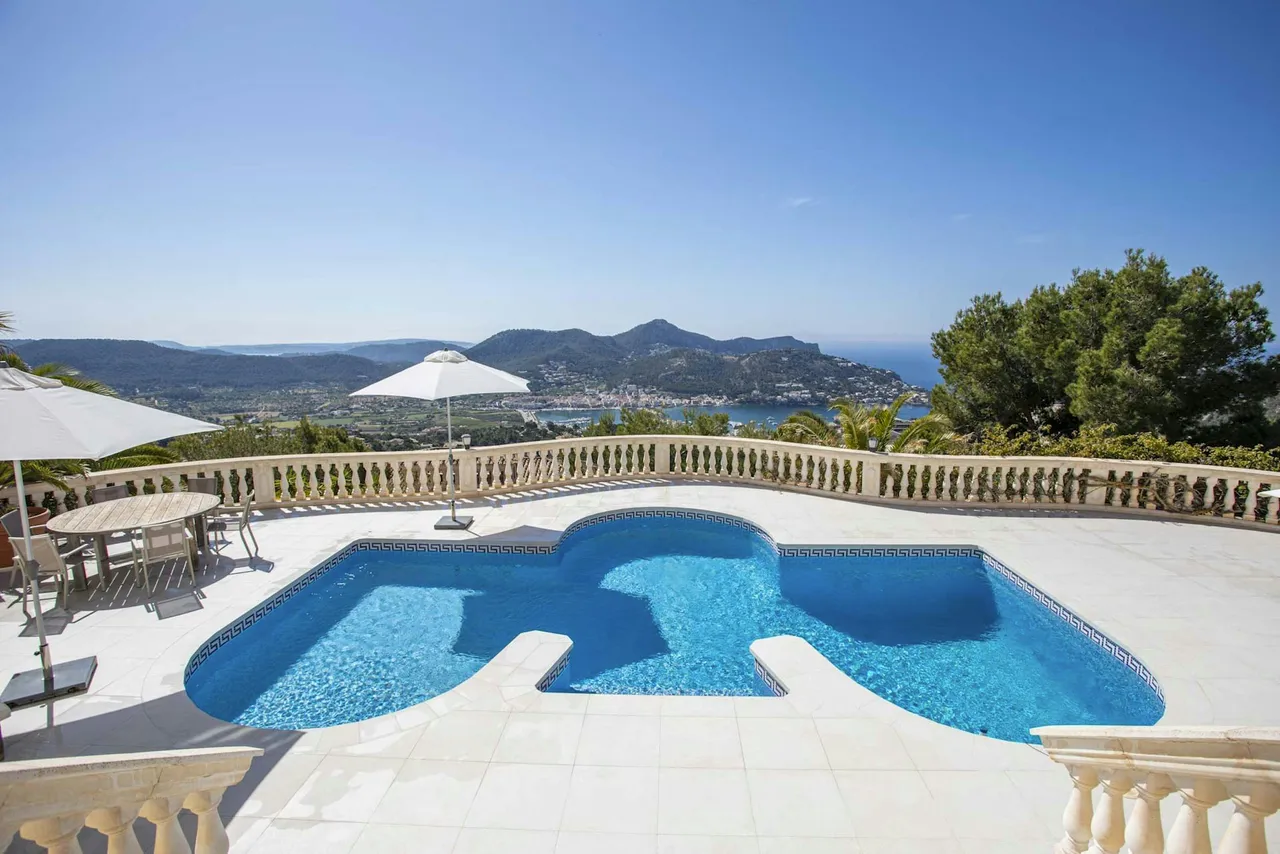 The villa collection
Mallorca, Spain
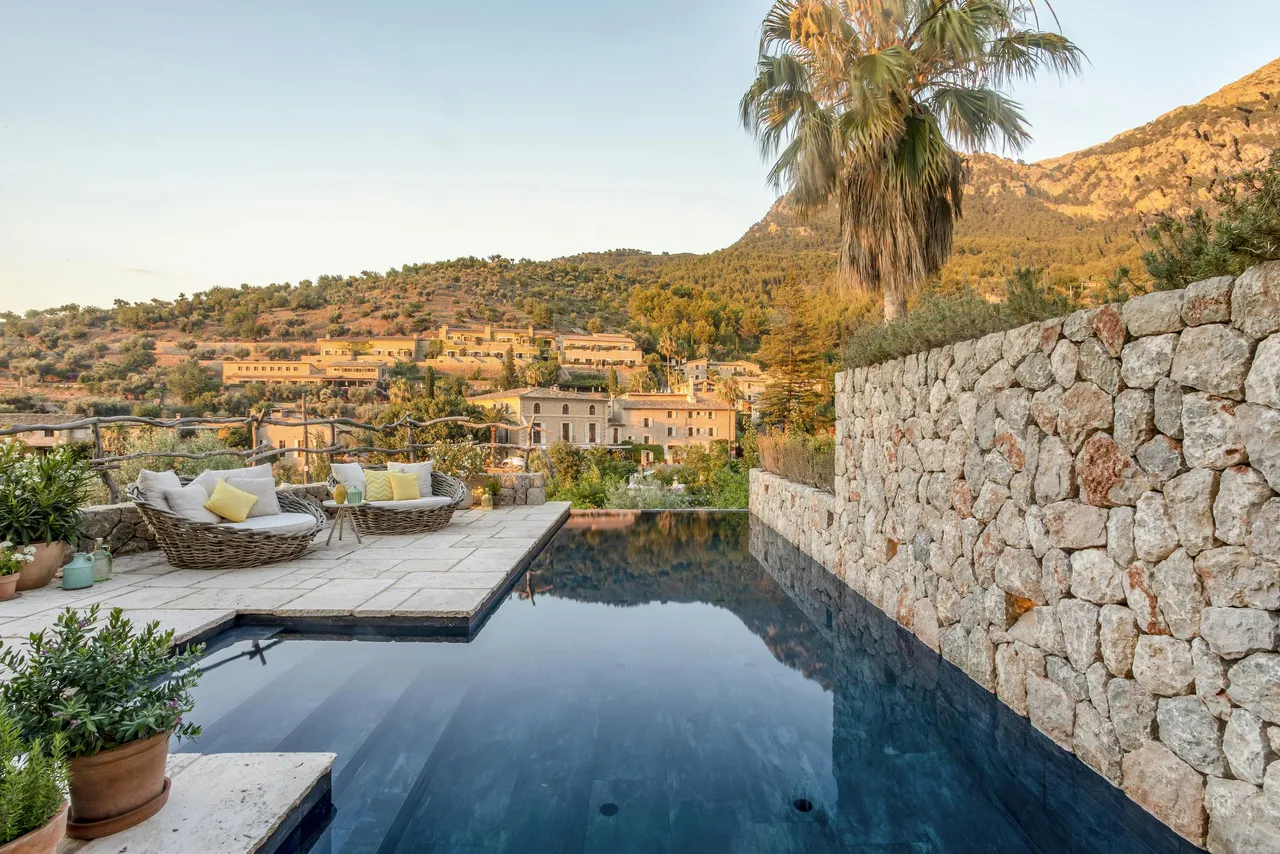 The villa collection
Mallorca, Spain
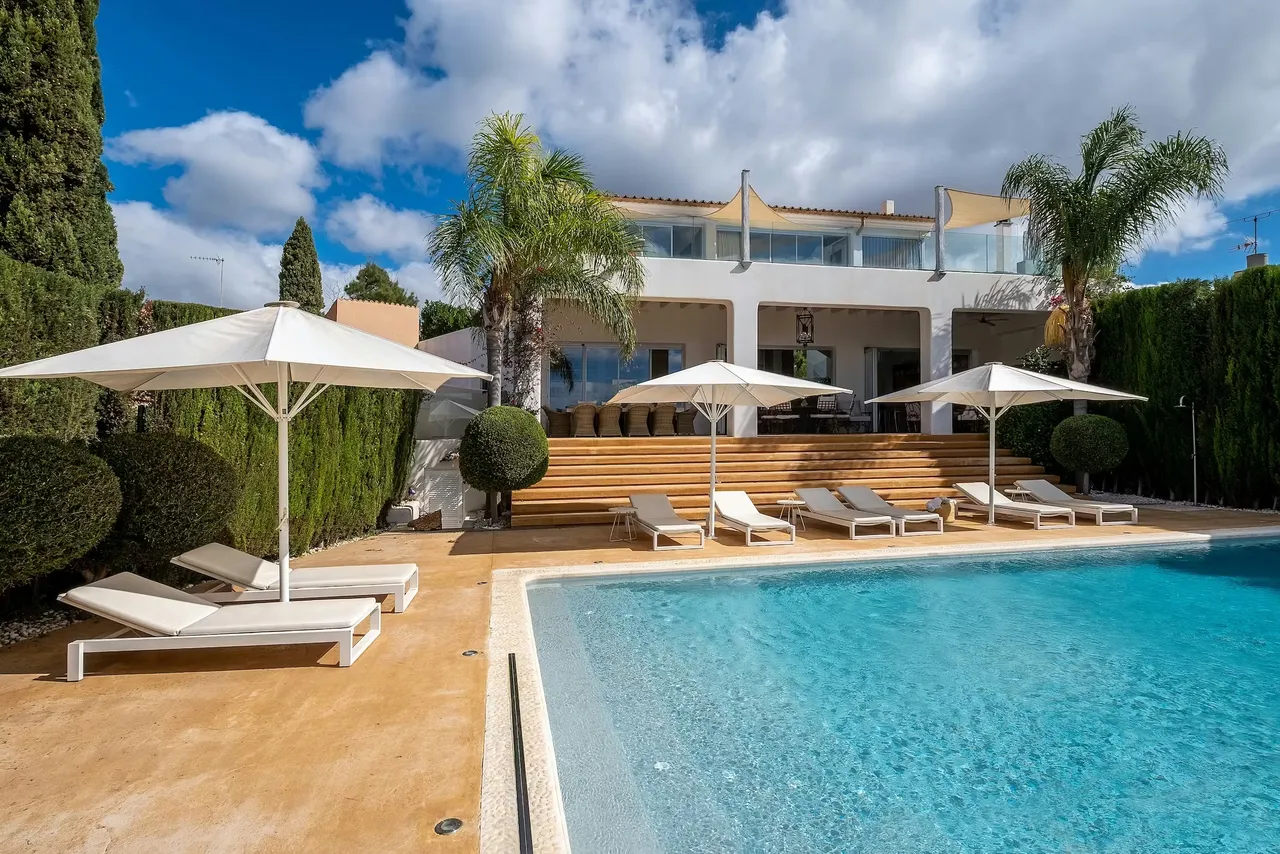 The villa collection
Cala Mayor, Spain
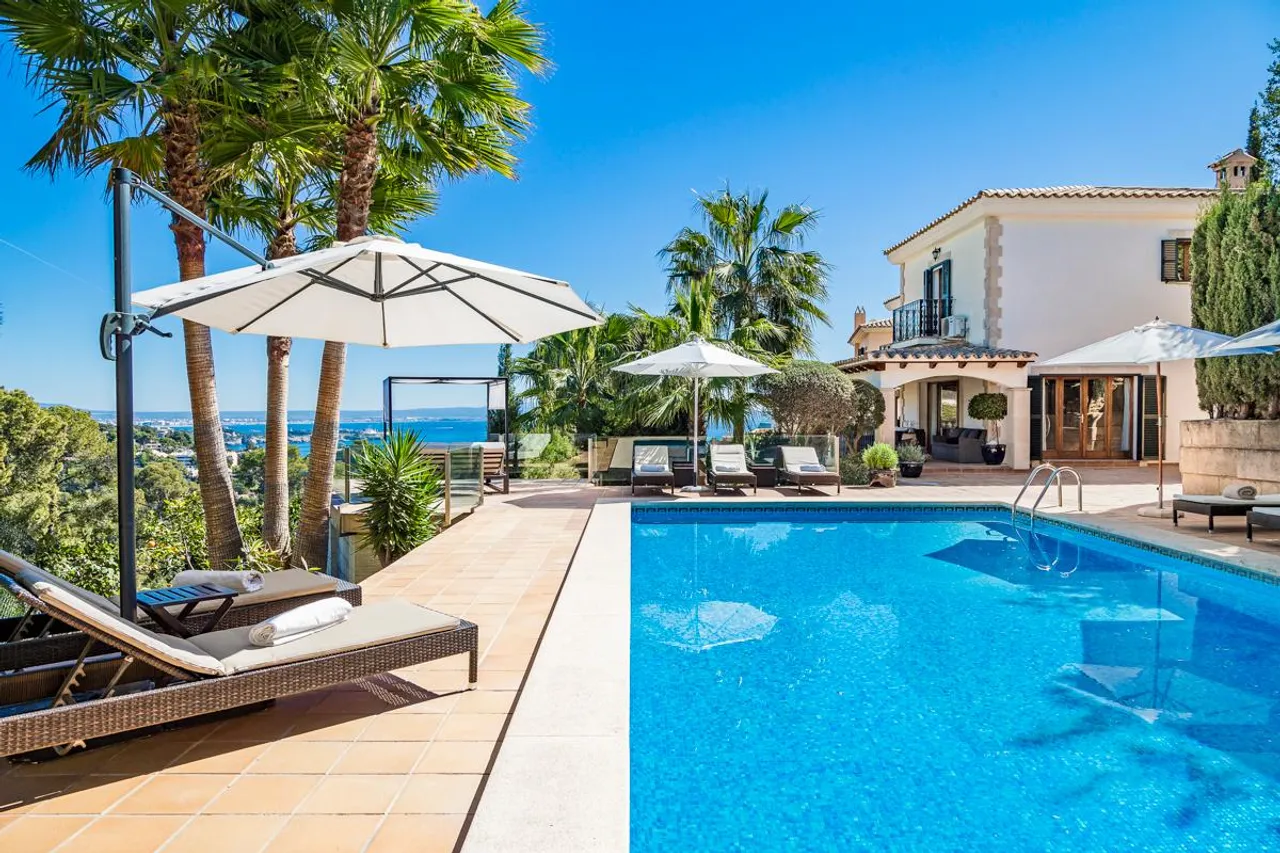 The villa collection
Calvia, Spain
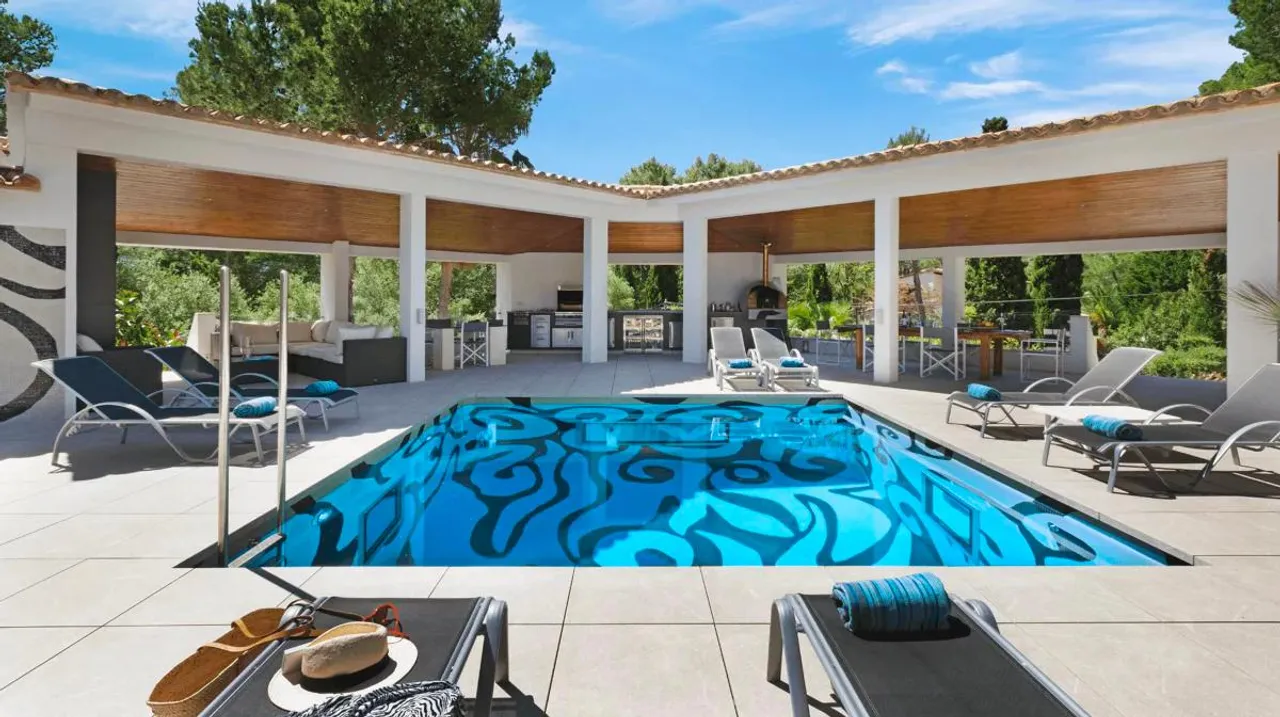 The villa collection
Mallorca, Spain
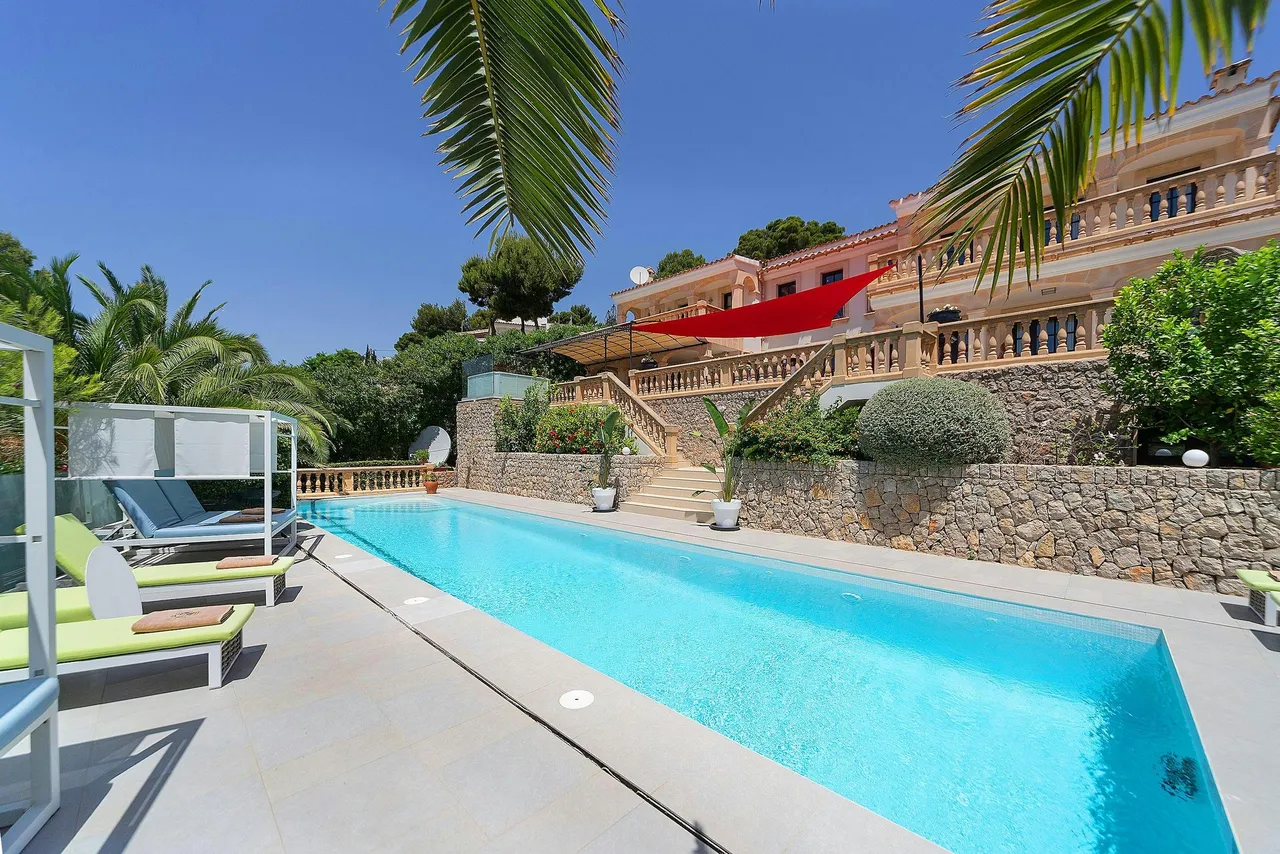 The villa collection
Mallorca, Spain
 The villa collection
Mallorca, Spain
 The villa collection
Mallorca, Spain
 The villa collection
Mallorca, Spain
 The villa collection
Mallorca, Spain
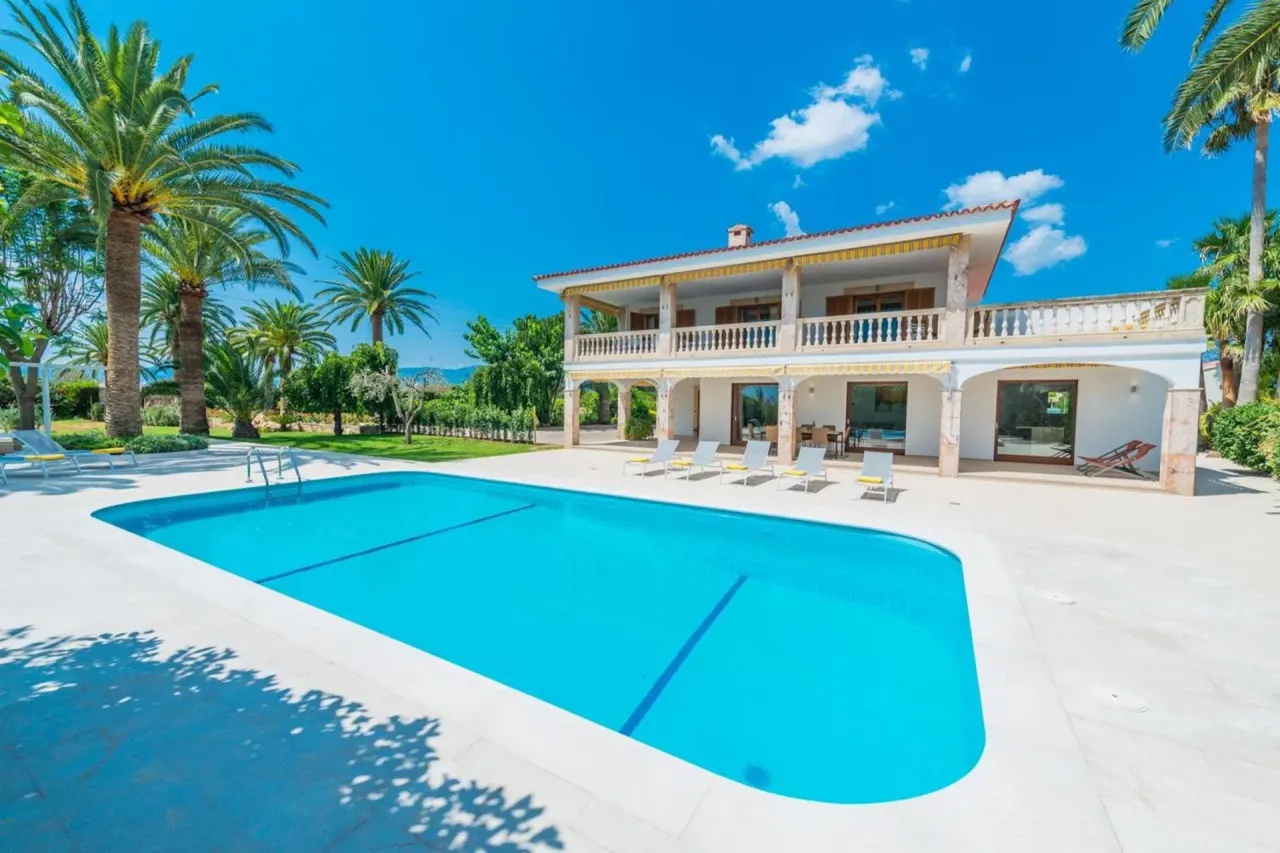 The villa collection
Mallorca, Spain
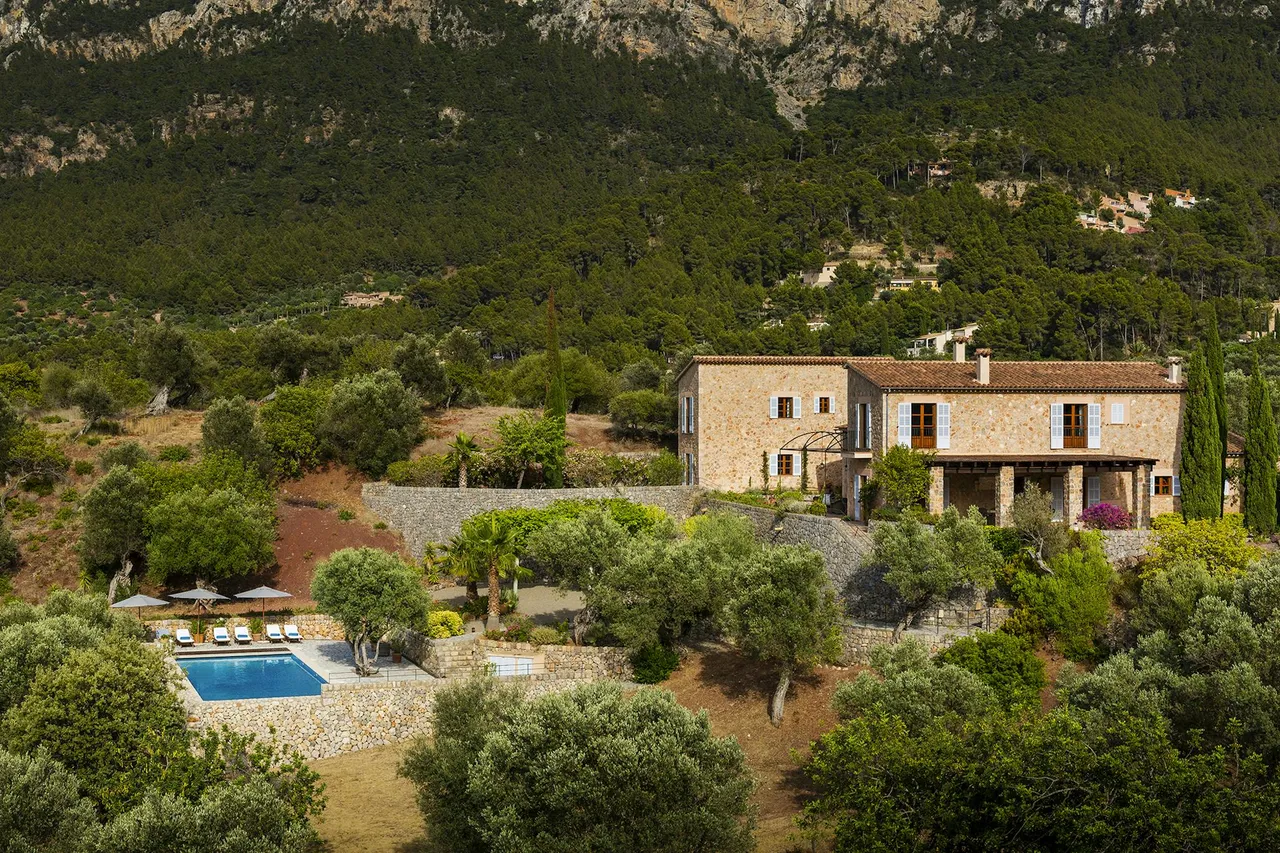 The villa collection
Mallorca, Spain
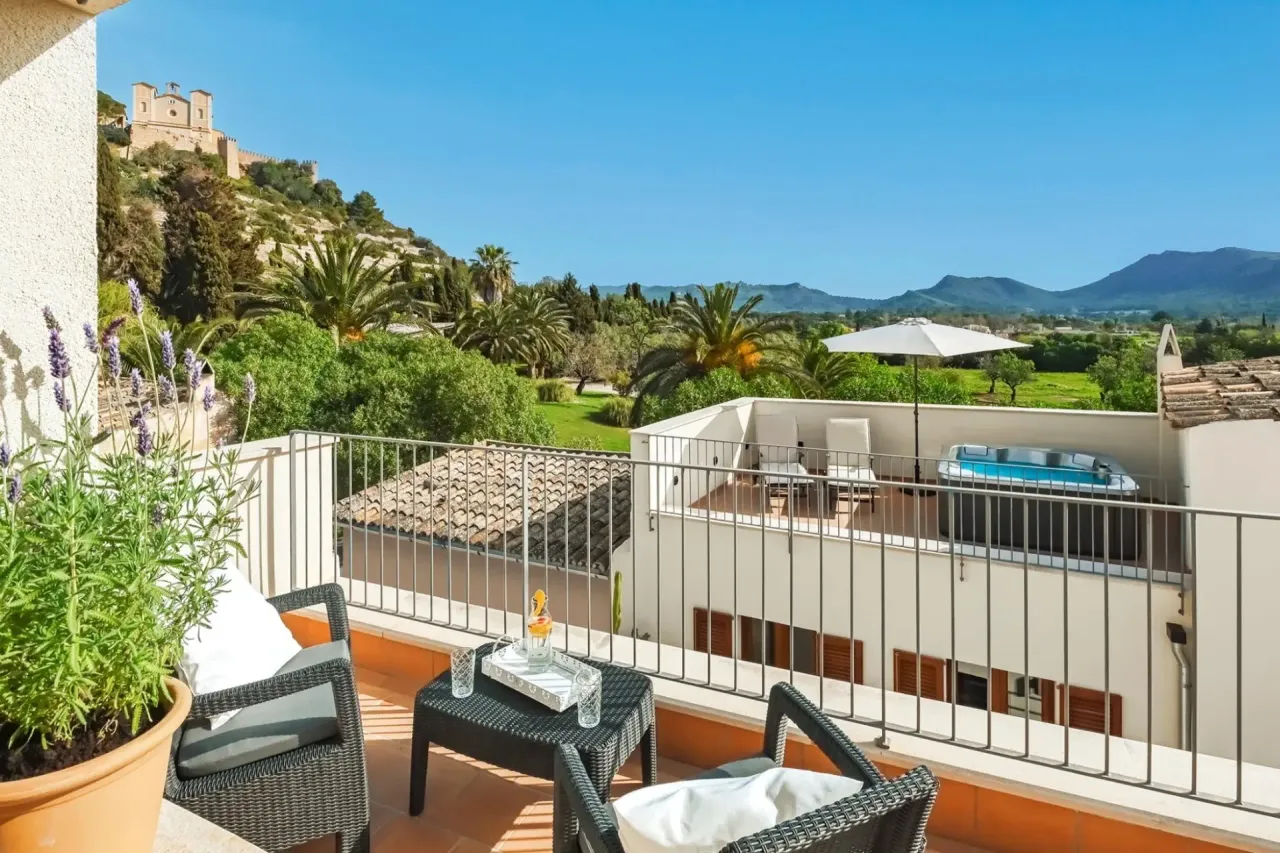 The villa collection
Mallorca, Spain
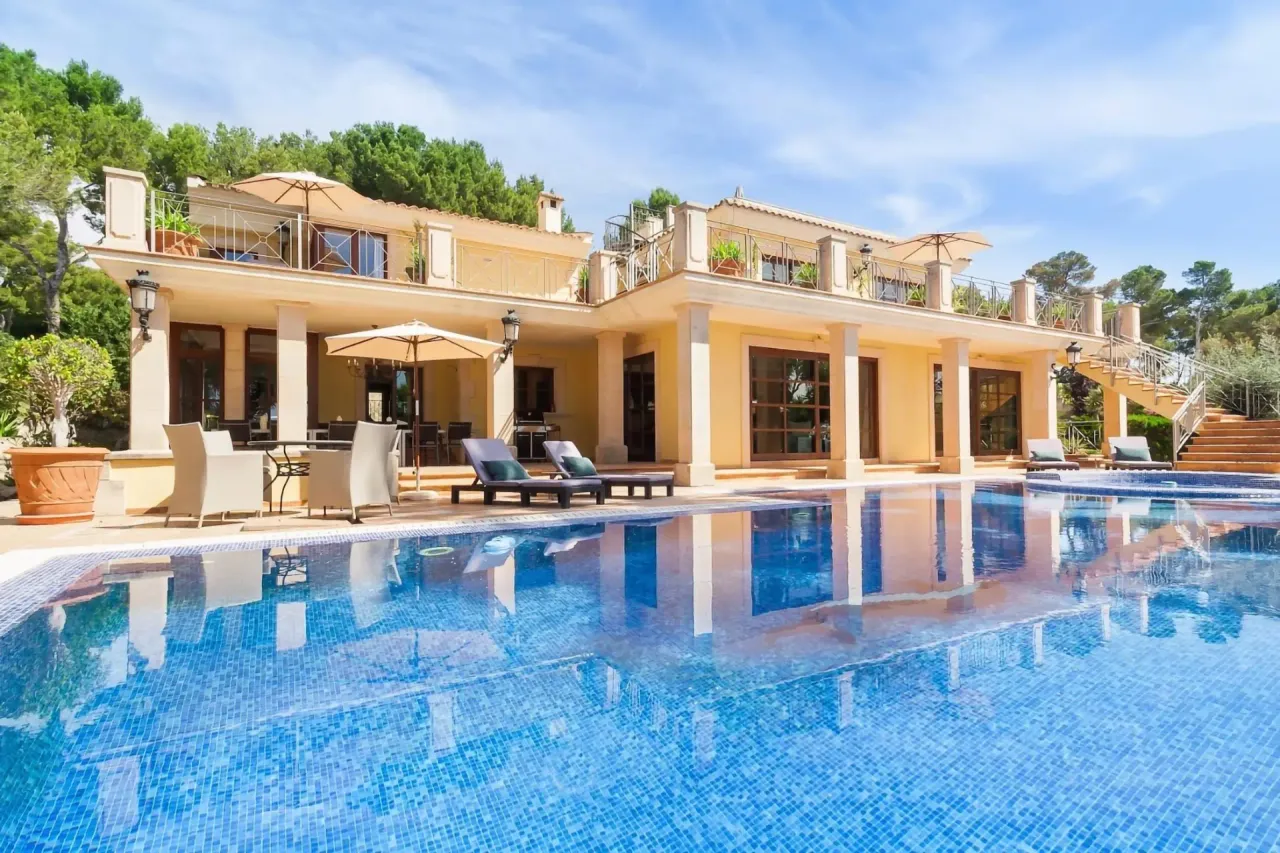 The villa collection
Mallorca, Spain
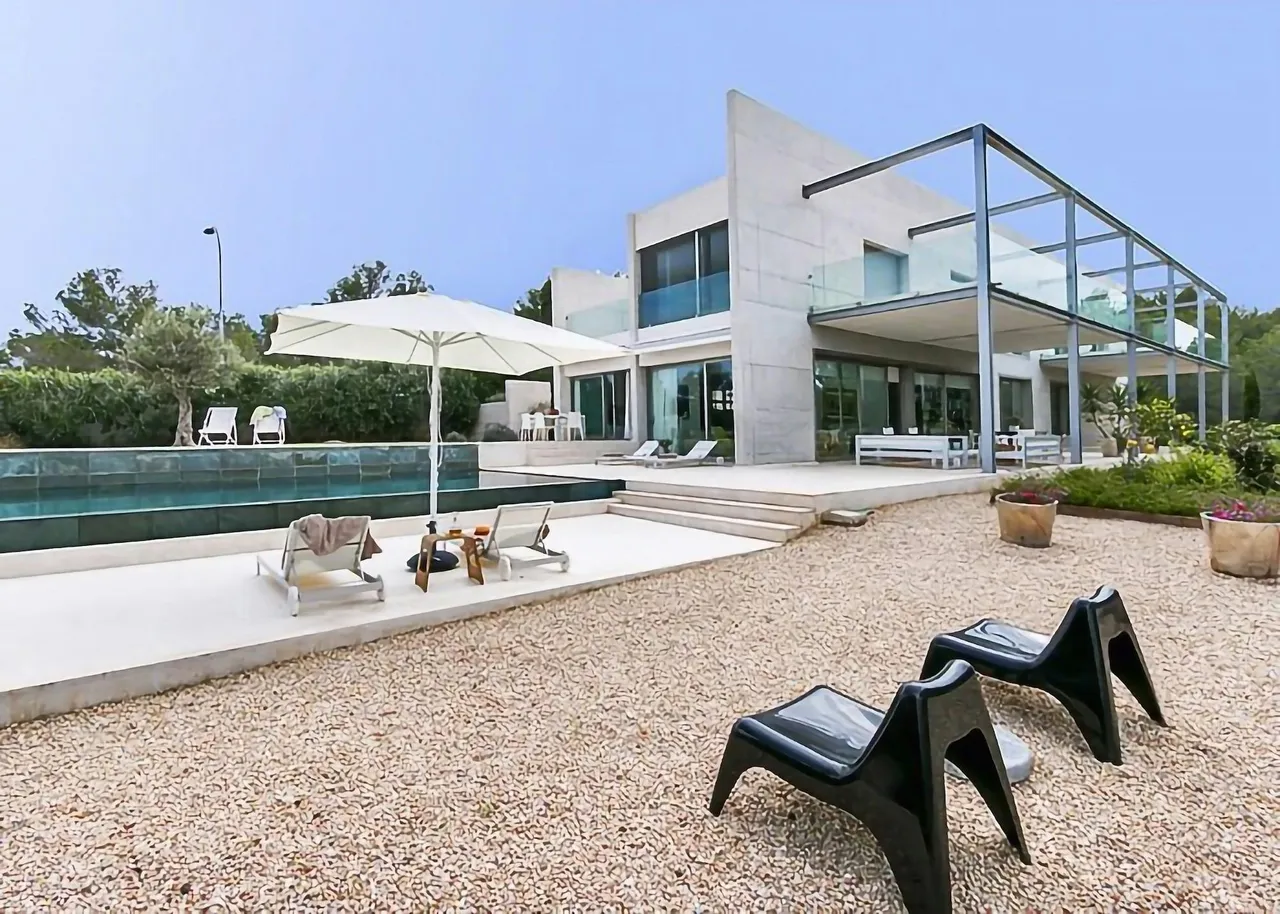 The villa collection
Mallorca, Spain
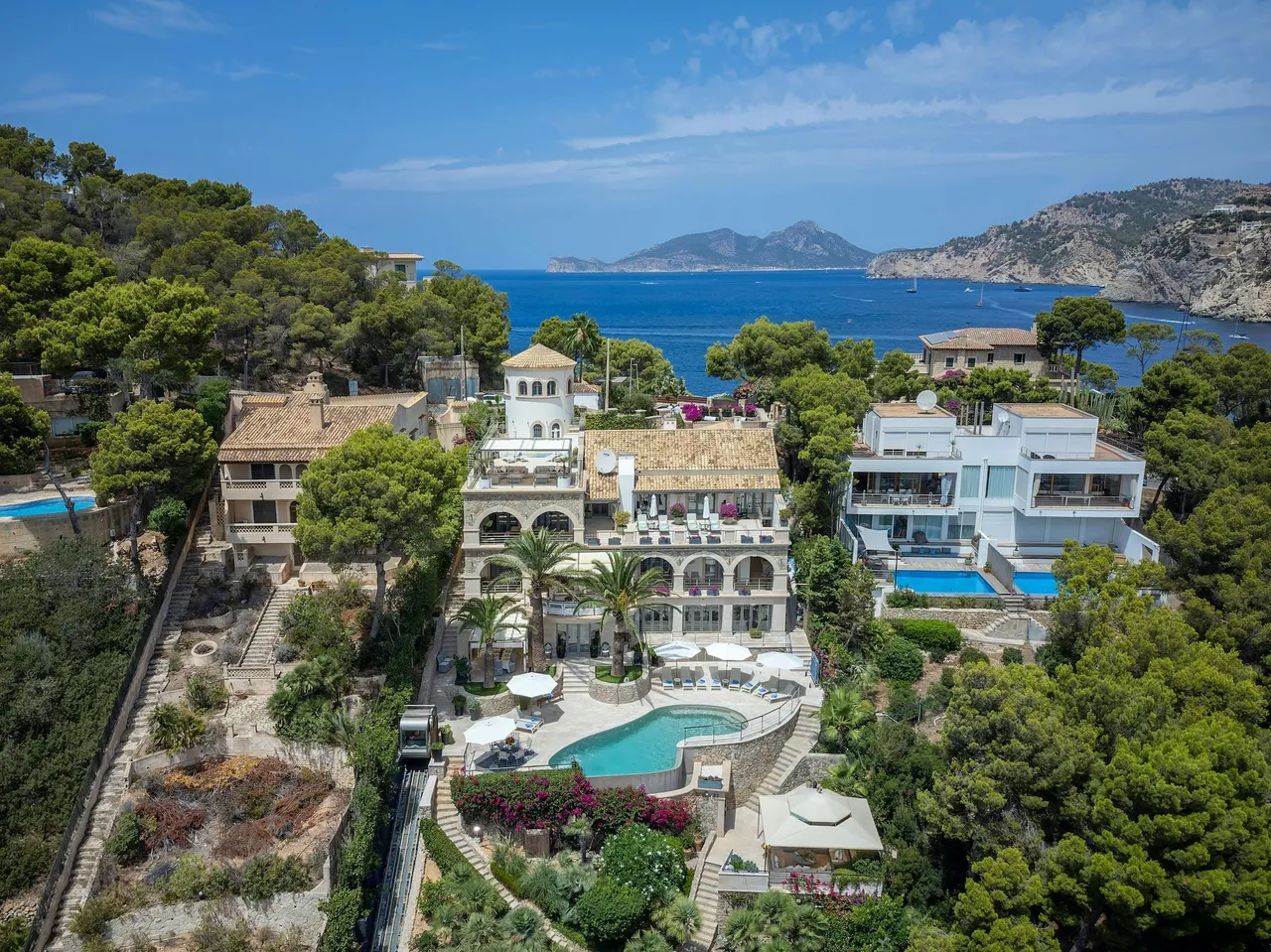 The villa collection
Mallorca, Spain
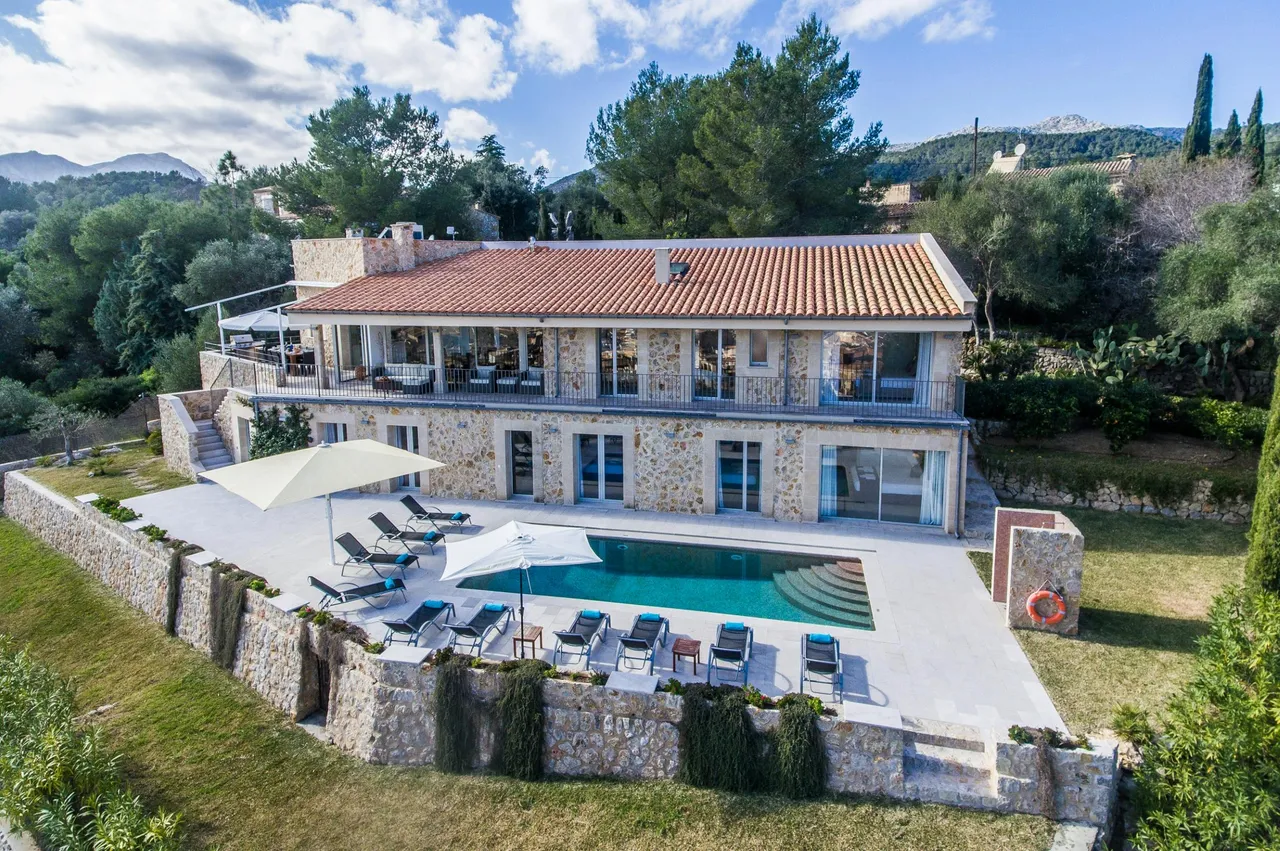 The villa collection
Mallorca, Spain
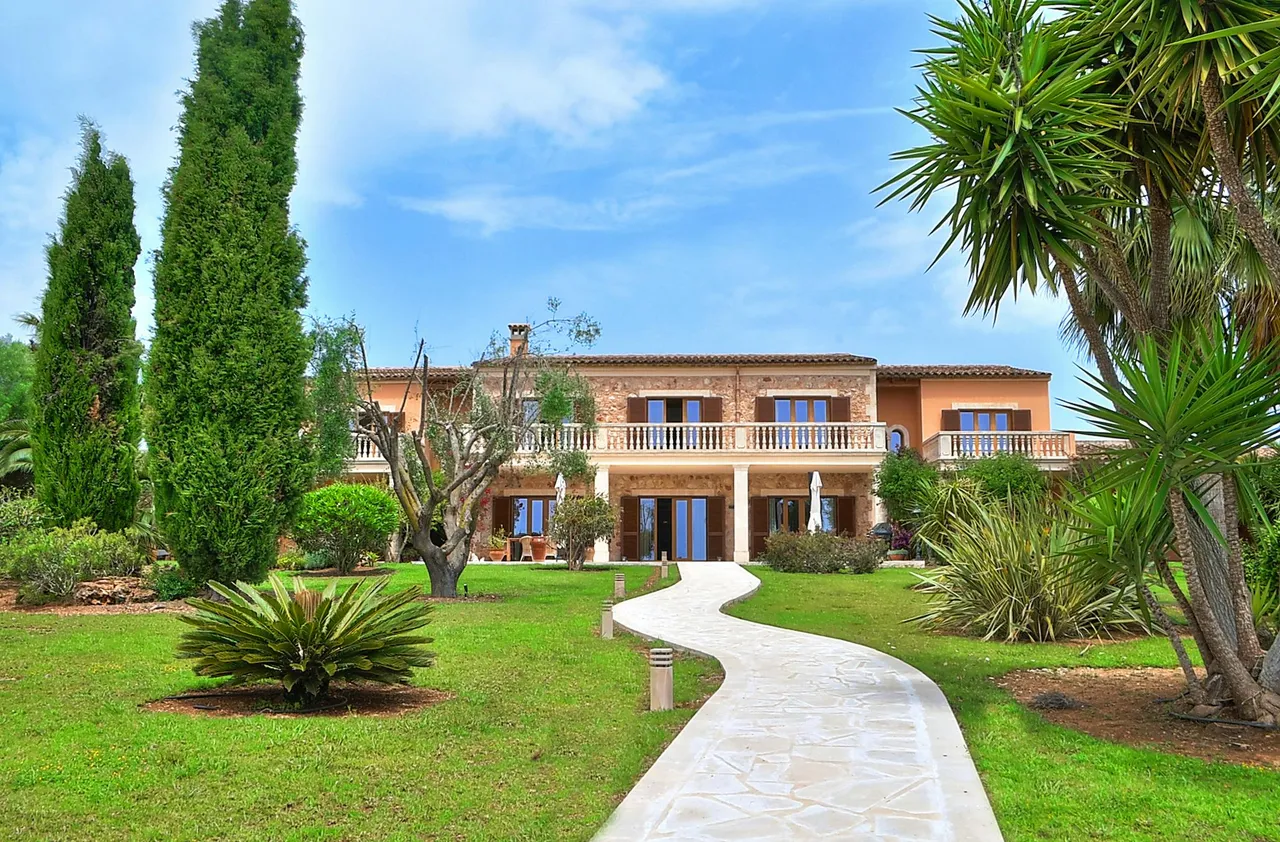 The villa collection
Mallorca, Spain
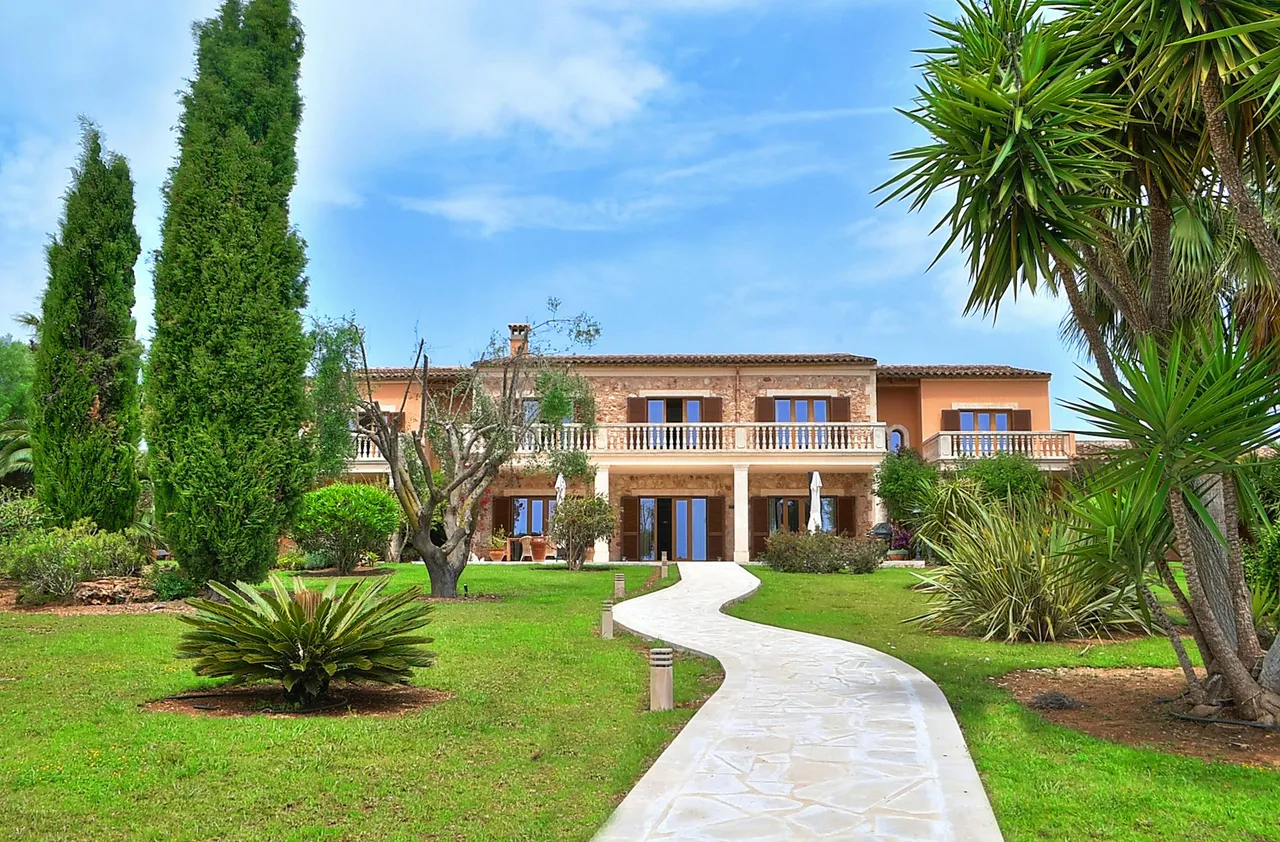 The villa collection
Mallorca, Spain
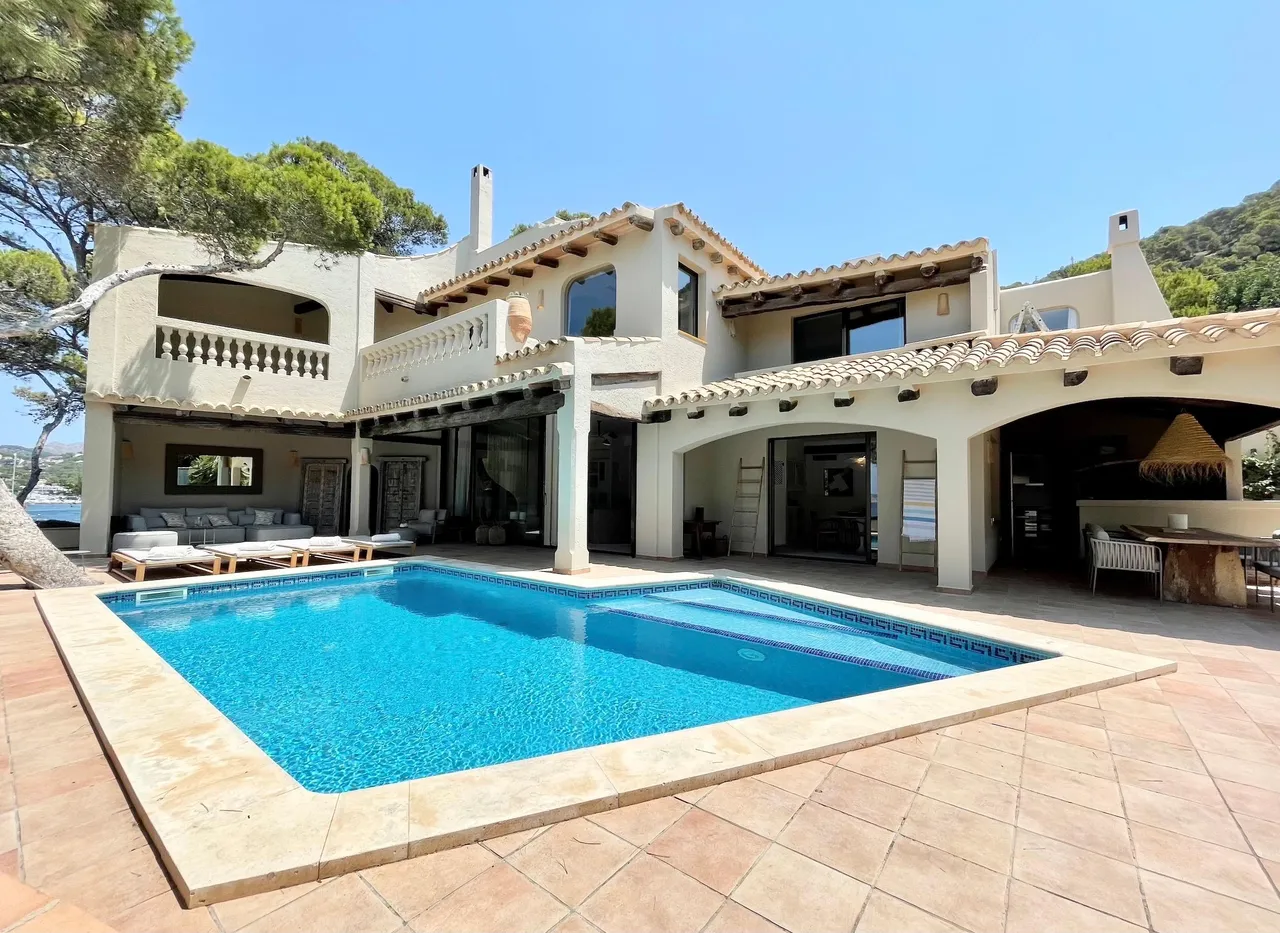 The villa collection
Mallorca, Spain
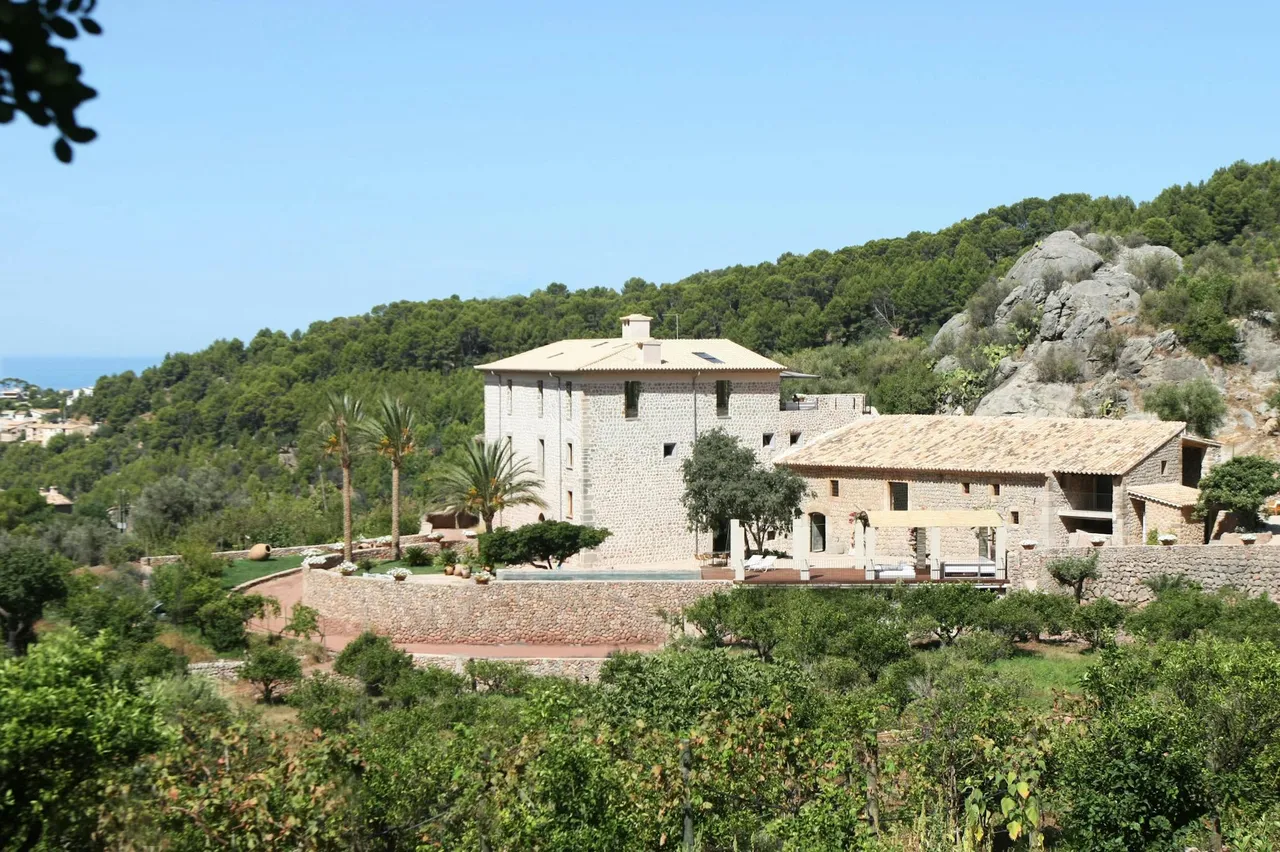 The villa collection
Mallorca, Spain
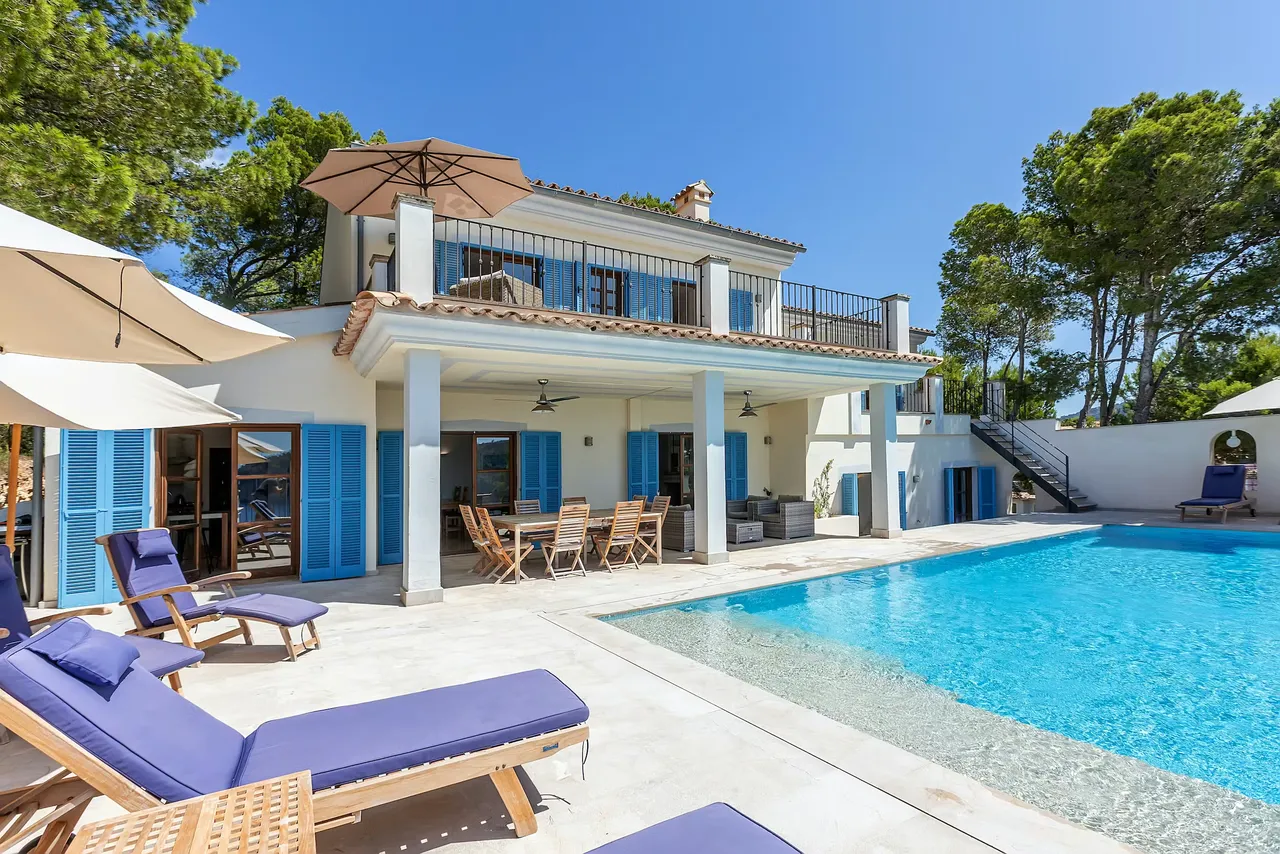 The villa collection
Mallorca, Spain
24 of 77 villas loaded
Villas International collection · Listing details and indicative rates. Availability is confirmed by inquiry.
THE VILLAS INTERNATIONAL DESTINATION GUIDE
Mallorca combines a substantial island capital, mountain villages, rural estates and very different stretches of coast. Choosing the right villa means deciding which of those settings should shape your ordinary day. A hillside house near Deià suits a different holiday from a waterfront base around Port d’Andratx or a family finca near Pollença. Start with the Mallorca villa collection, then compare actual routes to the places you intend to use. This guide is designed to make that choice practical: where to stay, how to organise Palma and the Tramuntana, what to ask before reserving a boat, and how to give beaches, restaurants and time at home a sensible place in the week.
Begin with three priorities, such as Palma dining, a private boat day and regular beach mornings. If those are your essentials, the southwest may deserve the first look. For mountain scenery, village restaurants and walks, consider the Tramuntana side. If children want broad sandy beaches and the adults like a historic town for evenings, investigate the north around Pollença and Alcúdia. For coves and a slower relationship with rural villages, examine the southeast. These are starting points, not promises about every house within a district.
Request the villa’s exact location and examine the driving route rather than the straight-line distance. Mountain roads, coastal approaches and a property’s final access lane can change how convenient a location feels. A house advertised near a beach may still require a car, a walk from parking or a descent unsuitable for part of the group. Ask how guests normally reach the nearest shop and restaurant, and what the journey feels like after dark. This information is essential if you expect several independent outings each day.
Agree what you are willing to miss. Mallorca is large enough that a week spent crossing the island repeatedly can leave little time for the house. Select two or three substantial excursions and let most other days remain local. Keep the most appealing daily needs close: a useful food shop, a beach that suits the group or a town you would happily revisit. A well-positioned villa makes the smaller moments easy and leaves energy for the occasions that justify travelling farther.
Palma is more than an airport gateway. Its old streets, cathedral, museums and restaurants can support several distinct visits, which makes access to the city a meaningful advantage for guests who like to go out. A southwest base can also put marinas and coastal dining into the weekly pattern, depending on the exact address. Compare the practical route to Palma with the route to your preferred beach or departure harbour. One attractive location does not automatically make all three equally convenient.
Port d’Andratx offers a harbour-focused setting, while the surrounding hills can provide a more private residential feel. Ask how the house relates to the waterfront: a panoramic view may come with a steep drive and no comfortable walking route. Camp de Mar and other nearby coastal areas should be assessed individually for beach access and the style of day you want. Guests who imagine strolling to dinner should verify pavements, gradients and the actual return journey rather than relying on a distance quoted in a listing.
This part of Mallorca suits a week with a clear mixture of home and evening outings. You might spend a full day in Palma, another on the water and a third close to the villa, then use shorter restaurant visits to add variety. For the city day, consult our Palma art-and-dining itinerary. For a charter, our Mallorca boat-day planning article explains the questions that matter before booking. Keep both experiences tied to your actual base so that the holiday remains comfortable between its highlights.
The Tramuntana side appeals to guests who want stone villages, dramatic landforms and a more intimate relationship with the landscape. Deià and Valldemossa are natural reference points, but a villa’s situation within this terrain makes a considerable difference. Ask about the approach, the amount of outdoor space that is level and the relationship between bedrooms, terraces and the pool. Houses can be beautifully integrated into a hillside while requiring more steps than a family anticipates from the photographs.
Give each village enough time to be more than a stop. In Valldemossa, arrange the particular cultural visit that interests you and allow time to wander afterward. In Deià, a meal can become the focus of an outing rather than something squeezed between several drives. La Residencia’s official dining pages list El Olivo and Bar & Restaurante Miró, useful names to investigate for a special occasion. Confirm the restaurant, service date, reservation conditions and whether it welcomes your party’s ages and dietary requirements. A booking at one outlet does not imply access to every hotel facility.
The coast below a mountain village deserves separate planning. Do not assume a cove is reached as easily as a broad resort beach or that parking will be straightforward. Ask about the final descent, surface and facilities before choosing it for a group. For a full villa week here, balance scenic outings with time on the terrace. The setting is one of the reasons to stay; there is little value in selecting a beautiful mountain house and then leaving before breakfast every day to explore distant shores.
Sóller and Port de Sóller create related but different holiday bases. The town offers an inland centre and a relationship with the surrounding valley, while the port brings the water into the daily picture. When comparing villas, establish which one you will use most often and how you will get there. A description that mentions both does not tell you whether either is comfortably walkable. Check gradients, the lane outside the house and realistic parking arrangements before relying on spontaneous visits.
The historic train connects Palma and Sóller, and the tram links Sóller with its port. Their official website provides the current timetable and ticket options, which should shape any excursion involving them. Decide whether the rail journey itself is a main experience or simply part of getting somewhere. If travelling with children or older guests, leave enough time for boarding, changing between services and finding lunch. Do not combine the train, a long mountain drive and several village stops merely because all are familiar attractions.
A stay in this area can settle into an enjoyable pattern: a town morning, a harbour meal, an easy day at the villa and a guided walk appropriate to the group. Ask local operators about routes rather than assuming every visible path is a public or suitable one. If booking a boat from the port, confirm the meeting place and the skipper’s preferred plan for the conditions. The strongest itinerary uses the relationship between town, valley and sea without trying to experience every aspect of it on the same afternoon.
In the north, distinguish Pollença town, Port de Pollença and the broader Alcúdia area before deciding where to search. A country house outside a historic town gives different daily conveniences from a base nearer the shore. Think about whether the group will value village dinners, regular beach access or privacy most often. Then ask which route you will repeat throughout the week. It is usually better to make that ordinary journey easy than to optimise the drive to one exceptional outing.
Pollença can provide a town-centred rhythm with cafés, browsing and an evening meal, while Port de Pollença suggests more time beside the bay. Around Alcúdia, the historic centre and the beach areas offer separate experiences. Plan them as such: a town morning need not be a beach day, and a long afternoon by the sea need not end with another sightseeing circuit. Ask about the particular beach’s entry, facilities and parking instead of treating all northern coastline as identical. Families should choose practical access and shade as deliberately as scenery.
For excursions toward more remote viewpoints or the Formentor area, check current official access arrangements before departure. Do not build the day around the assumption that every road, parking area or vehicle access option will operate in the same way throughout the year. A local driver or guide can help you plan within the arrangements for your dates. Leave some northern days simple. A familiar beach, lunch close by and an early return can make a family villa week feel more successful than another long journey across the island.
The southeast is appealing when a holiday centres on coves, village life and a rural house with room to settle in. Santanyí is a useful reference point, but the practical experience depends on the villa’s position in relation to the coast and everyday shopping. Decide whether you want a country setting with occasional beach trips or a location selected primarily for repeated access to a particular bay. A beautiful inland finca can be the right choice, provided nobody expects to walk straight from breakfast to the water.
Choose beaches according to the people going. Cala Mondragó and the surrounding area, Cala Llombards and the coast around Cala d’Or are different prospects in terms of access and atmosphere. Verify the exact route, walking surface, facilities and any current local instructions before setting out. Small coves have limited space, and the most photographed one is not necessarily the most comfortable place for a large party to spend several hours. Keep a second option available rather than insisting on one destination regardless of conditions.
Santanyí itself can anchor an easy morning of shopping and lunch, while nearby villages offer other possibilities for a short outing. Confirm market days through current local information instead of arriving with an assumed weekly schedule. If the plan is a beach morning followed by a restaurant, choose a practical place to change and allow time to leave the shore. A villa stay here works best when the group is comfortable with simple repetition: the same useful bakery, a favourite cove and enough afternoons at home to make the house feel familiar.
An inland villa can make sense when privacy, space and the house itself are central to the trip. Around places such as Santa Maria del Camí, Binissalem, Alaró or Sineu, the holiday can focus on village visits, food and the island’s agricultural landscape. The choice should be deliberate. You may gain a setting that feels more removed from the coast, while accepting a drive for swimming in the sea. Check the actual routes rather than assuming an inland position automatically places every beach within easy reach.
Food and wine can give a day inland a useful theme. Book a producer visit according to the experience offered and the interests of the group; ask about language, duration, walking and whether the appointment is private or shared. Caimari is another name worth knowing for a dining-led excursion. Ca na Toneta describes a seasonal approach on its own website, so confirm the current format and availability directly rather than expecting a fixed menu. A restaurant journey is most enjoyable when the drive and return transport have been considered together.
For a rural house, provisions and outdoor comfort deserve particular attention. Identify a reliable grocery stop, ask about delivery or cooking services and examine the amount of shaded living space. If several guests want independent plans, two vehicles or arranged transport may provide flexibility. Keep some days within the nearby villages instead of using the inland base only as a starting point for long coastal drives. The appeal lies partly in seeing a different Mallorca, where an unhurried meal and an ordinary village square can be the day’s main events.
Start with the cultural experience that matters most. Mallorca Cathedral, known as La Seu, is a natural focus for a first visit, and its official website is the place to confirm tickets, visiting arrangements and any terrace option. Treat a terrace visit as a separate decision: access conditions and the physical route may not suit everyone. A cathedral visit, a walk through nearby old streets and a relaxed lunch can form a satisfying day without requiring several additional museums.
For contemporary art, Es Baluard offers a different perspective on Palma. Consult its current programme and visitor information, then decide whether the exhibition interests your party. Fundació Miró Mallorca is another substantial option, with its own setting and relationship to the artist’s work. Check which spaces are open for the date of your visit; do not assume every building advertised across a museum’s wider programme will be accessible. If you want a guided or private format, enquire in advance and match the length to the group’s attention and mobility.
Keep the geography of lunch and transport simple. Select a restaurant near the part of the city you will actually explore, and agree where a driver will collect you. If driving yourselves, plan parking and follow current local access guidance. Our Palma day article sets out an approach that balances culture with time to enjoy the city. Guests who want several late dinners and museums may consider adding city nights separately, leaving the villa week free to follow a more rural or coastal rhythm.
Choose a few meals with intention and let the others remain flexible. El Olivo at La Residencia can be investigated for a special dinner in Deià, while Bar & Restaurante Miró provides another dining option at the same property. These should be booked as specific experiences, with current menus and conditions checked directly. In Caimari, Ca na Toneta gives an inland meal a clear local setting. Avoid constructing a week exclusively around destination restaurants; the return journeys can become tiring, especially from a remote villa.
For Palma dining, decide on the neighbourhood and style of evening before selecting a table. A meal after an art visit may call for something relaxed, while a celebration might justify a dedicated trip into the city. Tell the restaurant about dietary requirements, children and the full party size. Ask how long the chosen menu normally takes if you have transport waiting. A tasting menu is a commitment of time as well as appetite, and it may suit only part of a multigenerational group.
Leave room for local discoveries near the house. A convenient village restaurant you enjoy twice can contribute more to the holiday than another highly planned excursion. Ask the property team for suggestions, then check the venue’s current opening and reservation arrangements. For dinners involving wine, arrange the return transport in advance. At home, a private cook may provide an appealing alternative if available for your property and dates. Confirm staffing, groceries, service and cleanup so the evening feels as relaxed as you intend.
A boat day begins on land. Select a departure harbour that makes sense from the villa and compare the total outing, including the drive and boarding arrangements. Palma, Port d’Andratx, Port de Sóller and northern or eastern harbours can lead to different stretches of coast. The best choice is not necessarily the vessel with the most impressive photographs; it is the combination of boat, skipper, route and access that suits your party. Ask where you will meet and whether boarding involves steps or a tender.
Describe the group accurately to the operator. Include ages, swimming confidence, mobility needs and whether the day should emphasise swimming, sailing, scenery or a meal. Ask about shade, seating, toilet facilities, refreshments and equipment. Confirm what is included in the quote and what may be charged separately. A comfortable half-day may suit some families better than a long charter. The skipper should set the route according to conditions, so treat named coves as possibilities rather than guaranteed stops.
Read our private boat-day guide before finalising the booking. It explains how to assess the experience beyond boat size and why a flexible route matters. Keep a land-based alternative for unsuitable conditions and understand the operator’s rescheduling or cancellation terms. Returning to a well-stocked villa after time on the water is often preferable to adding another complicated evening plan. The boat should be a highlight within the week, supported by straightforward logistics before and after it.
Define what the group needs from a beach. Some guests want a short swim in a dramatic cove; others want sand, shade, toilets and a place to remain for hours. These are different outings. Look at access and facilities before popularity, particularly with children or anyone who finds uneven ground difficult. A beach that is beautiful from above may involve a demanding descent and offer little space once you reach it. Ask current local sources about the exact location you are considering.
Take parking and arrival time seriously without turning the day into a competition. Have an alternative if the first choice is full or unsuitable, and use designated access routes. Avoid obstructing residential lanes or farm entrances in pursuit of a particular photograph. Check local conditions and follow beach guidance on the day; a bay’s appearance in a travel image does not establish swimming conditions for your visit. Keep the plan flexible enough to choose another activity if the sea or weather does not suit the party.
For a longer beach day, establish where lunch will happen and what you must bring. A reserved facility or nearby restaurant may simplify the outing, but confirm what access and services are actually included. If a villa has its own pool, remember that a short coastal visit can be enough; there is no obligation to remain by the sea until everyone is tired. The Mallorca collection can be compared with this practical beach brief in mind, helping you choose a location you will enjoy repeatedly rather than only once.
A sea view is attractive, but its usefulness depends on how you live with it. Ask which rooms and terraces enjoy the outlook, how much shade they receive and whether there is comfortable seating for the full party. A panoramic hillside pool may require steps from the main house; a dining terrace may be exposed when the weather changes. Review the entire day, from breakfast through evening, and identify where everyone will gather at each stage. The best house supports ordinary comfort as well as special moments.
Clarify bedroom distribution and bathroom arrangements. Separate suites can be ideal for couples but inconvenient for parents who want children close by. A converted finca may have characterful changes of level, while a contemporary house may still place essential living areas on different floors. Request a plan when the photographs leave questions unanswered. For guests with mobility needs, describe the actual requirements and confirm the routes between bedroom, bathroom, dining space, car and pool. A general label is less useful than specific information.
Confirm air-conditioning by room, housekeeping frequency, pool heating if relevant and any available services. Ask which features operate during your dates and what additional charges apply. If work must fit into the stay, verify internet service and the availability of a quiet space at the particular property. Compare total practical suitability rather than relying only on bedroom count or a dramatic exterior image. A house that lets everyone sleep, eat and relax comfortably will usually contribute more to the holiday than a feature the group uses only once.
Palma de Mallorca Airport is the island’s main air gateway, but the ease of arrival depends on the complete journey to your property. Ask for a realistic transfer estimate to the specific address, allowing for luggage, a rental-car collection and the final approach. Send the driver or each travelling household the correct entrance instructions. A rural gate or hillside lane can be difficult to identify for the first time, particularly after dark. Keep a property contact available in case travel plans change.
Decide whether separate flights require separate transfers. Waiting several hours at the airport for another household may be less comfortable than meeting at the villa. If using rental cars, compare the vehicle size with luggage and the access lane, not only the number of passengers. Ask whether the house has suitable parking and where a larger transfer vehicle can turn. Confirm the arrival procedure and how late access is handled if a flight is delayed. These arrangements are easy to settle before departure and harder to improvise on arrival.
Organise the first evening’s food. A grocery delivery, pre-stocked kitchen or prepared meal can be helpful where available, but confirm the exact service with the property team. Include drinking water, breakfast essentials and food for late arrivals. Choose a menu that tolerates changing times rather than a tightly scheduled dinner. On the first full morning, use a local outing to learn where to shop and how the area works. Save the longest excursion for a day when everyone has settled into the house.
Use the kitchen as part of the experience rather than simply a backup to restaurants. A local bakery, fresh produce and ingredients chosen for an easy lunch can give the day a sense of place without much preparation. Pa amb oli, an ensaïmada for breakfast or a meal built around seasonal vegetables can introduce familiar island flavours. Ask a local cook or shopkeeper for guidance instead of assuming every dish will suit every dietary need. Confirm ingredients where allergies or restrictions matter.
Decide how much the group wants to cook. Some parties enjoy preparing a meal together; others want service so they can remain at the table. A mixture often works well: breakfast provisions, casual lunches and a few professionally prepared dinners. If arranging a cook, establish the menu, staffing, shopping, serving and cleanup, as well as the timing. Tell them about children and different arrival schedules. A clear agreement avoids misunderstandings about what a quoted service actually includes.
Shop in proportion to the itinerary. A week with several restaurant lunches does not require the same grocery order as one centred on the house. Keep a few adaptable meals available for weather changes or a late return from the beach. Divide responsibilities among households so one guest does not become the permanent organiser. The villa table should make the stay easier and more sociable, whether dinner is an elaborate occasion or a simple meal eaten slowly after a day near the water.
Mallorca’s terrain can be a major attraction for active guests, but choose routes according to ability and conditions rather than reputation. A scenic mountain road or a path visible from a terrace is not automatically suitable for an inexperienced walker or cyclist. Ask a qualified local guide or operator about an appropriate route, expected duration and the amount of climbing. Describe the group honestly, including anyone who has not recently undertaken similar activity. The most enjoyable outing is one everyone can finish comfortably.
For walking, use established access routes and confirm whether the planned path is open and suitable during your stay. Take the weather and time of day into account, particularly when shade is limited. Arrange a clear meeting point and a realistic return rather than extending the route because another viewpoint appears nearby. If part of the group wants a more demanding hike, make it a separate excursion. Others can enjoy a village morning or a shorter local walk without feeling they have compromised the day.
For cycling, ask about traffic, gradients, bike fit, helmets, support and storage at the villa. Electric assistance does not remove the need for confidence on descents or around other road users. A guide can be especially useful for a mixed party. Keep a weather alternative and avoid putting the only possible active outing on the final morning. The island offers many ways to be outdoors; selecting an appropriate one matters more than completing a famous route simply because it appears in every travel discussion.
Start with the routines that are hardest to move: children’s meals and rest, an older guest’s walking comfort, or a family member’s need for a quiet working hour. Build shared outings around those realities, then offer optional additions. A short Palma visit with lunch may suit the whole group, while a longer museum afternoon can remain available to those who want it. Two vehicles or separate arranged transfers can give the party flexibility, provided everyone understands the return plan.
At the villa, agree on pool supervision and show guests the practical layout on arrival. Check that bedrooms and bathrooms work as expected and ask the property team promptly about any uncertainty. Give every household access to the address, contacts and key arrangements. Small children may be content with a familiar beach and a bakery visit; grandparents may enjoy returning to the same comfortable lunch spot. There is no need to make every day more ambitious than the previous one.
Keep meals as the shared centre when interests differ. Some guests can take the boat excursion, others can spend a quiet day at home, and everyone can meet for dinner. Avoid allowing the trip to depend on a single organiser remaining available at all times. Share reservations, driving and food decisions. A multigenerational stay works when independence is easy and togetherness is enjoyable. The villa’s value is its ability to support both, with enough space and comfort for different versions of the same holiday.
Match the season to the trip you want. Guests focused on swimming and outdoor evenings will assess dates differently from those prioritising walking, cycling or Palma’s cultural institutions. Weather varies, and the mountain side, inland country and exposed coast can feel different on the same day. Choose a house that remains comfortable if plans change. An attractive indoor dining area and a pleasant sitting room are useful parts of a Mediterranean holiday, not merely winter considerations.
Confirm seasonal operation for pools, restaurants, charter services and any specific attraction central to the itinerary. Do not assume that a venue’s summer pattern continues unchanged throughout the year. Ask about pool heating and indoor heating where relevant, including notice requirements and costs. Book a few high-priority experiences early enough to shape the week, then leave other periods free. A reservation should solve a practical need or secure something meaningful, not fill every blank space in the calendar.
For any event, road arrangement or special access rule, rely on current official information for the exact dates. Mallorca’s popular places can require different planning at different times. Keep those checks close enough to travel that they remain useful, and share the findings with whoever will drive. A little preparation helps you enjoy the island as it is operating during your visit. It also prevents the holiday from depending on assumptions formed from an old article or a photograph taken under very different conditions.
Use arrival evening for settling in and a straightforward meal. On the first full day, explore the nearest town or beach and learn the practical routes. Return with enough time to enjoy the house rather than treating it as somewhere you only see after dark. Place the main Palma cultural day early in the week, followed by a lighter day at the villa or a short local outing. Alternating substantial and easy days usually suits a mixed party better than clustering all the major excursions together.
Reserve a boat day with enough flexibility to respond to conditions and keep a land-based alternative available. Give the Tramuntana a separate day if it is not already your home area, choosing a small number of stops and a sensible lunch. Another day might focus on an inland village or a beach near your base. Avoid driving across the island simply to add a name to the itinerary. The best route is often the one that lets the group return with enough energy to enjoy dinner together.
Leave the final full day open for a favourite place, a postponed outing or no departure at all. Confirm checkout and the airport journey before the last evening so they do not interrupt it. This framework can support very different stays: couples may add restaurants, families may prioritise the beach and active guests may replace a local morning with a guided ride. The aim is a week with memorable highlights and enough ordinary island time for the villa to feel like a temporary home.
Mallorca is especially persuasive when a group wants variety within one island stay: a capital city, mountains, villages and several kinds of coastline. If the primary aim is a particular nightlife scene, compare Ibiza villas and decide which island better matches the party. If a mainland setting with frequent restaurant evenings appeals, consider Marbella as another separate option. These comparisons should clarify the trip’s priorities rather than turn one week into a sequence of rushed transfers.
For a longer Mediterranean journey, Sardinia or Sicily can offer a different island chapter, but each deserves its own time and travel planning. Do not assume that moving between islands is as simple as moving between neighbouring coastal towns. Examine flights, luggage, arrival arrangements and the number of nights available. A longer stay in one well-chosen villa may be more relaxing than adding another destination solely because it looks close on a regional map.
Return to the destination collection with a clear description of your group and its preferred daily rhythm. Mallorca works best when the house, coast and excursions reinforce one another. Choose the area for the days you expect to repeat, reserve the few experiences that matter most and keep the rest adaptable. The result should be a holiday where Palma’s culture, a harbour lunch or a mountain village enriches the stay, while the villa remains a place you are genuinely pleased to return to.
Choose Palma’s wider southwest for city and marina access, the Tramuntana for mountain villages, the north for a mix of town and beach life, or the southeast for coves and rural settings. Check the exact address against the routes you will use most.
Many villa stays benefit from a car or arranged drivers. Verify walking routes and local transport before assuming that nearby restaurants or beaches are easy to reach without one. A private driver is useful for meals involving wine.
No itinerary should override conditions. Discuss preferred scenery and activities with the operator, then let the skipper determine a suitable route. Confirm inclusions, boarding arrangements and weather terms before booking.
These are property-specific services. Confirm pool operation, heating, cooking availability, staffing and any charges for your dates. Photographs and general descriptions do not establish what is included.
You can sample several areas, but repeated long drives may reduce time at the villa. Choose a base for your main priorities, plan a few substantial outings and let most other days remain nearby.
Consult the official references for current reservations, seasonal access and opening information.