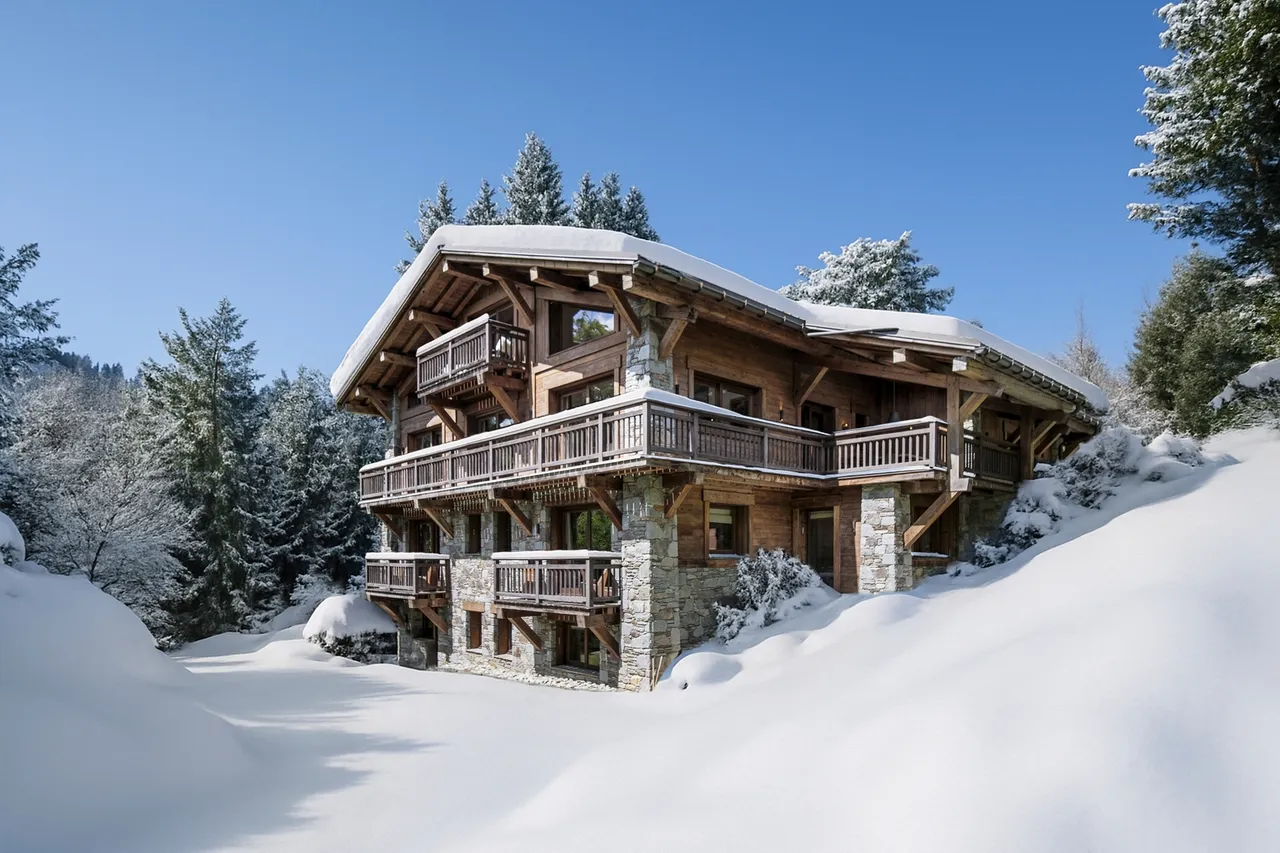
 The villa collection
Megeve, France
 Exceptional Villas. Extraordinary Stays.A Part of the VIC Network
THE COLLECTION
Beautiful private villas for the way you want to travel.
Read the Megève destination guide
6 exceptional villas
The villa collectionMegeve, France
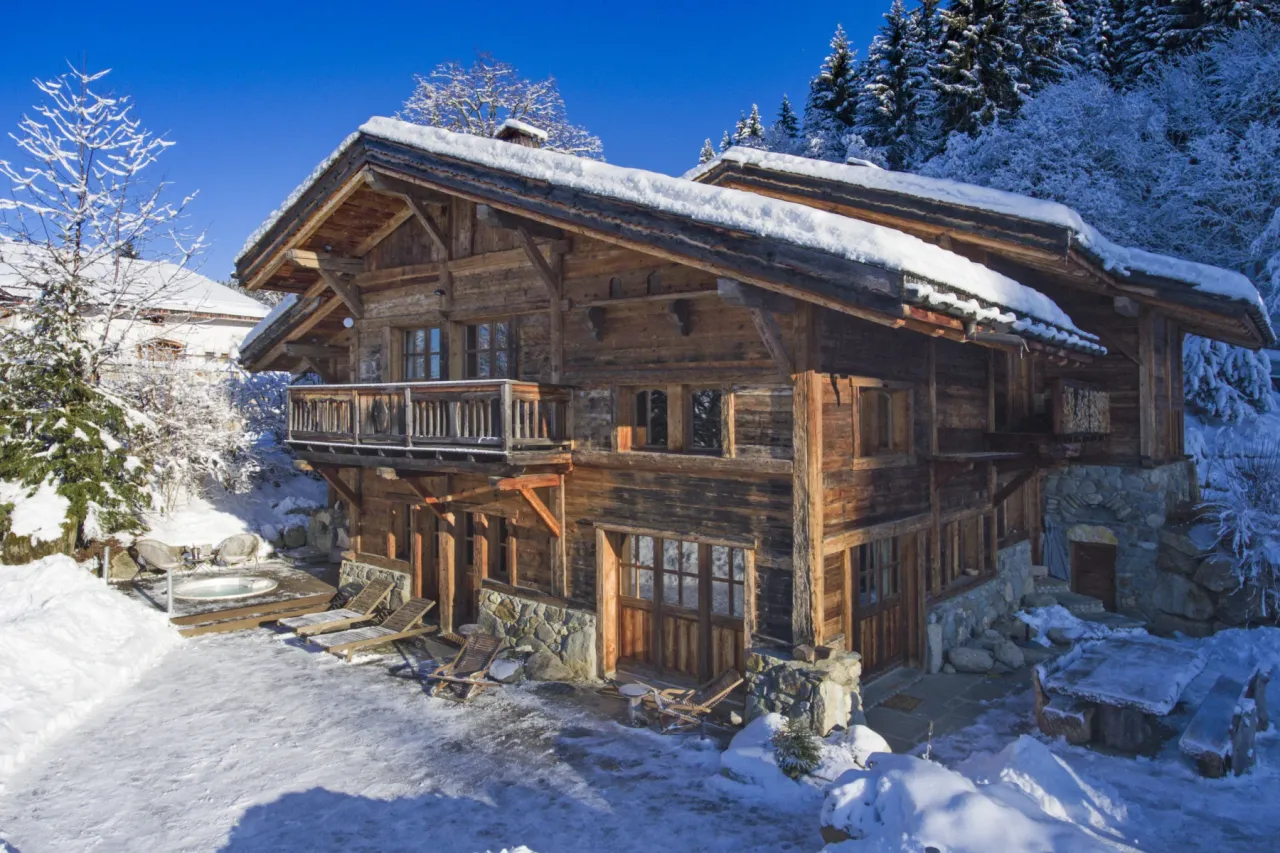 The villa collection
Megeve, France
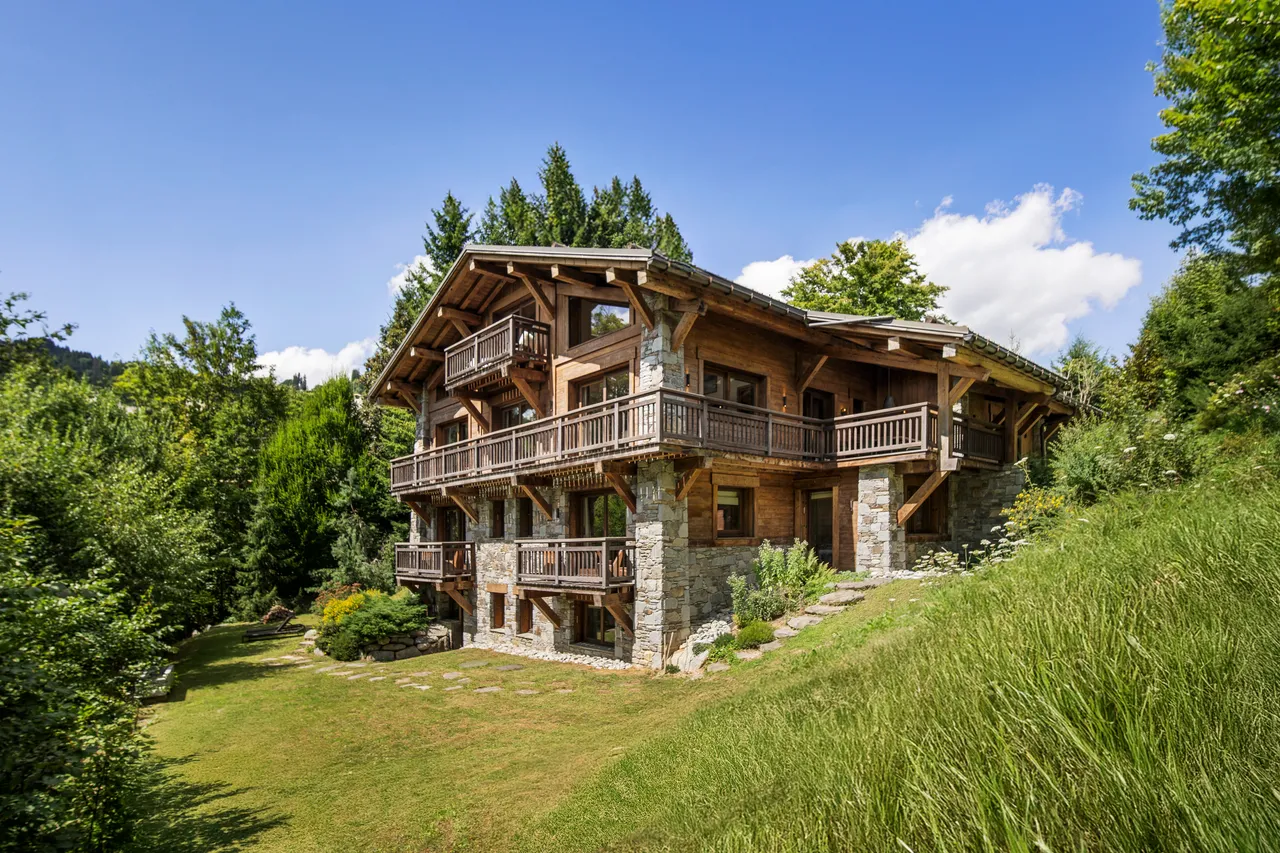 The villa collection
Megeve, France
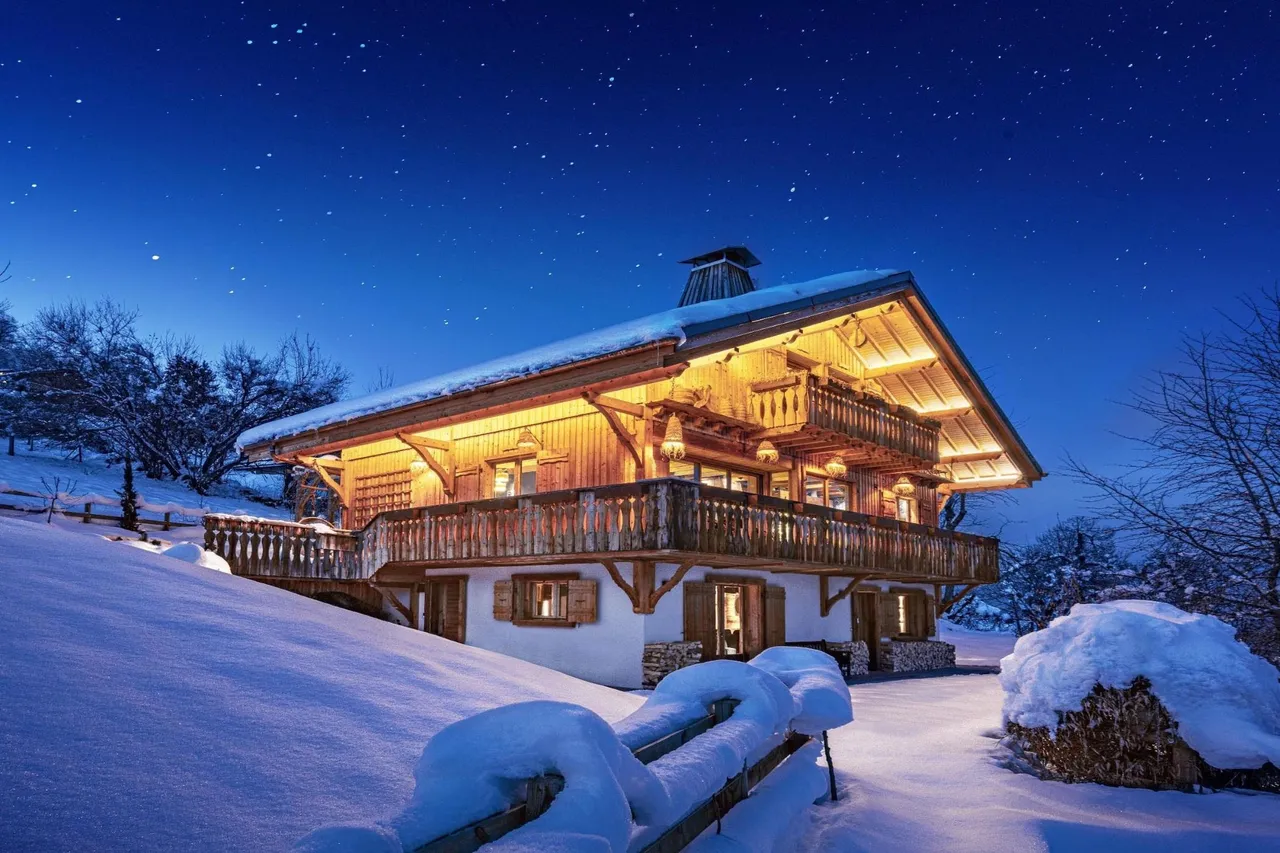 The villa collection
Megeve, France
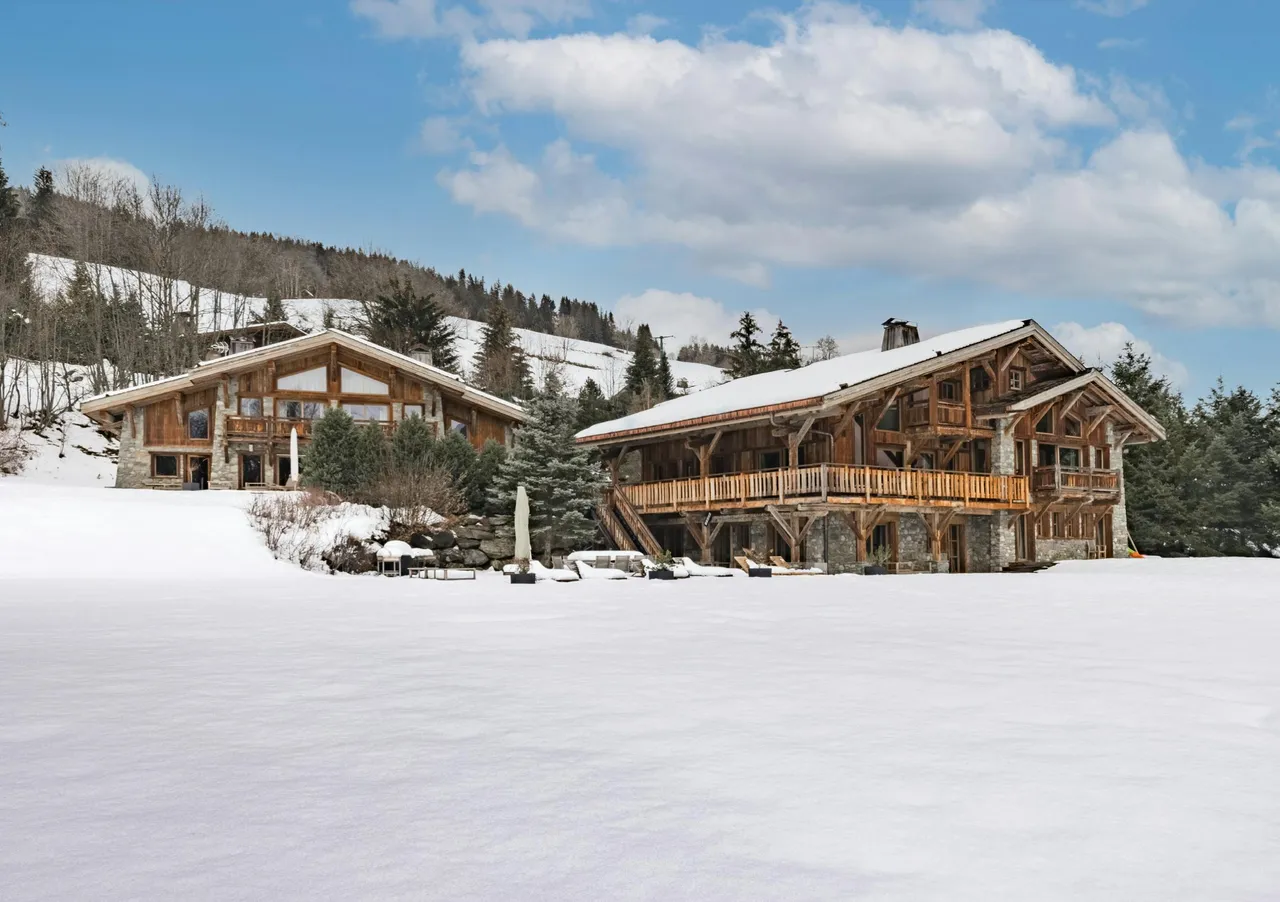 The villa collection
Megeve, France
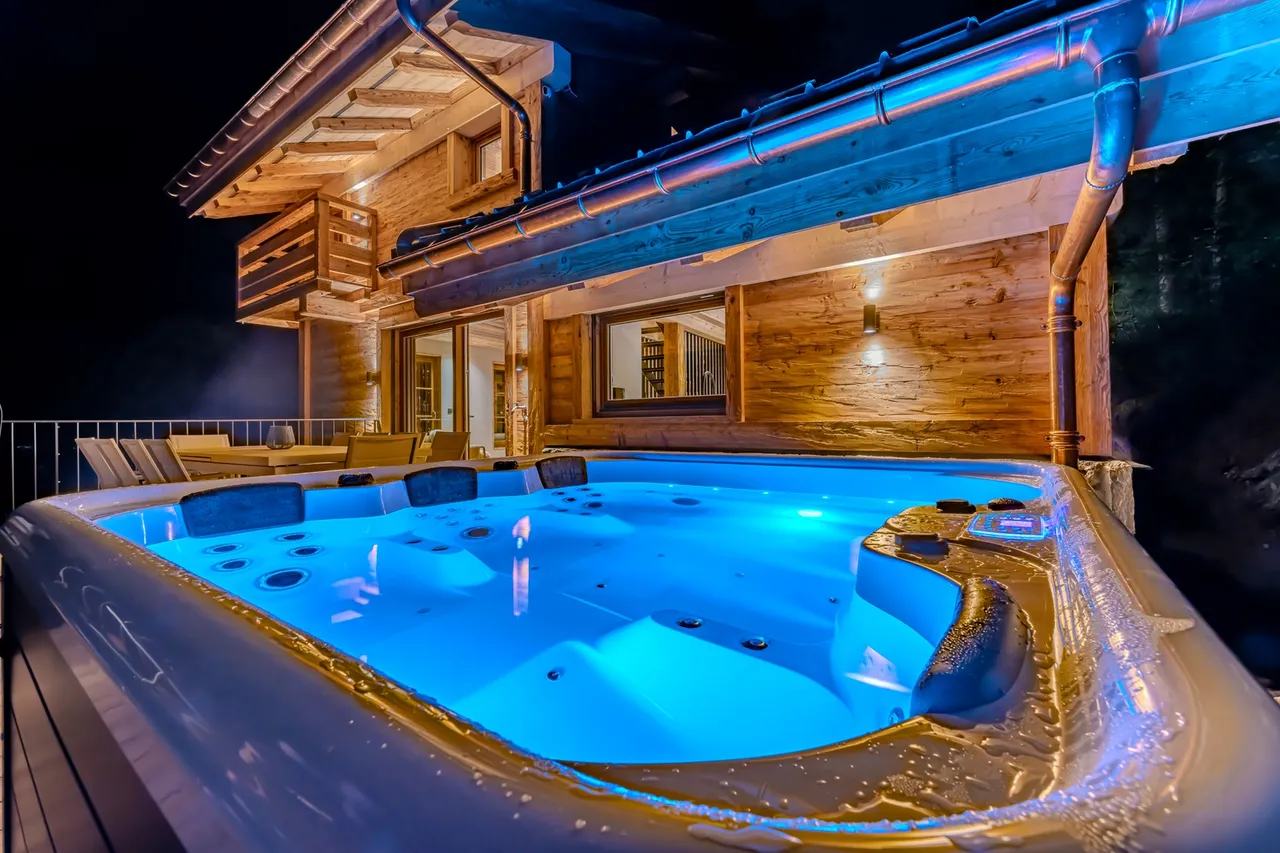 The villa collection
Megeve, France
Villas International collection · Listing details and indicative rates. Availability is confirmed by inquiry.
THE VILLAS INTERNATIONAL DESTINATION GUIDE
Megève combines the atmosphere of an established Alpine village with a sophisticated private-chalet holiday. The address you choose determines how those qualities come together: a walk into the center, a convenient lesson meeting point, a quiet outlook or a dining evening above the village. Browse our Megève villa and chalet collection, then use this guide to connect the property with the season and the way your group wants to spend its time.
Megève appeals to travelers who want more than access to a mountain. Its center, restaurants, religious heritage and surrounding residential districts give the stay a village dimension that remains relevant outside winter. Begin the villa search by deciding how much of that daily life you want close at hand. A property chosen for privacy above the center can be excellent, but it creates a different routine from one that allows guests to leave independently for a café or a walk.
The ski plan should then be considered alongside the village plan. Identify the likely meeting points for lessons, the sectors the group expects to use and the evening journeys that will happen most often. A chalet can look convenient on a broad map while being less convenient for a particular program or return route. Ask for the practical sequence, including any lift or shuttle connection, before treating proximity to the slopes as a complete answer.
The aim is a coherent stay in which the house supports both activity and rest. Guests may want a full mountain day, a shorter morning, a cultural walk or simply time by the fire. A private property allows those preferences to coexist when location and transport are chosen thoughtfully. The holiday does not need a single itinerary for every person. It needs a comfortable shared center and clear arrangements that give each guest an appropriate amount of freedom.
A central Megève address can make the village part of the ordinary day rather than a place visited only for dinner. Guests can explore the streets, pause around the church and return to the house when they wish. That independence is useful in groups with non-skiers or different energy levels. Check the exact walking route and the property entrance, particularly for winter stays. A short distance can feel different when surfaces are snowy or someone is carrying equipment.
The center is also a place to understand Megève’s identity beyond its international reputation. The tourism office’s heritage routes include the village, Saint Jean-Baptiste church and the Calvaire chapels. Choose one as a focused outing rather than moving through the streets solely between shops. A little interpretation can make the buildings and public spaces more meaningful, revealing a place with its own history rather than a picturesque backdrop arranged only for visitors.
Central convenience has practical trade-offs. Ask about parking, deliveries and the sound or activity around the property. A chalet near the scene may offer less separation than one farther uphill, and that can be a worthwhile choice. The best address is not necessarily the quietest or largest. It is the one that lets your party enjoy its preferred daily rhythm without repeatedly organizing a vehicle or compromising the activities that matter most.
Mont d’Arbois is one of Megève’s principal areas for a private-chalet search, with its own relationship to skiing, hospitality and summer golf. Treat it as a specific setting rather than a generic synonym for the village. Ask how the chosen property connects to the relevant lift, lesson meeting point and restaurant. A home on the plateau can suit guests who value a more removed atmosphere, provided the journeys into the center are understood and fit the intended frequency of outings.
The area’s appeal changes with the season. In winter, access to the ski routine may dominate the decision; in summer, the golf course, open landscape and outdoor living spaces can become more important. The same property should therefore be evaluated differently depending on dates. A winter photograph does not explain how a terrace works in warm weather, and a summer image does not show the arrival and equipment arrangements after snowfall. Request information relevant to the actual stay.
For a group planning several dinners at the house, Mont d’Arbois may provide the sense of retreat they want. If most guests expect to browse the center independently every day, transport becomes a more significant consideration. Neither pattern is wrong. Describe the expected habits clearly and let them guide the shortlist. The neighborhood’s reputation is only useful when translated into a property whose location and service genuinely support the people traveling.
Rochebrune has a distinct identity within Megève’s mountain landscape and a practical role in many ski itineraries. When reviewing a property here, ask which access point or route is relevant rather than accepting a broad claim of proximity. Lesson arrangements may depend on a particular meeting area, and the journey for a beginner can differ from the route used by a confident skier. Clear information matters more than a general description of being near the mountain.
ESF Megève’s published meeting-point guidance is a useful reminder that locations are specific. For example, its information explains that Caboche is reached by designated lifts, rather than simply by driving to a street address. Confirm the instructions associated with your actual booking. Parents should know how the child reaches the meeting point, which ticket arrangements apply and how collection works. Those details can influence the most suitable chalet location before the holiday is booked.
Rochebrune can also appeal for the relationship between chalets, trees and mountain views. Give the house time in the schedule if those qualities motivate the choice. A comfortable sitting room and practical equipment storage may prove as valuable as a dramatic exterior. The ideal property lets guests return easily, settle down and enjoy the remainder of the day, rather than turning every transition between mountain and home into another logistical exercise.
Jaillet offers another orientation within Megève, with its own access to the Les Portes du Mont-Blanc ski area and a different relationship to the village. The tourism office describes the district’s outlook and character, but the particular property still needs careful assessment. Ask how the house connects to the gondola, local transport and the services your group expects to use. The best answer should describe the actual route, not simply provide a distance in kilometers.
For lessons, confirm whether the meeting point is at the base or reached by lift. ESF’s published guidance identifies its Jaillet meeting point at the top of the gondola, illustrating why a booking label needs to be read closely. Allow the necessary time and establish ticket requirements before the first morning. A parent’s plan for drop-off should be based on the complete journey, including the return, rather than assuming the child can be left beside the nearest road.
A Jaillet property can be considered for both winter and summer, but the activities and access arrangements change. Consult current operator information for lifts and trails relevant to the season. A relaxed village visit and a mountain outing need not happen on the same schedule for everyone. With clear transport and a well-matched house, the group can enjoy the sector’s advantages while retaining the flexibility to spend time elsewhere in Megève.
Côte 2000 belongs to the broader Megève conversation but should not be treated as identical to the center or the other residential districts. An address in this direction may appeal to guests seeking a particular mountain relationship and a more deliberate sense of separation. Examine the exact property and the intended daily movements. The right choice depends on how often the group wants to visit the village, where instruction begins and how much time it expects to spend at home.
The published Megève shuttle information includes connections involving Mont d’Arbois and Côte 2000, but service details should be checked for the dates of travel. A route’s existence does not establish its usefulness for every reservation or evening plan. Ask about the stop, timetable and final approach to the house. If a private vehicle is preferred, clarify parking and winter access with the manager. The whole sequence matters more than one convenient segment described in isolation.
More removed locations can offer a rewarding retreat when the house is a central part of the holiday. Chef meals, quiet mornings and time together justify choosing space and outlook over spontaneous village access. If the group intends to be out from early morning until late evening, another address may work better. Select the location as a way of living for the week, not merely as a prestigious name attached to a beautiful property.
Ski-area names and ticket products deserve careful reading in Megève. Évasion Mont-Blanc is the broader destination framework, while Les Portes du Mont-Blanc includes the Jaillet side and neighboring areas. Consult the current operator maps and ticket descriptions before purchase. Do not assume that every sector covered by a pass is connected seamlessly on skis or that the most expansive product is necessarily the right one for a beginner’s program. The intended skiing should determine the ticket choice.
For a mixed group, it may be useful to plan a familiar starting area and then allow more experienced guests to explore according to conditions. Ask the ski school what is appropriate for lessons and the provider what the proposed itinerary actually requires. Avoid relying on an old article’s terrain totals or a generic promise of access everywhere. Current maps, opening information and booking details provide a better foundation for the practical decisions that affect the day.
A ski holiday is not improved automatically by covering the greatest possible distance. Repeating suitable terrain can build confidence and make meeting arrangements easier. Some guests may want variety; others may prefer the same base each morning. The chalet provides the shared center that allows those choices to coexist. Our Megève ski-area planning article develops the relationship between ticket scope, meeting points and the location of the house.
Arrange instruction according to age, experience and goals. A first-time child, an adult returning after several years and a confident skier refining technique do not need the same program. Explain those differences honestly to the provider and confirm the appropriate meeting point. Private instruction can be valuable, but its scope still needs to be clear. Ask about duration, participants, language and whether lift access or equipment is included or purchased separately.
The first morning should leave room for ordinary adjustments. Equipment fitting, clothing, breakfast and transport all take time, especially for families. Follow the ski school’s instructions about what to bring and how collection works. Parents should know the communication process and who is responsible for pickup. A calm beginning allows learners to concentrate on the mountain rather than absorb the stress of adults trying to solve preventable logistical problems around them.
Once the routine is familiar, the group can decide whether to split its plans more widely. A parent may ski elsewhere while children remain in a suitable program, but the return timing must be realistic. Do not make a late collection the predictable consequence of an overambitious adult itinerary. The best family ski week combines freedom with clear responsibilities, allowing everyone to enjoy the experience without one household member becoming the permanent organizer of every movement.
A well-fitted boot can influence the holiday more than an additional decorative amenity at the chalet. Give the rental appointment enough time and ask how adjustments are handled after the first day. If equipment delivery is arranged, confirm its timing and the service process rather than assuming everything can be fitted instantly on arrival. Travelers bringing their own equipment should still allow for practical needs such as servicing or checking compatibility with the planned activities.
At the house, establish the actual storage and drying arrangements. A luxury chalet may offer a dedicated room or specialist facilities, but those should be confirmed individually. Ask where skis, boots and wet clothing belong and how deliveries are managed. The return routine should keep the living spaces comfortable for everyone, including guests who have spent the day in the village. Good organization here makes both the evening and the following morning more relaxed.
If equipment is stored near a lift rather than at the property, understand access hours and how that arrangement works when changing sectors. A convenient solution for one repeated route may be less useful for a varied itinerary. The manager or provider can explain the options once the group’s likely pattern is clear. Practical detail is not separate from luxury in a mountain stay; it is what allows the house and the skiing to feel like one comfortable experience.
Megève Tourism publishes shuttle information connecting the village with areas including Rochebrune, Jaillet, Mont d’Arbois and Côte 2000. Check the current timetable and route for your dates rather than treating the network as an unlimited service. The relevant question is whether a particular journey works from the property at the time you need it. A short walk to a stop may be convenient for one guest and less practical for another carrying equipment or managing children.
Private transport can complement the public network for arrivals, special dinners or a more secluded chalet. Match vehicle capacity to people and luggage, including winter equipment. If households arrive on different flights or trains, separate transfers may be more comfortable than making everyone wait. Ask the property manager about the final approach, parking and winter maintenance responsibilities. Those details determine whether arrival feels smooth, especially when travel conditions differ from the clear weather shown in property photographs.
Any included driver or shuttle should have a clearly described scope. Establish operating hours, destinations, reservation requirements and whether it is shared. A phrase such as chauffeur service should not be interpreted as constant availability unless the proposal says so. Once the recurring movements are settled, the rest of the week can remain flexible. The aim is not to organize every hour, but to remove the predictable points at which unclear transport could interrupt the holiday.
Flocons de Sel is a major dining reference in Megève through Emmanuel Renaut’s work. Consult the restaurant’s own current information for openings, menu and reservations. A meal of this kind should be chosen because the group wants to give it time and attention, not merely because it is a recognizable name. Explain dietary requirements and the party’s composition early, and confirm any arrangements for a larger table directly with the restaurant.
Give the evening enough space. A demanding day outdoors followed by a rushed change and a long tasting meal may not be the most enjoyable sequence for everyone. Plan a comfortable transfer and allow time to arrive without haste. The restaurant can then become the principal event rather than another item fitted into an already full day. The quality of an occasion depends partly on the circumstances in which it is experienced, not only on the cooking itself.
Balance a gastronomic evening with simpler meals elsewhere and at the chalet. The contrast lets each experience retain its identity. Our Megève dining and village-culture article considers that broader rhythm. A private house is valuable because it gives the group an alternative: breakfast at a chosen hour, a relaxed supper and the ability to spend an evening together without another reservation or journey.
Kaito at Four Seasons Megève offers a different culinary direction through its current Nikkei identity, connecting Japanese and Peruvian influences with the Alpine setting. The hotel’s dining pages are the appropriate source for current menus and arrangements. Avoid relying on older restaurant names or concepts found in historical articles. Dining programs change, and a credible itinerary should reflect the venue that is actually operating for the intended visit rather than a memory of an earlier season.
A restaurant at Mont d’Arbois belongs in the location discussion. If the chalet is nearby, the outing may fit easily into the evening; if the group is based elsewhere, plan the transport and return. Outside diners should confirm the booking conditions directly and should not assume access to the hotel’s other facilities. The meal is a specific experience within an independent villa stay, not evidence that the property reservation carries resort privileges.
Choose Kaito because that style of cooking appeals to the group, allowing it to contrast with a regional meal or a more formal gastronomic occasion. A week of dining becomes more interesting through variety in mood and flavor than through a list of awards. Guests may also appreciate an uncomplicated village lunch or chef-prepared supper. Leave room for those choices, especially after active days when the most attractive restaurant plan may simply be one that requires less effort.
Megève’s restaurants follow seasonal rhythms, so availability should be checked for the actual dates of travel. Flocons Village is an example of why this matters: its operator publishes specific seasonal information rather than promising year-round service. Treat any desired restaurant as a booking to verify, not a permanent feature guaranteed by its appearance in a destination guide. This is especially relevant in quieter periods between the main winter and summer seasons.
A good itinerary should not depend on one table alone. Identify a few suitable alternatives near the chosen chalet and keep meals at home as part of the plan. If a particular gastronomic experience is the main reason for the trip, confirm it before finalizing the surrounding schedule. The accommodation and dining plans should support one another. Otherwise, an attractive set of dates may produce a stay in which the experience you most wanted is unavailable.
Ask local hosts what currently suits the group’s preferences, while keeping the decision personal. A family may want an early meal; friends may prefer a longer evening; another party may care most about a quiet setting for conversation. The strongest recommendation explains why a venue fits those needs. It does not assume that every traveler should seek the same fashionable room or that the most formal option is automatically the most enjoyable.
A chalet meal can introduce the region through ingredients and preparations chosen by a knowledgeable chef. Ask for a menu that reflects the season and the appetite of the group, rather than defaulting to a generic luxury dinner. Cheese-based Alpine cooking may be part of the experience, but it need not define every meal. Lighter lunches and varied suppers can provide balance during an active week, especially when several restaurant occasions are already planned.
Clarify the service as a complete arrangement: shopping, cooking, table service and cleaning may be handled differently by different providers. Share allergies and preferences in advance, and decide whether the evening should feel formal or relaxed. A private chef should make the house easier to enjoy, not impose a dining routine that feels unrelated to the guests. The best brief describes both the food and the atmosphere you want.
Everyday provisioning matters too. A ready breakfast, easy food after skiing and drinks available for guests returning at different times can make the chalet feel welcoming. Ask how shopping charges are recorded and settled. Leave room for discoveries from the village while ensuring familiar essentials are present. The private kitchen then supports both comfort and local interest, allowing food to become part of ordinary holiday life rather than something encountered only through a sequence of reservations.
Saint Jean-Baptiste church is an important point of reference in the center, and the tourism office includes it within the village’s heritage routes. A visit can help establish that Megève is a place with a layered history, not simply a collection of contemporary leisure services. Check current access and respect any worship taking place. If architectural or historical detail interests the group, use the available interpretation rather than relying solely on the visual impression.
Combine the church with a focused walk through the center. Notice the relationship between public spaces, older buildings and the village’s present use. A local guide can explain changes that might otherwise remain invisible to a short-term visitor. This can be a satisfying outing for non-skiers or a different kind of afternoon after a mountain morning, provided the schedule leaves enough energy to enjoy it.
The visit need not be long to be meaningful. A few places understood well can contribute more than a rapid tour of every landmark. Follow it with a café or time at the chalet so the experience has room to settle. Cultural attention adds depth to a luxury stay by connecting the property and its services to the community around them. It gives the holiday a sense of place that cannot be supplied by amenities alone.
The Chemin du Calvaire links a cultural landscape of chapels and oratories with the slope between the village and Mont d’Arbois. Consult the tourism office’s current route information and conditions before setting out. Although it is presented as a cultural walk, weather and surface conditions still matter, especially in winter. Choose footwear and timing appropriate to the day, and ask about suitability if anyone in the group has mobility concerns.
A guided visit, when available, can explain the meaning of the site and its relationship to Megève. Without that context, it is easy to appreciate the scenery while missing the purpose of the structures along the route. Give the walk enough attention to become more than a transfer between two areas. It can introduce a quieter dimension of the destination and provide a useful contrast to the energy of ski lifts, shops and restaurant evenings.
Do not make the outing compete with a demanding mountain excursion on the same day unless the group genuinely wants both. A cultural walk and a relaxed meal can form a complete program. The chalet is then available for the remaining hours, allowing guests to choose reading, conversation or rest. This balance is one of the advantages of Megève: the holiday can remain connected to the landscape even when the day is not centered on sport.
Le Palais provides a substantial sports and leisure resource within Megève, including facilities that can broaden the options beyond skiing or hiking. Consult the venue’s current program and admission information for the activity you want rather than assuming every space is open at every time. An indoor alternative can be valuable for families, but it should be selected for genuine interest, not merely as something to fill an unfavorable-weather day.
Different activities may have different booking, age or equipment requirements. Establish those details before leaving the chalet so the outing begins smoothly. If members of the group choose separate options, agree a meeting point and collection plan. A shared visit can still allow different interests, provided the timing works. The same principle applies to any wellness or sports appointment: a clear arrangement makes the experience feel easy once you arrive.
Le Palais can also influence the location decision for a longer family stay, particularly when some guests expect to use it repeatedly. Compare the actual route from shortlisted properties and the relevant shuttle information. A chalet’s convenience should be assessed against the places the group will use, not only the nearest lift. Megève supports a broader range of daily life than a ski-only itinerary suggests, and the accommodation can be chosen to make that variety practical.
The Golf du Mont d’Arbois introduces another reason to choose Megève outside winter. The course operator and tourism office provide current information about play and instruction. Confirm the arrangements that apply to your party, including equipment and any participation requirements. A golfer’s ideal day may differ from that of the rest of the group, so plan transport and timing in a way that allows others to enjoy their own activities without waiting around the booking.
A summer chalet should be judged through its outdoor spaces as well as its winter imagery. Is there a pleasant place for breakfast, useful shade and comfortable seating? How does the house connect to local walks and the village? Ask about indoor comfort and any cooling arrangements important to the group. Mountain air in a destination description is not a substitute for a precise account of the property’s facilities and the way rooms are designed to be used.
Golf can be one highlight rather than the organizing principle of the entire stay. A cultural walk, a guided outdoor excursion and a village meal provide different kinds of pleasure. Leave some afternoons open for the house. The purpose of a private chalet in summer is not to recreate a packed winter schedule without snow; it is to enjoy another season on its own terms, with more attention to light, landscape and unhurried time outdoors.
Megève’s summer surroundings invite exploration, but routes should be chosen according to ability, conditions and the experience desired. Ask a qualified local provider to explain the terrain and expected duration rather than relying on an attractive photograph or a broad label such as easy. A gentle scenic outing and a demanding mountain day are different activities. The whole group should understand which has been planned before setting out.
Lift-assisted access can be useful where available, but summer operations follow specific schedules. Check the current operator information and the return arrangements. Do not assume that a winter lift connection will operate in the same way during warmer months. The same care applies to cycling equipment and route selection. A suitable guide can help the group enjoy the landscape at an appropriate pace while responding to conditions and individual confidence.
The chalet should provide a comfortable conclusion to the outing. Arrange an easy meal or provisions and leave room for rest before a special evening. Some guests may want another activity; others may be content with the terrace. A successful group holiday makes both choices possible. The value of the destination lies in the variety it offers, and that variety is best used to serve different people rather than to fill every hour with another challenge.
A winter booking should be made with an understanding that weather and open terrain vary. Consult current resort information close to the stay and avoid treating a planned ski schedule as a guarantee of conditions. Summer and quieter shoulder periods have their own attraction, but lifts, restaurants and other services may operate selectively. Confirm the experiences central to the trip before choosing dates solely because a property is available at an appealing rate.
The house itself can make a quieter period rewarding when the group values privacy, food and time together. Comfortable indoor living, suitable bedrooms and a well-planned service arrangement become especially important. If the trip depends on a particular event or restaurant, the calendar deserves equal attention. A season is not simply a price category; it changes what the destination offers and how the villa will be used throughout the day.
For travelers comparing French mountain options, our Courchevel guide provides another setting to consider. Megève should be chosen for the combination that appeals here: village life, distinct chalet districts and a range of seasonal pleasures. The better the match between those qualities and the group’s intentions, the less the holiday needs to rely on an overfilled itinerary to feel special.
A chalet’s bedroom count does not explain its suitability for a particular party. Ask which rooms are on the same level, which have separate entrances and how bathrooms are arranged. Parents may want proximity, couples may want separation and an older guest may need the simplest route to shared spaces. A large property can still involve many stairs. Obtain a clear layout and discuss essential requirements before selecting primarily on the strength of the living-room photograph.
Communal areas should support both gathering and retreat. Can everyone sit comfortably after skiing? Is the dining table suitable for the actual number of guests? Is there somewhere quiet for reading or work while others watch a film? These questions matter because a mountain holiday often includes substantial time indoors. The right house allows different habits to coexist, giving the group a sense of being together without requiring continual participation in the same activity.
Confirm amenities individually. A pool, sauna, hot tub or treatment room may have operating arrangements or additional charges that need to be understood. Do not infer facilities from the word luxury or from a neighboring hotel’s offerings. A transparent property description makes comparisons meaningful and prevents expectations from drifting beyond what the reservation provides. It also helps the group decide which features will genuinely improve the stay and which are attractive but unnecessary extras.
Let the arrival evening be simple: settle into rooms, eat comfortably and review the next morning’s arrangements. The first full day should establish equipment fit, lesson routines and the route home. Later days can become more varied once the group understands the local geography. Plan a few shared occasions, such as a special dinner or a village afternoon, while allowing ski choices to differ according to ability and interest.
Place a quieter day or shorter mountain session where it suits the party. The Calvaire, village heritage and Le Palais offer different possibilities, subject to current conditions and schedules. A chef evening can provide a welcome pause from going out. Leave some time unassigned toward the end of the week, when guests may prefer to repeat what they have enjoyed rather than pursue a new experience simply because it appeared on the original plan.
Before departure, coordinate equipment returns and transfers with the household’s actual travel times. A smooth final morning helps preserve the sense of ease. Keep a note of the practical arrangements that worked especially well, since they will be useful for a future visit. The best memories may involve a favorite run or remarkable meal, but the quality of the week also depends on the quiet details that allowed those experiences to happen comfortably.
In summer, begin with a village orientation and a modest outdoor plan. Choose one guided mountain outing, a cultural walk and perhaps a golf appointment as the main anchors, then leave space for meals and time at the chalet. Check lift and venue operations for the relevant dates. The itinerary should be built around what is available and appealing in this season, rather than borrowing the structure of a winter holiday and substituting activities.
A gastronomic meal can become one evening’s focal point, with another night reserved for a relaxed dinner at home. Give each enough room to be enjoyed. A longer regional outing may be worthwhile if the group genuinely wants it, but it should not replace the opportunity to know Megève itself. The village, its surrounding districts and the house can provide a complete stay without a daily journey to a different destination.
For a wider French itinerary, Provence or the French Riviera offers a contrasting second chapter, provided the travel connections and available time make sense. The pairing should add a distinct experience, not simply another famous name. Within Megève, the more important choice remains the daily rhythm: enough activity to feel engaged, enough cultural interest to understand the place and enough private time to enjoy the chalet you selected.
Describe the group’s real priorities when requesting a shortlist. Include dates, ages where relevant, bedroom arrangements, preferred ski or summer activities and the importance of independent village access. Separate essential needs from flexible preferences. A useful proposal should explain why each property suits the brief, not merely present several impressive houses. The differences in district, approach and layout are what will determine the experience once the initial excitement of the photographs has passed.
Ask for service inclusions and additional costs to be clearly stated. Chef arrangements, groceries, housekeeping, transport, instruction and lift access may each be separate components. Understanding the complete holiday budget makes it easier to compare options and decide where spending will have the greatest effect. A thoughtfully chosen location and dependable support can be more valuable than an extra amenity that the group is unlikely to use.
Return to the Megève collection with that brief and request current details of the most suitable properties. When house, neighborhood and plans align, the destination offers a distinctive private stay: mountain days with a clear purpose, village life that remains accessible and evenings that can alternate between exceptional dining and the simple pleasure of being together at home.
Compare the exact journey to your intended lifts, lesson meeting points and village activities. Village, Rochebrune, Mont d’Arbois, Jaillet and Côte 2000 offer different settings; a district name alone does not establish walkability.
Inclusions vary by property. Confirm staffing, operating hours, transport coverage, ingredient costs and other supplements in the individual proposal.
Consult the official references for current reservations, seasonal access and opening information.