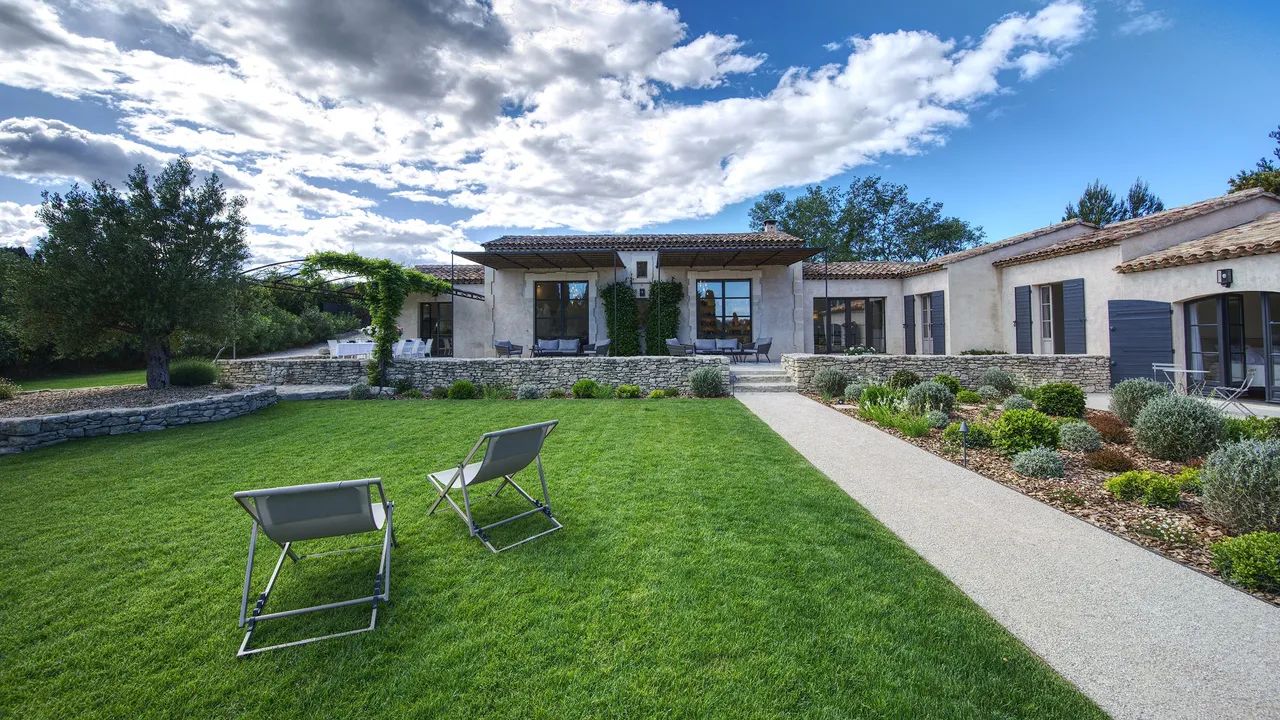
 The villa collection
Alpilles Area, France
 Exceptional Villas. Extraordinary Stays.A Part of the VIC Network
THE COLLECTION
Beautiful private villas for the way you want to travel.
Read the Provence destination guide
6 exceptional villas
The villa collectionAlpilles Area, France
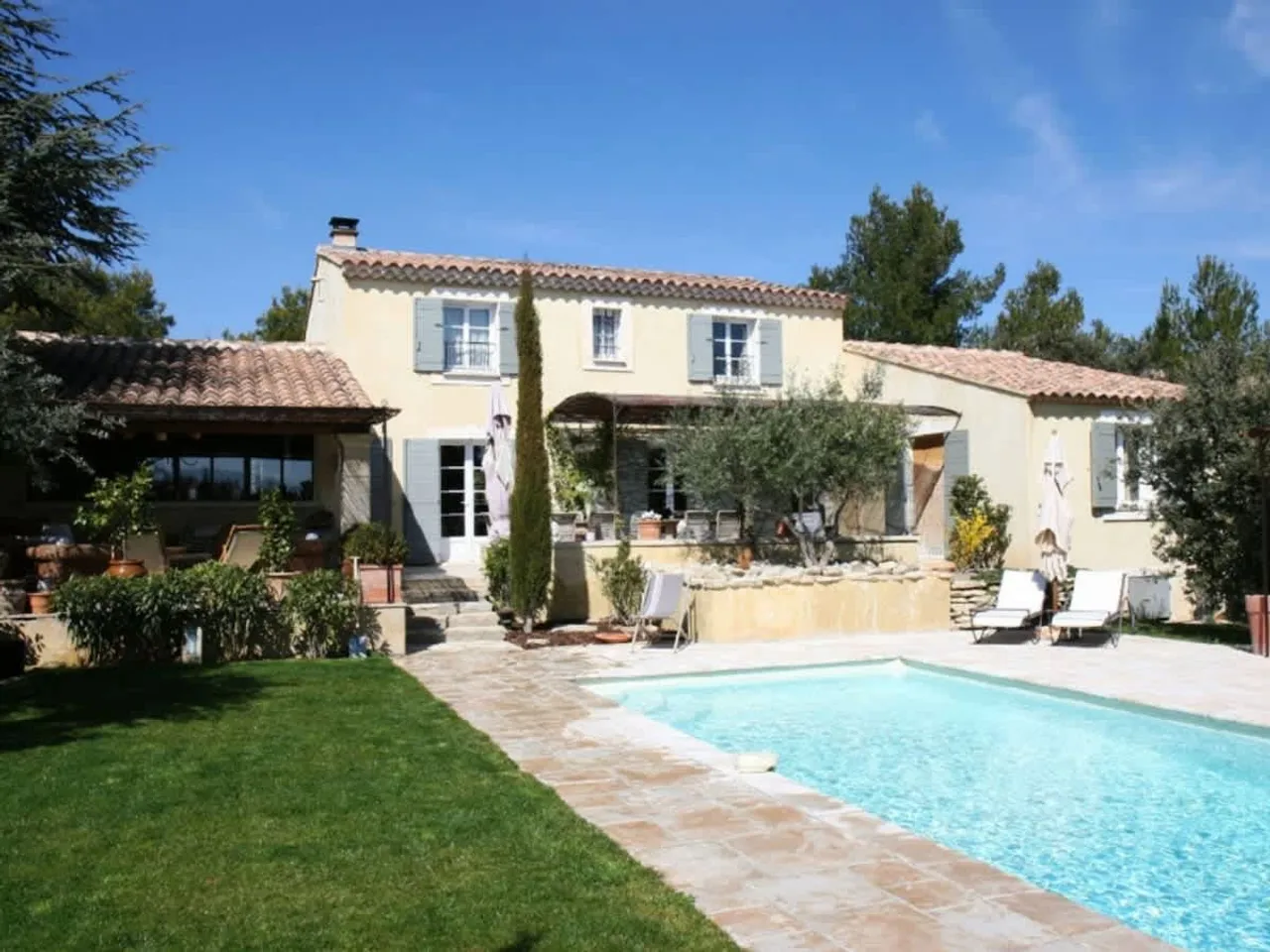 The villa collection
Cabrieres d'Avignon, France
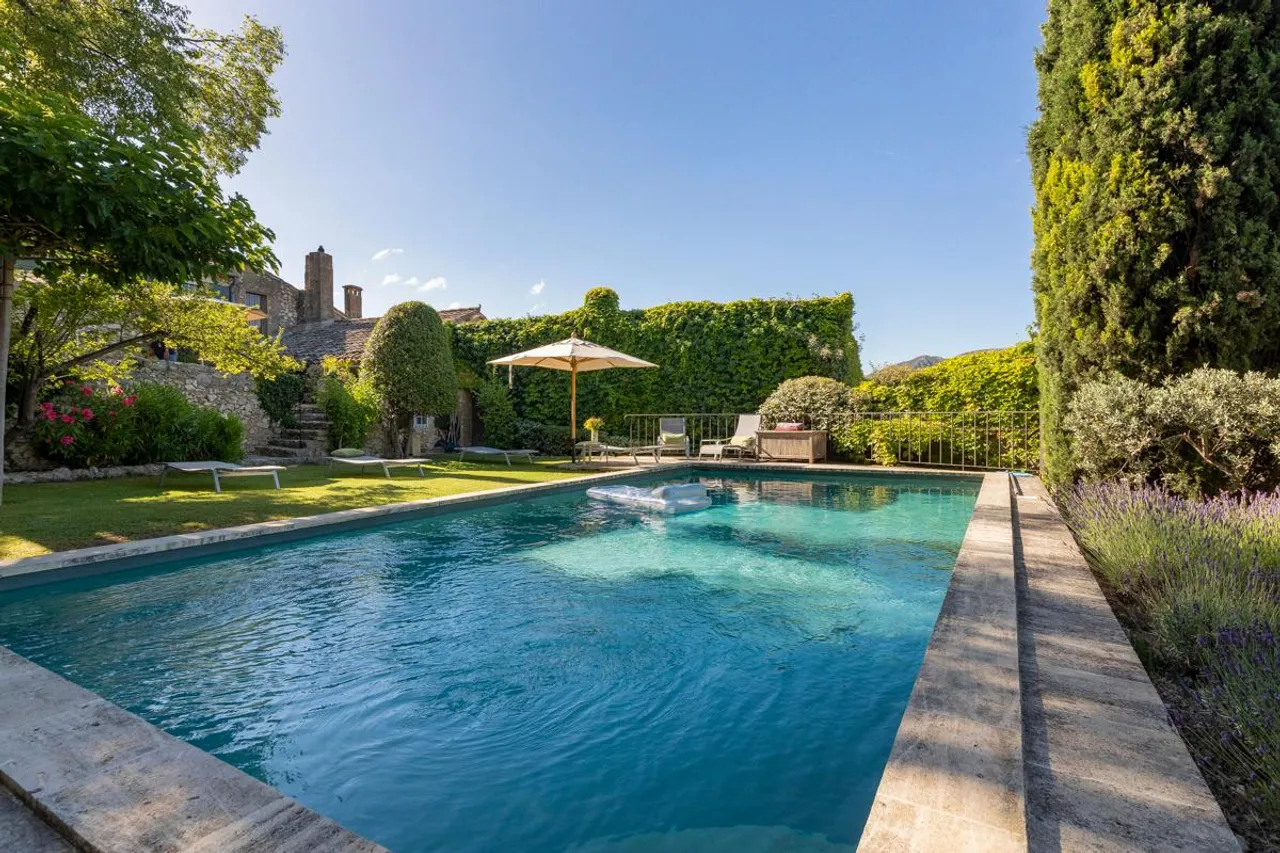 The villa collection
Eygalieres, France
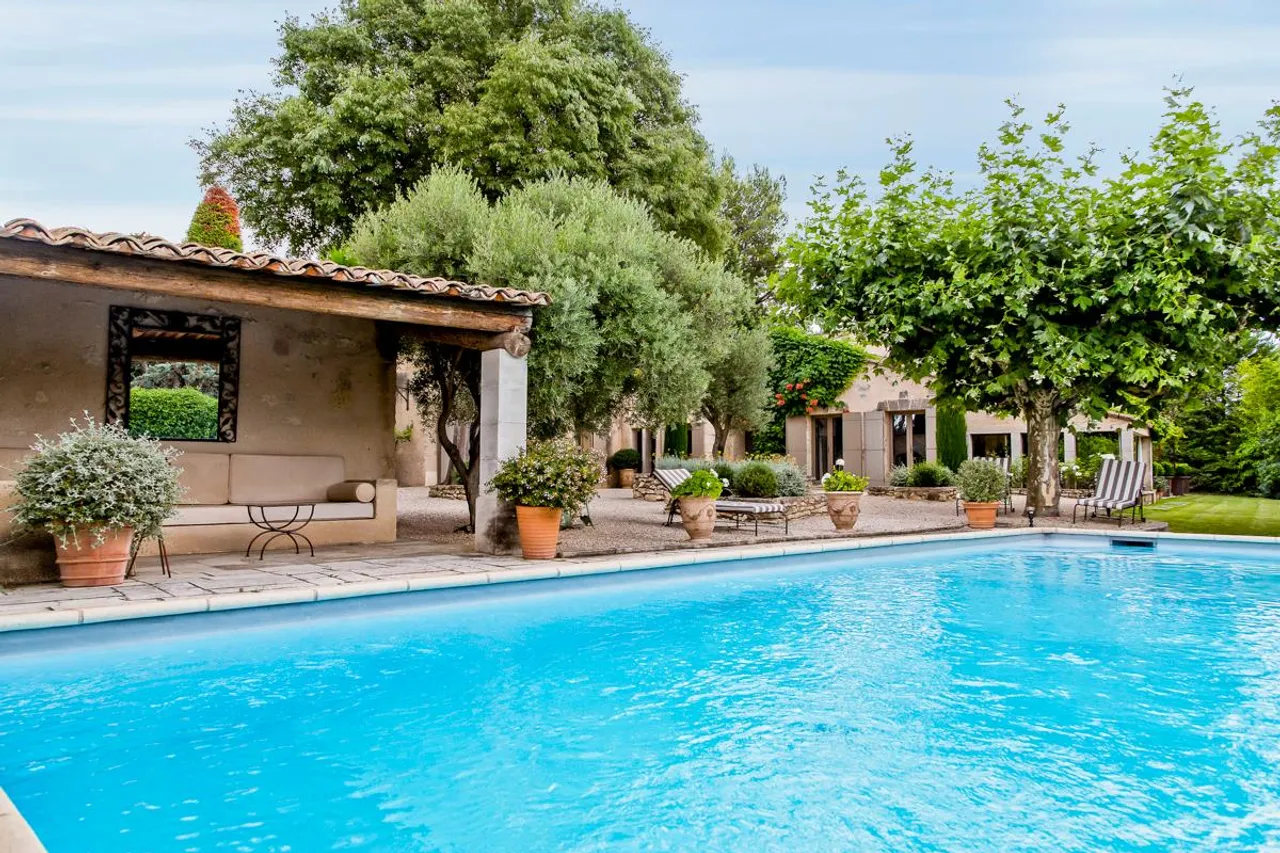 The villa collection
Eygalieres, France
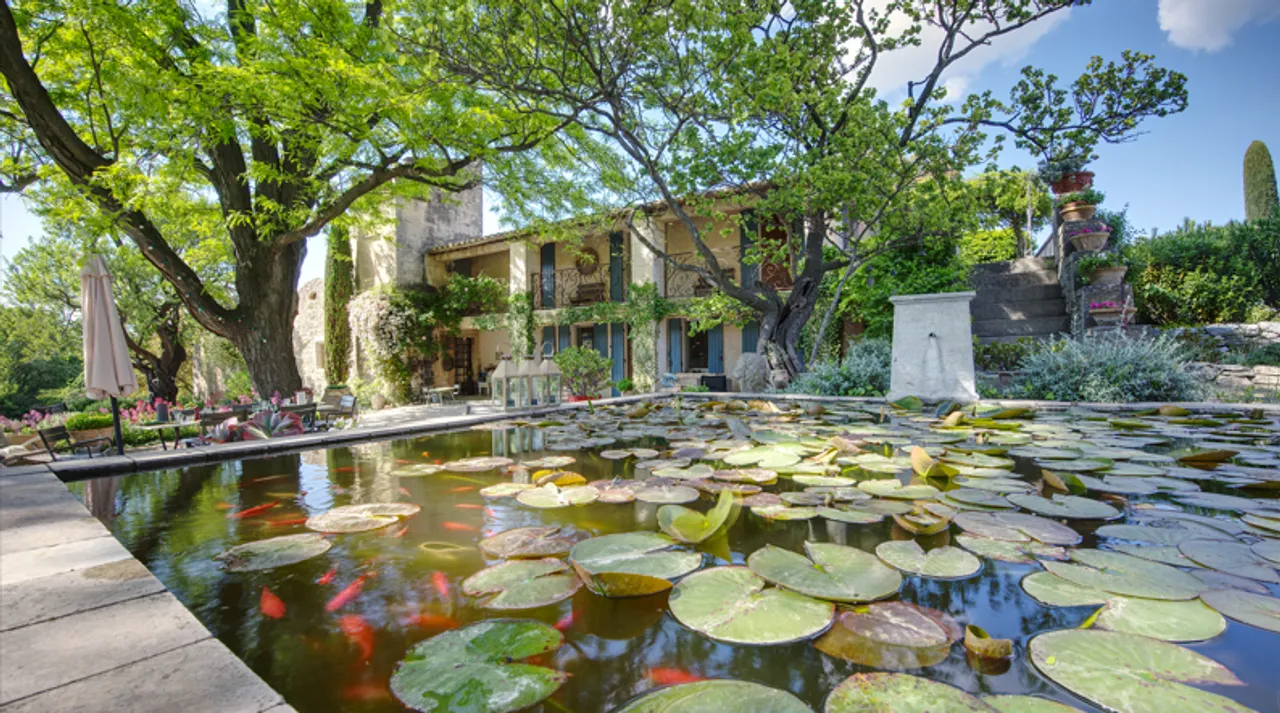 The villa collection
Provence, France
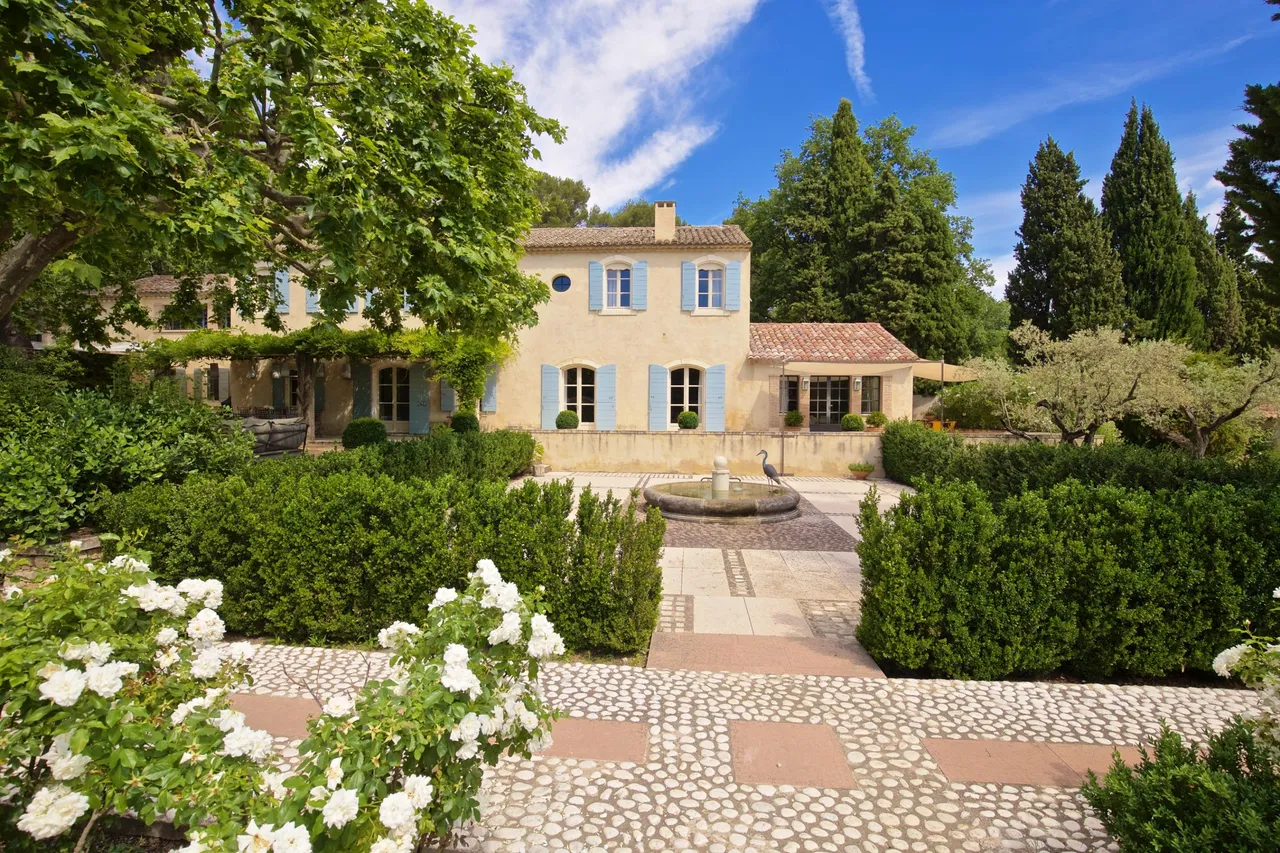 The villa collection
St. Remy de Provence, France
Villas International collection · Listing details and indicative rates. Availability is confirmed by inquiry.
THE VILLAS INTERNATIONAL DESTINATION GUIDE
A satisfying Provence holiday begins with one well-chosen corner of the region. Explore the differences between the Luberon, the Alpilles, Aix and Avignon, then build a private-villa week around the villages, food and culture that matter to your group.
Provence is a collection of different daily landscapes. The limestone villages of the Luberon, the olive-growing countryside of the Alpilles, the monumental spaces of Avignon and the streets of Aix-en-Provence do not produce the same holiday. Begin by imagining a normal day rather than assembling a list of famous names. Where will breakfast be followed by a walk? Which village would you like to revisit? How often will dinner take you away from home? Those questions make the broad regional label useful, turning a beautiful map into a setting that supports the way your household wants to travel.
A Provence villa can give the journey a consistent center: somewhere to bring back market purchases, pause between outings and enjoy the changing light without another departure. That advantage becomes less meaningful if every desired experience requires a long cross-regional drive. Select the principal area first, then evaluate houses within it. A spectacular property in the wrong part of Provence is still the wrong starting point for the proposed itinerary. The best choice combines the qualities of the house with a realistic circle of places you will genuinely have time to enjoy.
Think in terms of several complete days rather than one comprehensive tour. A village and an abbey, a major artwork and a lunch, or a market followed by time at home can each be enough. This guide uses named places to show the possibilities, but its central recommendation is geographic discipline. Choose a local focus, keep a few ambitions flexible and allow ordinary pleasures to repeat. Familiarity with a bakery or the road home can be as memorable as the region’s most photographed view.
Gordes, Ménerbes and Roussillon are useful points around which to understand a northern Luberon stay. Gordes offers pale stone and a striking hillside composition; Roussillon introduces a dramatically warmer palette through its ochre surroundings. Ménerbes rewards a slower village visit. These differences are more interesting than treating all three as interchangeable stops on a compulsory circuit. Pick the first according to what excites the group, then leave room to appreciate another on a separate day. A carefully chosen lunch can provide the natural boundary that prevents a village morning from becoming an exhausting sequence of arrivals and departures.
At Gordes, consider the approach and the experience of moving through the village as different pleasures. The famous distant perspective does not convey gradients, parking or the time required to wander comfortably. If you are bringing grandparents or young children, build the outing around the group’s practical walking range. A country property described as being near Gordes may offer broad views but still require a car for every visit. Ask about the precise route to the center before imagining independent morning errands or an effortless walk back after dinner.
Ménerbes can support another kind of day, with a village pause followed by a countryside meal. Near the village, La Bastide de Marie is an address to investigate for lunch, with current arrangements for outside guests stated by the operator. Booking the meal first creates a clear shape for the outing. The surrounding landscape then remains part of the experience rather than scenery glimpsed through a windscreen between appointments. This is one of the strongest reasons to keep a villa holiday rooted in a small area.
Lourmarin introduces the southern Luberon and a different set of local journeys. It should not be treated as merely another village close to every northern address. The massif shapes the relationship between places, and the road required for an actual outing matters more than a short distance measured across a map. A house near Lourmarin may make excellent sense for travelers whose interests include the southern villages and a considered excursion toward Aix. It may be less convenient for a week devoted to repeated evenings farther north. Let the intended routine settle the question.
The village’s château provides an architectural reason to visit beyond cafés and shops. Check its current visitor program before deciding whether it will be the morning’s main appointment. A village stay is most rewarding when it includes some understanding of place rather than only attractive streets. Leave time to move between a historical visit and a relaxed meal, perhaps returning later in the week without any formal plan. The second encounter often reveals more than the first because the pressure to locate everything has disappeared.
For families, the choice of house around Lourmarin should include an honest account of village access. A rural lane may be appealing for its quietness without being appropriate for children walking to town. For friends, a driver on a restaurant evening may make a secluded address entirely practical. Neither situation requires abandoning the desired setting; it requires matching services to it. Resolve that match before booking, then the south Luberon can become a coherent home territory rather than a compromise between distant attractions.
Roussillon’s ochre landscape changes the visual language of a Luberon itinerary. The managed Ochre Trail offers a way to experience the material behind the village’s distinctive colors, while the village itself places those tones within everyday architecture. Treat the outdoor visit as a real walk, with shoes and clothing suited to the surface and the day’s conditions. It is not simply an extension of a paved shopping street. Checking the current route options and visitor guidance will help match the outing to the group’s energy and mobility.
A satisfying Roussillon day can be deliberately simple. Begin with the trail when the timing and conditions are suitable, allow a village lunch, then return to the villa rather than adding another major outing automatically. Children may enjoy talking about the different colors they have noticed; adults interested in design may find the relationship between landscape and buildings especially rewarding. The same place can serve several interests without requiring separate activities. Give those conversations time to happen, instead of moving on as soon as the main photograph has been taken.
For a deeper interest in pigments, investigate the current program at Ōkhra, the ochre museum and cultural site identified by the local tourism office. A workshop or guided experience, if offered for your dates, can add context to the visual encounter. Confirm the format, language and suitability before reserving. The point is not to turn a holiday into a lesson, but to leave with a more particular understanding of why this corner of Provence looks the way it does. That understanding enriches later village visits too.
Sénanque is a living Cistercian abbey, and that identity should lead the visit. Its valley setting and the familiar image of lavender fields are compelling, but a visit gains depth when the architecture and continuing monastic life are given equal attention. Use the abbey’s own visitor information to choose the appropriate tour or entry arrangement. Opening conditions can reflect the needs of the community as well as tourism. A respectful, well-timed visit offers something quite different from a quick stop to reproduce a photograph seen online.
Lavender is seasonal agriculture, not a permanent visual feature. Flowering and harvesting vary with conditions, and a photograph from a previous year cannot guarantee what a particular date will look like. If seeing the fields in color is an important reason for traveling, consult current local information close to the season and retain realistic expectations. The abbey remains an architectural and cultural destination outside that moment. Building the entire day around an assumed bloom risks overlooking the qualities that are present throughout a much longer part of the year.
Combine Sénanque with Gordes only if the timing leaves both experiences comfortable. An abbey reservation followed by a village lunch may make a balanced day; squeezing the visit between several distant villages is less persuasive. Allow for the actual road approach, parking and walking to the entrance. At the villa afterward, the quiet hours can become part of the same experience rather than unused time. Provence often works best when a morning’s strong impression has room to settle before another demand is made on attention.
The Alpilles bring pale, sharply drawn hills into conversation with cultivated countryside and towns such as Saint-Rémy-de-Provence. This is an attractive area for travelers who want several kinds of experience within one local focus: art history, archaeology, village life, olive-growing landscapes and notable dining. The region is still not a single walkable resort. A country house outside town may offer privacy and grounds while requiring transport for daily errands. Compare that with the convenience of a verified village-edge address before deciding which version of a private stay suits the group.
Saint-Rémy can become the recurring center of the week rather than one stop among many. Return for a meal or a simple stroll after a more substantial cultural outing. Les Baux gives another architectural character, and the surrounding country encourages attention to how agriculture and settlement fit the limestone terrain. This local variety means an Alpilles itinerary need not rely on constant excursions to Aix or the Luberon. Let the area develop its own identity, then add a more distant day only when it serves a clear interest.
The regional park provides current guidance for natural areas, including access restrictions that can apply during fire-risk periods. Check the relevant advice before a walk or cycle outing. This is a practical planning matter: a village visit, an indoor cultural experience or a day at home can be an excellent alternative. The house’s shaded spaces and comfortable shared rooms therefore have real value. They allow the landscape to remain part of the holiday even when the best decision is to enjoy it without entering a particular trail.
Saint-Paul de Mausole offers a focused encounter with Vincent van Gogh’s time near Saint-Rémy. Its visitor experience brings together the cloister, historical interpretation and the landscape associated with his stay. Approach it as a place with its own history and continuing identity, rather than assuming it is a conventional collection of original paintings. A little preparation about the nature of the visit makes expectations more accurate. The encounter can be moving precisely because it connects artistic work with a physical setting and the circumstances in which that work developed.
Nearby Glanum opens a much earlier chapter through an archaeological site managed by the Centre des monuments nationaux. Choose a guided or independent visit according to the group’s interest and the current program. Archaeology benefits from attention: a clear account of what you are seeing can make foundations and surviving structures more legible than a hurried walk among them. If the day is warm, consider timing and the exposed nature of an outdoor site. Pairing two cultural visits is possible, but the second should not be added at the expense of understanding the first.
A town lunch afterward gives the outing a more relaxed second half. Guests who have different interests might agree on one shared visit, then separate briefly before meeting to eat. That can work better than expecting everyone to maintain identical enthusiasm for an entire art-and-archaeology day. Back at the villa, the references encountered in the morning may change how the surrounding olive trees and hills are seen. The purpose of cultural planning is to sharpen the holiday’s sense of place, not to fill every hour with instruction.
Les Baux-de-Provence offers a dramatic village setting, while the Carrières des Lumières creates a contrasting experience within former quarries. Projected imagery and music transform the large stone surfaces into an immersive presentation. This is a different form of engagement from looking at original paintings in a museum. That distinction helps travelers decide whether the visit suits their interests and whether sound, darkness and moving images will be comfortable for everyone. Consult the current exhibition and practical guidance rather than assuming a show seen in an older photograph is still running.
A reservation at the Carrières can become the anchor of a Les Baux day, with village time arranged around it. Avoid scheduling so tightly that parking or a slower walk creates immediate stress. The village and the quarry experience already provide substantial contrast: one uses stone as built form and elevated setting, the other as an interior surface for projected art. A leisurely lunch can complete the plan. There is no need to append several more villages merely because they appear within the same general area on a regional map.
For a special meal, investigate the restaurants at Baumanière. L’Oustau de Baumanière and La Cabro d’Or are distinct choices within the property’s dining offering, so reserve the intended venue explicitly. Menus, opening patterns and suitability for children should be checked for the relevant service. A restaurant reservation does not imply access to other hotel facilities. Plan the journey home as part of the evening, particularly if wine will be part of the meal. The pleasure of a celebrated table is greater when transport has already been settled.
Aix introduces a different pace from the hill villages. Its streets, squares and cafés invite time on foot, while cultural visits can provide a focus without consuming the whole day. For a villa based near the city, repeated short visits may be part of the appeal. For a house deep in the Luberon or Alpilles, Aix is more convincing as a deliberate full-day excursion. Decide which situation applies before adding several reservations across the city and its outskirts. A coherent day should include the journey in as well as the attractions themselves.
Cezanne provides a particularly strong way to connect Aix with its surrounding landscape. The Lauves studio, the Jas de Bouffan family property and the Bibémus quarries offer different perspectives on his work. They are not interchangeable museums. Select one that matches the group’s interest, then explore the city with that experience in mind. Travelers drawn to the intimacy of an artist’s working environment may prefer the studio; those interested in the landscape’s forms may be more attracted to the quarry setting. Current opening and reservation arrangements should determine what is practical.
Leave room for an ordinary city interval after the formal visit. A café table and some time without a route can be a welcome change from timed entry. Shopping need not become another list of obligations; choose a few streets or a particular interest and let the rest emerge. If Aix is central to your plans, shortlist houses on that basis instead of repeatedly traveling from a distant base. The best villa location makes desired experiences easier to revisit, which is often more satisfying than seeing each of them only once.
The Bibémus quarries connect Cezanne’s work to the forms and colors of an actual landscape. The official booking information explains regulated access and the arrangements for visits. Follow those instructions rather than navigating independently to a point found on a map. Outdoor conditions and seasonal restrictions can affect the experience, so retain an alternative for the day. The value of the visit lies in a focused encounter with the setting, not simply in reaching a famous name. A guide can help make that relationship visible to guests with different levels of artistic knowledge.
At Château La Coste, near Le Puy-Sainte-Réparade, art and architecture take a contemporary form within a wine estate. The Art and Architecture Walk includes work by internationally recognized artists and architects, with the Tadao Ando Art Centre providing a distinctive point of arrival. Allow the visit its own pace. A substantial outdoor route should not be treated as a brief stop before another distant appointment. Check the available guided or assisted formats if the group has differing mobility needs, and reserve the appropriate option directly.
Dining can make this a complete day. The Tadao Ando Café offers one setting at Château La Coste, while Villa La Coste has its own dining arrangements associated with Hélène Darroze. Verify the specific venue and current offering before booking; the estate’s various names should not be merged into one assumed experience. Art admission, restaurant reservations and hotel facilities are separate matters. A thoughtful combination of one cultural visit and one meal can create a more memorable day than a rushed attempt to sample every part of the property.
Avignon brings monumental scale to an inland Provence holiday. The Palais des Papes deserves a planned visit with enough time to absorb its spaces, rather than a hurried slot between distant country outings. Consult the current entry arrangements and book a suitable time. Travelers interested in medieval history may want a guided format; others can shape a shorter visit around the principal architectural experience. Either way, the palace should be understood within a city that continues beyond its most famous monument. Leave time afterward to move through the streets without treating every pause as a delay.
The surviving Pont Saint-Bénezet introduces the Rhône and another perspective on Avignon. A combined approach to palace and bridge can help explain the relationship between the city’s monumental buildings and its river setting. Confirm the ticket options and access details for the relevant dates. The bridge is not a route across the river to be incorporated casually into a walking transfer. Understanding what remains and how it is visited avoids a common map-based misunderstanding and gives the outing a clearer historical focus.
During festival periods, a performance may become the reason to visit rather than an addition to a sightseeing day. Choose the event, language, duration and return arrangements carefully. A countryside villa offers a welcome change of atmosphere afterward, but a late return needs realistic transport planning. For guests whose principal interest is the festival, staying within a workable journey of Avignon matters more than being equidistant from every other Provençal highlight. As elsewhere in the region, the most successful base is the one aligned with the actual purpose of the trip.
L’Isle-sur-la-Sorgue changes the mood after limestone hilltops. Canals, waterwheels and the river’s relationship with the town provide a distinct visual and historical setting. The local tourism office connects the surviving wheels with earlier textile activity, making a waterside walk more interesting than a sequence of attractive reflections. Antiques and browsing can give the day another focus, but leave room to notice the town itself. Choose a manageable area, stop for lunch and avoid measuring success by the number of shops entered.
For an antiques purchase, practical questions should follow enthusiasm. Establish condition, dimensions, provenance where relevant and shipping arrangements before committing. A beautiful object seen on holiday must still suit the place it will occupy at home. Smaller purchases can be rewarding too: the point is to find something with a particular connection to the visit rather than to acquire a generalized idea of Provence. Ask questions, allow time and resist the pressure to make a decision simply because the car is about to leave for another village.
Fontaine-de-Vaucluse offers a related excursion through the source of the Sorgue and the village’s literary and industrial associations. Current local guidance should lead the route, because access around the source can change. Build the visit around permitted paths and the village rather than an assumption that every viewpoint will be reachable. This is a waterside outing, not a substitute for a beach day. Travelers whose priority is daily sea swimming should consider a separate coastal chapter in the French Riviera, with the travel time and different rhythm that implies.
Provence offers several dining moods, from a country lunch to an ambitious gastronomic evening. Around Les Baux, Baumanière’s two restaurants allow different interpretations of a destination meal. Near Saint-Rémy, Château des Alpilles gives another setting, with its own restaurant and seasonal service arrangements. In the Luberon, La Bastide de Marie is worth investigating for a meal near Ménerbes, while Cipressa at Coquillade introduces an Italian direction near Gargas. These are choices to match to the day, not a checklist that every visitor must complete.
One special restaurant can be enough to anchor the week. Choose an evening when the group will have energy to enjoy it, and avoid placing the longest outing immediately beforehand. Ask about the menu format, dietary requirements and suitability for children at the time of reservation. If some guests prefer a shorter or more informal meal, acknowledge that before everyone is seated. Dining is an important shared pleasure, but it works best when the level of formality matches the people around the table rather than an abstract idea of what a luxury holiday should contain.
Transport belongs within the booking decision. A rural address may be ideal for privacy and still require a driver for an evening out. Agree on collection points and the expected return, especially where several households are involved. Restaurant opening patterns vary with season and day, and old recommendations can outlive an individual venue’s current format. Use the operator’s information for confirmation. Our Provence dining and market article develops a balanced approach that gives both restaurants and the private house a meaningful role in the week.
A market morning is most rewarding when it leads to something tangible at the villa. Plan a simple lunch around what looks good, keeping space for ingredients you had not anticipated. Ask a chef or local host which market suits the week’s route, then verify the day and practical arrangements. A famous market on the opposite side of the region may be less useful than a smaller one near the house. The aim is to connect the holiday to local food and ordinary routines, not to spend the morning driving past the landscape you hoped to enjoy.
If you enjoy cooking, review the kitchen before making ambitious plans. Equipment, refrigeration, outdoor cooking arrangements and table capacity vary between homes. A photograph of a generous kitchen does not answer every practical question. If you prefer private dining, agree on the chef’s availability, menus, shopping, service and clearing away. Ingredient and beverage costs may be separate. A clear arrangement allows the meal to feel effortless for guests without pretending that the work required happens automatically whenever a villa is described as luxurious.
Provence lends itself to variety at the table. A relaxed lunch after a village visit, a simple supper on arrival and one more elaborate evening can coexist comfortably. Ask for seasonal proposals rather than insisting on a fixed list of dishes before knowing what is available. The private table is particularly valuable for multigenerational groups, where meal times and appetites differ. It can also be the place where a market purchase or a bottle selected earlier becomes part of the shared story of the trip, giving the house a direct connection to the destination.
For a Luberon-based week, begin with the nearest village rather than the most distant famous attraction. Settle into the house, understand the route to everyday supplies and allow the first substantial outing to be uncomplicated. A Gordes and Sénanque day can follow if reservations and conditions align. Give Roussillon its own space, then choose either a southern Luberon excursion or a Sorgue-focused day according to the property’s location and the group’s interests. The remaining time can belong to markets, a restaurant reservation and the villa itself.
An Alpilles week can take a different shape. Saint-Rémy provides the recurring town reference, with Saint-Paul de Mausole or Glanum supplying a cultural anchor. Les Baux and the Carrières des Lumières make another distinct day. Add Avignon only if the group wants the change of scale, and consider a planned restaurant evening at Baumanière or Château des Alpilles. This outline leaves space for countryside outings when permitted, local food shopping and afternoons at home. It is a complete holiday without needing to cross the region every morning.
For an Aix-focused stay, combine city time with one Cezanne site and a separate Château La Coste visit. A southern Luberon day may provide a village contrast, but it should not crowd out the reason for choosing this base. Read our Provence art and village itinerary for ways to connect cultural interests to geography. These suggested rhythms are starting points, not fixed programs. The final plan should respond to the household’s energy, the property’s actual address and what is available during the chosen dates.
A summer image of Provence can create expectations that do not apply to every month. Lavender, restaurant opening patterns, outdoor conditions and the comfort of swimming all vary. Choose the season according to the experience you want, then review the house in that context. Summer makes shade and bedroom cooling particularly relevant. A spring or autumn stay may place more importance on comfortable interior rooms and heating. Pool heating, where available, requires its own confirmation about operation, conditions and any extra charge; it should never be inferred from the presence of a pool.
Outdoor plans should remain responsive to local guidance. Access to natural areas may be restricted during periods of fire risk, and a planned walk is not a reason to ignore a closure. An itinerary with cultural, village and home-based alternatives is more resilient and often more enjoyable. Wind can also change the appeal of an exposed terrace or outdoor lunch. Ask about sheltered seating as well as the views. These questions are not peripheral to a luxury stay: they determine whether the house remains comfortable when the weather differs from the photograph.
The most flexible groups often enjoy Provence particularly well. They can move a village visit to another day, substitute a cultural outing for a walk or turn a market morning into an afternoon of cooking. Keep a few important reservations, then leave the rest of the week capable of adjustment. A private property earns its place in the journey when spending an unplanned day there feels like a pleasure in itself. Assess that possibility before booking, rather than treating the house only as accommodation between excursions.
Compare arrival options against the final address rather than the regional name alone. Marseille Provence Airport, rail arrivals at Aix or Avignon and onward road travel may produce different advantages depending on the house and the travelers’ starting points. The final rural transfer, vehicle collection, grocery arrangements and check-in all belong in the calculation. Do not select an arrival station simply because it appears nearest on a small map. A convenient connection with a straightforward final journey may be preferable to a shorter distance that introduces awkward timing or an additional change.
For several households arriving separately, establish who can enter the property first and how later guests will be received. A prepared supper and essential groceries can make the first evening much easier, especially when flights or trains arrive at different times. Ask for clear directions to the entrance, not just a broad village location. Rural addresses can be less intuitive after dark, and the last stretch of a narrow lane may deserve advance explanation. This information should be part of a professional arrival brief rather than something discovered during an anxious phone call from the car.
Car choice should match passengers, luggage and the roads you expect to use. If some guests will not drive, decide whether they can comfortably remain at the house or reach nearby places independently. A rural stay can be wonderfully restful without universal independence, provided the group understands the arrangement. If frequent separate outings are essential, the location and transport plan should support them. The goal is not to eliminate every transfer, but to make movement predictable enough that it does not become the organizing problem of the holiday.
Traditional stone exteriors and generous grounds can conceal very different interior arrangements. Confirm bedroom distribution, bathrooms, stairs and any separate guest buildings before assigning rooms. For families, the relationship between bedrooms and outdoor spaces may matter more than the total area. For friends, comparable room quality and acoustic privacy can prevent unnecessary friction. A house that sleeps the correct number is only the beginning of a suitable match. The layout should accommodate how the group actually lives, including early risers, children’s bedtimes and guests who prefer a quiet afternoon.
Outside, inspect the practical use of terraces, dining areas and the pool. Is there comfortable shade where everyone can sit? How does the dining space relate to the kitchen? What pool protection is present, and what supervision will still be needed? Ask for direct answers rather than interpreting a photograph. Garden maintenance, housekeeping and any staff visits also affect the daily rhythm. Clear information allows everyone to enjoy the property with appropriate expectations and makes it easier to distinguish an essential requirement from a feature that merely looks appealing in a listing.
A service proposal should explain frequency, scope and additional costs. A chef available by arrangement differs from a chef included throughout the stay; a concierge contact differs from a dedicated on-site team. Neither is inherently wrong, but the description should match the support required. Compare Provence properties on that complete basis. The strongest shortlist combines location, household layout and operational clarity, leaving the final choice to the setting and character that most appeal to the travelers rather than to unresolved assumptions about how the home will function.
A longer trip can combine inland Provence with another destination, but each chapter needs enough time to justify its transfer. The French Riviera collection offers a coastal contrast, while Tuscany suggests a separate Italian countryside experience for travelers planning a broader European journey. Neither addition should be treated as an automatic enhancement. Consider luggage, travel time and the different arrangements required at the next home. Two settled stays are generally more persuasive than a succession of brief arrivals that leave little opportunity to enjoy either property.
If Provence is the sole destination, resist the feeling that a week must encompass every famous name. One area explored with attention can provide considerable variety. The value of a private stay lies partly in returning: to a village, a restaurant, a particular view or the same table at home. Those repetitions give the holiday a personal pattern. They are easier to achieve when the itinerary has been built around a few priorities instead of a regional inventory. Let the house and its surroundings become familiar enough to feel connected.
When requesting a shortlist, describe the desired local focus, season, group composition and style of dining. Include any essential layout needs, expectations for staffing and the importance of village access. The clearer that account, the easier it is to identify a house that belongs naturally to the proposed week. Provence offers many versions of beauty; the right villa is the one that makes the chosen version usable every day, from the first quiet breakfast to the final evening when there is no need to hurry anywhere else.
Choose the Luberon for days shaped around villages such as Gordes, Ménerbes and Lourmarin; consider the Alpilles for Saint-Rémy, Les Baux, Roman heritage and the Van Gogh connection. Both offer rewarding country stays. The deciding factor is the set of journeys you expect to repeat from the actual property.
No. Flowering and harvest follow agricultural and weather conditions, and the abbey remains worth visiting outside the purple-field season. Consult the abbey’s own current guidance, respect its access arrangements and plan the visit around the monastery rather than a promised photograph.
Consult the official references for current reservations, seasonal access and opening information.