 The villa collection
Princeville, USA
 Exceptional Villas. Extraordinary Stays.A Part of the VIC Network

Hawaii
Explore Kauai and plan a villa stay around your preferred setting, travel dates, and group.
Explore villas in Kauai Plan a stay in KauaiThe villa collectionPrinceville, USA
 The villa collection
Princeville, USA
 The villa collection
Princeville, USA
 The villa collection
Princeville, USA
THE VILLAS INTERNATIONAL DESTINATION GUIDE
A Kauaʻi villa stay is shaped by the coast you choose and the ordinary hours you spend there. Hanalei offers the relationship between town and bay, Princeville emphasizes elevated outlooks, and Poʻipū gives the south shore its own beach and dining rhythm. The east side and Līhuʻe add different practical and cultural possibilities. None makes every part of the island equally convenient. Start with the experiences you want nearby, then choose a home whose layout, access and outdoor spaces support them. Current information matters too: as checked on October 6, 2026, official tourism guidance welcomes visitors, while specific state parks and Kīlauea Point remain subject to closures. This guide distinguishes the island’s general welcome from the permissions needed for individual outings, so a comfortable villa holiday can also be a considerate and well-informed one.
GoHawaii’s current Kauaʻi page welcomes visitors and describes most accommodations, restaurants, shops and activities as operating following Hurricane Lowell. It also asks visitors to bring patience while some businesses have limited services or staffing. That is the appropriate general starting point at the October 6, 2026 editorial review. It replaces an older blanket assumption that every upcoming trip should be postponed, but it does not make every individual attraction available.
The DLNR’s October 5 notice retained extensive state-park closures. It identified limited Wailua River access, while Kōkeʻe Road, camping and other Kauaʻi state parks remained closed. The U.S. Fish and Wildlife Service separately listed Kīlauea Point National Wildlife Refuge closed for post-hurricane maintenance. Use those responsible agencies for the places they manage. A tour brochure, a normal reservation page or a general tourism welcome cannot override a specific closure notice.
For a villa enquiry, ask about the property’s actual readiness, road access and confirmed services for your dates. Then make the itinerary from experiences that are genuinely operating. The Kauaʻi villa collection can be the starting point for that conversation. A thoughtful stay supports open local businesses and remains flexible where recovery work or changing conditions affect a particular plan.
A large villa can be attractive on first inspection, but its location determines how the week feels. Decide which coast contains the things you expect to do repeatedly: a favorite beach, casual meals, a restaurant evening or time in a particular town. Those repeated journeys matter more than the single excursion you hope to make elsewhere. A house that reduces everyday travel may feel more generous than one with an extra room but an inconvenient approach.
The north shore and south shore should be considered as different holiday patterns. Hanalei and Princeville support a northern stay; Poʻipū and Kōloa support a southern one. The east side offers another set of possibilities. Do not plan as though the island’s major places can all be connected by a quick circular drive. Check actual routes and current road conditions, with enough time for stops and the final approach to the property.
Give the group a shared understanding of the choice. Some guests may be happy to spend most days near the villa, while others imagine frequent outings. A clear conversation before booking can identify whether one vehicle is sufficient, whether independent transport is useful and which major excursion deserves a dedicated day. The property should support those decisions rather than force them after arrival.
Hanalei is appealing when the holiday should feel connected to a recognizable town and bay rather than only to the villa grounds. A morning can be built around a suitable shore visit, followed by lunch or an errand in town and time back at the house. The value lies in returning often enough to find a familiar rhythm. A traveler who wants that experience should ask how the proposed property actually connects with both town and sand.
A listing described as Hanalei does not automatically establish an easy pedestrian route. Clarify the distance, road crossings, lighting and practical return with children or beach equipment. A short drive is manageable when expected; it becomes frustrating when walkability was the principal reason for booking. If a guest needs minimal steps or an easier surface, request specific information rather than rely on a general family-friendly description.
The bay’s beauty should not be translated into a promise about swimming. Surf, currents and water conditions change, and local advice should guide the day’s decision. A shore walk or time watching the landscape can be a complete outing when the ocean is unsuitable. Choose a villa that is enjoyable on those days too, with comfortable covered seating and enough space for the group to relax without immediately seeking a replacement activity.
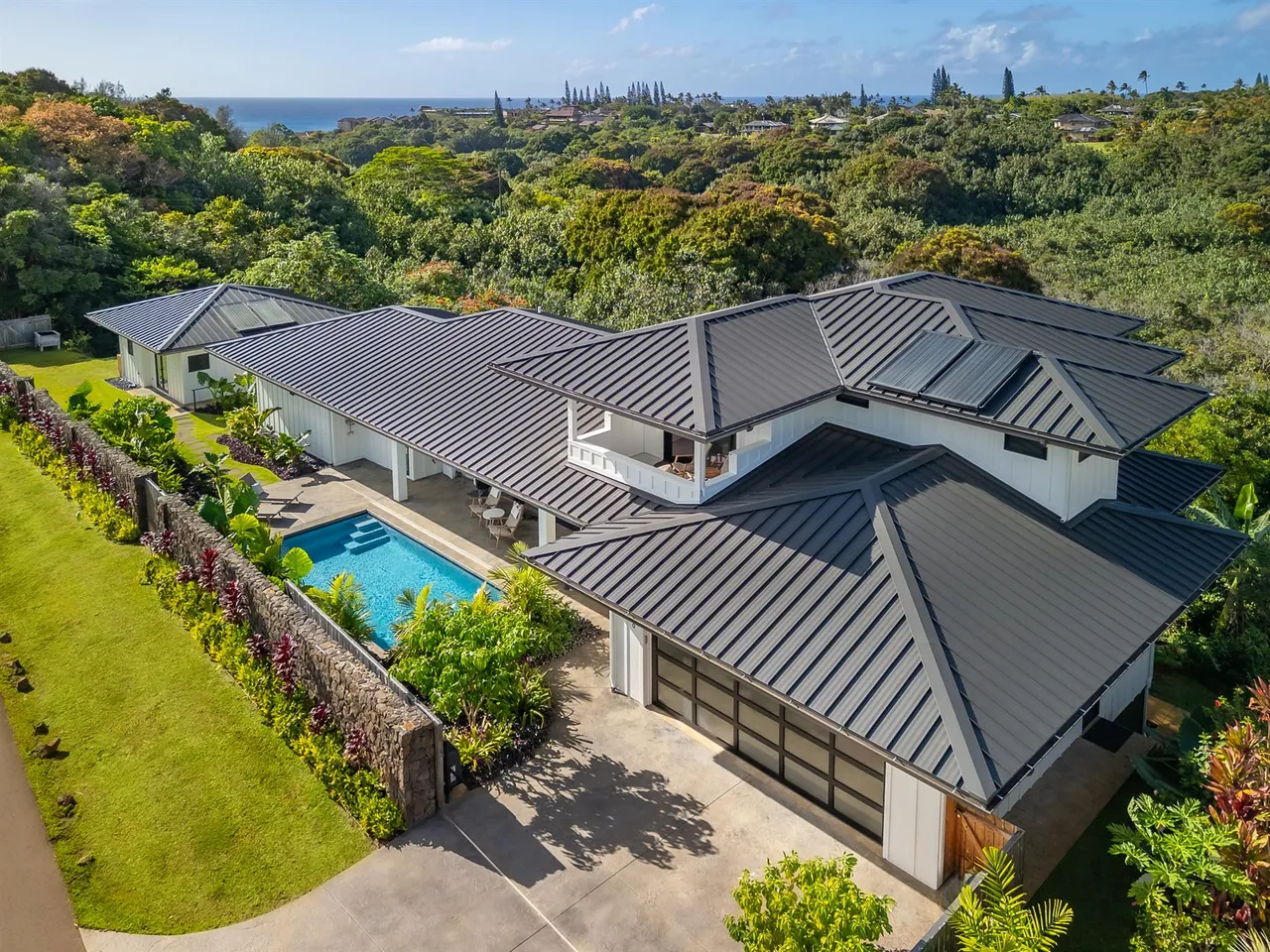
Princeville offers a different north-shore proposition from Hanalei. An elevated home may make the view a major part of the stay, with mornings and afternoons centered on the terrace or pool. That can be exactly the right choice for a group wanting privacy and generous domestic space. It should not, however, be confused with stepping directly onto a beach. Ask about the actual route to the shore you intend to use and whether it suits every guest.
Inspect the villa’s outdoor areas at different times of day through current photographs or a detailed description. Covered dining, shade and comfortable seating can matter as much as the panorama. A house occupied by several households needs somewhere for people to gather and somewhere for quieter moments. Bedroom placement and cooling deserve attention when some guests will rest while others remain active in the shared spaces.
Plan outings in a way that preserves the reason for choosing the address. If the terrace is a highlight, leave time to use it rather than depart every morning before breakfast and return after dark. A northern restaurant evening and a selected local experience can provide enough variety between villa days. Princeville works best when the house itself is acknowledged as part of the holiday rather than merely its overnight base.
Anini gives the north-shore search another distinct setting. Evaluate the property’s relationship to the beach, road and nearby services rather than assume that every address delivers the same daily experience. A home may appeal through a coastal outlook, a garden or the ability to make short shore visits. State which feature matters most. That helps the shortlist reflect the group’s priorities instead of relying on a familiar location name.
For families, the practical questions are simple but consequential. Can someone return to the house easily while others remain at the beach? Is there a manageable route with equipment? Where are the nearest everyday supplies, and will the group be comfortable driving for meals? The answers influence a week far more than a description that merely calls the setting peaceful. A vehicle plan should accommodate different interests without making one guest responsible for every departure.
Do not treat a reputation for sheltered-looking water as a guarantee of suitable conditions. Seek current local guidance and remain within the group’s abilities. A villa pool, shaded garden and comfortable interior provide alternatives when the ocean does not fit the day. The strongest coastal choice is one that remains enjoyable across a range of ordinary conditions, not only in the ideal light shown in a photograph.
Kīlauea can provide a different residential or rural context within a north-shore stay. A property in this area should be judged by its exact approach and relationship to the places you expect to use. Privacy can be a strong attraction, but it may come with a need to plan groceries, meals and transport more deliberately. Ask what the immediate surroundings are like and how easily guests can divide for separate outings.
Kīlauea Point National Wildlife Refuge is a specific federal site, not a synonym for the wider community. As checked on October 6, 2026, the Fish and Wildlife Service reported it closed for post-hurricane repairs and maintenance, with the reservation system unavailable. A normal-hours page or an older ticket listing does not establish that access has resumed. Keep the refuge as a future possibility until the managing agency confirms reopening.
When a visit becomes available, approach it through current reservations and wildlife guidance. The interest lies in habitat, seabirds and the coastal setting, with patient observation more valuable than seeking the closest possible photograph. A future refuge outing can be a meaningful part of a northern week, but a present villa stay should not depend on an attraction that remains closed. Open local businesses and appropriate nearby experiences can provide a different, worthwhile day.
Poʻipū is a useful starting point for travelers who want a south-shore base with beach and dining options nearby. The right villa can support short local outings and comfortable returns for lunch or rest. That pattern is particularly useful for families, where not everyone wants to remain at the beach for the same amount of time. Ask which shore access the property actually serves and what the route involves.
A Poʻipū address can describe different experiences: close to a particular beach, within a resort-style setting or positioned primarily for a view. Confirm any shared facilities or privileges in writing. Proximity to a hotel does not automatically include its pool, spa, children’s activities or beach services. A house should be selected for what the booking provides, not what appears nearby on a map.
Keep some days deliberately local. A morning outside, lunch at the villa and a nearby restaurant evening can feel complete without a drive to the north shore. Kauaʻi’s famous northern scenery does not make every southern day incomplete. Choose the coast because you want to spend time there, then use cross-island outings sparingly and only when current access and the group’s energy make them worthwhile.
Kōloa offers another point of reference for a southern stay, with a town visit that can sit naturally beside beach and villa time. Approach it with curiosity about the place and its history rather than only as a shopping stop. A locally informed walk or cultural interpretation can help connect the visible town with broader island stories. Check the actual program or business you plan to visit instead of expecting every option to operate on every day.
Lāwaʻi adds a different part of the southern map, including access to the National Tropical Botanical Garden’s visitor experiences. Allerton and McBryde should be considered through the organization’s current information. A garden visit can give the day a clear focus without turning it into a long island circuit. Choose the tour or route that interests the group and leave time afterward for lunch and a relaxed return.
The south-shore restaurant plan can follow the same principle. Beach House Restaurant is one named option for an occasion, but its current service and the desired reservation should be confirmed directly. A strong southern week includes enough time to enjoy its own places instead of using them only as stops before driving elsewhere. The Kauaʻi regional dining article helps connect those meals with the coast where you are staying.
The east side introduces a different practical geography, with Kapaʻa and Wailua among its points of reference. For some groups, access to everyday services and a range of local outings may be more valuable than the most secluded address. Assess the immediate setting carefully, including road activity, the route to the coast and the atmosphere at the hours when guests expect to rest. A convenient base should still feel comfortable when everyone is at home.
Ke Ala Hele Makālae, the coastal multi-use path, is a named option to investigate through current local access information. Choose a suitable section and activity rather than assume that every part is open or equally appropriate. A modest walk or ride can fit a villa day without requiring a major excursion. Check equipment, conditions and the group’s comfort before setting off, particularly when traveling with children or guests who need a gentler pace.
An eastern base is not permission to spend every day crossing the island in both directions. Group outings by area and protect time near the house. If the main dream is repeated Hanalei mornings or Poʻipū evenings, compare whether staying closer to those places better serves the holiday. The useful location is the one that reduces friction in the actual week you intend to have.
Līhuʻe is more than the airport area through which a villa guest passes. Kauaʻi Museum provides a specific cultural reason to return with time and attention. Check its current exhibitions, programs and visitor arrangements, then choose a visit that suits the group. A museum can help travelers place the scenery within Hawaiian and island history, giving the rest of the stay more context than a succession of views alone.
Do not automatically attach the visit to arrival or departure simply because the location appears convenient. Luggage, fatigue and flight deadlines can make those moments poor conditions for learning. A separate morning may be more rewarding, with a relaxed meal afterward. If it does fit a travel day, confirm secure luggage arrangements and leave enough time that the visit can be enjoyed rather than hurried.
Cultural attention should continue beyond the museum. Listen to local guidance, learn place names with care and respect sites that are not intended for unrestricted visitor access. A luxury villa does not place the group outside the community in which it sits. The most satisfying stay combines private comfort with an awareness of the people, histories and responsibilities that give Kauaʻi its identity.
Limahuli Garden and Preserve offers a northern experience through the National Tropical Botanical Garden. Its value lies in connections between plants, place, cultural knowledge and conservation. Choose it for those subjects rather than treat it as a decorative stop on the way to another beach. Consult the garden’s current visitor arrangements and access information, particularly while other northwestern attractions remain affected by closures. The garden and the state park are separate operations with separate guidance.
Assess the route for the actual group. Ask about terrain, walking demands and the available format before booking, especially when mobility needs matter. A guided experience can add depth, but only if the pace and length are suitable for everyone participating. Guests who prefer a shorter outing should have a comfortable alternative rather than feel obliged to complete a visit that does not fit their needs.
Leave the afternoon simple enough to absorb the experience. Lunch nearby where operating or a return to the villa can provide time for conversation. A garden visit may change how the group sees the landscape during the rest of the week, including the planting around the house. Kauaʻi rewards that kind of attention without requiring a dramatic adventure every day.
The National Tropical Botanical Garden’s southern sites offer another way to engage with Kauaʻi’s plant life and designed landscapes. Allerton and McBryde should be considered through the current tour choices and visitor instructions rather than treated as one interchangeable attraction. Select the experience that matches the group’s interests, whether that means landscape composition, botanical variety or a guided introduction. Confirm what is included and where the visit begins.
For a Poʻipū or Kōloa stay, a garden can anchor a day that remains comfortably local. A quiet morning at the house, the principal outing and a nearby dinner can be enough. There is no need to attach a distant canyon journey or another coast simply to make the schedule look more substantial. The most memorable part of a garden visit may be a detail noticed because there was time to pause.
Bring practical preparations appropriate to the route and conditions, and follow the guide’s directions. Children may enjoy a few focused questions rather than a long list of plant names. Let the experience be accessible through observation as well as specialist interest. The return to the villa can then feel like a continuation of the day’s attention to shade, planting and outdoor living rather than an abrupt end to the activity.
At the October 6, 2026 check, NTBG reported limited weekday Lāwaʻi Garden tours departing from its headquarters while the usual visitor center remained closed. Reservations were required, with another schedule update planned for October 9. Follow the departure instructions on the current confirmation rather than arrive at the normal visitor center.
Hāʻena State Park lies at the northwestern end of the road and is associated with Kēʻē and access to the beginning of the Kalalau Trail. It is a managed landscape with ordinary reservation requirements for nonresident visitors. However, the current closure notice takes precedence over the usual booking information. At the October 6, 2026 check, DLNR’s latest Kauaʻi notice retained broad state-park closures. Do not interpret an accessible reservation website as confirmation that the park is open for the desired visit.
For future dates after an official reopening, consult Go Hāʻena and the state park directly for the appropriate entry and transport arrangement. Staying in a nearby villa does not confer access or remove the requirements. Parking, shuttle and pedestrian arrangements can differ, so choose the option that actually fits the group. Obtain the confirmation before constructing the rest of the day around it.
Visiting the park and attempting a demanding trail are separate decisions. Walking ability, rainfall, crossings and trail conditions all matter, and longer routes have additional requirements. No guest should feel pressured into an unsuitable hike because the setting is famous. A carefully limited visit can be meaningful when permitted, while a current closure calls for another plan entirely.
Waimea Canyon and Kōkeʻe are major reasons many travelers become interested in Kauaʻi, but their scenic importance does not establish current access. DLNR’s October 5, 2026 notice stated that Kōkeʻe Road remained closed and retained broader Kauaʻi state-park restrictions. A canyon excursion should therefore remain a future-planning idea until the responsible agencies confirm the route and sites are available for the travel date. Do not attempt to bypass a closure through an unofficial track or an older map suggestion.
When access is confirmed, give the western journey enough space. The drive, viewpoints and changing visibility deserve a dedicated plan, especially from a northern villa. Cloud and weather can affect the experience even on a day when the road is open. Choose a manageable set of stops and keep the return flexible, rather than promise the group a specific panorama at a specific hour.
The closure of these areas does not mean that all island businesses or every western community is closed. Read notices at the scale they actually describe. A general welcome and an attraction-specific restriction can both be true. Our Kauaʻi gardens and access-aware outings article explains how to build a varied week without relying on a place that is not presently available.
The latest DLNR notice at the October 6, 2026 review described a partial Wailua River reopening, including the river and designated landing or trailhead access. It also stated that individual kayakers could not access Fern Grotto and that hiking beyond the trailhead and access to Uluwehi Falls remained closed. Those distinctions are essential. A statement that the river is open does not authorize a full excursion described in an older itinerary.
Speak with the actual operator about what is currently permitted and included. Ask for a clear route, departure point and explanation of any changes. Do not choose a tour solely because its title mentions a waterfall or famous location; the current operating details should determine the booking. Guests renting equipment independently need to understand the same restrictions and should not interpret the presence of other visitors as permission to continue.
A different eastern outing may suit the group better while access remains limited. A coastal walk where open, a cultural visit or a meal in the area can still provide a rewarding day. Flexibility should be built into the holiday before arrival, so adapting the plan feels like a sensible choice rather than the loss of the entire trip’s purpose.
A coastal boat outing can offer a different perspective on Kauaʻi, but it must be arranged around current operating permissions and conditions. Ask the provider where the trip departs, what route is actually planned and whether any landings are included or restricted. A general tour description may outlast a temporary closure. The operator should explain how the current rules affect the experience and what alternatives are used when weather or sea conditions change.
Match the vessel and duration to the whole group. Shade, boarding, seating and bathroom facilities may matter more than the most dramatic advertised photograph. Explain swimming ability and any preference to remain aboard. A private charter creates scope to discuss the pace, but it does not control the sea or remove the captain’s judgment. An appropriate alternative route can still provide an enjoyable day when the goal is a comfortable coastal experience.
Keep the return simple, with lunch and time at the villa rather than another demanding appointment. Guests who prefer land should be able to spend the morning differently and reunite afterward. The holiday does not need to move as one unit at every hour. A villa makes that independence possible, provided transport and shared meal plans have been considered in advance.
Bar Acuda provides a specific Hanalei option for a small-plate meal with seasonal ingredients. The restaurant’s own website announced a September 22, 2026 post-hurricane reopening, illustrating why current business information is more useful than an older blanket assumption about the island. Reconfirm service for your dates and use the restaurant’s stated reservation process. A large villa party should ask about its real capacity rather than assume that several small bookings can be combined.
Discuss dietary needs and the style of meal the group wants. Shared plates can be sociable when preferences align, but the restaurant should know about allergies and significant restrictions beforehand. Let the current menu shape the order instead of expecting a remembered dish from a previous season. The pleasure of seasonal cooking is partly that it responds to what is available.
Keep the rest of the evening local where possible. A northern dinner after a relaxed day near the villa will often feel more enjoyable than the same table reached after a long drive from the south. If the meal is worth a cross-island journey, arrange the return deliberately and allow time to enjoy the occasion. Geography remains part of dining well.
Beach House Restaurant on Lāwaʻi Road gives a southern stay one named restaurant occasion to consider. Check the current menu, service and booking arrangements directly, particularly if the meal marks a celebration. A setting associated with sunset should not lead the group to rush through the afternoon or expect that weather will supply a particular view. Choose the restaurant because the whole experience suits the company, not only because of one hoped-for image.
Balance restaurant evenings with the villa table. A chef service, when available, should be arranged for the specific house and dates, with the menu, groceries, staffing and cleanup clearly agreed. A simpler meal prepared by the guests can be equally satisfying after a garden visit or a day outside. Buying ingredients for a real purpose also creates an everyday connection with local businesses without turning every food purchase into a search for something supposedly undiscovered.
Let the week include changes of pace. A special dinner, a casual lunch and an evening with no departure all have a place. Keep one or two nights undecided so the group can respond to appetite and energy. The house should make that flexibility easy, with enough dining space and a kitchen arrangement that supports the way guests intend to use it.
A Kauaʻi villa may be marketed through a striking coastal photograph, but the image does not explain access. Ask whether the property opens directly to sand, sits above the shore or requires a drive to an appropriate beach. Clarify steps, paths, crossings and the route back with equipment. A view from a bluff can be a sufficient reason to choose a home, provided it is not mistaken for the convenience of frequent short beach visits.
Water conditions must be assessed separately from the address. No coast or beach name guarantees suitable swimming on every day. Seek current local advice, observe warnings and do not let the holiday schedule pressure anyone into the ocean. A group can enjoy the shore through walking, watching and resting when entering the water is inappropriate. The strongest villa plan includes comfortable alternatives rather than assuming that every afternoon depends on a swim.
For families, establish supervision and pool arrangements clearly. A larger group does not automatically mean someone is watching. Ask about barriers and access at the property before booking, and designate responsibilities during the stay. These details support relaxation because expectations are understood, leaving the adults and children free to enjoy the setting within a sensible routine.
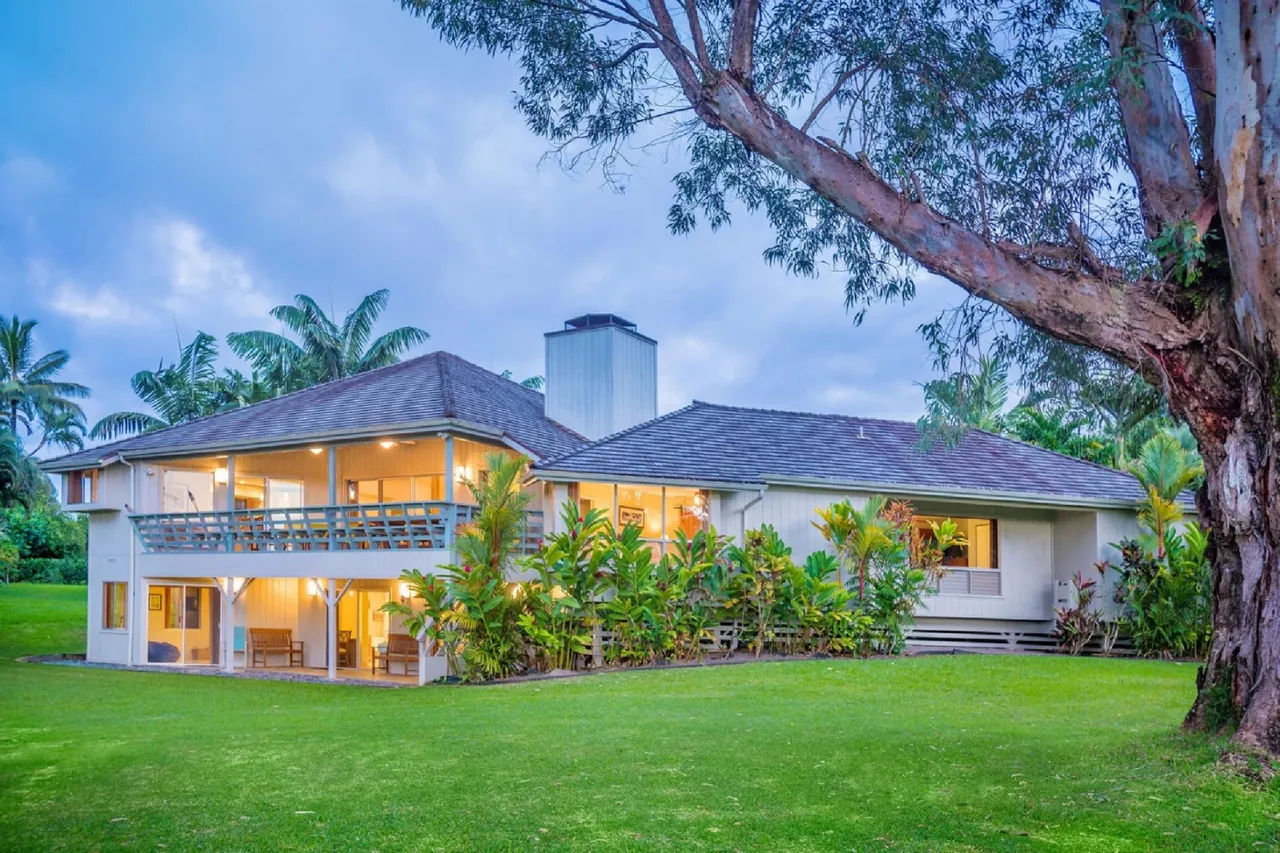
Covered outdoor space is particularly valuable when a passing shower changes the day. Ask how many guests can sit or dine comfortably under shelter, whether the furniture remains usable and how indoor living areas connect with the lānai. A house with a beautiful exposed terrace but little practical shared space may feel less comfortable when everyone is home. The property should work across ordinary variations in weather, not only in the clear conditions of its photographs.
Review cooling and ventilation room by room. Do not infer that every bedroom has air conditioning because it appears in a general amenities list. Ask about controls, fans and any relevant restrictions, then decide what the group needs for sleeping comfort. Bedroom separation and quiet areas matter too when some guests rise early, others work briefly and children keep a different schedule.
A weather-flexible home reduces the temptation to replace every canceled outing with another rushed booking. A long breakfast, games, reading or a relaxed meal can become an enjoyable day in its own right. That is one of the reasons to choose a villa. The right house allows the holiday to remain appealing even when the island asks you to slow down.
Līhuʻe Airport is the usual starting point for a Kauaʻi stay, but the onward journey depends on the exact shore and address. Share flight information with the local contact, confirm how delays should be communicated and arrange transport that fits both passengers and luggage. Obtain the property’s approach instructions before leaving the airport. A map pin may not identify the right entrance, gate or place to unload.
Plan the first meal modestly and arrange the essentials for breakfast. Advance stocking can help where available, but focus on what the group will need immediately rather than order food for an entire week of meals not yet decided. Ask how substitutions, delivery and charges are handled. Families may especially value familiar food for children ready on arrival, without another lengthy stop after the flight.
Use the welcome to learn locks, cooling, pool access, outdoor lighting and the contact for practical assistance. Then let the evening settle. The first full morning should remain local enough for the group to find its bearings and adjust to travel. A comfortable start can influence the whole week more than an impressive excursion booked too early to be enjoyed.
For a week near Hanalei or Princeville, begin by establishing the local routine: the practical shore route, a simple lunch option and a comfortable evening at the villa. Choose a confirmed operating garden or cultural experience for another day, with current access checked directly. A restaurant evening in Hanalei can be a highlight without requiring the whole day to revolve around it. Keep time for the home and the landscape immediately around it.
Treat closed attractions as future possibilities, not gaps that must be filled through unofficial access. Hāʻena, Kīlauea Point and western state-park plans depend on their responsible agencies’ current notices. An open local business, a permitted coastal outing or a quiet day at the house can provide a meaningful alternative. The itinerary should remain honest about what is available while still recognizing that the island offers more than a few famous locations.
If adding a southern day, select one main reason to go and allow for the journey. Do not combine it with an inflexible late dinner back north. A week becomes richer through a few well-chosen changes of scene and familiar pleasures repeated at a comfortable pace. The final full day is often best left near the villa, returning to what the group enjoyed most.
A Poʻipū or Kōloa base can support a complete holiday within a modest daily radius. Begin with the coast and the villa, then choose a garden visit, time in town and a restaurant occasion that fit naturally. Keep one day for a suitable cultural outing around Līhuʻe if it interests the group. A boat experience can be considered through the actual operator’s current route and permissions, with flexibility for conditions.
The canyon and Kōkeʻe should remain conditional on official reopening and road access, not assumed because the south is a convenient starting point in normal circumstances. The same principle applies to a northern excursion: a beautiful destination photograph does not confirm that every desired stop can be visited now. Choose a day based on operating places and a realistic return, rather than try to preserve an outdated itinerary unchanged.
Leave several afternoons for the house. A private pool, covered table and comfortable garden can make a slower day feel generous. Those hours also allow different guests to enjoy the trip at their own pace. The strongest southern plan takes its own setting seriously instead of treating it merely as accommodation between long journeys to the island’s other regions.
A longer Hawaiian journey may include Kauaʻi and another island, but each deserves a separate plan. The Maui guide and Big Island guide introduce different landscapes and travel patterns. Current access on one island does not establish conditions on another. Check the specific property, activities and agency notices for each stay rather than apply a single statewide conclusion.
An extra island also adds packing, airport time, transfers and a second check-in. Decide what the contrast contributes before inserting it into a short holiday. Some groups will value the change; others will enjoy Kauaʻi more by remaining long enough to develop familiar routines. Neither choice is universally better. The relevant question is whether the journey gives the group more of what it wants or simply more places to manage.
Return to the Kauaʻi destination page with dates, group composition and the desired shore clearly stated. Request the full quote, included services, payment and cancellation terms, and answers to property-specific access questions. Once those essentials are settled, leave room for another slow breakfast, a conversation with a local host and the pleasure of returning to a house that fits the way you travel.
At the October 6, 2026 review, GoHawaii welcomed visitors and reported most visitor businesses operating. Specific parks, roads and the Kīlauea Point refuge still had restrictions. Check the property, planned activities and responsible agency notices for your dates.
Hanalei and Princeville support a northern rhythm; Poʻipū and Kōloa provide a southern base. The east side offers another practical setting. Choose around the places you want nearby repeatedly, then assess the actual house and access.
A villa reservation does not provide park entry or override a closure. When the park is officially open, use the current state-park and Go Hāʻena requirements for the appropriate entry and transport arrangements.
Not necessarily. Ask about the exact route, steps, road crossings and suitable shore access. An elevated view, beachfront position and practical swimming location are separate features.
Consult the official references for current reservations, seasonal access and opening information.
Send your travel dates, group size, budget, and preferences using the form below. Your inquiry starts the selection process; it does not confirm a reservation.
Include the services you would like in your inquiry. Service availability, staffing, and costs must be confirmed for your selected villa.
Our villa collection is supported by VIC Network operations. Rates are indicative; live availability and final pricing require confirmation.
YOUR NEXT CHAPTER
Share a few details. Your ideal escape starts here.